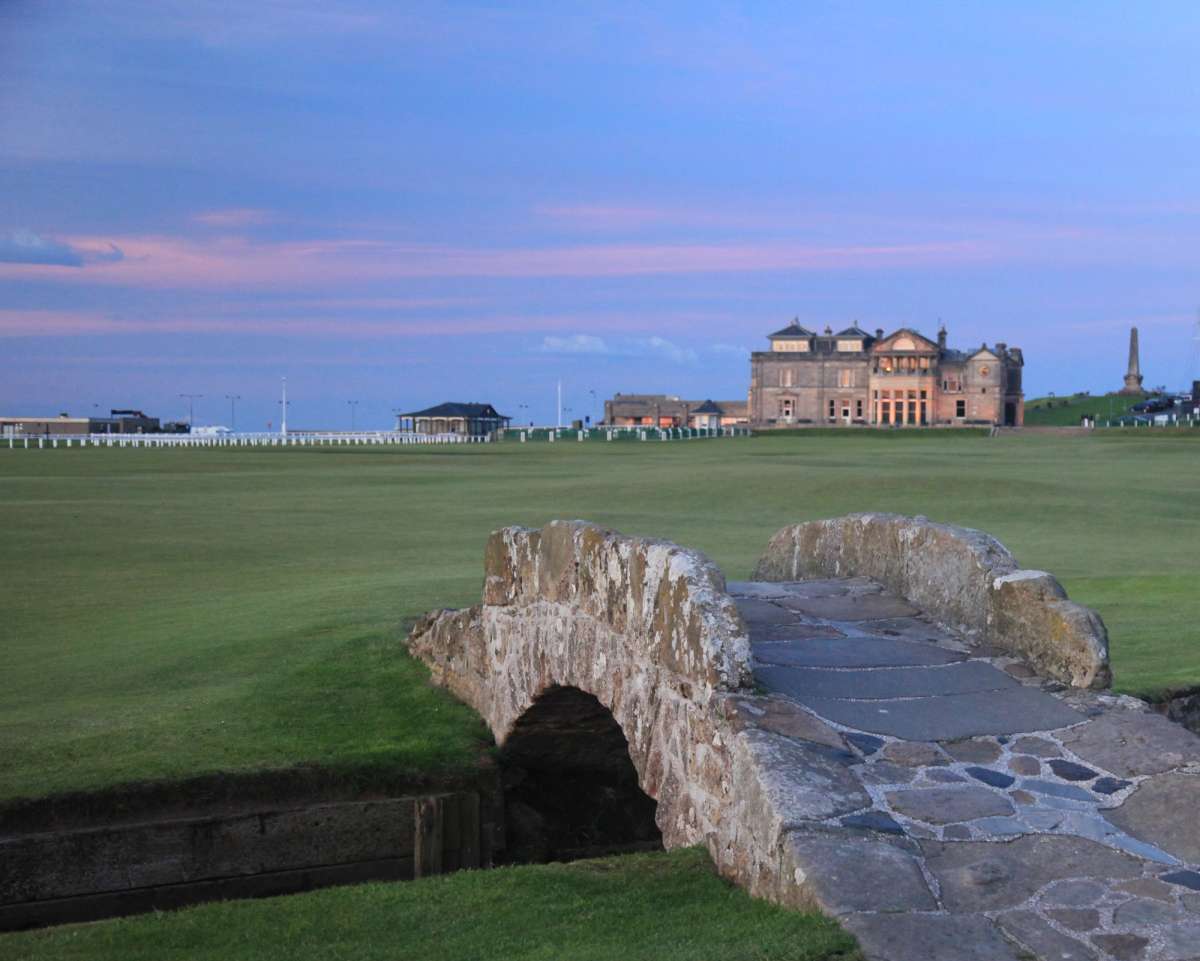
There are few better places to tee it up than the Home of Golf. There are also few tee times harder to come by.
Playing the Old Course at St Andrews is rarely as simple as finding an empty slot and clicking 'book'.
For golfers who haven't secured a tee time in advance, the daily ballot offers another route onto one of the world's most famous golf courses. It is, quite literally, a draw: you enter with your group, wait for the result and hope your names appear.
The process is straightforward once you know the rules, but there are a few details that can catch first-time visitors out. Here's how the Old Course ballot actually works.
The Old Course ballot is a daily draw for golfers looking to play the course without an advance tee time.
Rather than opening every visitor tee time for advance bookings, St Andrews Links makes a proportion available through the ballot. Golfers can enter shortly before their preferred day of play, with successful applicants then allocated a tee time.
The important thing to understand is that entering the ballot does not guarantee you a round. You are entering a draw for the available tee times on that particular day.
The ballot is sometimes referred to as the Old Course lottery, but there is nothing particularly complicated about it. Once you know when to enter and what information you need, the process is relatively simple.
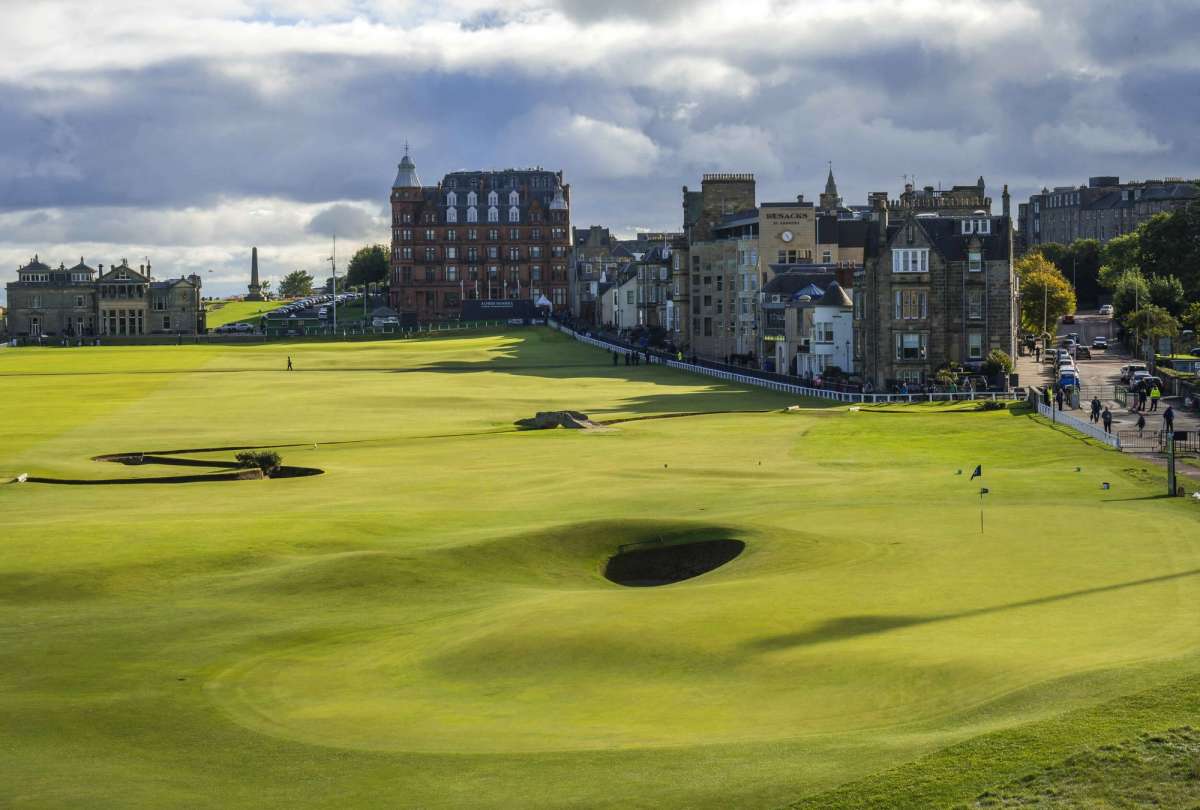
There are five basic steps to entering the Old Course ballot.
The ballot is drawn two days before play.
That means golfers need to plan a little differently from a conventional golf booking. If you want to play on a Thursday, for example, your ballot entry is made on the Tuesday.
The Old Course is closed on Sundays, so there is no ballot for Sunday play. Visitors are still welcome to walk the course freely and stop for the obligatory photo on the Swilcan Bridge.
Entries close at 2pm, two days before the day you want to play.
For example: Want to play Thursday? Enter by 2pm Tuesday.
Miss the deadline and you'll have to wait for another opportunity.
Entries can be made through the St Andrews Links system, with golfers required to provide the relevant details for everyone in their group.
The main Old Course ballot is for groups of two, three or four golfers.
Each golfer's name, home golf club and handicap must be provided, with a maximum handicap of 36. A single golfer cannot enter the standard group ballot.
This is worth knowing before you arrive in St Andrews. If you're travelling alone, there is another option: St Andrews operates a separate Singles Daily Draw, which we'll explain below.
Once the 2pm deadline has passed, St Andrews conducts the draw for the available tee times.
This is where the element of chance comes in. There is no trick that guarantees success, your application is simply considered alongside the other groups looking to play that day.
The number of available tee times can vary, so there is no fixed success rate that applies to every ballot.
The results are published later that afternoon.
If your group is successful, you'll be given an Old Course tee time and can then complete the necessary arrangements to play.
If you're unsuccessful, you haven't lost a booking fee or a deposit simply by entering. You can try again for another eligible day if your itinerary allows.
Not every golfer arrives in St Andrews with three playing partners in tow. Fortunately, travelling alone doesn't necessarily mean missing out on the Old Course.
The standard Old Course ballot is designed for groups of two to four golfers, so a solo visitor cannot simply enter the main draw on their own. However, individual golfers have other avenues to explore.
Since March 2024, individual golfers have entered the Singles Daily Draw, which replaced the old system of golfers queuing overnight in the hope of picking up a tee time.
The process is separate from the main Old Course ballot and takes place the day before play.
Singles can enter the draw in person between 9am and 5pm at either the Old Pavilion, beside the first tee, or the St Andrews Links Clubhouse. At 5pm, a randomised draw is made, with successful golfers notified by email and SMS.
If selected, the golfer is given a place on the Old Course by joining an existing group with an available space. In other words, you don't need to arrive with three friends to play the Old Course as a single, but you do need to be prepared to join other golfers.
It is a much more civilised system than the old singles queue, which meant you could spend hours waiting outside in the hope of getting onto the course the following day. The digital draw gives solo golfers a defined application window and a randomised chance of securing a tee time instead.
The good news is that you have an Old Course tee time.
Your group will be allocated a time from the available ballot sheet, rather than choosing a particular slot in the way you might when booking an ordinary public course.
Tee times can vary considerably depending on the day and season, so don't build your entire day's itinerary around a particular time until the result has been confirmed.
You should also have your handicap information available. The maximum handicap for the Old Course is 36, and St Andrews can require evidence of handicap before play.
The 2026 high-season green fee is £355, although rates vary by season.
Nothing, other than a slight dent to your plans.
You don't pay simply for entering the ballot, and an unsuccessful application doesn't prevent you from trying again on another eligible day.
This is why flexibility can be valuable when planning a St Andrews golf trip. If you're staying for several days, you can enter the ballot on more than one occasion rather than putting everything on a single draw.
It's also worth having a plan B. St Andrews Links is home to six other courses - New, Jubilee, Castle, Eden, Strathtyrum and Balgove - which don’t require you to enter a lottery, so an unsuccessful ballot doesn't have to mean a wasted day of golf.
There is no magic formula.
The ballot is a draw, and the number of applications and available tee times varies from day to day. That means there is no reliable percentage chance of success that can be applied to every golfer or every date.
What you can do is give yourself more opportunities.
If your schedule allows, consider entering on multiple eligible days. Being flexible about when you play also means you're not relying on one particular draw.
Peak periods can be particularly competitive, while availability varies throughout the season, so it's sensible to approach the ballot as an opportunity rather than a guarantee.
The ballot is drawn two days before play, with entries closing at 2pm. So, for example, golfers hoping to play on Thursday must enter by 2pm on Tuesday.
Not through the standard group ballot. The main ballot accepts groups of two, three or four golfers. St Andrews has a separate system for individual golfers.
A standard ballot application can contain two, three or four golfers.
The maximum handicap is 36 for men and women. Golfers should be prepared to provide evidence of their handicap.
Yes. If you're staying in St Andrews for several days, you can enter for multiple eligible playing days. Each day's ballot is a separate draw.
Winning the ballot means your group has secured an Old Course tee time, but you don't simply choose whatever time you want. Your group is allocated a time from the available ballot sheet.
The Old Course ballot won't give you certainty, but it does give visitors another way onto the most famous fairways in golf. For anyone with some flexibility in their itinerary, there's little to lose by entering.
Know the deadline, make sure your group meets the requirements and be prepared to try again if your name doesn't come out. And if you're travelling alone, remember that the Singles Daily Draw offers a separate route to the first tee.
Scotland is home to some of the most famous golf courses in the world, but playing them during the peak season isn't as simple as picking a date and booking a tee time. In this guide, Top100 breaks down how far in advance you should book your Scottish golf trip, highlighting the courses you should target at 12–18 months, 9–12 months, six months and three months out. 12–18 Months Muirfield – Honourable Company of Edinburgh Golfers The second-ranked golf course in Scotland, Muirfield has hosted 16 Open Championships and remains one of the country's ultimate bucket-list destinations for avid golfers. It is also a prime example of why planning well in advance is essential when building a Scottish golf trip. Muirfield's visitor booking process is unusually structured. For 2027, the diary for independent golfers opened on March 18, 2026, and closed on March 27, with applications accepted only during that window. Visiting golfers could submit up to three preferred dates, with only one application permitted per group. Another important consideration for groups wanting to play Muirfield is that, during the peak months of May to September, the club does not accept bookings for singles, two-balls or three-balls. Smaller groups can instead join a waiting list in the hope that a fourball becomes available through a cancellation. If Muirfield is non-negotiable on your Scottish golf bucket list, it should be one of the first things your group books – even before flights and accommodation. Royal Dornoch Golf Club – Championship Course Regularly ranked among the finest golf courses in the world, Royal Dornoch's Championship Course is another Scottish bucket-list destination where the "book it when the diary opens" mentality is justified. The demand for tee times is enormous. When Royal Dornoch opened its 2027 tee sheet in May 2026, the club revealed that summer availability for 2026 was already extremely limited, with the remaining vacant fourball slots falling late in the afternoon. More than 13,000 rounds are allocated to visiting golfers each year, but the course's global reputation means those tee times are in huge demand. Booking applications are only accepted by email and processed in chronological order. The club itself advises golfers to look ahead when planning a trip to Dornoch, and with demand showing little sign of slowing, leaving it until six or three months before your trip is a gamble. If Royal Dornoch is a priority for your trip, it should be one of the first tee times you secure. St Andrews Links – Old Course No Scottish golf trip is complete without discussing the Old Course at St Andrews, but unlike Muirfield and Royal Dornoch, getting a tee time at the Home of Golf requires a slightly different approach. Your best chance of securing an advance reservation for the Old Course is by submitting an application through the St Andrews Links Trust annual advance reservation process, which typically opens at the beginning of September for the following year. At least two golfers are required in each group, with a maximum of eight. You don’t necessarily need to secure a confirmed Old Course tee time 12–18 months in advance, as golfers who miss out on an advance reservation can still enter the highly competitive 48-hour ballot or explore other last-minute availability. If you want to save yourself the stress of applying for a tee time at the Home of Golf, there are also a number of authorised providers – including golf tour operators and local accommodation providers – offering packages throughout the high season that include guaranteed Old Course tee times. 9–12 months Kingsbarns Golf Links Situated just six miles from St Andrews, Kingsbarns Golf Links is one of Scotland's most celebrated modern links. Designed by Kyle Phillips, the course makes the most of its spectacular coastal setting, with the North Sea visible from almost every hole. Kingsbarns' reputation has continued to grow since opening, with the course now co-hosting the annual Alfred Dunhill Links Championship alongside the Old Course at St Andrews and Carnoustie. Its popularity, however, means golfers planning to play during the peak summer months should think about their tee time well in advance. Advance booking is highly recommended by the club to guarantee your place. While Kingsbarns does offer a last-minute online booking service, tee times are only released a maximum of three days in advance and are available at the full rack rate. Nine to 12 months out is a sensible target for Kingsbarns. Its proximity to St Andrews also makes it particularly important to book early if you're hoping to combine the two in the same trip. Carnoustie Golf Links – Championship Course One of the most famous and challenging links courses in the world, Carnoustie's Championship Course is a key addition to any Scottish golf itinerary. Having hosted eight Open Championships, including Francesco Molinari's memorable victory in 2018, its reputation means tee times during the peak season are highly sought after. Unlike some of Scotland's most exclusive courses, Carnoustie offers visitors a number of ways to secure a tee time, with bookings available directly through the club. However, if you're planning to play during the busiest summer months, leaving your round until the final few weeks of your trip is a risk. For a peak-season trip, booking Carnoustie's Championship Course early is particularly important if you want a preferred morning tee time or are travelling as a larger group. Royal Troon Golf Club – Old A regular fixture on the Open Championship rota, Royal Troon's Old Course is another of Scotland's most sought-after links and a natural target for golfers planning a trip during the summer months. The course has hosted the Open nine times, most recently in 2024, and its reputation means popular tee times can be snapped up well in advance. Royal Troon offers more flexibility than some of Scotland's most difficult courses to access, with its visitor season running from mid-April to October. However, visitor tee times are limited to Mondays, Tuesdays and Thursdays, making it worth securing your round well ahead of a peak-season trip. The club also opens its diary well ahead of the playing season. For a peak-season trip, securing your preferred date early is the safest approach, particularly given the limited days available to visitors. Turnberry – Ailsa One of Scotland's most recognisable links, the Ailsa Course at Turnberry combines a rich Open Championship history with one of the most dramatic coastal settings in the country. Perched on the Ayrshire coast with views across to the Isle of Arran, the course has hosted four Open Championships and remains a bucket-list round for many visiting golfers. Turnberry offers visitor tee times throughout the season, but demand for the Ailsa is high during the summer, particularly for the most desirable morning times. Booking Turnberry’s Ailsa Course early gives you the best chance of securing your preferred date and tee time rather than relying on availability closer to your trip. 6 months Once you've secured the headline rounds on your itinerary, six months out is a good time to start filling in the rest of your trip. The courses in this category are still highly regarded and can be extremely popular during the summer, but generally offer more flexibility than the likes of Muirfield, Royal Dornoch or the Old Course at St Andrews. For a trip during the peak months, courses such as Gullane No. 1, Dumbarnie Links, Crail, Elie, Prestwick, Western Gailes, Nairn, North Berwick and Dunbar, as well as the New, Jubilee and Castle Courses at St Andrews, are well worth targeting. These courses can form the backbone of a fantastic itinerary, particularly if you're looking to experience a mix of famous championship layouts and traditional Scottish links. Six months out is also when location should start influencing your planning, with courses viewed as part of a wider itinerary. A trip based around St Andrews, for example, gives you access to Crail, Elie, Dumbarnie and the three St Andrews Links courses, while an East Lothian trip opens up Gullane, North Berwick and Dunbar. Further west, Prestwick and Western Gailes can be combined with Royal Troon and other Ayrshire links. At six months, you should still have a good selection of tee times available, but peak-season mornings and the most desirable days can begin to disappear. If there's a particular course in this category that is a must-play, don't assume you'll be able to pick it up at the last minute. Six months is a good balance between having plenty of choice and not needing to plan your entire Scottish golf adventure a year or more in advance. 3 Months Three months out is where you can start to take a more flexible approach to your Scottish golf itinerary. By this stage, the headline rounds should ideally be secured, but there are still plenty of excellent options for filling out your itinerary closer to your trip. If you haven't planned anything yet, don't panic – Scotland is full of authentic, characterful golf courses that don't require a year of advance planning. Courses such as Leven Links, Lundin Links, The Glen, Dunbar, Panmure, Montrose, Ladybank, Machrihanish, Musselburgh and Gailes offer plenty of variety, from traditional links with centuries of history to lesser-known hidden gems that could provide some of the most enjoyable rounds of the trip. This is also the point where flexibility becomes your biggest advantage. If you're happy to play in the afternoon, move between days or travel a little further from your base, you'll generally have more options. It can also be worth checking courses regularly for cancellations, particularly if there's a specific course you'd like to add to the itinerary. Don't mistake three months out for "leave everything until the last minute", though. Peak-season tee times at popular courses can still disappear, particularly for larger groups. If one of these courses is a must-play, book it once you've settled on your itinerary rather than assuming you'll find a tee time a few weeks before travelling. The good news is that you don't need to plan every round of a Scottish golf trip 18 months in advance. Identify the courses you simply can't miss and secure those first, before using the months that follow to build out the rest of your itinerary. With a little flexibility, even a trip planned just three months out can still feature some of Scotland's most authentic and enjoyable golf.
For golfers planning their first serious links trip, the choice often comes down to two destinations: Scotland or Ireland. Both offer some of the finest links courses in the world, dramatic coastal landscapes, historic clubs and enough quality to fill several days without playing the same type of golf twice. Scotland has the strongest claim to being the home of the game, with St Andrews, Muirfield, Carnoustie and Royal Dornoch among its headline acts. Ireland, meanwhile, can counter with Royal County Down, Royal Portrush, Ballybunion, Lahinch and Rosapenna. There is no wrong answer. But if you only have one major links trip to make, which country should come first? The Headline Courses Scotland has an almost unfair collection of famous links. The Old Course at St Andrews remains the obvious pilgrimage, while Muirfield, Turnberry Ailsa, Royal Dornoch and Carnoustie provide four very different reasons to keep travelling beyond the Home of Golf. North Berwick and Kingsbarns add further depth, and there is no shortage of excellent options once you move away from the biggest names. Ireland has an equally compelling collection. Royal County Down’s Championship course currently sits at No.1 in the Top100 GB&I ranking, with Royal Portrush at No.3, Ballybunion, Lahinch and Rosapenna Golf Resort’s St Patrick's Links adding further heavyweight options. That means neither country is short of a bucket-list course. Scotland perhaps has the deeper bench of instantly recognisable names, but Ireland can comfortably match it at the very top. Winner: Scotland The Links Experience The character of the golf is one of the biggest differences between the two destinations. Scotland gives you an extraordinary range of links experiences. The Old Course at St Andrews is steeped in history, Carnoustie has its fearsome reputation, Royal Dornoch delivers a more remote Highland setting, while North Berwick and Turnberry offer their own very different takes on seaside golf. Ireland's great strength is the way its links interact with the landscape. At Royal County Down, the Mountains of Mourne provide a spectacular backdrop. Royal Portrush winds through some of the biggest dunes in the British Isles, while Ballybunion, Lahinch and Rosapenna put the Atlantic firmly into the equation. That doesn't necessarily make Ireland's golf better, but it does give many of its standout courses a particularly strong sense of place. The landscape is part of the experience of playing the course. For golfers looking for variety, Scotland has the edge. For those who want their links golf to feel wild and dramatic, Ireland takes the cake. Winner: Ireland Building The Perfect Itinerary For the travelling golfer, the quality of individual courses is only half the equation. The other question is how easily you can string them together. This is one of Scotland's greatest strengths. A St Andrews trip can be built around the Old Course and supplemented by the six other courses at the St Andrews Links complex (New, Jubilee, Castle, Eden, Balgove, and Strathtyrum), alongside Kingsbarns Golf Links and Crail Golfing Society. An East Lothian trip can combine Muirfield with North Berwick, Gullane and Dunbar. Further west, the Ayrshire coast offers Turnberry, Royal Troon, Prestwick and Western Gailes. Then there is the Highlands, where Royal Dornoch, Castle Stuart and Nairn provide the foundations for another outstanding trip. Ireland has excellent clusters of its own. Dublin and the east coast provide several strong options, while the southwest combines Ballybunion, Lahinch and Waterville. Further north, Royal County Down and Royal Portrush provide the kind of double act that could justify an entire trip. But Scotland gives you more ways to construct the itinerary. You can build a four-day trip around one region or spend a week travelling between some of the game's most famous courses without running out of options. Winner: Scotland The Scenery and Atmosphere Both countries offer more than enough scenery to make the journey worthwhile, but they create very different kinds of golf trips. Scotland has the history and sense of occasion. A day at St Andrews can feel like a pilgrimage, while travelling through East Lothian or Ayrshire takes you between courses that have been part of the game for generations. Ireland's appeal is slightly less about pilgrimage and more about exploration. The best trips often involve following the coastline, travelling between small towns and remote clubs, and arriving at courses where the dunes and sea dominate the view. The golf can feel like part of a wider road trip, with the day's round followed by a trip to the pub to dissect it. Scotland has the stronger sense of golfing history, but Ireland arguably offers the more rounded sense of adventure. Winner: Ireland Value for Money Neither Scotland nor Ireland is a destination for the golfer looking for a bargain-basement holiday. The headline courses can command substantial visitor fees, particularly during the summer, but neither country requires you to play the most expensive courses every day. Scotland's depth is particularly useful, with an enormous range of courses allowing you to mix marquee names with excellent, less expensive links. That depth also means you can build an itinerary around value rather than simply ticking off the most famous names. Ireland competes strongly, particularly if you are prepared to venture beyond its biggest tourist destinations. But Scotland's sheer number of quality options makes it easier to put together a varied trip without paying a premium every day. Winner: Scotland The Verdict For your first links trip, choose Scotland. It has the history, depth, variety and concentration of world-class courses to make almost any itinerary work. The Old Course alone is enough to justify the journey, but Scotland's greatest strength is what comes after it. There are enough outstanding links to turn one trip into several without simply repeating the same experience. Ireland is the destination to choose when you want something a little more adventurous. Its great links are often dramatic, windswept and surrounded by scenery that can be as memorable as the golf itself. Royal County Down, Royal Portrush, Ballybunion, Lahinch and Rosapenna form an extraordinary collection, and the wider experience of travelling around the island only adds to the appeal. So Scotland wins the first-trip argument. But once you've made the journey, Ireland won't be far behind on the list.

No golf destination carries quite the same weight as the Kingdom of Fife. This peninsula jutting into the North Sea between the Firth of Forth and the Firth of Tay is where the game was born, where its rules are written, and where golfers have been making pilgrimages for six centuries. It is Scotland's most densely packed region for quality golf. The Old Course at St Andrews sits at the very summit of the world rankings, but Fife's strength goes far beyond one famous address. Kingsbarns ranks among the finest modern links on the planet; Dumbarnie has shot to prominence since opening in 2020; the Castle Course, New Course, and Jubilee provide championship-level variety without leaving the St Andrews links complex. Venture further south into the East Neuk and you find Elie, Crail, Lundin Links, and Leven – courses that serious golfers return to again and again. Venturing inland to Ladybank and Scotscraig rewards those willing to look beyond the coast. A week in Fife barely scratches the surface. A fortnight leaves you wanting more. This guide covers everything needed to plan a trip that does justice to Scotland's most extraordinary golf region. Fife Golf: Why It Should Top Your Travel List 🌟 Unmatched Golf Density Fife leads Scotland's regional breakdown with the most courses in the Top 100, ahead of East Lothian and Ayrshire. Within a 40km (25-mile) radius of St Andrews, golfers can access more world-class links than on any comparable stretch of coastline anywhere. The concentration is genuinely remarkable… drive 20 minutes east from St Andrews, and you are playing Kingsbarns; 30 minutes west and you are at the East Neuk classics; an hour north and Scotscraig awaits. The quality also spans every price point and every course style. The range means golfers on any budget can build a serious itinerary. A Golf Trip Unlike Any Other Home of Golf heritage – it is the home of golf and where the R&A still governs the global game from Championship pedigree – the Old Course alone has hosted 29 Opens; Kingsbarns co-hosts the Dunhill Links each autumn Modern excellence – Dumbarnie (2020) and the Castle Course (2008) prove Fife's ability to produce world-class new designs Diversity of terrain – links, heathland, parkland, and clifftop golf all within an hour's drive Infrastructure – St Andrews supports international golfers with world-class hotels, caddies, equipment rental, and year-round play Fife's Finest Golf Courses ⛳ The Top Eight – Essential Fife Golf 1. The Old Course at St Andrews The Old Course at St Andrews – The most famous golf course in the world sits at the very heart of the town, its fairways woven into the fabric of St Andrews itself. The course divides opinion among architects and purists – the blind shots, shared fairways, and vast double greens are either baffling or revelatory depending on the round – but no golfer leaves unmoved. A guaranteed tee time requires booking many months in advance through an authorised operator. The daily ballot offers a more affordable route but demands flexibility; the ballot draws 48 hours ahead, and results are announced after 5 pm. Caddies are strongly recommended to complete the experience. 2. Kingsbarns Golf Links Kingsbarns Golf Links – Opened in 2000, Kyle Phillips's design transformed flat farmland 11km (7 miles) southeast of St Andrews into one of the most celebrated links in existence. The North Sea is visible from every part of the course, and six holes play directly along the shoreline. The par-5 12th, sweeping around the bay, and the par-3 15th, demanding a carry over a rocky inlet, are among the most photographed holes in Scottish golf. Kingsbarns co-hosts the Dunhill Links Championship with the Old Course and Carnoustie each autumn. The club's caddie operation is excellent, and the post-round hospitality matches the best in Scotland. 3. Dumbarnie Links Dumbarnie Links – Clive Clark's 2020 creation on the 5,000-acre Balcarres Estate has made one of the most dramatic entrances in recent Scottish golf history. Set on the Fife coast overlooking the Firth of Forth, with 14 of 18 holes offering sea views, Dumbarnie stretches to 7,600 yards from the tips and can be set up with up to three drivable par-4s depending on conditions. The 10th, defending itself with a large water feature, is the hardest hole on the course; the 17th, a short par-4 climbing over a stone wall and wetland, captures the Scottish links spirit perfectly. Dumbarnie hosted the Women's Scottish Open in 2021 and has quickly established itself as one of Scotland's finest pay-and-play venues. 4. St Andrews Castle Course St Andrews Links (Castle Course) – The newest addition to the St Andrews Links Trust portfolio was designed by David McLay Kidd and opened in 2008. Laid out on a clifftop above the town with over 1.6km (a mile) of waterfront. The Castle Course divides opinion within the St Andrews family as it lacks the 'natural' links character of its famous siblings, but the clifftop setting delivers drama that few courses anywhere can match. The closing three holes of each nine are strung along the coastline, and the wind at this exposed elevation makes the Castle Course play more difficult than its yardage suggests. Closed from November to February. 5. St Andrews New Course St Andrews Links (New Course) – Created in 1895 by Old Tom Morris and Benjamin Hall Blythe to relieve pressure on the Old Course, the New Course is considered by many locals to be the finest test in St Andrews. Tighter and more defined than its famous neighbour, the New rewards precision over creativity and has hosted national championships for over a century. It is outstanding value for a course of this quality and heritage. 6. Golf House Club, Elie Golf House Club, Elie – James Braid was born and raised at Elie, and while it was Old Tom Morris who laid out the current 18 holes in 1895, Braid made his revisions in 1921, and the course has remained largely untouched since. Elie is famously quirky. For example, the starter uses a submarine periscope salvaged from HMS Excalibur to check that the opening hole is clear before sending groups on their way. Five-time Open champion Peter Thomson called it the most enjoyable course he knew, and the layout of 16 par-4s and two par-3s, with fiery greens and constant Firth of Forth views, makes the claim easy to understand. Visitor access is limited in the summer due to member priority, so early booking is essential. 7. St Andrews Jubilee Course St Andrews Links (Jubilee Course) – Often described as the most challenging of the St Andrews courses, the Jubilee was built in 1897 and sits between the New Course and the sea. The Jubilee is considered excellent preparation for anyone hoping to play the Old Course. 8. Crail Balcomie Links Crail (Balcomie Links) – Golf has been played at Crail since 1786, making it one of the oldest clubs in the world. Old Tom Morris designed the current Balcomie Links layout in the late 1890s, with the course positioned right on the craggy East Neuk coastline. With stone walls, railway sleeper bunker faces, and natural hollows as hazards, Crail has an authenticity that newer courses spend fortunes trying to recreate. Crail is 15km (9 miles) from St Andrews and serves as an ideal companion round to Kingsbarns, just minutes away. Worth Every Minute: Fife's B-Side Courses 🎯 The Supporting Cast That Steals the Show One of Fife's great secrets is how well its mid-tier courses compare to headline acts elsewhere in Scotland. The following seven are ranked 9–14 in Fife's Top 100 regional listing, and each one earns its place in any serious Fife itinerary. 9. Crail Craighead Links Crail (Craighead Links) – Gil Hanse's 1998 design at Crail occupies higher ground than its older sibling, Balcomie, and offers more dramatic elevation changes and sweeping views in multiple directions. Craighead's tall fescue rough is among the most demanding in Fife, and the green complexes require careful thought. Playing both Crail courses in a single day is entirely achievable and gives a fascinating contrast in approach and character. 10. Lundin Golf Club Lundin Links – Lundin's unusual origins. The club shared a course with Leven Golf Club until 1909, when James Braid was brought in to create a separate layout, giving the course a character unlike any other in Fife. The front nine is classic links; the back nine crosses an old railway line into a different style entirely. Lundin hosted Open Final Qualifying when the Championship was at St Andrews for many years, which says everything about the quality of the test. Six holes play adjacent to the beach, and the 18th, at 450 yards, is one of the toughest finishers in the Kingdom. 11. Leven Links Leven Links – Sharing the same stretch of coastline as Lundin, Leven is the more traditional of the two and offers one of the most honest links tests in Fife at a price that feels increasingly rare for a course of this calibre. The par-3s can be particularly devilish, and the two closing holes are as strong as any in the East Neuk. The golf club dates to 1820, making Leven one of the older clubs in Scotland. 12. Ladybank Golf Club Ladybank Golf Club – Ladybank is Fife's only heathland course is a pine-lined inland gem that offers a completely different experience from the coastal links dominating the rest of the Kingdom's roster. Old Tom Morris designed the original layout, and the course has hosted Open qualifying and top amateur events, including the Scottish PGA Championship. The contrast with a day on the links is deeply refreshing, and the course's compact, strategic nature rewards intelligent play over raw power. 13. Scotscraig Golf Club Scotscraig Golf Club – Founded in 1817, Scotscraig is among the 20 oldest golf clubs in the world and sits in the north of Fife near Tayport. The hybrid course, partly heathland, partly links, sits close to the sea without actually playing along it. James Braid redesigned the layout in 1923, and his accuracy-focused design rewards careful course management over aggression. Scotscraig hosts Open qualifying when the Championship is at St Andrews and held the Scottish PGA Championship in 2023. 14. St Andrews Eden Course St Andrews Links (Eden Course) – The Eden sits within the St Andrews Links complex, tucked between the estuary of the River Eden and the more celebrated courses. Redesigned by Harry Colt in 1913, it is a genuine links test at an accessible price point and makes an excellent warm-up round for groups visiting St Andrews for the first time. Where to Stay: The Fairmont St Andrews 🏨 The Golf Resort of Choice for Fife For golfers seeking a single base that combines world-class accommodation with on-site golf, the Fairmont St Andrews stands apart from every other option in the Kingdom. The five-star resort occupies a dramatic clifftop position 3km (2 miles) from the Old Course, with views across St Andrews Bay that set the mood from the moment of arrival. The Fairmont's 209 rooms and suites range from golf-view standard rooms to sprawling spa suites, and the hotel's Esperante restaurant has earned consistent recognition for its Scottish menu. The leisure facilities, including an indoor pool and spa, provide welcome recovery between rounds on days when Fife's weather has taken its toll. For golfers not staying at the Fairmont, St Andrews town centre offers a substantial choice. The Rusacks Marine Hotel occupies one of the most coveted positions in Scottish golf, overlooking the 18th hole of the Old Course from just beyond the boundary. Its recent renovation has brought it back to the standard the location demands. The Old Course Hotel, directly adjacent to the 17th Road Hole of the Old Course, remains the most famous golf hotel address in Scotland and serves as the unofficial meeting point for serious golfers visiting St Andrews. In the East Neuk, the small fishing towns of Anstruther, Pittenweem, and Crail offer characterful B&B and self-catering accommodation that puts golfers within minutes of Elie, the two Crail courses, Lundin, and Leven. For golfers making Elie or Lundin Links the centrepiece of a visit rather than St Andrews, basing in the East Neuk avoids the traffic and crowds of the town while keeping the top courses within easy reach. Getting There and Getting Around 🚗✈️ Reaching Fife Edinburgh Airport is the primary international gateway, with direct flights from London (1 hour), most major European cities, and transatlantic services from New York, Boston, and Toronto. The drive from Edinburgh to St Andrews takes approximately 75 minutes via the Forth Road Bridge and the M90. Dundee Airport serves regional UK routes and sits 35km (22 miles) from St Andrews. Trains from Edinburgh to Leuchars station (the stop for St Andrews) take approximately 1 hour; the connecting bus into town adds 15 minutes. For golfers planning multiple East Neuk courses, a rental car is essentially mandatory. All the key courses are within 45 minutes of St Andrews by car. Getting Around Fife A hire car is the practical choice for any golfer playing more than two or three courses. The road network in Fife is straightforward and largely free of congestion outside St Andrews town centre. Distances are compact: Kingsbarns is 11km (7 miles) southeast; Elie is 24km (15 miles) south; Lundin Links is 30km (19 miles) southwest; Ladybank is 32km (20 miles) west; Scotscraig is 26km (16 miles) north. Most golfers based in St Andrews can reach any course in Fife within 45 minutes. Clubs, Equipment, and Caddies Caddies are strongly recommended on the Old Course. The local knowledge on the Old Course is genuinely invaluable and transforms an enjoyable round into a memorable one. Weather and When to Visit Golf in Fife is a year-round proposition, though the experience varies significantly by season. May to September offers the longest days, the best weather reliability, and peak green fees. Late April and early October provide excellent conditions at shoulder-season pricing, with fewer crowds and the same course quality. Winter play (November to March) is possible on most courses, with green fees dropping substantially. The Dunhill Links Championship in early October is a significant draw for Fife at that time of year, with the Old Course, Kingsbarns, and Carnoustie all hosting the pro-am. The Open Championship at St Andrews – next scheduled for 2030 following the 150th edition in 2022 – creates enormous demand for the entire year in question and the year before. Booking Golf in Fife 📅 Securing Tee Times at the Top Courses The Old Course requires the most planning. Guaranteed commercial tee times through authorised operators sell out many months in advance – for peak season, 12 months ahead is not excessive. The daily ballot is drawn 48 hours before play and offers a more affordable route but demands flexibility and a willingness to adjust the day's schedule. Entering the annual private ballot in late August for the following year is the most popular approach. Kingsbarns releases tee times well in advance, and the booking process is straightforward through the club's website. Dumbarnie's visitor tee times are bookable directly via email or phone and the club is responsive to inquiries – booking 2–3 months ahead for peak summer is prudent. The East Neuk courses of Elie, Crail, Lundin, and Leven generally have more availability and bookable time slots within a 4–6 week window in summer. Elie is the notable exception: member priority severely limits visitor access at weekends in high season, and weekday play is strongly advisable for non-members. Ladybank and Scotscraig are the most accessible of Fife's top courses and can often be booked within days during the summer. The St Andrews Links Trust courses (New, Jubilee, Eden, Castle) are bookable through the Links Trust website or via authorised operators. Package deals combining two Links courses on consecutive days are offered and provide meaningful savings over individual bookings. Beyond the Fairways 🏰 When the Clubs Are Put Away St Andrews is a complete destination beyond golf. The University of St Andrews, founded in 1413 and the oldest in Scotland, gives the town an intellectual energy that distinguishes it from most golf destinations. The ruins of St Andrews Cathedral – once the largest in Scotland before the Reformation – and the adjacent St Andrews Castle are worth a morning's exploration. The British Golf Museum, adjacent to the R&A Clubhouse, is the finest golf heritage museum in the world and an essential context for any serious golfer visiting the Kingdom. The East Neuk villages – Anstruther, Pittenweem, St Monans, and Crail – reward exploration on any day away from golf. The Pittenweem Arts Festival each August transforms the village into a gallery town; the working fishing harbour at Anstruther is active year-round; Crail's harbour, with its distinctive red pantile rooftops, is among the most photographed spots in Fife. Scotland's Secret Bunker near Anstruther, a Cold War nuclear command centre preserved underground, provides a genuinely surprising afternoon for the curious. Walking the Fife Coastal Path, which stretches 117km (73 miles) from the Forth Road Bridge to the Tay Bridge, is increasingly popular with non-golfing partners. The section from Largo to St Andrews is particularly rewarding and passes several of the region's best courses. The village of Falkland, home to Falkland Palace, a Renaissance royal hunting lodge that served as a retreat for Mary Queen of Scots, is worth the 30-minute drive inland for a complete change of pace. Insider Local Knowledge 💡 What the Guidebooks Miss The Old Course is closed every Sunday – a fact that surprises first-time visitors Ballot tee times on the Old Course are actually cheaper than commercial guaranteed times Elie's periscope starter system is worth arriving early for The Craigtoun Course (formerly Duke's) is now a St Andrews Links Trust property and offers a heathland experience completely unlike the links courses Lundin Links and Leven Links share the same stretch of coastline and are most rewarding played together; the contrast between Braid's hybrid Lundin design and Leven's traditional links format is instructive and thoroughly enjoyable Ladybank is easily overlooked but consistently surprises visitors who expect a 'lesser' inland course Pack waterproofs regardless of the forecast; Fife weather changes rapidly, and even the best forecasting is unreliable on the coast Golf in The Kingdom of Fife Awaits 🏴 Fife rewards planning but forgives those who arrive without much of it. The sheer density of outstanding golf means that a trip here produces memories that last a lifetime. The Kingdom of Golf earned its name long before marketing departments existed, and the courses that fill this guide prove it still deserves the title. Book the Old Course as early as possible, be flexible with everything else, and trust that Fife will deliver. It always does.