Portugal and Spain have become two of Europe's go-to golf getaways, offering sunshine, outstanding courses and plenty to enjoy away from the golf course.
Both countries have their share of bucket-list layouts, but you don't need to spend a fortune to enjoy them. From the Algarve and Costa del Sol to emerging golf destinations further north, there are courses to suit almost every budget.
So, if value for money is the priority, which country should be at the top of your list?
We put Portugal and Spain head-to-head across the things that matter most when planning a golf holiday, from the quality of the courses and ease of building an itinerary to the overall cost of the trip.
The Algarve remains Portugal's best-known golf destination, but the rise of Comporta and the Silver Coast has added a new dimension to the country's appeal.
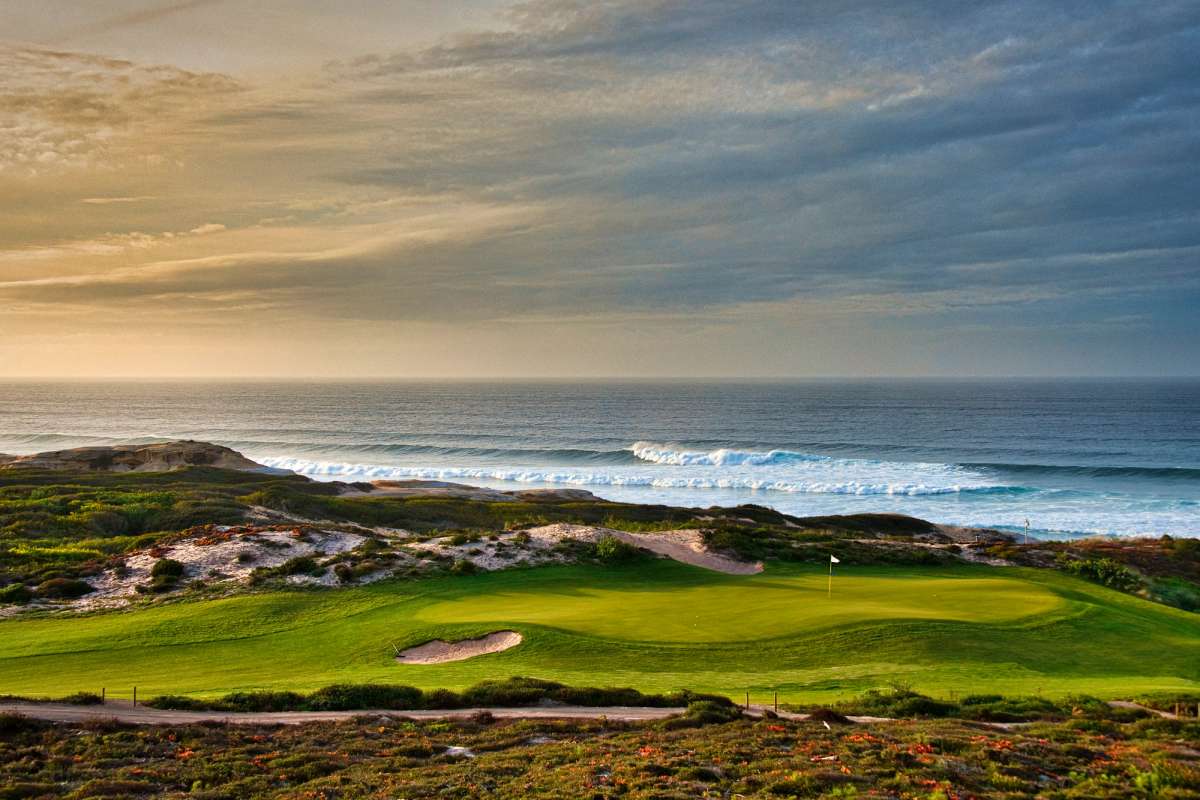
The 2026 Top 50 Golf Courses in Portugal is now headed by Terras da Comporta (Dunas), with Monte Rei North and Quinta do Lago South completing the podium. West Cliffs sits fourth, while Oitavos Dunes and Palmares also feature inside the top eight.
That gives Portugal an impressive collection without having to stick to one part of the country. West Cliffs, for example, is a spectacular coastal option north of Lisbon, while Palmares combines parkland and links-style golf overlooking the Atlantic.
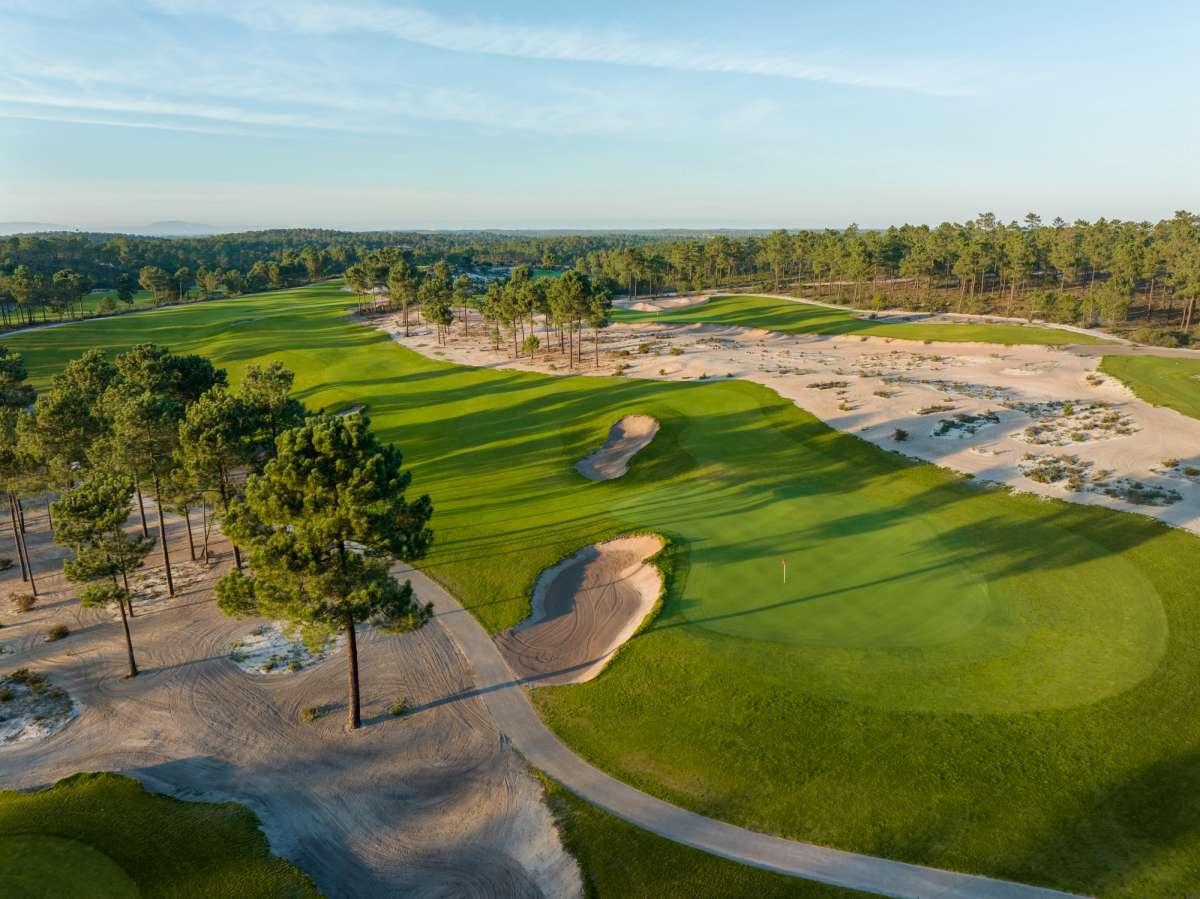
Spain has the deeper collection of established headline names. Real Club Valderrama remains Spain's No.1 in the 2026 Top 100, followed by Real Club de Golf Sotogrande and El Saler. Camiral's Stadium Course completes the top four, while Las Brisas, Finca Cortesin and Las Colinas are among the other highly ranked options.
The important point for a value-focused trip, however, is that golfers don't necessarily need to play the most expensive course in either country to experience their best golf.
El Saler is a particularly good example. Ranked third in Spain, its visitor green fee is €150 in high season and €135 in low season, with even lower rates for guests staying at the adjoining Parador.
While Portugal is closing the gap quickly, Spain's combination of historic names, championship venues and regional variety gives it the edge.
Winner: Spain
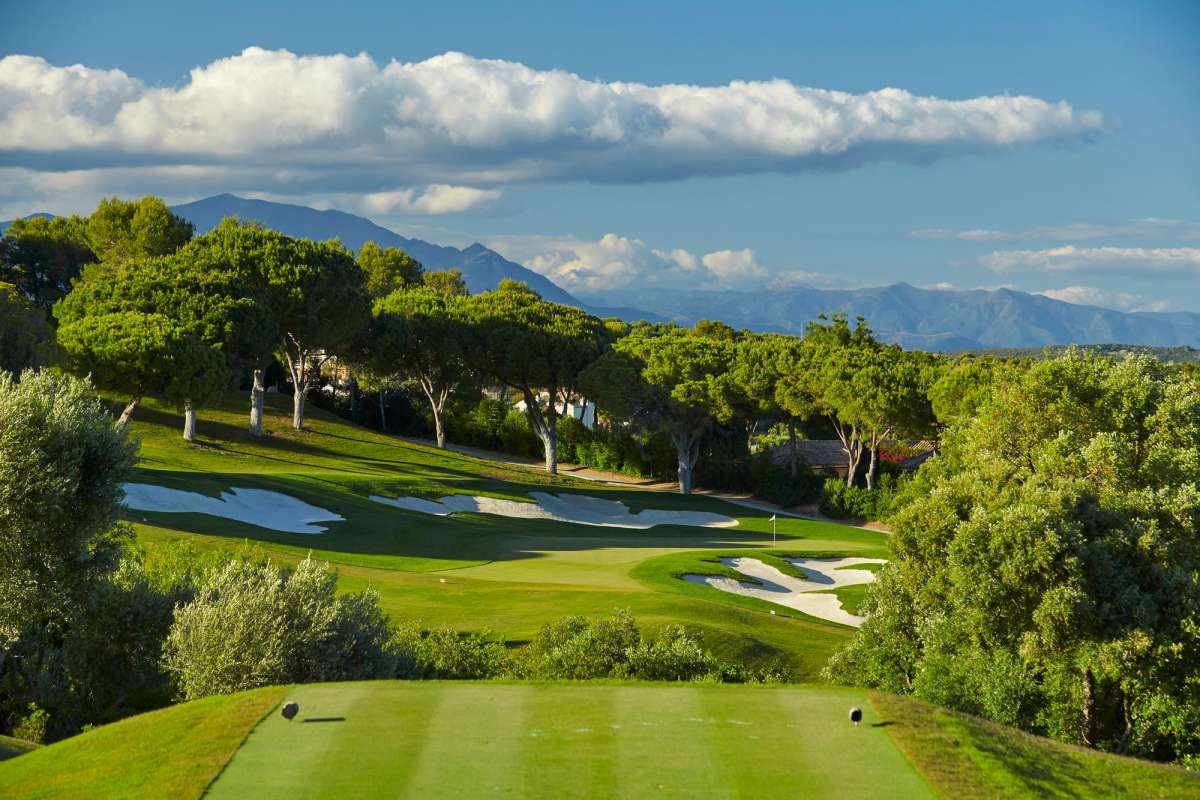
Portugal and Spain offer very different experiences once you look beyond the quality of the courses themselves.
Portugal's golf culture is particularly geared towards the visiting golfer. The Algarve has spent decades building itself around golf holidays, with resorts, restaurants, hotels, transfers and courses all set up to make a week of golf relatively straightforward.
That gives the region an easygoing feel. Golf can be the main event without taking over the entire holiday, with beaches, marinas, restaurants and towns all within easy reach. Further north, the Lisbon and Comporta areas offer a quieter alternative, with Atlantic coastline and a more understated atmosphere.
Spain is a little more varied. The Costa del Sol is every bit as established as the Algarve as a golf holiday destination, but the wider country offers a much broader mix of experiences.
A golf trip could mean staying in a purpose-built resort, basing yourself in Marbella and combining golf with the region's restaurants and nightlife, or travelling further afield to experience a completely different part of the country. That variety makes Spain particularly appealing for golfers who don't want every day of the holiday to revolve around the course.
For a traditional golf getaway where the emphasis is on relaxing, playing plenty of golf and keeping everything close at hand, Portugal has the edge. Spain offers more possibilities, but that can also mean more decisions.
Winner: Portugal
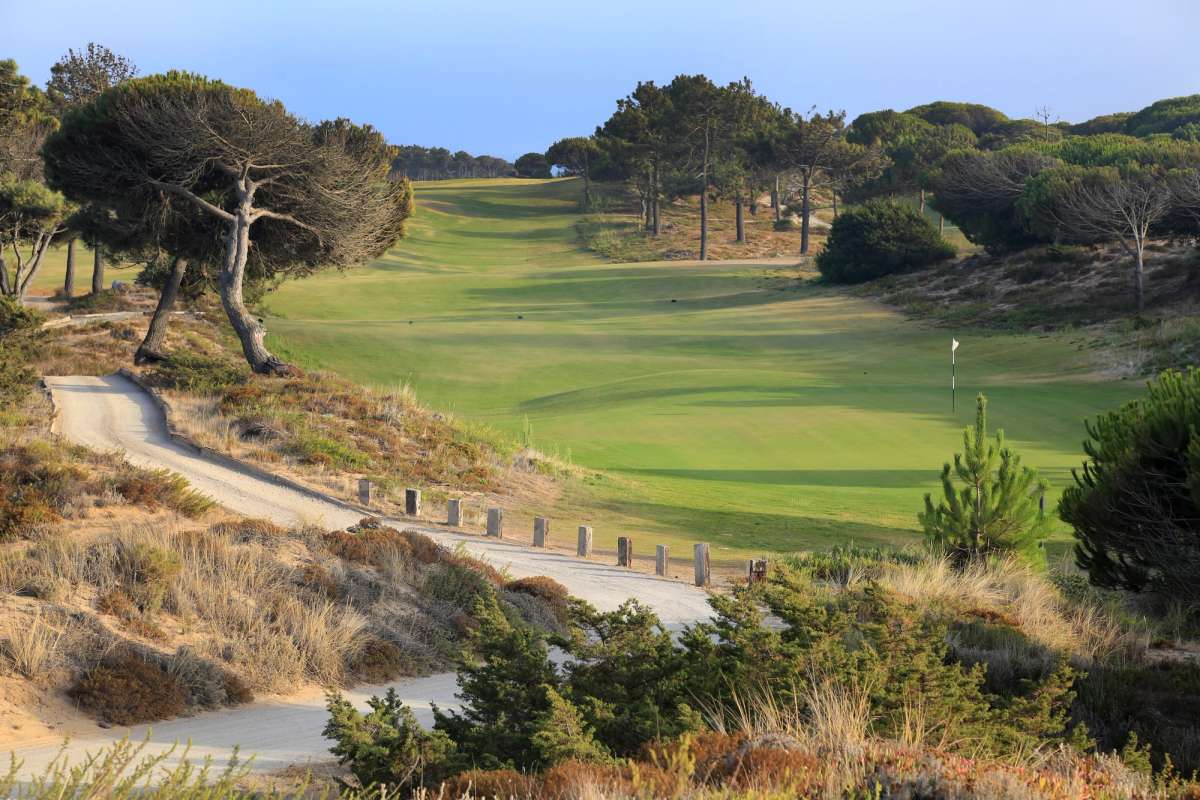
This is where Portugal's geography becomes a genuine advantage.
The Algarve is remarkably well suited to a four- or five-round golf trip. The region's courses are concentrated along the southern coastline, meaning golfers can stay in one base and reach a wide range of courses without spending hours behind the wheel.
It also makes it easier to mix different types of golf. A trip could combine resort courses around Vilamoura and Quinta do Lago with coastal golf further west or less expensive options towards Tavira and the Spanish border.
Portugal offers a similar advantage around Lisbon and the Silver Coast. Golfers can build a trip around a cluster of courses without necessarily having to change hotels every night.
Spain can certainly compete on a regional level. The Costa del Sol has enough courses around Marbella, Estepona and Sotogrande to fill a week, while other regions offer their own concentrated collections.
The difference is that Spain gives you more options while also requiring more discipline. Trying to combine the Costa del Sol with Valencia, Alicante or Catalonia on the same trip quickly turns a golf holiday into a road trip.
For golfers looking to pick one region and settle in, both countries work. Portugal's advantage is that a week of golf can be built around a single base with relatively little time spent travelling between courses.
Winner: Portugal
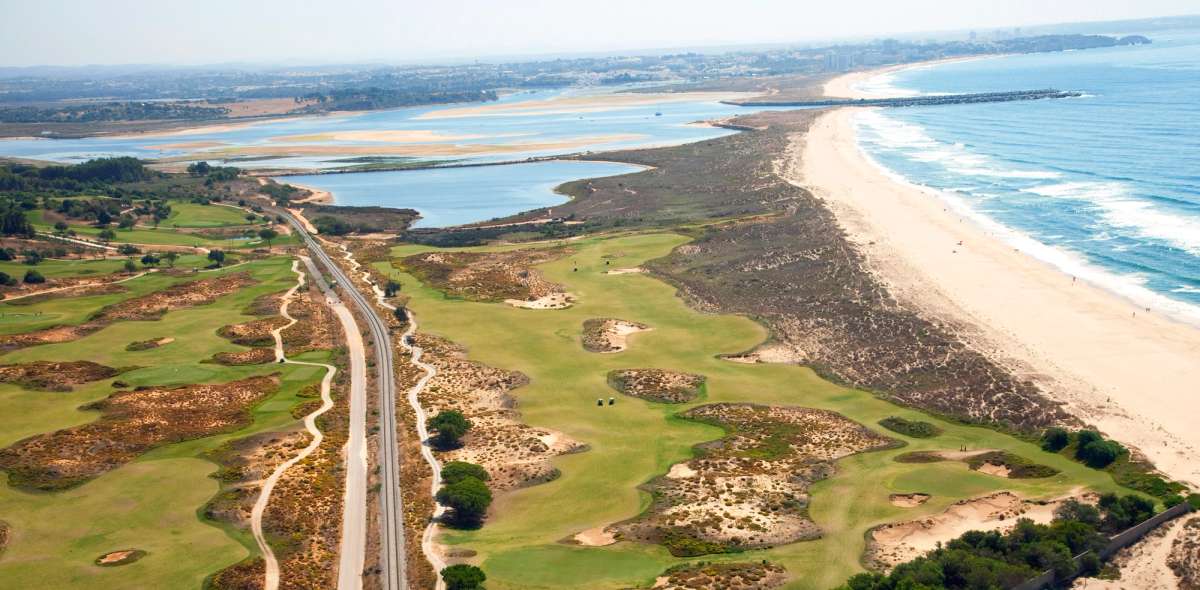
A good golf holiday needs more than good golf.
Portugal's Algarve has the obvious ingredients: long beaches, seafood restaurants, lively marinas and historic towns. Vilamoura is well suited to golfers who want a resort atmosphere, while Lagos and Tavira offer something more traditional.
The Lisbon region adds a major city to the equation, while Comporta provides a more relaxed coastal escape. That gives Portugal plenty of options for golfers travelling with partners, friends or family members who aren't planning to play every day.
Spain, though, has the advantage in sheer variety.
The Costa del Sol offers everything from Marbella's restaurants and nightlife to the quieter towns around Estepona. Elsewhere, golfers can combine their rounds with the food and culture of cities such as Valencia, Seville or Barcelona, or head to the beaches of the Balearic Islands.
That matters when golf is only part of the holiday. Spain makes it easier to build a trip where the golf is one component of a much bigger itinerary.
Portugal is an excellent all-round destination, but Spain's scale means there is simply more to choose from.
Winner: Spain
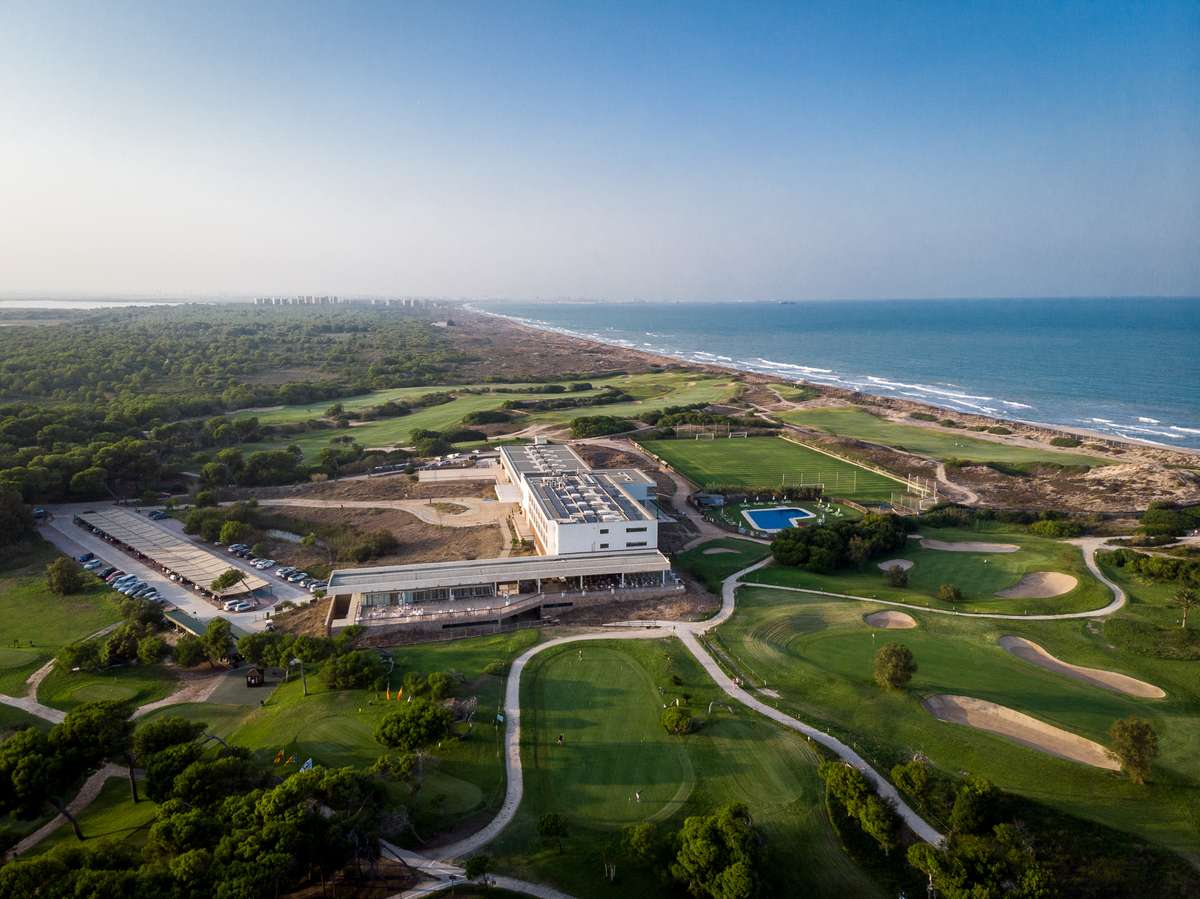
This is the section that ultimately decides the argument.
Neither Portugal nor Spain should be considered uniformly cheap. Both have premium courses where a single round can cost well into three figures, particularly during peak periods.
| Course | Country | Higher Rate | Lower Rate | Twilight Rate (From) |
|---|---|---|---|---|
| West Cliffs | Portugal | €189.75 | €130.35 | — |
| Vale do Lobo | Portugal | €204 | €143 | €93 |
| Quinta da Ria | Portugal | €150 | €100 | €85 |
| Castro Marim | Portugal | €105 | €80 | €65 |
| El Saler | Spain | €150 | €135 | — |
| Valle Romano | Spain | €105 | €73 | €71* |
| La Cala Resort | Spain | €134 | €80 | €55 |
| Higuerón Marbella Golf Resort | Spain | €139* | €110* | €83* |
*Rate includes a buggy.
The figures show that both countries can offer good value, but Portugal has a particularly strong spread of options, from premium layouts at West Cliffs and Vale do Lobo to rounds below €100 at Quinta da Ria and Castro Marim. Spain can compete at the lower end, but Portugal offers a particularly broad range of price points within this sample.
The headline green fee, however, only tells part of the story.
A cheaper round isn't necessarily better value if it requires a long transfer, while a more expensive course can make sense if it is close to your accommodation and forms part of a wider package. Accommodation, car hire, transfers, food and the number of rounds you can comfortably fit into a trip all affect the final bill.
This is where Portugal's concentration of golf gives it another advantage. A golfer can stay in one area, play several quality courses and avoid spending too much time or money travelling between them.
There are also plenty of ways to reduce costs in both countries. Travelling outside peak periods, using twilight rates and mixing premium rounds with cheaper courses can make a significant difference.
So while neither country is universally cheaper, Portugal arguably makes it easier to put together a high-quality golf holiday at a sensible overall price.
Winner: Portugal
Portugal wins the value battle, but Spain may offer the more expansive golf holiday.
Spain takes the honours for headline courses and what lies beyond the golf course, with an enormous collection of highly regarded layouts and a huge variety of destinations, food, nightlife and culture.
Portugal, however, has the stronger case when value for money is the priority.
The Algarve makes it remarkably easy to build a multi-round trip without spending too much time travelling, while the country's wider golf scene provides enough variety to keep things interesting. There are premium courses for those willing to spend, but also plenty of ways to construct a trip around more accessible green fees.
That doesn't mean Portugal is always cheaper. A golfer staying at an expensive resort and playing the country's most prestigious courses can spend plenty. Equally, Spain can deliver outstanding value if you choose the right region and travel at the right time.
But if the question is which destination makes it easiest to combine quality golf, good weather, an enjoyable holiday and sensible costs, Portugal gets the nod.
Spain has the deeper pool of headline golf. Portugal simply makes it easier to get more from your money.
Rates shown are 2026 visitor green fees where published. Higher and lower rates reflect the different seasonal periods used by each course and are not necessarily directly comparable. Twilight rates are shown where published.

Portugal's golf scene has undergone a dramatic transformation. A course outside the Algarve claims the number one position, whilst six new entries reshape the rankings and historic venues stage remarkable comebacks. The 2026 Update Top 50 reveals unprecedented movement across all regions, with Lisbon & Central emerging as the nation's new powerhouse. View the complete Top 50 Golf Courses of Portugal Ranking 2026 Ranking Update: A Historic Reshaping With approximately 86 eighteen-hole courses spread across five distinct regions, Portugal continues to deliver exceptional quality relative to its modest course inventory. The 2026 Top 50 represents the most volatile ranking in the country's modern history, with only four courses maintaining their previous positions. A deeper-than-ever panel of well-played locals and international contributors helped make this the best yet. 2026 Top 50 At A Glance Power Shift at the Summit Terras da Comporta (Dunas) is in the number one position, marking the first time since 2008 that a Lisbon & Central course has claimed Portugal's top ranking after a full ranking refresh. Monte Rei (North) holds at number two after a fifteen-year reign as undisputed champion, whilst Quinta do Lago (South) surges three places to third, reclaiming the podium and establishing itself as the Algarve's premier traditional resort course. Six Dramatic New Entries The 2026 rankings welcome six courses, all entering the Top 25: UPDATE - 22 Jan 2026 - Troia Golf – Robert Trent Jones Snr's 1980 design returns triumphantly after resolving conditioning issues from early 2025. The course has new ownership and management, and in 2026, it will be closed for play. We had it ranked 4th upon the release of the ranking. As soon as we know more, we will update the ranking. #8: Pinheirinho Comporta - formerly known as Herdade do Pinheirinho #10: Terras da Comporta (Torre) – The second Comporta layout establishes the region as Portugal's premier new destination #13: The Els Club Vilamoura – Ernie Els Design brings modern championship standards to the crowded Vilamoura market #18: Montado Hotel & Golf Resort – Continues Lisbon & Central's emergence as golf's growth region #21: Ombria Golf Course – Fulfils 2023's prediction as the anticipated Algarve newcomer The Biggest Climbers Pine Cliffs Resort: Enters the Top 50 at #38 Quinta do Vale: Up 16 places to #32, proving Seve Ballesteros's vision endures Vilamoura Golf (Millennium): Up 14 places to #31 Boavista and Benamor: Both enter the Top 50 at #40 and #45, respectively Salgados Golf Club: Up 12 places to #37 Dom Pedro (Pinhal) and Dom Pedro (Laguna): Both up 10 places, strengthening Vilamoura's portfolio Best Portuguese Golf Courses by Region Lisbon & Central firmly establishes itself as Portugal's quality leader despite the Algarve's numerical dominance. The Silver Coast and Comporta corridor – anchored by West Cliffs, both Terras da Comporta layouts, and Praia D'El Rey – forms one of Europe's most exciting coastal golf destinations. Algarve maintains the majority of the Top 50, demonstrating depth across western resort clusters (Vilamoura, Vale do Lobo, Quinta do Lago) and eastern championship venues (Monte Rei, the Quintas da Ria and de Cima). Quinta do Lago's three-course portfolio places all layouts in the Top 20, whilst Vilamoura's renaissance sees five courses ranked, including The Els Club's impressive top 15 debut. Porto & North contributes just one ranked course, but Estela Golf Club's rise to #11 proves quality over quantity. The links layout north of Póvoa de Varzim remains the finest golf north of Lisbon. Madeira & Porto Santo and Azores together provide four island courses, led by Santo da Serra at #24 and Furnas at #22. These Atlantic outposts offer distinctive golf within spectacular volcanic and subtropical settings. What the Rankings Tell Us Lisbon & Central's Renaissance The capital region's emergence represents Portuguese golf's most significant geographical shift in two decades. With Terras da Comporta (both Dunas and Torre), West Cliffs, Herdade do Pinheirinho, Oitavos Dunes, and Praia D'El Rey all positioned in the top thirteen, Lisbon's coastal corridor now rivals the Algarve for championship pedigree. The Silver Coast's clifftop terrain and Comporta's duneland provide dramatic settings that contrast sharply with the Algarve's more manicured resort aesthetic, generally speaking. Monte Rei's Graceful Transition Jack Nicklaus's only Portuguese design, Monte Rei's #2 position and Continental Europe Ranked status confirm its historic pedigree. The heavily sand-protected holes around attractive water hazards remain Portugal's purest championship test. Vilamoura's Four-Course Surge All four previously ranked Vilamoura courses climbed positions, whilst The Els Club debuts at #14. This collective rise seems to indicate continued improvement across the resort's five-course portfolio well-received by the panel. Historic Summary of Portugal’s Rankings 2014: Establishing the Foundation Portugal's Top 40 emphasised quality over quantity, with Monte Rei commanding the summit and the Algarve providing the lion's share of ranked courses. Royal Obidos entered at #20 as Seve Ballesteros's final architectural work, whilst Palmares climbed following Robert Trent Jones Jr's comprehensive remodel. The eastern Algarve quintas – Monte Rei, Quinta da Ria, and Quinta de Cima – established the region as Portugal's championship heartland. 2016: Mid-Decade Momentum The fifth edition maintained Top 40 structure whilst showcasing that all ten elite Portuguese courses occupied Continental Europe Top 100 positions. Oceanico (now Dom Pedro) Old climbed to third, Royal Obidos surged seven places to thirteenth, and Vale do Lobo Royal, Estela, and Vale da Pinta all made appreciable gains. Troia rose two places to fourth after addressing earlier conditioning concerns. 2018: West Cliffs Sensation Rankings expanded to Top 50 despite just 87 clubs operating nationally. Cynthia Dye's West Cliffs made a sensational debut at #2, having already crashed into Continental Europe's Top 100 at #16. The clifftop design generated immediate superlatives and established the Silver Coast as a premier destination. Quinta do Lago South rose to ninth, Vilamoura Victoria climbed to nineteenth, and Estela advanced to twenty-first. 2020: Steady Evolution With only 75 facilities supporting just over 15,000 registered golfers, Portugal maintained Top 50 status whilst placing eleven courses in Continental Europe's Top 100. Monte Rei announced its South course under Nicklaus Design construction. Palmares, Quinta do Lago South, and Quinta do Lago North all rose two places, whilst Ribagolfe (1) surged fourteen places to #29. Four courses debuted: Santo Estêvão, Ribagolfe (2), historic Estoril, and Quinta do Vale. 2023: Expansion and Anticipation In the eighth edition, Palmares climbed to third, Quinta do Lago Laranjal advanced to tenth, continuing its steady ascent since 2012, and Vilamoura Victoria rose to sixteenth. Vale do Lobo Ocean soared eleven places whilst Quinta da Ria rebounded eight positions. The rankings teased four imminent debuts – Ombria, Costa Terra, Pinheirinho, and Terras da Comporta (Dunas) – all described as making "substantial impact" on future rankings. That prediction proved accurate. Planning Your Portugal Golf Trip Portugal's compact geography allows for a remarkable variety of courses within modest driving times. Faro airport provides direct access to eastern Algarve champions Monte Rei, Quinta do Lago's three-course complex, and the Quintas da Ria and de Cima. Combine these with The Els Club Vilamoura and Dom Pedro Old Coursefor a week exploring championship pedigree alongside resort convenience. Lisbon's coastal corridor deserves dedicated attention. Terras da Comporta's two courses will eventually pair with Troia, whilst the Silver Coast delivers West Cliffs, Praia D'El Rey, Herdade do Pinheirinho, and Royal Obidos. Oitavos Dunes and both Aroeira layouts complete a Lisbon hub within an hour's drive of the capital. Porto & North rewards adventurous golfers with Estela, the nation's finest northern links, whilst Madeira and Azores offer distinctive Atlantic golf on island escapes. Santo da Serra and Palheiro showcase Madeira's subtropical splendour, whilst Furnas provides the Azores' volcanic drama. Looking Ahead Portugal's golf market shows signs of maturation after decades of resort-focused expansion. The new entries at Comporta, Pinheirinho, Montado, and Ombria suggest that the focus has shifted toward distinctive sites and architectural pedigree rather than quantity. David McLay Kidd's work at Comporta and Ernie Els's Vilamoura contribution exemplify this quality-first approach. Portugal's position within Continental Europe's elite appears secure, with 10-15 courses now in the discussion as Top 100 Europe contenders. As the golf world seeks authentic experiences beyond heavily manicured resort golf, Portugal's coastal drama, Comporta's duneland, and the Silver Coast's clifftop settings position the nation perfectly for sustained growth. View the complete Top 50 Golf Courses of Portugal Ranking

Spain’s golf courses continue to set the standard for Continental European golf, with the 2026 rankings showcasing unprecedented stability at the summit alongside remarkable movement in Madrid's most prestigious clubs. Real Club Valderrama retains its crown for another year, whilst Real Puerta de Hierro's Arriba course surges into the Top 5, and Real Moraleja 2 sees a dramatic rise. The latest Top 100 Golf Courses of Spain rankings reflect deeper panellist coverage across all regions, from Andalusia's resort-lined coastlines to the Basque Country's clifftop layouts. With 27 new entries joining the rankings and significant repositioning throughout, these updated listings provide essential guidance for golfers planning trips to Europe's premier year-round golf destination. Spain's 345 courses serve more than 269,000 registered golfers and attract millions of international visitors annually, generating substantial tourism revenue whilst maintaining world-class playing conditions across diverse landscapes. Check out the Complete Spain Ranking now! See the ranking for the Balearic Islands See the ranking for the Canary Islands See the ranking for Madrid and Central Spain See the ranking for North East Spain See the ranking for Northern Spain, including Basque See the ranking for South East Spain See the ranking for Southern Spain - Costa del Sol 2026 Rankings: The Established Century The 2026 rankings maintain the traditional Top 100 format whilst introducing 27 fresh perspectives that reshape the lower half of the table. Spain's golf infrastructure supports this depth, with courses ranging from Robert Trent Jones Sr.'s 1960s masterpieces to cutting-edge modern designs incorporating the latest agronomy and environmental practices. Beyond the ranked 100, dozens of additional playable courses offer compelling golf experiences across the mainland, Balearic Islands, and Canary Islands. Several courses showing promise for future rankings include developments in Valencia, updates to established Mallorcan venues, and renovations to classic Madrid layouts that could elevate their standing in subsequent editions. 2026 Top 100 At A Glance The Unchanged Summit • Real Club Valderrama - The 1997 Ryder Cup venue remains Spain's #1, maintaining its position through meticulous course conditioning and Robert Trent Jones Sr.'s strategic design mastery • Real Club de Golf Sotogrande - Jones's first European design from the early 1960s holds firm in the runner-up position • El Saler - Javier Arana's Valencia masterpiece inside Albufera Nature Park celebrates over 55 years of excellence in 3rd • Camiral Resort Stadium - The European Tour's flagship course, originally PGA Catalunya, anchors the Top 4 for another edition Madrid's Renaissance • Real Puerta de Hierro Arriba surges into the Top 5 • Real Moraleja 2 achieves historic leap into the Top 40 • Real Moraleja 1 climbs substantially into the Top 40 • LaFinca Madrid debuts in the upper half • Moraleja 4 advances into the Top 15 Andalusian Stability and Movement • La Zagaleta Old rockets into the Top 30 • Real Pineda surges into the Top 50 • Los Naranjos Golf Club climbs into the Top 50 • Aloha Golf Club maintains Top 25 status with minimal movement Catalonian Excellence • Real El Prat Pink rises into the Top 10 • Infinitum Hills advances into the Top 25 • Emporda Forest maintains a strong position in the Top 30 • Fontanals enters the rankings in the mid-table Basque and Northern Quality • Real Sociedad de Golf de Neguri climbs into the Top 10 - Javier Arana's clifftop masterpiece near Bilbao • Real Pedreña advances into the Top 15 - Harry Colt design, where Seve Ballesteros learned his craft • Real La Coruña rises into the Top 30 • Larrabea makes debut in Top 40 • Real La Toja enters in the Top 60 South East Developments • La Finca Algorfa surges into the Top 40 • Las Colinas Golf & Country Club advances into the Top 20 • Real La Manga Club South climbs into the Top 20 • Escorpión leaps into the Top 60 New Entries • Infinitum Lakes (31st) • LaFinca Madrid (36th) • Larrabea (40th) • Buenavista (59th) • Real La Toja (60th) • Desert Springs - Indiana (63rd) • Fontanals (64th) • Costa Adeje (66th) • Real Club de Golf La Cerdaña Verde (67th) • Montanya (70th) • Real Club de Golf La Peñaza (78th) • La Dehesa (79th) • Real Guadalhorce (81st) • Sherry Golf Jerez (82nd) • Isla Canela Links (84th) • Norba Cáceres (88th) • Las Pinaillas (89th) • Sant Cugat (90th) • Real Zarauz (92nd) • New Sierra (95th) • Saldaña (96th) • San Sebastián (97th) • Isla Valdecañas (98th) • Costa Brava Verde (99th) • Izki Urturi (100th) Check out the Ranking now! Best Golf Courses by Region Southern Spain (Andalusia): 38 Courses (38%) Andalusia maintains its position as Spain's golf heartland, with more than a third of the Top 100 concentrated along the Costa del Sol and Costa de la Luz. Real Club Valderrama leads the southern contingent, followed by Sotogrande, Las Brisas, La Reserva Club, and Finca Cortesin in the Top 15. The region's dominance reflects decades of golf tourism infrastructure, reliable year-round playing conditions, and architectural contributions from Robert Trent Jones Sr., Pepe Gancedo, and modern designers. South East Spain (Valencia & Murcia): 22 Courses (22%) The Mediterranean coastline from Valencia through Murcia delivers impressive depth, with El Saler leading at 3rd nationally. The region showcases Javier Arana's links-influenced masterpiece alongside Jack Nicklaus's extensive Murcia portfolio, including Alhama, El Valle, and Saurines. Las Colinas and Real La Manga South represent the region strongly in the Top 20, whilst recent improvements at La Finca Algorfa and Escorpión demonstrate the area's evolution. North East Spain (Catalonia): 19 Courses (19%) Catalonia concentrates quality rather than quantity, with Camiral Stadium at 4th and Real El Prat's Pink course at 8th providing world-class golf near Barcelona. The Costa Brava delivers gems like Emporda Forest and the newly-entered Fontanals, whilst inland venues such as Montanya and La Peñaza expand the region's options. The cooler northern climate ensures superb conditioning even during peak summer months. Madrid & Central Spain: 19 Courses (19%) The capital region demonstrates remarkable growth in the 2025 rankings, with Real Puerta de Hierro's two courses both cracking the Top 10. The Real Moraleja complex's extraordinary rise—with three courses now in the Top 40—reflects both improved course conditioning and expanded panellist coverage. Club de Campo Villa de Madrid's Negro course at 11th and LaFinca Madrid's debut at 36th round out Madrid's strengthening golf credentials. Northern Spain (Basque Country & Galicia): 11 Courses (11%) The rugged northern coastline produces characterful layouts that reward creativity over power. Real Sociedad de Golf de Neguri at 6th represents Javier Arana's finest clifftop work, whilst Real Pedreña's association with Seve Ballesteros adds historical resonance to Harry Colt's design. Real La Coruña and the newly entered Larrabea and La Toja expand northern options for discerning golfers. Balearic Islands: 8 Courses (8%) Mallorca dominates the island representation with Club de Golf Alcanada at 21st and Son Gual at 26th leading the way. The departure of several Mallorcan venues from the rankings suggests heightened competitive standards, though those remaining demonstrate genuine Top 100 quality. Canary Islands: 10 Courses (10%) The Atlantic archipelago offers year-round golf in volcanic landscapes. Abama on Tenerife at 41st and Tecina on La Gomera at 57th provide resort golf with dramatic elevation changes. New entries Buenavista (59th) and Costa Adeje (66th) expand Tenerife's options. Check out the Ranking now! What the Rankings Tell Us Key Takeaways from 2026 Summit Stability • Top 4 unchanged for the second consecutive edition demonstrates enduring quality • Valderrama's continued dominance reflects ongoing investment and the 1997 Ryder Cup legacy • Sotogrande, El Saler, and Camiral Stadium prove mature designs age gracefully Madrid's Renaissance • Real Puerta de Hierro Arriba's Top 5 entry validates one of Spain's oldest layouts • Real Moraleja complex achieves three courses in Top 40 - unprecedented clustering • LaFinca Madrid debut demonstrates capital region's strengthening golf credentials Architectural Legacy Recognition • Robert Trent Jones Sr. portfolio (Valderrama, Sotogrande, Las Brisas) dominates Andalusia • Javier Arana's genius honoured with El Saler (3rd) and Neguri (6th) in Top 10 • Harry Colt's Pedreña (12th) maintains historical significance as Seve's home course • European Tour's Camiral Stadium design proves championship pedigrees endure • Modern architects like Pepe Gancedo ("Picasso of Golf") gain recognition Regional Dynamics • Andalusia maintains 38% share - Costa del Sol remains Spain's golf heartland • South East Spain (22%) demonstrates Valencia/Murcia depth with a strong Nicklaus portfolio • Catalonia (19%) concentrates quality over quantity near Barcelona • Madrid/Central (19%) achieves parity with Catalonia through dramatic climbs • Northern Spain punches above its weight with Arana and Colt masterpieces • 27 new entries reflect expanded panellist coverage across all regions Resort Course Validation • La Finca Algorfa and Escorpión prove modern resort layouts compete with private clubs • Improved conditioning and strategic management elevate previously overlooked venues • Year-round playing conditions increasingly valued by international panellists Check out the Ranking now! A Decade of Evolution: 2014-2023 Spain's Rankings Journey 2014-2016: The PGA Catalunya Era During this period, the Stadium course at PGA Catalunya (now Camiral Stadium) dominated Spanish golf rankings, holding the #1 position through multiple cycles. The European Tour's flagship course rivalled the PGA Tour's TPC Sawgrass in tournament pedigree, having hosted the Spanish Open on multiple occasions. Real Club Valderrama was granted Royal status in 2014, adding prestige to its already considerable championship credentials from hosting the 1997 Ryder Cup and annual Volvo Masters events. The mid-2010s saw Spain's golf industry navigating post-financial crisis recovery, with some resort courses struggling whilst established private clubs maintained standards. The rankings reflected this bifurcation, with traditional venues holding strong positions whilst newer resort tracks sought to establish reputations. Anfi Tauro's entry into the rankings at this time signalled growing recognition of Canary Islands golf beyond purely resort-style offerings. 2018: Dramatic Movements and New Perspectives The 2018 rankings marked a turning point, with significant repositioning across the entire table. PGA Catalunya Stadium retained the #1 spot, but emerging challengers demonstrated Spain's deepening quality. Anfi Tauro surged dramatically into the Top 20, Las Colinas made a substantial leap upward, and Rio Real achieved a remarkable climb. These movements reflected both course improvements and expanded panellist coverage providing fresh perspectives. La Finca in Algorfa entered the rankings for the first time, with reviewers praising Pepe Gancedo's design as worthy of the "Picasso of Golf" moniker. The Golf Quara group's properties began receiving recognition, with La Finca joining sister courses Las Ramblas and Villamartin in the Top 100. This period emphasised that Spain's golf scene extended well beyond traditional Andalusian strongholds into Valencia, Murcia, and the Costa Blanca. 2020: Valderrama Ascends The 2020 rankings witnessed Real Club Valderrama's rise to #1 after remaining at #4 since 2012. This ascension reflected both the course's timeless quality and renewed appreciation for its strategic demands. A reviewer noted it as "a step away from heaven... from the moment you arrive, you feel as if you are in a golfing paradise," capturing the venue's ability to blend championship pedigree with aesthetic beauty. El Saler climbed to #2. The links-influenced Valencia layout benefited from celebrating 50 years of operation in 2018, with reviewers rediscovering Javier Arana's genius for blending inland and seaside holes. Nine new entries joined the rankings in 2020, including Costa Teguise in Lanzarote, Lopesan Meloneras in Gran Canaria, and Real Club de Golf de La Coruña at #35. These additions demonstrated expanded geographical coverage across Spain's Atlantic islands and northern coastline. 2023: Panel Expansion and Radical Transformation 2023 saw an enlarged panel providing diverse perspectives across all Spanish regions. Valderrama retained its #1 position, having risen there in 2020, whilst the Top 10 remained relatively stable. However, the lower half underwent radical transformation, with 25 courses departing and 24 new entries or re-entries fundamentally reshaping the table's composition. La Hacienda Links made a dramatic climb following its cliff-top Links course's rediscovery by panellists. San Roque Old leapt substantially after completing a total makeover, including bunker refurbishment, bent grass greens, Bermuda fairways, and new practice facilities. Real Sociedad de Golf de Neguri rose into the Top 15, approaching a first Top 10 appearance. Harry Colt-designed Real Pedreña advanced into the Top 15, reinforcing northern Spain's architectural contributions. The 2023 rankings emphasised that Spain's golf scene remained dynamic, with course conditioning, architectural pedigree, and overall experience differentiating elite venues from the merely good. 2026: Spain’s Coming of Age Ranking The 2026 Top 100 Golf Courses of Spain rankings reflect a mature, diverse golf market offering world-class experiences across multiple regions and architectural styles. From Valderrama's strategic brilliance to El Saler's links-influenced routing and Madrid's private club excellence, Spain delivers golf worth travelling for across all skill levels and playing preferences. Check out the Complete Spain Ranking now! See the ranking for the Balearic Islands See the rankings for the Canary Islands See the rankings for Madrid and Central Spain See the ranking for North East Spain See the ranking for Northern Spain See the ranking for South East Spain See the ranking for Southern Spain - Costa del Sol
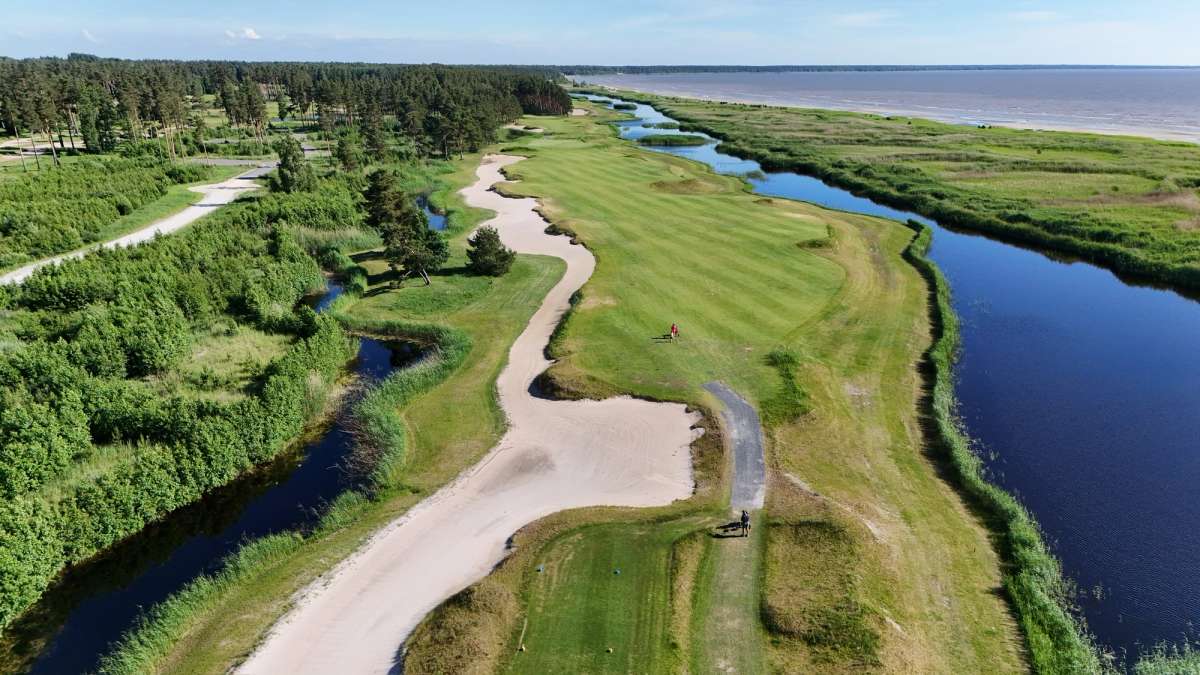
Europe's golf map stretches well beyond the famous names. Away from the links of Scotland and Ireland and the better-known resort destinations of Spain and Portugal, there are outstanding courses tucked into mountain valleys, Baltic coastlines and forests across the continent. From Switzerland to Estonia, these are courses that can be easy to overlook when planning a golf trip, despite offering the scenery, character and quality to make the journey worthwhile. We've picked 10 of Europe's biggest hidden gems, with every course coming from a different country. Andermatt Golf Course (Uri, Switzerland) Switzerland Ranking: 12th | Green Fees: From 130 CHF (€137) At around 1,400 metres above sea level, Andermatt Swiss Alps is surrounded by mountains, but the course itself is not quite the mountain layout you might expect. Designed by Kurt Rossknecht and opened in 2016, much of the 130-hectare course is relatively flat, with long rough lining the fairways and few trees giving it a links-like character. The third and fourth holes provide a dramatic change of pace, climbing through the rocky terrain at the end of the valley, while natural streams and water hazards feature elsewhere on the layout. The surroundings are impossible to ignore, with mountain ranges encircling the course and the sound of Alpine streams and grazing cows completing the experience. Pärnu Bay Golf Links (Pärnu Maakond, Estonia) Estonia Ranking: 1st | Continental Europe Ranking: 52nd | Green Fees: From €75 Estonia is hardly the first country that springs to mind when planning a European golf trip, which is precisely why Pärnu Bay Golf Links deserves a place on this list. Opened in 2015, the Lassi Pekka Tilander design occupies a narrow strip of sandy land where forest meets the Baltic Sea. Wide fairways, expansive waste areas and bold, multi-tiered greens give the course a links-like character, while the firm fescue surfaces reward a low, running game. Lead shaper Mick McShane, whose CV includes Kingsbarns, helped bring the design to life. Pärnu Bay may be off the beaten track, but it is one of the Baltics' standout layouts. Adamstal Golf Club - Championship Course (Niederösterreich, Austria) Austria Ranking: 1st | Continental Europe Ranking: 89th | Green Fees: €115 Tucked into a wooded valley southwest of Vienna, Adamstal feels a long way from the Austrian capital and even further from the usual European golf itinerary. Yet this spectacular mountain course has been Austria’s No. 1 on Top100’s national rankings and has hosted several editions of the Challenge Tour’s Euram Bank Open. Canadian architect Jeff Howes shaped the Championship course around the natural contours of the valley, with the 10th and 11th climbing into the mountains before dramatic elevated tees reveal the landscape below. The course even has a settle-the-bet 19th hole, a par three tucked into a pretty valley beside a mountain spring that has supplied Adamstal with drinking water for more than a century. Thracian Cliffs Golf & Beach Resort (Dobrich Province, Bulgaria) Bulgaria Ranking: 1st | Continental Europe Ranking: 43rd | Green Fees: €119 Perched on Bulgaria's northern Black Sea coast, Thracian Cliffs is one of Europe's most spectacular coastal golf courses. Gary Player’s signature design opened in 2011, with the holes carved along a narrow strip of land between high cliffs and the sea. The Black Sea is visible from every hole, while dramatic elevation changes add another dimension to the experience. The course hosted the 2013 World Match Play Championship, won by Graeme McDowell, and has featured prominently in Top100’s Continental Europe rankings. Alongside nearby BlackSeaRama and Lighthouse, Thracian Cliffs forms part of an unlikely but compelling golf destination on Bulgaria’s Black Sea coast. Zala Springs Golf Resort (Hungary) Hungary Ranking: 1st | Green Fees: 41,900 HUF (€114) Set among the rolling hills of western Hungary, Zala Springs combines a Robert Trent Jones Jr.-designed course with the thermal waters of nearby Hévíz. Opened in 2016, the 160-hectare layout winds through a landscape of lakes, natural rock formations and mature vegetation, with plenty of water coming into play. The 12th is among the standout holes, requiring an all-carry shot over an intimidating lake, while the ninth features a distinctive Biarritz green. Zala Springs is ranked Hungary’s No. 1 course by Top100 and offers something increasingly rare in modern golf: a high-quality course paired with a destination where golf is only part of the holiday. Kytäjä Golf – South East Course (Finland) Finland Ranking: 4th | Green Fees: From €90 Just 30 minutes north of Helsinki, Kytäjä's South East course offers a very different side of Finnish golf. Designed by Canadian architect Thomas McBroom and opened in 2003, it was his first Scandinavian project. The front nine winds through undulating woodland, before the back nine opens out across flatter terrain and towards the shores of Lake Kytäjä. Those lakeside holes provide some of the course’s most impressive views, with the surrounding Finnish landscape never far from sight. Kytäjä may be a relatively unfamiliar name to travelling golfers, but visitors are warmly received and there is plenty to discover. Karlštejn Golf Resort – A&B Course (Central Bohemian Region, Czechia) Czechia Ranking: 4th | Green Fees: From 1,900 CZK (€78) Golf in the grounds of a medieval castle is a pretty good way to spend a day in Czechia. Around 30 kilometres southwest of Prague, Karlštejn Golf Resort winds through a hilly, wooded landscape beneath the famous Karlštejn Castle, with limestone outcrops, ravines and a couple of lakes adding plenty of character. The 6,324-metre course was designed by Canadian architect Les Furber, who returned in 2006 to add a further nine holes. The original layout has also hosted a Ladies European Tour event, adding some serious pedigree to an otherwise wonderfully secluded setting. With Prague close by and the castle looming over the landscape, Karlštejn offers a memorable combination of golf and sightseeing. Golf Club Tále - Gray Bear Course (Slovakia) Slovakia Ranking: 3rd | Green Fees: From €75 Set in a mountain valley beneath the Low Tatras, Gray Bear was the first 18-hole championship course to open in Slovakia when it welcomed its first golfers in 2002. Designed by Americans Bob Walton and Skip Malek, the course occupies 160 acres of spruce forest within Tále National Park, weaving between open meadows and dense woodland. Streams, boulders, stone walls and specimen pines are incorporated throughout the layout, giving it a distinctly natural character. The 6th is the signature hole, with a stream crossing the fairway before the hole sweeps downhill towards a green surrounded on three sides by water. With the Low Tatras providing a dramatic backdrop throughout, Gray Bear is a memorable introduction to golf in Slovakia and an easy addition to a wider trip through the country. Golf Grad Otočec (Novo Mesto, Slovenia) Slovenia Ranking: 2nd | Green Fees: €80 Set among the heavily forested hills of Dolenjska, Grad Otočec winds through an undulating 185-acre property beside the River Krka. The course is a collaboration between Howard Swan and local architect Peter Škofic, with tight playing corridors creating an unusual sense of seclusion as the fairways twist through the woodland. The 3rd is a standout, with the par five turning towards a sunken, blind green, while the 12th stretches to 568 metres and demands three long, straight shots. Adding to the appeal, Otočec Castle sits nearby on an island in the river, giving visiting golfers the chance to stay in a genuine Slovenian castle after their round. Miklagard Golf (Viken, Norway) Norway Ranking: 2nd | Green Fees: From 850 NOK (€78) Just 10 minutes from Oslo Airport, Miklagard is remarkably convenient for a course of its stature. Robert Trent Jones Jr. designed it as Norway’s first championship course, with the layout purpose-built to host national and international tournaments. It is a big, bold test, with significant elevation changes, large bunkers and fast, contoured greens. A 2019 remodelling project added five new holes and reshaped the opening, while a hotel now occupies the former practice area. Its combination of accessibility, pedigree and championship credentials makes it an easy addition to a golf trip through Norway.

