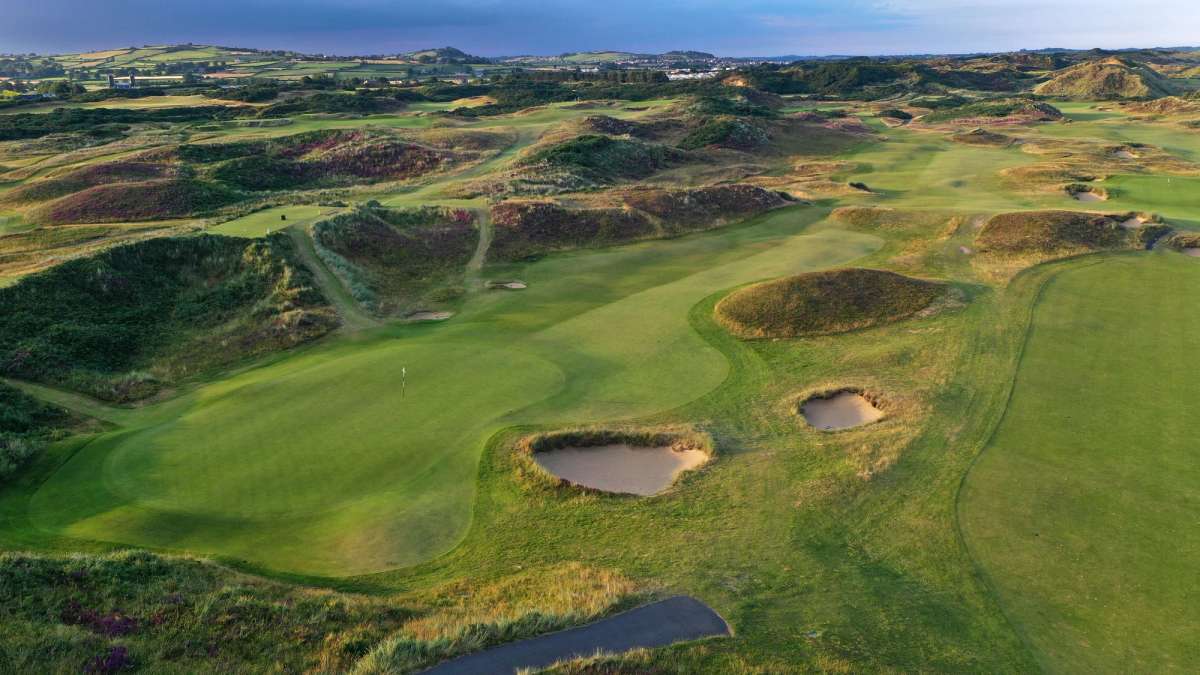
For golfers planning their first serious links trip, the choice often comes down to two destinations: Scotland or Ireland.
Both offer some of the finest links courses in the world, dramatic coastal landscapes, historic clubs and enough quality to fill several days without playing the same type of golf twice.
Scotland has the strongest claim to being the home of the game, with St Andrews, Muirfield, Carnoustie and Royal Dornoch among its headline acts. Ireland, meanwhile, can counter with Royal County Down, Royal Portrush, Ballybunion, Lahinch and Rosapenna.
There is no wrong answer. But if you only have one major links trip to make, which country should come first?
Scotland has an almost unfair collection of famous links.
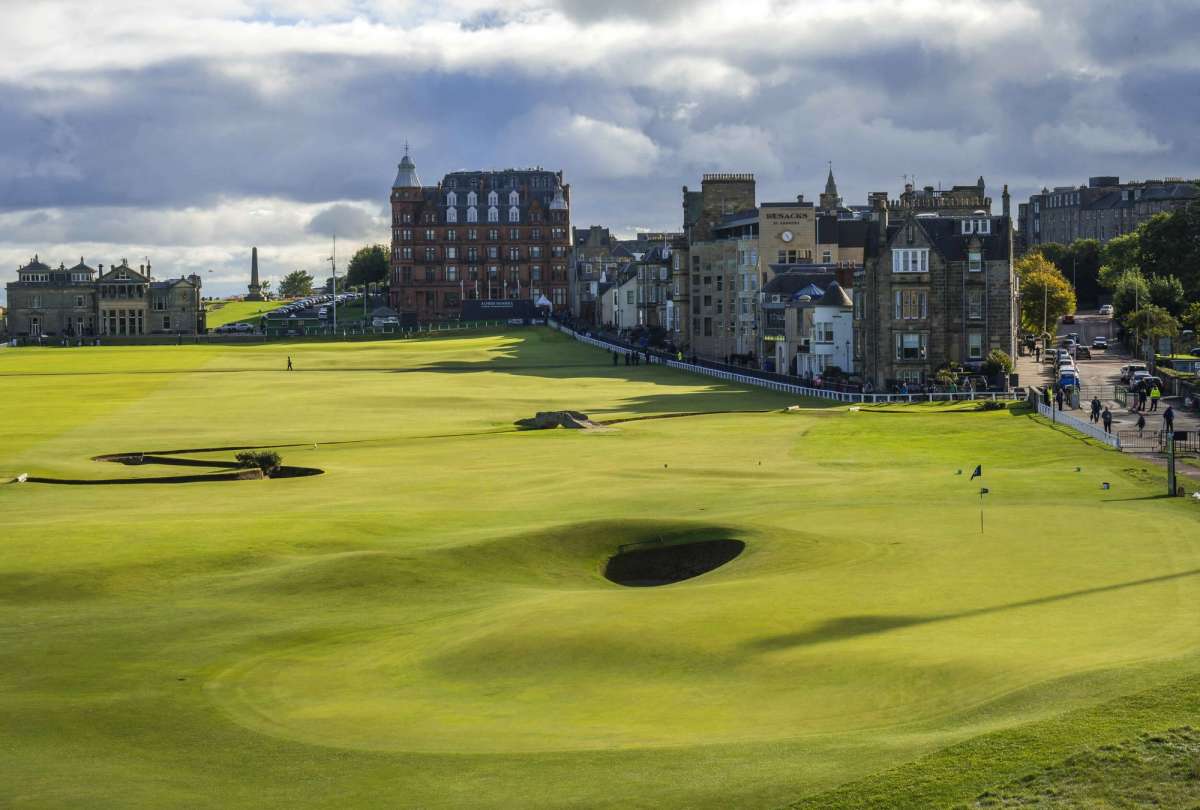
The Old Course at St Andrews remains the obvious pilgrimage, while Muirfield, Turnberry Ailsa, Royal Dornoch and Carnoustie provide four very different reasons to keep travelling beyond the Home of Golf. North Berwick and Kingsbarns add further depth, and there is no shortage of excellent options once you move away from the biggest names.
Ireland has an equally compelling collection.
Royal County Down’s Championship course currently sits at No.1 in the Top100 GB&I ranking, with Royal Portrush at No.3, Ballybunion, Lahinch and Rosapenna Golf Resort’s St Patrick's Links adding further heavyweight options.
That means neither country is short of a bucket-list course.
Scotland perhaps has the deeper bench of instantly recognisable names, but Ireland can comfortably match it at the very top.
Winner: Scotland
The character of the golf is one of the biggest differences between the two destinations.
Scotland gives you an extraordinary range of links experiences. The Old Course at St Andrews is steeped in history, Carnoustie has its fearsome reputation, Royal Dornoch delivers a more remote Highland setting, while North Berwick and Turnberry offer their own very different takes on seaside golf.
Ireland's great strength is the way its links interact with the landscape.
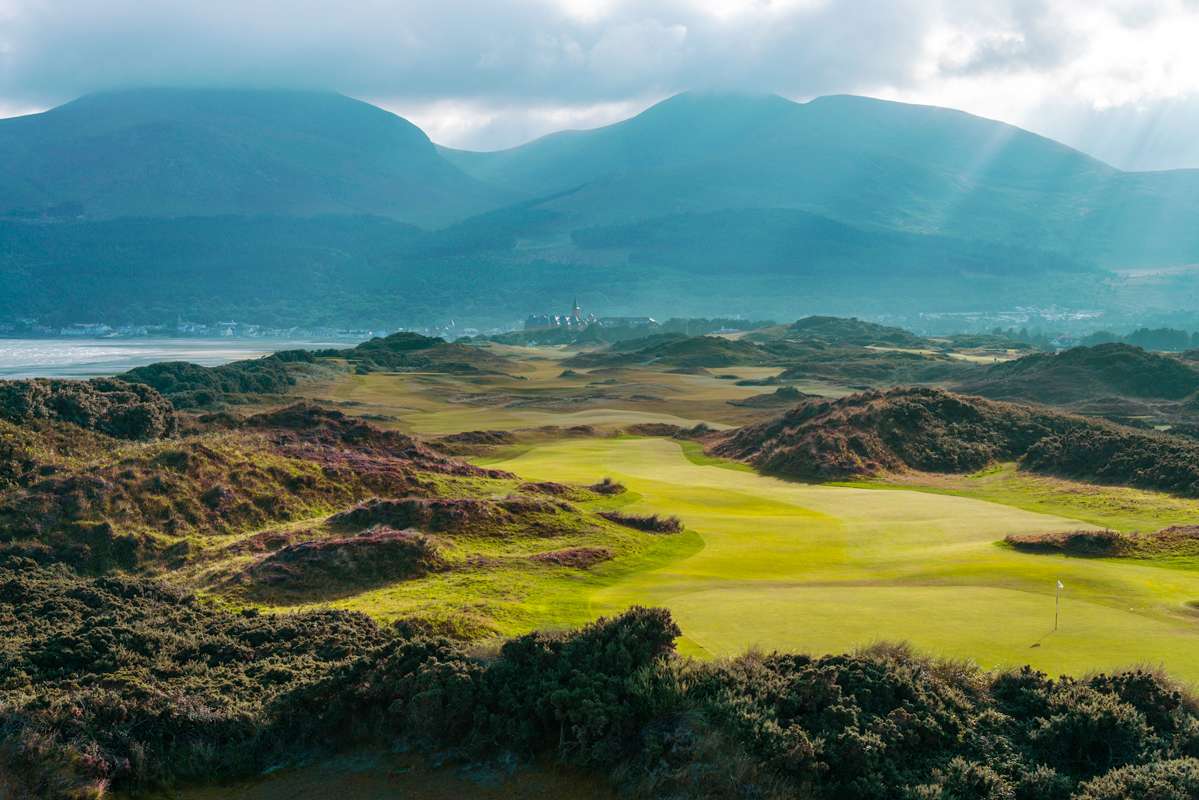
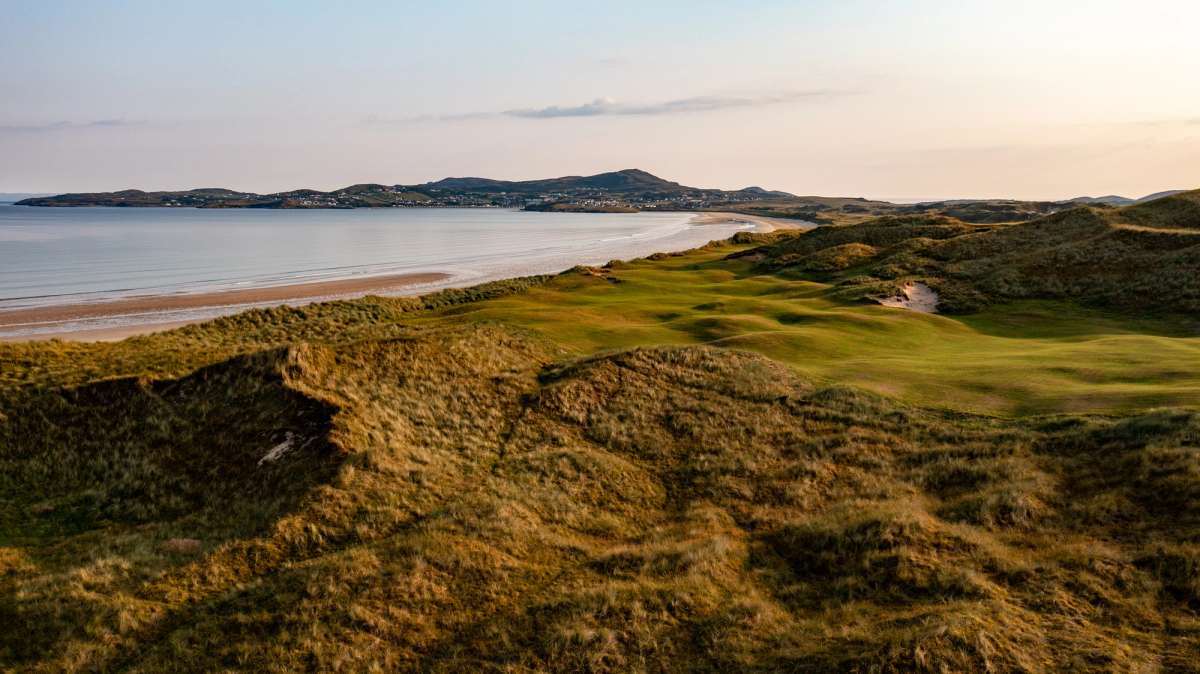
At Royal County Down, the Mountains of Mourne provide a spectacular backdrop. Royal Portrush winds through some of the biggest dunes in the British Isles, while Ballybunion, Lahinch and Rosapenna put the Atlantic firmly into the equation.
That doesn't necessarily make Ireland's golf better, but it does give many of its standout courses a particularly strong sense of place. The landscape is part of the experience of playing the course.
For golfers looking for variety, Scotland has the edge. For those who want their links golf to feel wild and dramatic, Ireland takes the cake.
Winner: Ireland

For the travelling golfer, the quality of individual courses is only half the equation. The other question is how easily you can string them together.
This is one of Scotland's greatest strengths.
A St Andrews trip can be built around the Old Course and supplemented by the six other courses at the St Andrews Links complex (New, Jubilee, Castle, Eden, Balgove, and Strathtyrum), alongside Kingsbarns Golf Links and Crail Golfing Society. An East Lothian trip can combine Muirfield with North Berwick, Gullane and Dunbar. Further west, the Ayrshire coast offers Turnberry, Royal Troon, Prestwick and Western Gailes.
Then there is the Highlands, where Royal Dornoch, Castle Stuart and Nairn provide the foundations for another outstanding trip.
Ireland has excellent clusters of its own. Dublin and the east coast provide several strong options, while the southwest combines Ballybunion, Lahinch and Waterville. Further north, Royal County Down and Royal Portrush provide the kind of double act that could justify an entire trip.
But Scotland gives you more ways to construct the itinerary.
You can build a four-day trip around one region or spend a week travelling between some of the game's most famous courses without running out of options.
Winner: Scotland
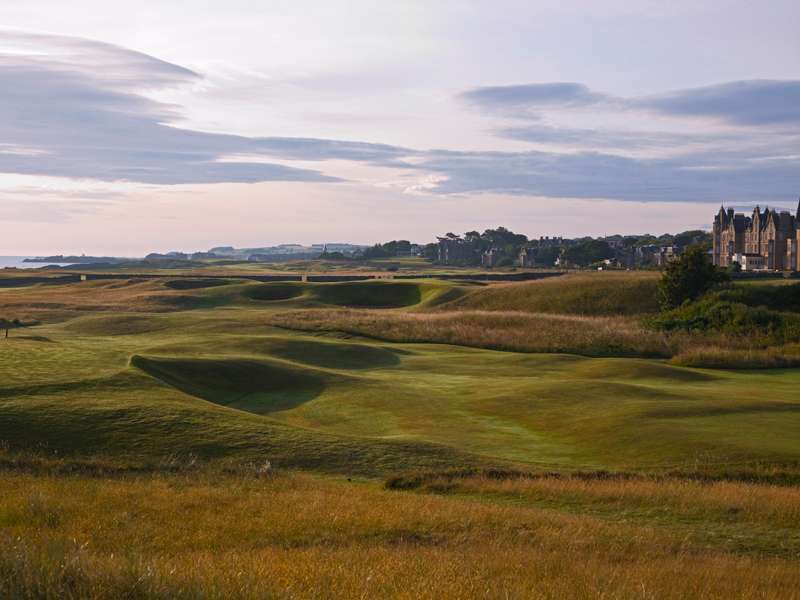
Both countries offer more than enough scenery to make the journey worthwhile, but they create very different kinds of golf trips.
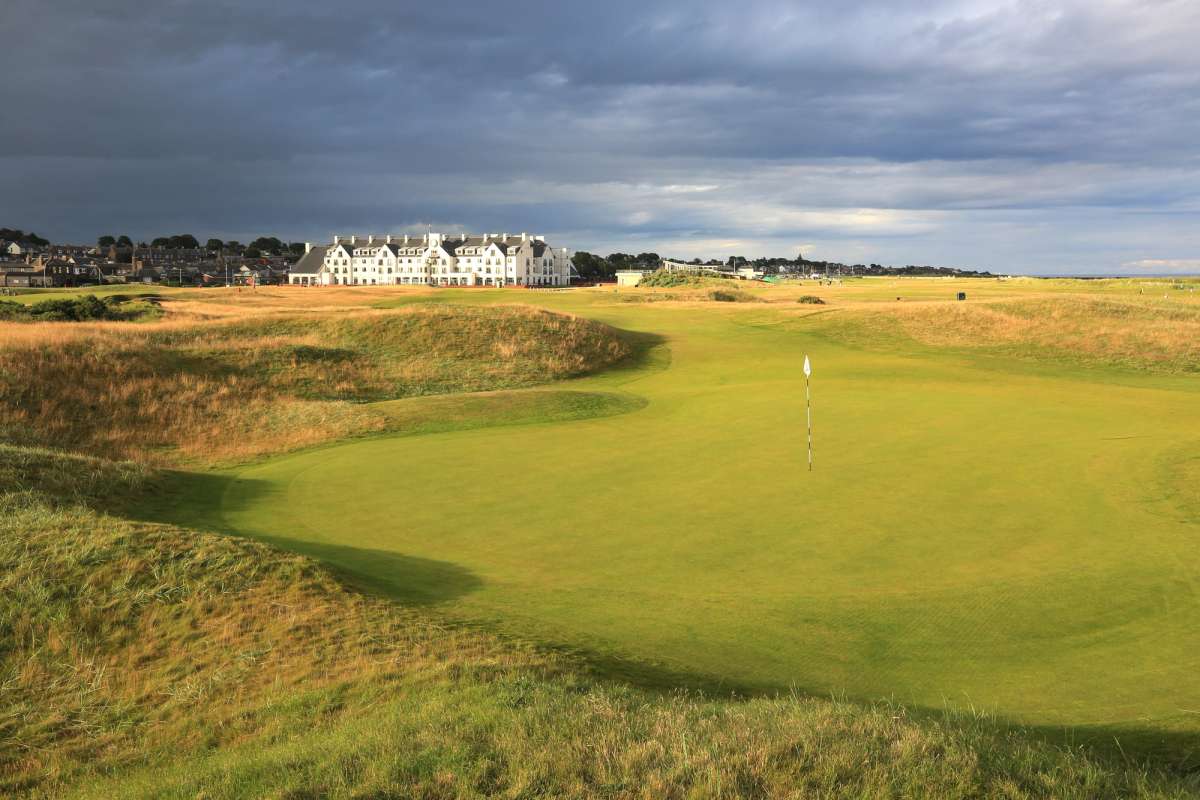
Scotland has the history and sense of occasion. A day at St Andrews can feel like a pilgrimage, while travelling through East Lothian or Ayrshire takes you between courses that have been part of the game for generations.
Ireland's appeal is slightly less about pilgrimage and more about exploration.
The best trips often involve following the coastline, travelling between small towns and remote clubs, and arriving at courses where the dunes and sea dominate the view. The golf can feel like part of a wider road trip, with the day's round followed by a trip to the pub to dissect it.
Scotland has the stronger sense of golfing history, but Ireland arguably offers the more rounded sense of adventure.
Winner: Ireland
Neither Scotland nor Ireland is a destination for the golfer looking for a bargain-basement holiday.
The headline courses can command substantial visitor fees, particularly during the summer, but neither country requires you to play the most expensive courses every day.
Scotland's depth is particularly useful, with an enormous range of courses allowing you to mix marquee names with excellent, less expensive links.
That depth also means you can build an itinerary around value rather than simply ticking off the most famous names.
Ireland competes strongly, particularly if you are prepared to venture beyond its biggest tourist destinations. But Scotland's sheer number of quality options makes it easier to put together a varied trip without paying a premium every day.
Winner: Scotland
For your first links trip, choose Scotland.
It has the history, depth, variety and concentration of world-class courses to make almost any itinerary work.
The Old Course alone is enough to justify the journey, but Scotland's greatest strength is what comes after it. There are enough outstanding links to turn one trip into several without simply repeating the same experience.
Ireland is the destination to choose when you want something a little more adventurous.
Its great links are often dramatic, windswept and surrounded by scenery that can be as memorable as the golf itself. Royal County Down, Royal Portrush, Ballybunion, Lahinch and Rosapenna form an extraordinary collection, and the wider experience of travelling around the island only adds to the appeal.
So Scotland wins the first-trip argument. But once you've made the journey, Ireland won't be far behind on the list.
Scotland is home to some of the most famous golf courses in the world, but playing them during the peak season isn't as simple as picking a date and booking a tee time. In this guide, Top100 breaks down how far in advance you should book your Scottish golf trip, highlighting the courses you should target at 12–18 months, 9–12 months, six months and three months out. 12–18 Months Muirfield – Honourable Company of Edinburgh Golfers The second-ranked golf course in Scotland, Muirfield has hosted 16 Open Championships and remains one of the country's ultimate bucket-list destinations for avid golfers. It is also a prime example of why planning well in advance is essential when building a Scottish golf trip. Muirfield's visitor booking process is unusually structured. For 2027, the diary for independent golfers opened on March 18, 2026, and closed on March 27, with applications accepted only during that window. Visiting golfers could submit up to three preferred dates, with only one application permitted per group. Another important consideration for groups wanting to play Muirfield is that, during the peak months of May to September, the club does not accept bookings for singles, two-balls or three-balls. Smaller groups can instead join a waiting list in the hope that a fourball becomes available through a cancellation. If Muirfield is non-negotiable on your Scottish golf bucket list, it should be one of the first things your group books – even before flights and accommodation. Royal Dornoch Golf Club – Championship Course Regularly ranked among the finest golf courses in the world, Royal Dornoch's Championship Course is another Scottish bucket-list destination where the "book it when the diary opens" mentality is justified. The demand for tee times is enormous. When Royal Dornoch opened its 2027 tee sheet in May 2026, the club revealed that summer availability for 2026 was already extremely limited, with the remaining vacant fourball slots falling late in the afternoon. More than 13,000 rounds are allocated to visiting golfers each year, but the course's global reputation means those tee times are in huge demand. Booking applications are only accepted by email and processed in chronological order. The club itself advises golfers to look ahead when planning a trip to Dornoch, and with demand showing little sign of slowing, leaving it until six or three months before your trip is a gamble. If Royal Dornoch is a priority for your trip, it should be one of the first tee times you secure. St Andrews Links – Old Course No Scottish golf trip is complete without discussing the Old Course at St Andrews, but unlike Muirfield and Royal Dornoch, getting a tee time at the Home of Golf requires a slightly different approach. Your best chance of securing an advance reservation for the Old Course is by submitting an application through the St Andrews Links Trust annual advance reservation process, which typically opens at the beginning of September for the following year. At least two golfers are required in each group, with a maximum of eight. You don’t necessarily need to secure a confirmed Old Course tee time 12–18 months in advance, as golfers who miss out on an advance reservation can still enter the highly competitive 48-hour ballot or explore other last-minute availability. If you want to save yourself the stress of applying for a tee time at the Home of Golf, there are also a number of authorised providers – including golf tour operators and local accommodation providers – offering packages throughout the high season that include guaranteed Old Course tee times. 9–12 months Kingsbarns Golf Links Situated just six miles from St Andrews, Kingsbarns Golf Links is one of Scotland's most celebrated modern links. Designed by Kyle Phillips, the course makes the most of its spectacular coastal setting, with the North Sea visible from almost every hole. Kingsbarns' reputation has continued to grow since opening, with the course now co-hosting the annual Alfred Dunhill Links Championship alongside the Old Course at St Andrews and Carnoustie. Its popularity, however, means golfers planning to play during the peak summer months should think about their tee time well in advance. Advance booking is highly recommended by the club to guarantee your place. While Kingsbarns does offer a last-minute online booking service, tee times are only released a maximum of three days in advance and are available at the full rack rate. Nine to 12 months out is a sensible target for Kingsbarns. Its proximity to St Andrews also makes it particularly important to book early if you're hoping to combine the two in the same trip. Carnoustie Golf Links – Championship Course One of the most famous and challenging links courses in the world, Carnoustie's Championship Course is a key addition to any Scottish golf itinerary. Having hosted eight Open Championships, including Francesco Molinari's memorable victory in 2018, its reputation means tee times during the peak season are highly sought after. Unlike some of Scotland's most exclusive courses, Carnoustie offers visitors a number of ways to secure a tee time, with bookings available directly through the club. However, if you're planning to play during the busiest summer months, leaving your round until the final few weeks of your trip is a risk. For a peak-season trip, booking Carnoustie's Championship Course early is particularly important if you want a preferred morning tee time or are travelling as a larger group. Royal Troon Golf Club – Old A regular fixture on the Open Championship rota, Royal Troon's Old Course is another of Scotland's most sought-after links and a natural target for golfers planning a trip during the summer months. The course has hosted the Open nine times, most recently in 2024, and its reputation means popular tee times can be snapped up well in advance. Royal Troon offers more flexibility than some of Scotland's most difficult courses to access, with its visitor season running from mid-April to October. However, visitor tee times are limited to Mondays, Tuesdays and Thursdays, making it worth securing your round well ahead of a peak-season trip. The club also opens its diary well ahead of the playing season. For a peak-season trip, securing your preferred date early is the safest approach, particularly given the limited days available to visitors. Turnberry – Ailsa One of Scotland's most recognisable links, the Ailsa Course at Turnberry combines a rich Open Championship history with one of the most dramatic coastal settings in the country. Perched on the Ayrshire coast with views across to the Isle of Arran, the course has hosted four Open Championships and remains a bucket-list round for many visiting golfers. Turnberry offers visitor tee times throughout the season, but demand for the Ailsa is high during the summer, particularly for the most desirable morning times. Booking Turnberry’s Ailsa Course early gives you the best chance of securing your preferred date and tee time rather than relying on availability closer to your trip. 6 months Once you've secured the headline rounds on your itinerary, six months out is a good time to start filling in the rest of your trip. The courses in this category are still highly regarded and can be extremely popular during the summer, but generally offer more flexibility than the likes of Muirfield, Royal Dornoch or the Old Course at St Andrews. For a trip during the peak months, courses such as Gullane No. 1, Dumbarnie Links, Crail, Elie, Prestwick, Western Gailes, Nairn, North Berwick and Dunbar, as well as the New, Jubilee and Castle Courses at St Andrews, are well worth targeting. These courses can form the backbone of a fantastic itinerary, particularly if you're looking to experience a mix of famous championship layouts and traditional Scottish links. Six months out is also when location should start influencing your planning, with courses viewed as part of a wider itinerary. A trip based around St Andrews, for example, gives you access to Crail, Elie, Dumbarnie and the three St Andrews Links courses, while an East Lothian trip opens up Gullane, North Berwick and Dunbar. Further west, Prestwick and Western Gailes can be combined with Royal Troon and other Ayrshire links. At six months, you should still have a good selection of tee times available, but peak-season mornings and the most desirable days can begin to disappear. If there's a particular course in this category that is a must-play, don't assume you'll be able to pick it up at the last minute. Six months is a good balance between having plenty of choice and not needing to plan your entire Scottish golf adventure a year or more in advance. 3 Months Three months out is where you can start to take a more flexible approach to your Scottish golf itinerary. By this stage, the headline rounds should ideally be secured, but there are still plenty of excellent options for filling out your itinerary closer to your trip. If you haven't planned anything yet, don't panic – Scotland is full of authentic, characterful golf courses that don't require a year of advance planning. Courses such as Leven Links, Lundin Links, The Glen, Dunbar, Panmure, Montrose, Ladybank, Machrihanish, Musselburgh and Gailes offer plenty of variety, from traditional links with centuries of history to lesser-known hidden gems that could provide some of the most enjoyable rounds of the trip. This is also the point where flexibility becomes your biggest advantage. If you're happy to play in the afternoon, move between days or travel a little further from your base, you'll generally have more options. It can also be worth checking courses regularly for cancellations, particularly if there's a specific course you'd like to add to the itinerary. Don't mistake three months out for "leave everything until the last minute", though. Peak-season tee times at popular courses can still disappear, particularly for larger groups. If one of these courses is a must-play, book it once you've settled on your itinerary rather than assuming you'll find a tee time a few weeks before travelling. The good news is that you don't need to plan every round of a Scottish golf trip 18 months in advance. Identify the courses you simply can't miss and secure those first, before using the months that follow to build out the rest of your itinerary. With a little flexibility, even a trip planned just three months out can still feature some of Scotland's most authentic and enjoyable golf.

Ireland holds roughly a quarter of all natural links courses in the world, and the quality runs astonishingly deep. From the towering dunes of Donegal to the Atlantic-battered coastline of County Kerry, the island offers a concentration of world-class golf that rivals anywhere on the planet. Six Irish courses currently sit in the World Top 100, and more than twenty contend for places in the GB&I Top 100 — a depth bettered only by England and Scotland. See the Island of Ireland Ranking See the Republic of Ireland Ranking See the Northern Ireland Ranking Top 100 Golf Courses has ranked Ireland's golf courses biennially since 2006, tracking two decades of evolution across the Republic's twenty-six counties and, separately, Northern Ireland's six. That ongoing process has charted the rise of new architectural masterpieces, multi-million euro renovations, and the enduring dominance of courses that have occupied the summit since rankings began. 2026 Republic of Ireland Update Ballybunion Old, Lahinch Old, Rosapenna St Patrick's Links and Portmarnock all hold their positions, reinforcing two decades of consistency at the summit. Four Republic of Ireland courses sit in the World Top 100, and sixteen feature in the GB&I Top 100 — a depth that underlines the country's status as one of the premier golf destinations on the planet. Brittas Bay Club (formerly The European Club) has been removed while its comprehensive Kyle Phillips redesign takes shape ahead of a planned 2027 reopening. Curracloe Links, a potential future game-changer for the Republic, is also flagged as one to watch but remains outside the current rankings. ⬆️ The Rising Stars Portsalon is the headline climber. Situated on a remote stretch of County Donegal coastline, Portsalon's rise further strengthens the county's extraordinary concentration of quality, with five Donegal courses now in the Republic's top twenty-five. Ballyliffin Old continues to gain recognition and climbs to seventeenth. The K Club Palmer North also rises. Carne, Tralee, Enniscrone, Narin & Portnoo, Rosapenna Old Tom Morris and Galway Bay all rise - in part due to The European Club being removed. ⬇️ Notable Adjustments Adare Manor slips three places to fourteen — a reflection of the updated criteria's emphasis on the golf itself rather than resort polish, though the Tom Fazio redesign remains Ireland's premier parkland course and 2027 Ryder Cup venue. Old Head drops four to 21, while Cork eases two places to twenty-four. 🏆 Irish Rankings - A Historical Glance The Unchanging Summit Ballybunion Old has held the number one position in the Republic of Ireland rankings since the inaugural 2006 edition — an unbroken twenty-year reign. Largely anonymous until Tom Simpson and Molly Gourlay's 1930s intervention, the course gained worldwide prominence after Tom Watson's famous visit in 1981. A major greens replacement project by Atlantic Golf Construction, overseen by architect Graeme Webster, has only strengthened its standing. Lahinch Old, Waterville, The European Club and Portmarnock have been near-permanent fixtures in the upper reaches. For fourteen consecutive years, gaining entry to the top five was, as our 2020 article noted, "a very tough nut to crack." ⬆️ The Course That Broke Through That changed dramatically in 2022 when Rosapenna St Patrick's Links crashed into the rankings at number three — the highest new entry in the history of our Ireland listings. Designed by Tom Doak of Renaissance Golf Design with lead associate Eric Everson, Clyde Johnson and Angela Moser, the course was built on 300 acres of spectacular Donegal dunescape previously occupied by two mediocre layouts. Opened in 2021, it immediately rewrote the top-five hierarchy. 🌍 Ireland's World-Class Depth The island's representation at the highest levels of world golf is remarkable. Six courses — Royal County Down, Royal Portrush Dunluce, Ballybunion Old, Lahinch, Rosapenna St Patrick's and Portmarnock — all feature in the World Top 100. The overwhelming character is links golf. Ireland's Atlantic-facing coastlines provide the ideal combination of sandy soil, undulating terrain and prevailing wind that defines the links game at its purest. Adare Manor breaks the mould as the top-ranked parkland entry, demonstrating that world-class inland golf also has its place on the island. County Kerry and County Donegal dominate the upper reaches of the rankings, but quality is genuinely distributed. Dublin's links courses — Portmarnock, The Island, Royal Dublin, and County Louth — provide accessible world-class golf close to the capital. The west coast, from County Sligo to Enniscrone to Carne, offers some of the most naturally dramatic links terrain anywhere. And the hidden gems — Cruit Island, Dunfanaghy, Strandhill — continue to climb as more golfers discover their charms. What the Rankings Tell Us Consistency at the Summit Ballybunion Old's twenty-year hold on the top position is extraordinary by any measure. The same small group of courses — Ballybunion, Lahinch, Waterville, Portmarnock, The European Club — have anchored the top tier since 2006, with only Rosapenna St Patrick's managing to break the stranglehold. This stability reflects the enduring quality of Ireland's classic links designs, many of which trace their architectural lineage through Tom Simpson, Alister MacKenzie, Old Tom Morris and Harry Colt. The Donegal Renaissance County Donegal has emerged as perhaps the most exciting golfing region in Ireland. The arrival of Rosapenna St Patrick's transformed the county's reputation, but the story is broader. Narin & Portnoo's Hanse-Wagner reimagination, the steady rise of Rosapenna's Old Tom Morris course, the cult appeal of Cruit Island, and the rediscovery of Dunfanaghy have collectively established Donegal as a destination to rival Kerry and Clare. Architecture Driving Change The biggest ranking movements have consistently been driven by architectural intervention. Tom Fazio's work at Adare Manor, Tom Doak's creation at St Patrick's Links, Gil Hanse and Jim Wagner's remodelling at Narin & Portnoo, and Mackenzie & Ebert's master plan at The Island all demonstrate that thoughtful design investment — whether building new or reimagining existing layouts — is the most reliable path to ranking advancement. The Authentic Links Resurgence Shorter, quirkier courses with genuine strategic interest have gained ground, while lavish resort courses, though still excellent places to visit, have seen their rankings adjust. As the new criteria emphasises, budget size has not been the deciding factor, but rather memorable, engaging golf is what matters. 📅 A Decade of Growth: 2010–2025 2010: Your Top 100 — The People's Rankings The 2010 "Your Top 100 Golf Courses in Ireland" was a distinctive edition — a crowd-sourced ranking based entirely on player review ratings rather than the dedicated panellist approach used in other years. Published alongside companion lists for Scotland, England and Wales, it was part of a wider "Your Britain & Ireland Top 100" exercise that number-crunched thousands of golf ball ratings submitted by the Top100 community. The European Club, Tralee, Ballybunion Old and Rosapenna Sandy Hills all featured prominently in the combined GB&I list. 2012: The Republic's Own Top 100 The dedicated Republic of Ireland Top 100 was updated with Ballybunion Old maintaining its familiar position at the summit, continuing the dominance established in 2006. The established order remained largely intact, with the same core group of links courses holding the upper tier. 2014: Stability and Steady Progress The 2014 update continued the biennial cycle with Ballybunion Old once again unchallenged at number one. The top five remained the same handful of courses that had occupied those positions since the rankings began, reinforcing the extraordinary consistency at the summit of Irish golf. 2018: The Seventh Biennial Revision The 2018 edition brought seven new entries into the Top 100. Notably, Adare Manor was absent from the table, its course closed and under complete reconstruction as the Tom Fazio redesign took shape. 2020: Adare Manor Returns and Seven Newcomers The headline story was unmistakable: Adare Manor's re-emergence at number fourteen following its multi-million euro Tom Fazio transformation. The old Robert Trent Jones Sr. course had been entirely replaced, with Atlantic Golf Construction installing new drainage, new greens and sand-capped fairways to create what is now one of the best-maintained courses in all of Ireland. The Ryder Cup 2027 announcement added further lustre. Seven new entries in total, with Hogs Head the highest newcomer at thirty-four Luttrellstown Castle climbed eight places to forty-eight, entering the national top fifty for the first time Cruit Island surged fifteen places to sixty-five, gaining cult status among visiting golfers Royal Dublin rose four places to twenty-three, with Clayton, DeVries & Pont appointed for a bunker renovation 2022: Rosapenna St Patrick's Crashes the Top Five The ninth biennial revision produced the most dramatic shake-up in the rankings' history. Tom Doak's Rosapenna St Patrick's Links entered at number three — the first course to crack the established top-five fortress since rankings began. Narin & Portnoo climbed ten places to eighteen after its Hanse-Wagner reimagination. Further down, Cruit Island continued its rise (up twelve to fifty-three), Dunfanaghy surged twenty-six places to seventy-four, and Woodenbridge climbed twelve to seventy-one. 2025: New Criteria, New Philosophy The most recent update applied revised evaluation criteria that emphasised authentic golfing experiences over resort polish. Fifteen courses moved up five or more places. Traditional links courses rose sharply; parkland resort courses adjusted downward. Rosapenna Old Tom Morris broke into the top thirty, Royal Dublin into the top twenty, and the rankings signalled a clear direction: exciting, strategic golf — regardless of budget or amenities — is what defines Ireland's best. 🔭 Looking Ahead The comprehensive 2026 GB&I ranking overhaul, currently underway, will reassess every course across Britain and Ireland under updated criteria. The Ireland results are expected later this spring and will provide the most thorough evaluation yet of the island's golfing credentials. Several developments are worth watching. Brittas Bay Club — the Kyle Phillips redesign of Pat Ruddy's European Club — is set to reopen in 2027 with improved playability, expanded sea views and restored native ecosystems. The continued maturation of Rosapenna St Patrick's Links is widely regarded as still having significant upside. And with the Ryder Cup arriving at Adare Manor in 2027, the spotlight on Irish golf has never been brighter. Ballybunion Cashen continues enhancement work, and Rosapenna's Old Tom Morris course is gaining traction with every season. The depth of talent across Ireland's 400+ golf courses means the competition for ranking places will only intensify.

Scotland is the Home of Golf. No qualifier needed, no debate to be had. The game has been woven into the sporting fabric of this country since King James II famously banned it by Act of Parliament in 1457 — and golfers have been ignoring that sentiment ever since. From the ancient links at St Andrews and Carnoustie to the remote splendour of Royal Dornoch and the dramatic clifftops of Ardfin, Scotland's best golf courses represent the most compelling collection anywhere on the planet. Our Top 100 Golf Courses of Scotland ranking has charted the evolution of Scottish golf since 2009, capturing everything from new course openings and dramatic ranking shifts to a fundamental rethink of what makes a great Scottish golf course. See the 2026 Scotland Rankings 🏴 Scotland Top 100 Golf Courses 2026 — Key Updates & Takeaways 2026 is the most significant update in the ranking's history, a complete overhaul that went far beyond shuffling positions. A brand new panel, a new Panel Lead, and updated guidance, all combined to create what is essentially a new ranking built from the ground up. Golf Union boundaries gave way to intuitive geographic regions, making the ranking far more useful for international visitors planning golf trips. 🆕 Twelve new entries make this a landmark update. This is the most significant refresh in recent memory, with a dozen courses earning places in the ranking for the first time. The new arrivals span the full spectrum of Scottish golf — from Cabot Highlands Old Petty making an immediate high-profile impact, to hidden gems like Durness, Reay, and Leven Links finally getting the national recognition they deserve. ⛳ The Cabot effect continues. Cabot Highlands Old Petty debuts in the top 20, joining stablemate Castle Stuart, already established in the upper echelons. The Highland portfolio is now one of the most formidable collections in Scottish golf, cementing the region's status as a must-visit destination. 🏌️ Trump International (New Course) earns its place. The second course at Trump International Scotland enters the ranking for the first time, giving Aberdeenshire its fourth-ranked layout and affirming the estate's growing reputation as a serious two-course venue. 📈 Lanark is the ranking's standout mover. No course climbs further in this edition than Lanark Golf Club, which surges dramatically to sit comfortably inside the top 35. 🌊 Kilmarnock (Barassie) and St Andrews Eden make major strides Both courses make significant upward moves. 📉 Some established names slip back. Spey Valley, Gleneagles (PGA Centenary), and Trump Turnberry (King Robert the Bruce) are the most notable fallers. Archerfield's two layouts also retreat, as does St Andrews Castle Course. This is a reflection of increased competition across the ranking rather than any diminishment in quality. 🏙️ Edinburgh & Lothians floods the lower half with new entries An extraordinary six new courses from the Edinburgh & Lothians region enter the list, including Musselburgh (Old), Royal Musselburgh, Duddingston, Craigielaw, Braid Hills, and Gullane No.3. The region now boasts one of the largest presences in the full 100, reinforcing its status as a world-class golf destination on the doorstep of a capital city. 🔄 Ten courses drop to candidate status: Taymouth Castle, both Fairmont St Andrews layouts, the Fairmont Kittocks, Duff House Royal, Moray (New), Grantown on Spey, Glen, Mortonhall, and Newburgh-on-Ythan all fall outside the ranked 100. A further tightening at the margins reflects just how competitive Scottish golf has become. 🗺️ The Highlands continue their rise as a ranked powerhouse. With new entries at Durness and Reay joining an already strong Highland contingent, the far north of Scotland is now better represented in the ranking than ever before. It is a compelling destination for golfers to explore beyond the traditional hotspots. 🏴 A Decade and a Half of Scottish Golf Rankings: 2009–2025 The Inaugural Rankings The earliest Top 100 Scotland rankings reflected what many travelling golfers already believed — the Open Championship circuit dominated the upper reaches. Turnberry's Ailsa course, fresh from hosting Tom Watson's dramatic near-miss at the 2009 Open, claimed the number one position. The Old Course at St Andrews sat at number two, followed by Kingsbarns, Royal Dornoch, and Royal Aberdeen. Muirfield, despite its storied championship pedigree, sat at number seven behind Carnoustie. The 2010 reviewer rankings provided an early snapshot of golfer sentiment, with Machrihanish, Cruden Bay, and North Berwick (West) all earning places in the top 12 — courses whose stock would only continue to rise in the years ahead. 2012: The Old Course Takes the Crown The Old Course at St Andrews claimed the number one position in 2012, overtaking Turnberry — a shift that would prove enduring. The rankings during this period solidified a familiar top tier: St Andrews, Turnberry, Muirfield, Royal Dornoch, and Carnoustie jostling for position while Kingsbarns and North Berwick maintained their strong presence. 2014–2018: New Arrivals, Shifting Tastes Trump International (Aberdeen) — Martin Hawtree's championship links across the Menie Estate dunes — entered the rankings during this period, while Ardfin began its remarkable ascent. Bob Harrison's clifftop layout on the Isle of Jura, completed in 2017 after six years of construction, offered something genuinely unlike anything else in Scottish golf and generated immediate panellist enthusiasm. North Berwick's stock continued to rise throughout this era, reflecting a broader shift in course appreciation. The increasing appetite for quirky, characterful links over immaculately presented but strategically less interesting layouts was becoming a defining theme. 2020: Subtle Shifts at the Summit By 2020, Muirfield's steady rise continued while the Old Course slipped one place to number two — a rare movement at the summit. Ardfin broke into the top 10, confirming that a private island estate layout could compete with centuries-old championship links on pure quality. Further down the chart, courses like Tain benefited from proactive improvement work, rising after implementing bunker and gorse clearance projects. 2022: Dumbarnie Arrives, Depth Grows The 2022 update delivered Dumbarnie Links as the headline new entry, arriving at number 17 — the highest debut for a new course in the ranking's history. Clive Clark's design on Largo Bay in Fife opened in 2020 and quickly proved its championship credentials by hosting the Women's Scottish Open. Panellist and reviewer reaction was uniformly positive, praising its playability, scenic drama, and green complexes. Three further new entries appeared at the foot of the chart: Gullane No.3 (a re-entry from earlier rankings), Cathkin Braes, and Cawder Championship. The ranking confirmed that Scotland's golf scene remained dynamic, with quality emerging at every level. 2025 Major Update A new hierarchical methodology brought greater rigour: the World Panel determines Scotland's top 13 courses (placing them in global context), the GB&I Panel establishes positions 14–28, and the dedicated Scottish Panel focuses on courses ranked 29 onwards, applying deep regional knowledge. At the top, the Old Course at St Andrews reigned supreme. Muirfield overtook Trump Turnberry Ailsa for second place, while Carnoustie edged past North Berwick. Ardfin consolidated its top 10 position with a further rise, while Royal Aberdeen dropped out of the top 10 — though it remained comfortably inside the World Top 100. The philosophy shift was the real story. Courses once overlooked for being "too quirky" or unconventional have climbed significantly. Askernish — raw, rugged, maintained partly by sheep, and dividing opinion like few courses in Britain — became the biggest riser. Murcar, Machrihanish, Golspie, and Longniddry all surged upward, rewarded for authentic character over polish. Ten new entries reflected the changed criteria: Pitlochry, Shiskine, Dunaverty, Royal Troon Portland, Carnoustie Burnside, Grantown-on-Spey, Arbroath, Elgin, Newburgh-on-Ythan, and Paisley — several representing precisely the kind of characterful, accessible Scottish golf the new panel wanted to celebrate. Resort-style courses that prioritised presentation over playability saw their positions slide: The Duke's (now Craigtoun), Gleneagles PGA Centenary, Fairmont St Andrews, and Archerfield all dropped. What the Rankings Tell Us The Unchanging Elite Across every iteration since 2009, a core group of Scottish courses has never strayed far from the summit. The Old Course at St Andrews, Muirfield, Royal Dornoch, Turnberry Ailsa, Carnoustie, and North Berwick represent an elite tier where movement is measured in single positions rather than dramatic swings. Their combination of championship heritage, architectural quality, and sheer memorability ensures enduring recognition regardless of panel composition or methodology. Authenticity Over Presentation The 2025 major update crystallised a shift that had been building for years. Scotland's ranking increasingly rewards courses that embrace the landscape rather than fight it — natural links where creativity and strategic thinking matter more than manicured presentation. In 2025, Askernish's rise embodied this philosophy, but the same principle underpins gains for Machrihanish, Golspie, Brora, and the island courses. Modern Courses Earning Their Place From Castle Stuart's rapid rise in the early 2010s to Dumbarnie's headline-grabbing 2022 debut and Ardfin's extraordinary climb into the world rankings, Scotland continues to produce new courses worthy of standing alongside centuries-old giants. With Cabot Highlands Old Petty (Tom Doak's design on the site of the former Castle Stuart) and the New Trump Aberdeen course, the pipeline remains strong. The Depth is Unmatched No country on earth, except England, can match Scotland's concentration of quality golf. Explore the full Top 100 Golf Courses of Scotland ranking and discover the courses worth travelling for.

