
From Augusta National and Cypress Point to Royal Melbourne, famed golf architect Alister MacKenzie designed some of the most revered courses in the sport. But many of his most famous creations are private or notoriously difficult to access.
His influence stretches from Yorkshire to California, Australia and Ireland, with courses across the globe still ranking among the most admired and enjoyable in the world. Some remain remarkably close to his original vision; others have evolved over generations while retaining his unmistakable influence.
This list brings together 10 of the best MacKenzie courses around the world that visiting golfers can play, encompassing original designs as well as influential collaborations and redesigns.
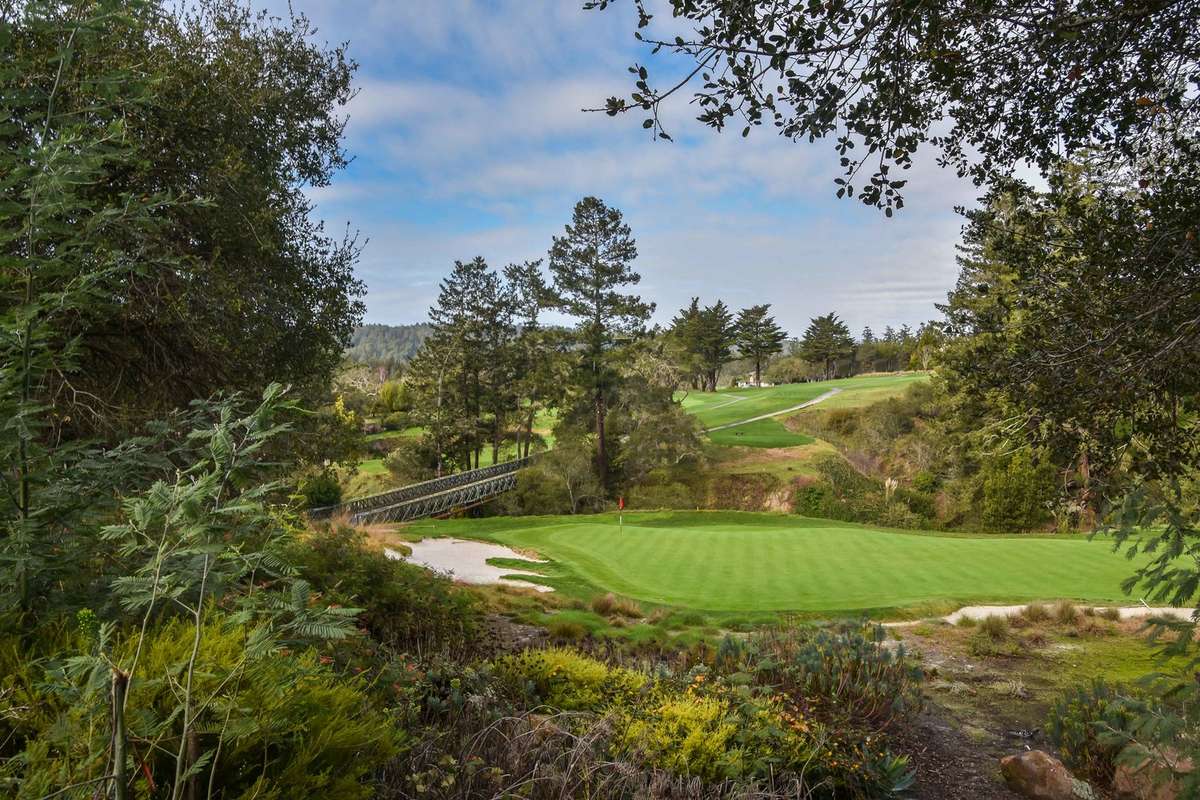
There is perhaps no more fitting place to begin. Pasatiempo was MacKenzie's American home and, according to the club, his favourite course. He lived beside the sixth fairway and remained closely involved until his death in 1934.
The course has plenty of history, but it remains a thoroughly enjoyable test for visiting golfers. The front nine winds through the trees before the routing becomes more dramatic on the back nine, where deep barrancas and undulating terrain come into play.
A major restoration completed in 2024 returned the greens and bunkers closer to their original forms. Although Pasatiempo is a semi-private club, visiting golfers can book two types of tee times through the club's online booking system – regular, available up to a week in advance, and priority, available up to a year in advance.
For golfers looking to experience one of California's great courses without the price tag of Pebble Beach, Pasatiempo offers a rare chance to play a genuine piece of Golden Age golf.
Green Fees: $465 (£344)
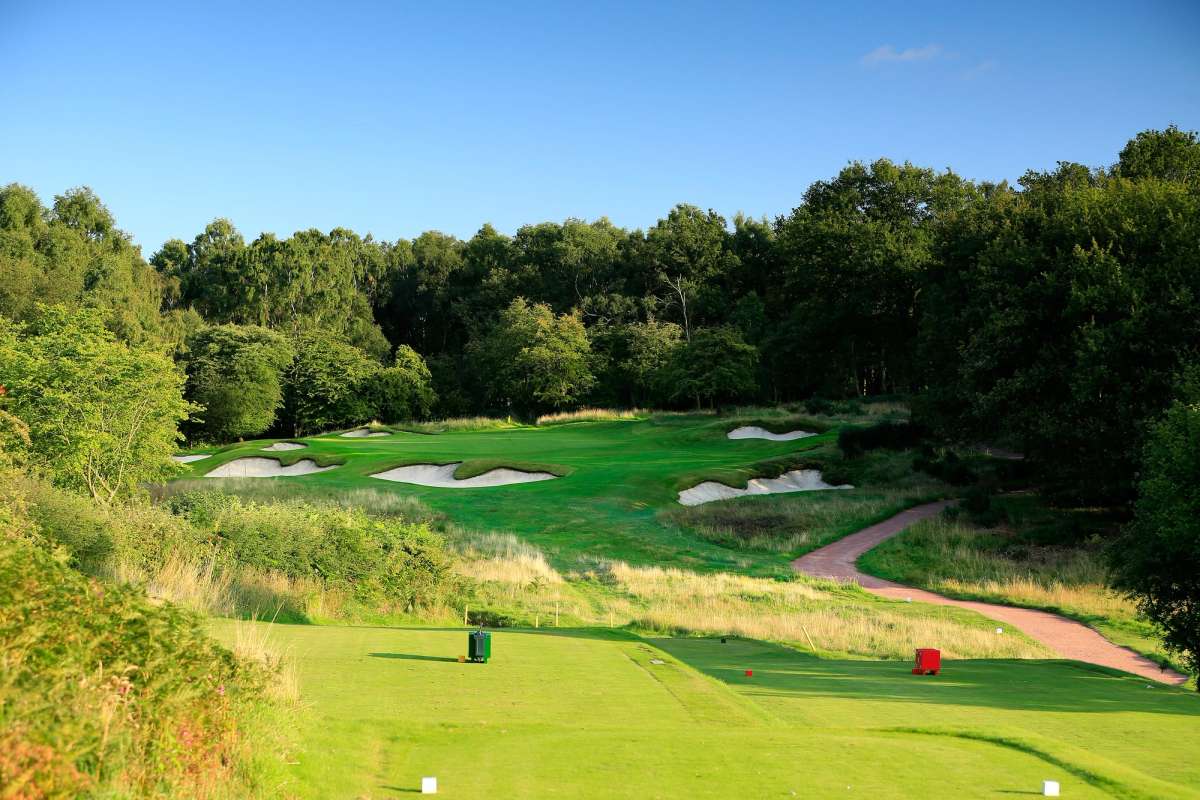
Alwoodley is where the MacKenzie story really begins. Founded in 1907, the club was established by a group of Leeds businessmen that included MacKenzie himself, and the course gave him his first opportunity to put his developing ideas about golf-course design into practice. Harry Colt was later brought in to offer advice, adding another influential voice to the young architect's work.
Today, Alwoodley is one of England's finest heathland courses, with springy fairways winding through heather, gorse and whin north of Leeds. The elevated setting provides wonderful views towards the Yorkshire Dales, while the prevailing wind makes the inward nine particularly demanding.
There are echoes of MacKenzie's later work throughout the course, including at the 11th green and the risk-and-reward 10th, which is believed to have influenced Augusta National's 13th.
For anyone interested in MacKenzie's work, though, the greatest attraction is simply playing the course where it all started.
Green Fees: £270 (International Rate)
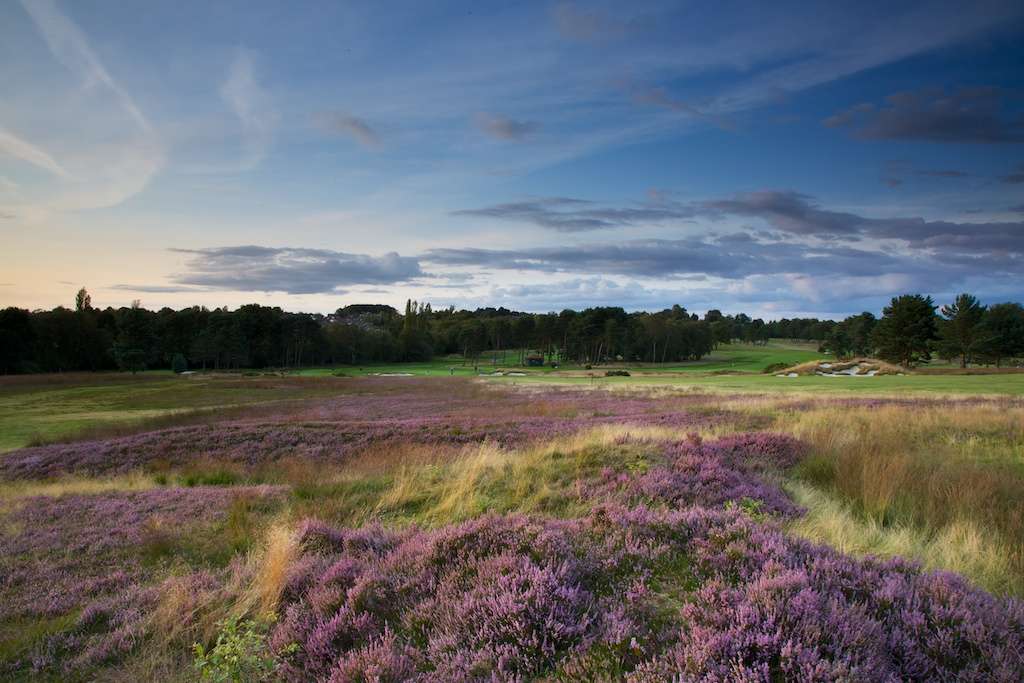
Lahinch is a fascinating evolution of a links. Old Tom Morris first shaped the course in the 1890s before MacKenzie remodelled it in the 1920s, with Martin Hawtree subsequently undertaking restoration work.
MacKenzie was captivated by the enormous dunes and natural contours, working with them to create a wonderfully varied and strategic course. Blind shots, undulating greens and natural hazards make it a course where local knowledge can be invaluable.
The 3rd offers uplifting views across the water, while the short par-five 4th, Klondyke, requires a blind second over a towering dune. Then comes the famous 5th, Dell, a blind par-three hidden between enormous sand hills. Visitors should also note that at least one caddie is mandatory for every group on the Old Course.
Green Fees: €450 (£387)

New South Wales is one of Australia's most spectacular courses, perched above Botany Bay at La Perouse and exposed to the full force of the coastal winds. MacKenzie designed the original layout in 1926, with Eric Apperly helping to turn his vision into reality.
The wind is the constant challenge, with each of the four par threes facing a different direction. The stretch from the 5th to the 7th is particularly memorable, culminating in the famous 6th, where the tee sits on a rocky outcrop above the Pacific and the wreck of the SS Minmi.
The final six holes are equally dramatic, with cliff-top doglegs, exposed greens and sweeping ocean views. NSW is as much about the experience of playing beside the sea as the golf itself – although the demanding terrain and fast greens make sure you earn every moment of it.
Royal Adelaide occupies wonderfully unusual golfing terrain, with rolling sand dunes and pine trees less than two kilometres from the coast. Although MacKenzie only spent four days at the club in 1926, he was immediately struck by its potential, describing the land as a delightful combination of dunes and fir trees.
His influence is most evident through the run of holes from the 3rd to the 8th, where the natural contours and prominent dunes create a wonderfully varied stretch of golf. Despite being inland today, Royal Adelaide has a distinctly links-like character, with firm, fast-running ground and plenty of exposure to the elements.
It is a course that Australian golfers consistently rank among the country's finest – and one where the setting is every bit as memorable as the golf.

Moortown is classic Yorkshire moorland golf, with springy peaty turf, heather, gorse and silver birch lining fairways that look more generous than they really are. MacKenzie designed the course in 1910 while working nearby at Alwoodley, creating a layout that feels perfectly at home on the natural terrain.
The course hosted the Ryder Cup in 1929, when Great Britain defeated the United States 7–5, adding an important chapter to its history. Its most famous hole is the 10th, “Gibraltar”, a superb 158-yard par three played to a green perched on a rocky plateau.
Beyond its history, Moortown is simply an exciting course to play, offering plenty of variety and demanding accuracy rather than brute length.
Green Fees: £250 (International Rate)
Dan Soutar designed Kingston Heath in 1925, but MacKenzie was brought in to advise on the bunkering and make several alterations. Today, it is regarded as one of the finest courses on Melbourne's famous Sandbelt.
The course is wonderfully varied, from the demanding opening par four to the short, risk-and-reward 3rd, where a well-judged tee shot can set up a birdie but a poor one can quickly ruin the hole. MacKenzie's influence is particularly obvious at the 15th, a superb par three surrounded by deep bunkers.
The closing stretch is exceptional, with five demanding holes requiring accuracy and good ball-striking right to the clubhouse. It's classic Australian golf: strategic, fast-running and endlessly rewarding.

Ganton is one of Britain's great inland courses, occupying sandy, windswept terrain in the Vale of Pickering that feels remarkably like a links despite being nine miles from the sea. MacKenzie was one of several great architects to influence the course, making modifications in 1912 after earlier work by Harry Vardon, James Braid, J.H. Taylor and Harry Colt.
The golf is every bit as impressive as the history. Firm fairways, fast greens, heather and gorse combine with more than 100 bunkers, ranging from small hazards to enormous sandy pits. Three short par fours offer tempting opportunities for the bold, while the long par fours demand precision.
A former Ryder Cup, Curtis Cup and Walker Cup venue, Ganton remains a supreme test of strategic golf.
Green Fees: £285 (International Rate)

Victoria sits at the heart of Melbourne’s famous Sandbelt, just across the road from Royal Melbourne, and has all the ingredients that make this part of Australia such a special place to play golf. MacKenzie advised on the course during his 1926 visit, with his influence forming part of a much longer evolution that continues today.
The course combines sandy, fast-running ground with beautifully shaped fairways, mature trees and strategically placed bunkers. Its understated character rewards thoughtful play rather than brute force, while the constantly changing directions of the holes keep the round engaging.
Victoria also makes an excellent base for a golfing trip, with twelve double bedrooms in the clubhouse and a reputation for warmly welcoming interstate and international visitors. Its history is equally impressive, having hosted the Australian Open and Australian Masters.

Cork is one of Ireland’s most attractive courses, set on Little Island overlooking Lough Mahon and Cork Harbour. The setting is particularly memorable, with the course occupying free-draining limestone terrain that has a distinctly links-like feel despite its inland location.
MacKenzie inspected the course in 1924 while working nearby at Muskerry, recommending a series of improvements that were quickly implemented. He returned the following year to advise on further reconstruction, with his influence still most evident in the large, undulating greens.
The 4th and 5th run alongside the river and form a superb stretch of risk-and-reward golf, demanding bold tee shots and precise approaches. With sweeping harbour views and a fascinating mix of terrain, Cork is a course that feels both challenging and wonderfully atmospheric.
Green Fees: €195 (£168)

Green fees quoted are summer rates for international visitors where available in local currency and GBP as at Monday, September 7, 2026.

