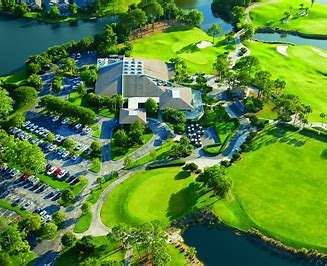
Other courses near to the home of The Players Championship
TPC Sawgrass, located in Ponte Vedra Beach, Florida, is famously home to THE PLAYERS Championship and is one of the most prestigious golf destinations in the world. The Stadium Course, with its iconic 17th hole, the "Island Green," is a bucket-list experience for many golf enthusiasts. However, the region around TPC Sawgrass is also rich with other exceptional golf courses, offering a variety of challenges and experiences for golfers of all skill levels. Here's an in-depth look at other notable golf courses near TPC Sawgrass.
1. Ponte Vedra Inn & Club (Ocean Course and Lagoon Course)
2. St. Johns Golf & Country Club
3. The Golf Club at South Hampton
4. Marsh Landing Country Club
5. Sawgrass Country Club (East, West, and South Courses)
6. World Golf Village (King & Bear and Slammer & Squire)
Each of these courses offers a unique golfing experience that complements the challenge and prestige of TPC Sawgrass. Whether you're looking for a seaside challenge, a strategic test among natural beauty, or a championship experience, the golf courses near TPC Sawgrass provide plenty of options for every golfer.
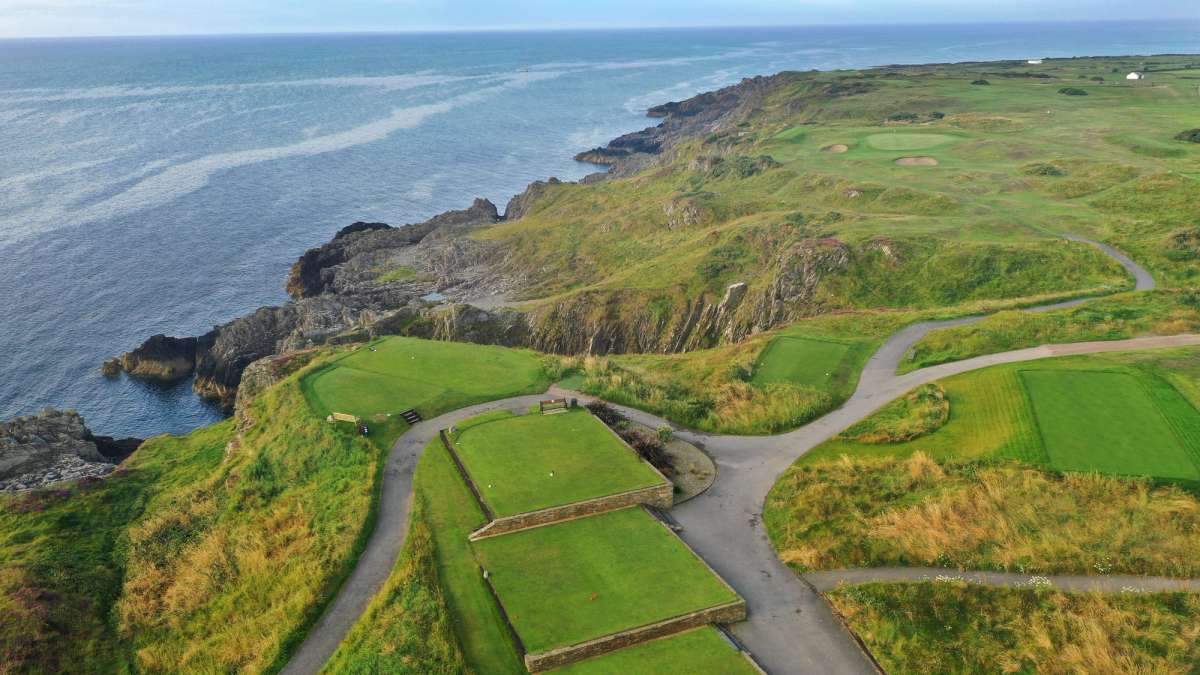
While some of the world's most famous courses command eye-watering green fees, there are often excellent alternatives just a short drive away. From celebrated links venues to championship layouts, we've picked out 10 famous golf courses and their more affordable neighbours, where you can still enjoy a quality round without paying quite so much. Pebble Beach Golf Links vs Pacific Grove Golf Links (California, USA) Pebble Beach Golf Links | World Ranking: 27th | California Ranking: 3rd | Green Fees: US$755 (including mandatory cart fee) Pacific Grove Golf Links | California Ranking: 71st | Green Fees: US$66–89 Few golf courses command the same level of recognition as Pebble Beach Golf Links. Ranked 27th in the world, it has hosted multiple US Opens and is a regular fixture on the PGA Tour, with its spectacular Pacific coastline making it one of the game's most recognisable settings. At US$755 for a visitor round, however, it comes at a considerable price. Just five miles away, Pacific Grove Golf Links offers a much more affordable way to enjoy the same stretch of California coastline. Often nicknamed the 'Poor Man's Pebble Beach', this municipal course has plenty of character of its own, with its history closely connected to its famous neighbour. Chandler Egan, who helped redesign Pebble Beach alongside Alister MacKenzie, laid out Pacific Grove's original nine holes in 1932, before Jack Neville, one of Pebble Beach's original designers, extended it to 18. The front nine winds through gardens and trees, while the back nine opens up towards the Pacific Ocean and Point Pinos Lighthouse. With green fees from US$66, it's a considerably cheaper way to enjoy golf on the Monterey Peninsula. Distance apart: 5 miles Price difference: US$666–689 (88–91% cheaper at Pacific Grove) St Andrews Links – Old Course vs St Andrews Links – Eden Course (Scotland) St Andrews Links (Old) | World Ranking: 7th | Scotland Ranking: 1st | Green Fees: £380 St Andrews Links (Eden) | Scotland Ranking: 62nd | Green Fees: £85 Few golf courses carry the reputation of the Old Course at St Andrews. Ranked seventh in the world, it is the Home of Golf and one of the most recognisable venues in the game, but securing a tee time can be just as challenging as finding the money for its £380 high-season green fee in 2027. A much more affordable option is the Eden Course, just west of the Old Course and ranked 62nd in Scotland. Designed by Harry Colt and opened in 1914, it offers a genuine links experience for a fraction of the price. Its wide fairways provide some room off the tee, but deep bunkers, undulating greens and several challenging par fours ensure there is plenty to think about. At £85 for a high-season round in 2027, the Eden is an appealing way to enjoy the Home of Golf without paying Old Course prices. Distance apart: Approximately 1 mile Price difference: £295 (around 78% cheaper at the Eden) Royal County Down – Championship Course vs Ardglass Golf Club (Northern Ireland) Royal County Down (Championship) | World Ranking: 3rd | Northern Ireland Ranking: 1st | Green Fees: £495 Ardglass Golf Club | Northern Ireland Ranking: 8th | Green Fees: £275 Royal County Down is a bucket-list destination for golfers, ranked third in the world and set against the spectacular backdrop of the Mountains of Mourne. Its Championship course is a formidable links test, with rugged dunes, blind drives and some of the most memorable holes in the game. A visitor round costs £495 in 2027, and tee-time availability is exceptionally limited. Around 11 miles away, Ardglass offers a different but equally memorable experience along the County Down coastline. The opening five holes hug the cliffs above the Irish Sea, with the second a particularly striking par three played across a rocky inlet. The course also has a clubhouse with a rather unusual history: it occupies a 14th-century castle. Ardglass may not have the same global reputation as its famous neighbour, but its dramatic coastal setting and enjoyable links test make it well worth adding to a trip to the area. At £275, it also represents a sizeable saving. Distance apart: Approximately 11 miles (straight-line) Price difference: £220 (44% cheaper at Ardglass) Royal Portrush Golf Club – Dunluce Course vs Castlerock Golf Club – Mussenden Course (Northern Ireland) Royal Portrush Golf Club (Dunluce) | World Ranking: 9th | Northern Ireland Ranking: 2nd | Green Fees: £475 Castlerock Golf Club (Mussenden) | Northern Ireland Ranking: 5th | Green Fees: £250 Royal Portrush is one of the biggest names in Irish golf, ranked ninth in the world and twice the host of The Open Championship, most recently in 2025. The Dunluce Links is a spectacular test, with its dramatic coastal setting and memorable holes, including the famous par-three 16th, Calamity. At £475 for a visitor round, it is also one of the more expensive places to play in Northern Ireland. Around 13 miles along the coast, Castlerock's Mussenden Course offers an excellent alternative for £250. It may live in the shadow of its more famous neighbours, but it is a highly regarded links in its own right, with a strong reputation among golfers who have made the trip to the Causeway Coast. The standout is the fourth, known as Leg O’Mutton, a 200-yard par three with a railway line running alongside one side and a burn guarding the other. Castlerock also has views across the Atlantic towards Donegal and, on a clear day, Scotland. Distance apart: Approximately 13 miles by road Price difference: £225 (47% cheaper at Castlerock) Carnoustie Golf Links – Championship Course vs Panmure Golf Club (Scotland) Carnoustie Golf Links (Championship) | World Ranking: 34th | Scotland Ranking: 5th | Green Fees: £450 Panmure Golf Club | Scotland Ranking: 35th | Green Fees: £195 Carnoustie is one of the most famous and demanding tests in Scottish golf. Ranked fifth in Scotland and 34th in the world, its Championship course has hosted The Open eight times, most recently in 2018, when Francesco Molinari lifted the Claret Jug. A peak-season visitor round in 2027 costs £450. Just a short drive away, Panmure provides a similarly challenging links experience for considerably less. Ranked 35th in Scotland, it has plenty of history of its own, having hosted Open Qualifying and played a part in Ben Hogan's preparation for his 1953 Open Championship victory at Carnoustie. Hogan spent two weeks practising at Panmure before winning at his neighbouring course, and the club still celebrates that connection. The layout features plenty of traditional links character, with heather, hillocks and demanding approach shots. At £195 during the 2026 peak season, it is an appealing option for anyone planning a golf trip to Angus & Dundee. Distance apart: Approximately 5 miles by road Price difference: £255 (57% cheaper at Panmure) Pinehurst No. 2 vs Southern Pines Golf Club (North Carolina, USA) Pinehurst No. 2 | World Ranking: 57th | North Carolina Ranking: 2nd | Green Fees: Not published Southern Pines Golf Club | North Carolina Ranking: 11th | Green Fees: US$225–245 Pinehurst No. 2 is one of American golf's most celebrated courses. Ranked 57th in the world and second in North Carolina, the Donald Ross design has hosted multiple US Opens, most recently in 2024, and will welcome the championship back in 2029. Playing it, however, requires more than simply booking a tee time. Access is reserved for resort guests and members, with a minimum two-night stay required for those booking through the resort. Around five miles away, Southern Pines Golf Club offers a more accessible way to experience the area's golfing heritage. Another Donald Ross design, it opened in 1906 and has retained much of its traditional character, with rolling fairways, sandy waste areas and greens that demand careful approach play. It is ranked 11th in North Carolina and welcomes public play, with visitor fees ranging from US$225 to US$245. It may not carry the same prestige as Pinehurst No. 2, but it is a worthwhile addition to any trip to the Sandhills. Distance apart: Approximately 5 miles Price difference: Not directly comparable – Pinehurst No. 2 requires a resort stay or membership, while Southern Pines has a published visitor green fee. TPC Sawgrass – Stadium Course vs St Johns Golf Club (Florida, USA) TPC Sawgrass (Stadium) | USA Ranking: 66th | Florida Ranking: 2nd | Green Fees: From US$775 St Johns Golf Club | Green Fees: US$41–53.50 TPC Sawgrass is one of the most recognisable venues in American golf. Ranked 66th in the United States and second in Florida, its Stadium Course has hosted THE PLAYERS Championship since 1982 and is best known for the island green 17th. Designed by Pete and Alice Dye, it is a bucket-list round for many golfers, but visitor fees start at US$775 during the September-to-May season. Around 27 miles away, St Johns Golf Club provides a far more affordable alternative. This public, county-owned course in Elkton offers 18 holes of golf for out-of-state visitors at $53.50 in the morning, with afternoon rates dropping to $41. It is a different proposition to the Stadium Course, but the layout has recently benefited from a redesign by Erik Larsen and offers a varied test for golfers of all abilities. For anyone visiting the Jacksonville area, it is a practical option for fitting in a round without paying the premium associated with TPC Sawgrass. Distance apart: Approximately 27 miles by road Price difference: US$721.50–734 (93–95% cheaper at St Johns, comparing TPC's September–May starting rate with St Johns' 2026 out-of-state rates) Royal St George's Golf Club vs Prince's Golf Club – Dunes & Himalayas (England) Royal St George's Golf Club | World Ranking: 19th | England Ranking: 1st | Green Fees: £430 Prince's Golf Club (Dunes & Himalayas) | England Ranking: 32nd | Green Fees: £180–230 Royal St George's is one of the most recognisable names in English golf. Ranked 19th in the world and first in England, the Sandwich links has hosted The Open 15 times, most recently in 2021. Its undulating fairways, towering dunes and famously deep bunkers make it a formidable test, with peak-season visitor fees reaching £430 in 2027. Almost next door, Prince's offers a more affordable way to enjoy links golf on the same stretch of Kent coastline. It hosted The Open in 1932, when Gene Sarazen claimed victory, and remains a highly regarded venue in its own right. The Himalayas nine is particularly varied, with wetland carries, a driveable par four and a double green among its features. Prince's has 27 holes across three nine-hole loops, allowing visitors to combine the Himalayas with either the Dunes or Shore to make an 18-hole round. At £180–230 in 2027, it costs considerably less than its famous neighbour. Distance apart: Approximately 1 mile Price difference: £200–250 (47–58% cheaper at Prince's) Bandon Dunes Golf Resort – Pacific Dunes vs Bandon Crossings (Oregon, USA) Bandon Dunes (Pacific Dunes) | World Ranking: 26th | Oregon Ranking: 1st | Green Fees: US$425 Bandon Crossings | Oregon Ranking: 21st | Green Fees: US$70–96 Pacific Dunes is one of the standout courses at Bandon Dunes Golf Resort, ranked 26th in the world and among the most celebrated public-access layouts in the United States. Tom Doak's design opened in 2001 and makes full use of its rugged Pacific coastline, with several holes playing directly alongside the ocean. It is an unforgettable experience, but a peak-season round for a day guest costs US$425 in 2027. Around 10 miles south, Bandon Crossings offers a much more affordable alternative. Built on an old cattle and sheep ranch, the course was designed by Oregon architect Dan Hixson and takes a different approach to the area's golf, with a heathland-style layout rather than a traditional coastal links. It is not trying to compete directly with the resort's famous courses, but provides an enjoyable and considerably cheaper round, with the added option of taking a cart. Its 2026 standard-time walking rate is US$70, rising to US$96 during daylight-saving time. Distance apart: Approximately 10 miles Price difference: US$329–355 (77–84% cheaper at Bandon Crossings, comparing Pacific Dunes' 2027 peak-season day-guest rate with Bandon Crossings' 2026 walking rates) Royal Melbourne Golf Club – West Course vs Sandy Golf Links (Melbourne, Australia) Royal Melbourne Golf Club (West) | World Ranking: 6th | Australia Ranking: 1st | Green Fees: Not published (Last indicative international visitor rate AU$850) Sandy Golf Links | Australia Ranking: 82nd | Green Fees: AU$70–76 Royal Melbourne's West Course is ranked sixth in the world and first in Australia, and is widely regarded as one of Alister MacKenzie's finest designs. It is a private members' club, although international golfers who belong to a recognised golf club can apply for visitor tee times. The indicative overseas visitor fee is around A$850, although the club does not publish its rates publicly. Less than a mile away, Sandy Golf Links provides an opportunity to experience Melbourne's famous Sandbelt without the same price tag or access restrictions. Formerly known as Sandringham Golf Course, the public facility was extensively redesigned by OCM Golf, the team of Geoff Ogilvy, Mike Cocking and Ashley Mead, and reopened in its current form in 2020. The par-65 layout features firm greens, strategic bunkering and the sandy terrain associated with the region. It is ranked 82nd in Australia and welcomes public bookings, with 18 holes costing A$70 on weekdays and A$76 at weekends. Distance apart: Approximately 1km Price difference: A$774–780 (91–92% cheaper at Sandy, based on Royal Melbourne's indicative A$850 visitor fee) Green fees reflect published high-season visitor rates for 2027 where available. Where 2027 rates have not yet been released, the latest available published rates are provided. Prices and visitor access are subject to change.
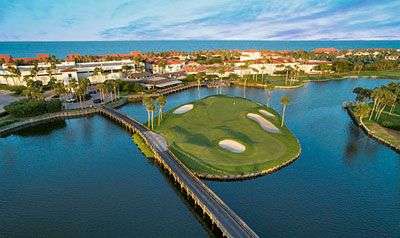
I is for ISLAND THE ORIGINAL A green surrounded by water is not a new concept. In fact, even the denizens of the Golden Age of golf course architecture occasionally surrounded the putting area with liquid hazard. The truest grasp on the concept of the “Island” template begins with No. 9 at Ponte Vedra (what is now known as the Ocean Course at Ponte Vedra Inn & Club). Herbert Strong completed the Ponte Vedra Club in 1928, and it was apparent he intended to test the mettle of the game’s best with dramatic greens and demanding hero shots... much like a nearby course to-be-named-soon. Like that other course, Ponte Vedra featured a Par 3 green set upon an island in a lagoon, 145 yards from the tee. The hole was originally No. 18, and upon walking off, Bobby Jones commented that Ponte Vedra “[is] a course to challenge professionals.” Ponte Vedra Ocean course 9th hole - photo courtesy of Ponte Vedra Inn & Club This original island held far more than a green; three pot bunkers (more were added later) fitted along the back of the putting surface, and a larger one sat front-right. There was even an apron of fairway...but too much spin could easily bring a short shot back down into the water. It seems like a generous target today, but after the shell-shock of playing one of America’s then-toughest courses, it may have intimidated even the best. OTHER INTERPRETATIONS We have already alluded to another Florida course that would become the standard for the “Island” template, the infamous No. 17 on the Stadium course at TPC Sawgrass. Pete Dye had a pit to fill, and legend claims his wife and frequent contributor, Alice Dye, suggested just placing a green in the middle of the future lake. No doubt the pair took inspiration from Strong’s work at the nearby coastal course. The Stadium course was created with the intention of hosting The Players Championship, and players immediately set upon its design for its over-the-top greens. TPC Sawgrass Stadium course 17th hole - photo courtesy of TPC Sawgrass No. 17, however, was not a challenge because of its size or slopes. It plays at 137 yards, a simple wedge for most players. At 78 feet in length, the green is much smaller than Ponte Vedra’s version, but hardly a tiny target. The challenge is solely of the nerves, knowing the lake will take all misses. Based on its 7% double-bogey percentage at The Players, this factor impacts pros almost as much as everyday players. It is perhaps the most pure rendition of “target golf.” The island is not quite a black-or-white equation, however. As with many penal holes, there is an element of matchplay risk/reward: Playing to the center of the green is always safe, and attacking the pin is—more often than not—dangerous. A strong backbone goes a long way in saving par, but strong conviction goes a long way in winning the hole. Granted, the “Island” concept is still rather binary for the mid-handicapper, which alienates some critics. Not helping the template’s cause is its appeal for the tourist crowd, a group that instantly appreciates the visual appeal of an island, versus the more subtle strategic pleasures of, say, a Double Plateau. In some cases, this leads to kitschy entries, à la the fruit-shaped No. 17 green at Apple Tree Golf Course. Although the Coeur D’Alene Resort built some tourist appeal (and excess round lengths) into its Island Par 3, via the necessary boat taxi to the green, it also created an interesting element for potential multi-day tournaments. The No. 14 green floats, and can be maneuvered to land for maintenance purposes, which suggests they could also alter its placement in the lake to change the hole’s identity from day-to-day. It’s essentially the putting surface version of runway tees. Coeur D'Alene 14th hole - photo courtesy of Coeur D'Alene Resort One hole that often gets overlooked in the “Island” conversation is The Creek Club’s 11th hole. The only real expectation of the modern “Island” template is a relatively short length, to emphasize nerve and accuracy over power. Geographically, however, the only real requirement of an “Island,” is that the green be surrounded almost entirely by water. Seth Raynor’s No. 11 is indisputably a Biarritz (200 yards and a signature swale), but there’s no reason why it can’t be an “Island” as well. Any template Par 3 could theoretically be adapted to “Island” form. The Creek 11th hole - photo courtesy of The Creek We’re honestly not trying to force MacRaynor into every conversation on templates! MAYBE... MAYBE NOT We stated earlier that many island greens debuted prior to Ponte Vedra’s (including the aforementioned Creek Club). Baltusrol’s Old Course featured one as early as 1910 (it was in play for the 1915 U.S. Open) and A.W. Tillinghast created an island green at Aronimink's No. 13 when he was the first to tweak Donald Ross's original design. The difference between Baltusrol and Aronimink’s entries from that era is that they are not Par 3s. It’s a “simple” distinction, but one that drastically alters the mindset during play. In these cases, the player must eventually cross the water, but they have an option of when to do it. Feeling bold? Go for two. Not so sure, or your tee shot was poor? Lay up. It is a viable risk/reward strategy, allowing players to choose how much distance is included with their forced carry. An “Island” Par 3 is a more predetermined test… ”do or die.” Every player is given the same basic task, even during matchplay. The options that a player may flex on a Par 5 with an island green, or even a Par 4, make the formula different. Famous short Par 5s with island greens—such as No. 17 at Cherry Hills or No. 15 at TPC Scottsdale’s Stadium course—make for exciting play, but they do not fit within our definition of the “Island” as a template. Cherry Hills 17th hole - photo courtesy of Cherry Hills Country Club Interestingly, Tillinghast may have also created the first Par 3 surrounded by water. His “Moat” hole at Galen Hall is a beast: 190 yards to a raised green, which is surrounded by the aforementioned moat, dug by Tillinghast for the purpose. We would argue, however, that despite its Par 3 status, the 15th hole doesn’t quite live up to the “Island” standard, even with the watery surrounds. Because the moat is so thin (compared to a lake), the option exists to lay up short of the moat, and play for par with a short pitch over the hazard. This makes it a shorter version of the Par 4s and 5s we described in the previous paragraph, versus a true “Island” hole in the Strong / Dye sense. Galen Hall 15th hole - photo courtesy of Galen Hall Golf Club David McLay Kidd gave the Ponte Vedra version a spin at Sand Valley’s Mammoth Dunes No. 8, in that there is additional short grass around the green for players to land upon... the catch being that the green itself is about half the size of Mammoth’s other elephantine putting surfaces. The major difference between this and the Strong / Dye version is, of course, the water being replaced with sand. This will surely make for a tough recovery, but it does not result in an automatic loss of a stroke, which dramatically alters the psyches of those teeing off. McLay Kidd intended Mammoth to be the more playable than the Sand Valley course, so we’re sure he won’t mind if that means sacrificing true “Island” status. Mammoth Dunes 8th hole - photo courtesy of Sand Valley
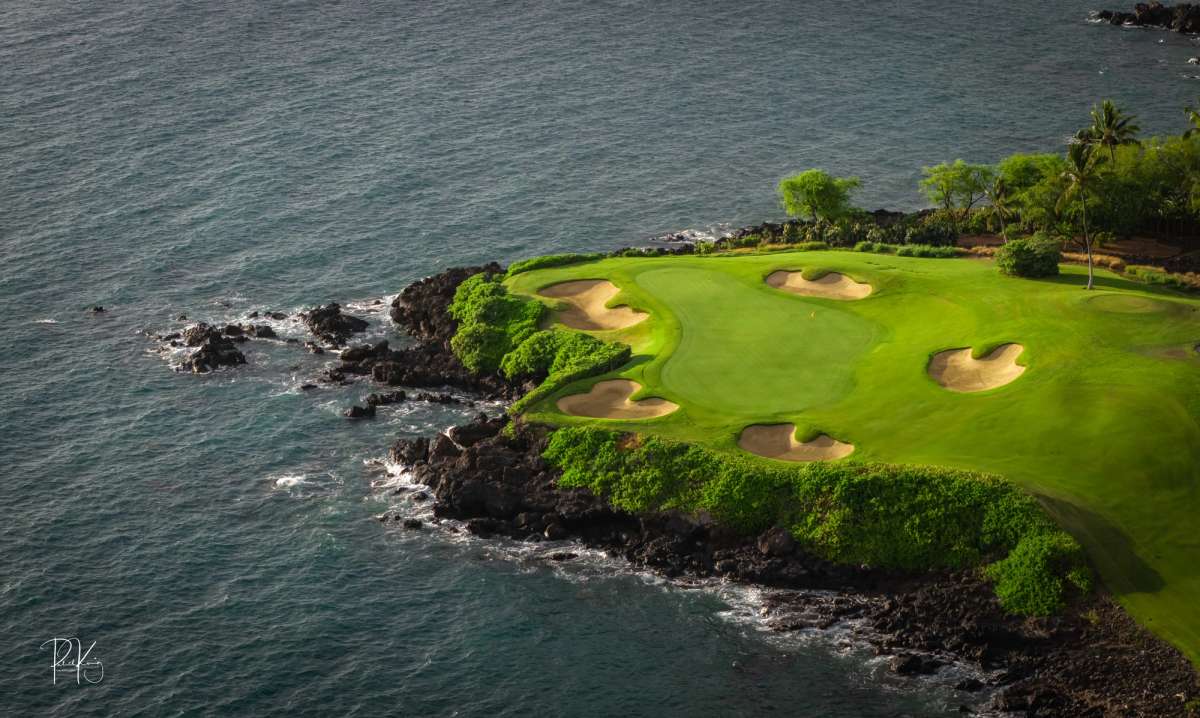
Some golf holes are famous for their design, others for the moments that have unfolded on them. A handful have become so recognisable that even people who rarely watch golf would know them at a glance. From a tiny par three perched above the Pacific Ocean to a treacherous stretch of linksland that has decided Open Championships, these holes have earned their place in golf folklore. Better still, unlike some of the game's most celebrated private-club layouts, they're open to visiting golfers willing to book a tee time. Here are 10 of the world's most famous golf holes you can actually play. The Road Hole, 17th – St Andrews Links The Old Course (Scotland) Few holes carry the same weight of history as the 17th at St Andrews. The tee shot must clear the corner of the Old Course Hotel, leaving golfers to negotiate one of the game's most famous driving challenges before facing the narrow green, the Road Hole bunker and the road that gives the hole its name. It's a hole that has broken hearts at Open Championships and made heroes of those who find a way through. The green is particularly unforgiving, and even a well-struck approach can leave a difficult recovery. Playing the Road Hole is an experience that goes beyond the golf itself. The history, the hotel, the old stone walls and the knowledge of what has unfolded here make it one of the game's essential experiences. The Island Green, 17th – TPC Sawgrass Stadium Course (Florida, USA) A wedge in hand, a green just 137 yards away and water in almost every direction. On paper, the 17th at TPC Sawgrass should be one of the easier holes on the Stadium Course. In reality, it has become one of golf's most recognisable tests of nerve. The island green was never part of the original plan. During construction, architect Pete Dye's wife, Alice, suggested turning an excavated pit into a lake and leaving the green surrounded by water. The result became one of the defining holes in professional golf, producing some of the most dramatic moments in THE PLAYERS Championship. For visiting golfers, the challenge is wonderfully simple: find the green or face the consequences. The wind can make club selection tricky, while the knowledge of how many professionals have come unstuck here adds another layer of pressure. Standing on the tee and taking on the same shot as the world's best is a bucket-list experience in its own right. The 7th – Pebble Beach Golf Links (California, USA) At just over 100 yards from the championship tees, the seventh at Pebble Beach is among the shortest holes in major championship golf. It is also one of the most spectacular. The tee sits high above the Pacific Ocean, with the wind often dictating which club to take. On a calm day, it can look almost inviting. When the breeze picks up, the exposed green becomes a much more demanding target. The hole has provided its share of memorable moments, too. During the 1992 US Open, Tom Kite chipped in for birdie on his way to winning the championship, while the hole played just 92 yards during the final round of the 2010 US Open. Its setting has helped make the seventh one of the most recognisable holes in golf, but it is more than a pretty picture. The Postage Stamp, 8th – Royal Troon Golf Club Old Course (Scotland) The eighth at Royal Troon is a reminder that a golf hole doesn't need length to become legendary. Known as the Postage Stamp, this short par three can play from less than 100 yards, yet its tiny green and surrounding bunkers have made it one of the most feared shots in championship golf. The putting surface measures just 2,635 square feet, with five bunkers waiting to catch anything that strays offline. The most notorious is the Coffin bunker, a deep trap that can turn a routine pitch into a fight for survival. The name originally referred to the green itself, which was described as being skimmed down to the size of a postage stamp. Since then, the hole has built a formidable reputation, with Hermann Tissies recording a 15 in the 1950 Open Championship and Tiger Woods taking a triple bogey in 1997. Calamity Corner, 16th – Royal Portrush Golf Club Dunluce Course (Northern Ireland) The name offers a fairly clear indication of what awaits at the 16th at Royal Portrush. Calamity Corner is a long par three that demands a confident strike to reach its elevated green, with a deep chasm running down the right side and little room for error. At championship length, the hole can stretch beyond 230 yards, making it a formidable test even before the Atlantic wind gets involved. Unlike many famous holes, there are no bunkers to worry about. The natural terrain provides all the punishment required, and a shot that misses right can leave golfers facing a steep drop well below the putting surface. Calamity Corner has become one of the defining holes of the Dunluce Links, with its exposed setting and demanding tee shot capable of changing the course of a round in an instant. The 18th – Carnoustie Golf Links Championship Course (Scotland) Carnoustie's closing hole is famous for one of the most extraordinary finishes in Open Championship history. In 1999, Frenchman Jean van de Velde arrived at the 18th tee with a three-shot lead, only to see his hopes of winning the Claret Jug unravel in the space of a few shots. His drive found trouble, his second shot left him in the rough near the grandstand, and his next attempt ended up in the Barry Burn. After eventually recording a triple-bogey seven, he was forced into a playoff, creating one of the most enduring stories in modern golf. The hole remains a stern test for ordinary visitors. The Barry Burn, a small stream that winds through the course, cuts across the fairway and crosses again in front of the green, leaving golfers to decide how much risk they are willing to take on. Across Carnoustie's closing stretch, the burn repeatedly comes into play, making careful course management essential. Carnoustie's 18th is a reminder that even a seemingly comfortable lead can disappear in a matter of minutes. The Coliseum, 16th – TPC Scottsdale Stadium Course (Arizona, USA) Few golf holes are designed to entertain spectators quite like the 16th at TPC Scottsdale. During the WM Phoenix Open, the short par three is surrounded by temporary grandstands, creating an arena in which every tee shot is greeted by cheers, jeers or a mixture of both. Known as the Coliseum, the hole can accommodate around 20,000 spectators during tournament week, making it one of the most extraordinary settings in professional golf. Tiger Woods famously made a hole-in-one here in 1997, sending the crowd into a frenzy and cementing the hole's place in golf folklore. Away from tournament week, the experience is rather different, but the hole remains a memorable part of the Stadium Course. Its tabletop green is ringed by deep bunkers, leaving little room for error despite the relatively short distance. For visiting golfers, the chance to stand on the tee and imagine the noise of tournament week is part of the appeal. Just don't expect the same reception for a shot that misses the green. The 3rd – Mauna Kea Golf Course (Hawaii, USA) Few golf shots offer a more dramatic view than the tee shot at the third hole at Mauna Kea. Designed by Robert Trent Jones Sr., this par three asks golfers to carry the Pacific Ocean to a green perched on the far side of a rocky cove, with black volcanic rock, blue water and lush green turf creating one of golf's most recognisable images. From the back tees, the hole can stretch beyond 250 yards, making it a formidable challenge even before the trade winds get involved. The prospect of hitting a long iron or fairway wood over open water is enough to test any golfer's nerve, while the elevated setting makes the green appear a long way away. The third has become one of Hawaii's most photographed golf holes, and it's easy to see why. But Mauna Kea is more than a picture-perfect backdrop. The 18th – Pinehurst Resort No. 2 (North Carolina, USA) The closing hole at Pinehurst No. 2 is one of the most recognisable finishes in American golf. Its crowned green, tightly mown surrounds and demanding approach shots have tested some of the game's best players in major championships. It is also associated with one of golf's most enduring images. At the 1999 US Open, Payne Stewart rolled in a 15-foot par putt on the 18th to secure a one-shot victory over Phil Mickelson. His celebratory pose, one leg raised and fist clenched, has since been immortalised in a statue beside the green. The hole rewards precision rather than brute force. Pinehurst's distinctive crowned greens can send approaches and short-game shots running away from the putting surface, leaving golfers with awkward recoveries and little margin for error. For visitors, the chance to finish on the same green where Stewart made history is part of the appeal. Just getting safely onto the putting surface is an achievement in itself. The 18th – St Andrews Links The Old Course (Scotland) The Road Hole may be the Old Course's most feared test, but its 18th is arguably its most recognisable scene. The broad fairway leads towards the town, with the Swilcan Bridge crossing the burn and the R&A clubhouse providing the backdrop. Golfers have crossed the bridge for generations, from players completing an ordinary round to champions approaching the final green at The Open. It is one of the rare places in golf where a simple walk between shots can feel like a moment in the sport's history. The hole itself is relatively generous off the tee, although the Valley of Sin – a deep hollow just short of the green – can make the approach and final putt more complicated than they first appear. Costantino Rocca famously holed a long putt from the hollow to force a playoff with John Daly at the 1995 Open. Finishing a round on the Old Course is an experience few golfers forget. The 18th provides a fitting conclusion to a course whose place in the game is difficult to overstate.
