With the Presidents Cup rosters finally confirmed after both captains announced their six respective picks on Tuesday, the countdown to Medinah Country Club is officially on.
Team International will head to Illinois looking to end Team USA’s dominance of the Presidents Cup and lift the trophy for only the second time in the competition’s history, having last tasted victory in 1998 at Royal Melbourne in Australia.
It will be no easy task, though. Team USA boasts enormous depth, with major winners, extensive Ryder Cup and Presidents Cup experience, and the world’s number one-ranked player, Scottie Scheffler, among its ranks.
But can Geoff Ogilvy’s International side cause an upset at Medinah?
Top100 takes a closer look at both rosters, the key players to watch and the venue that could play a crucial role in deciding who will lift the Presidents Cup.
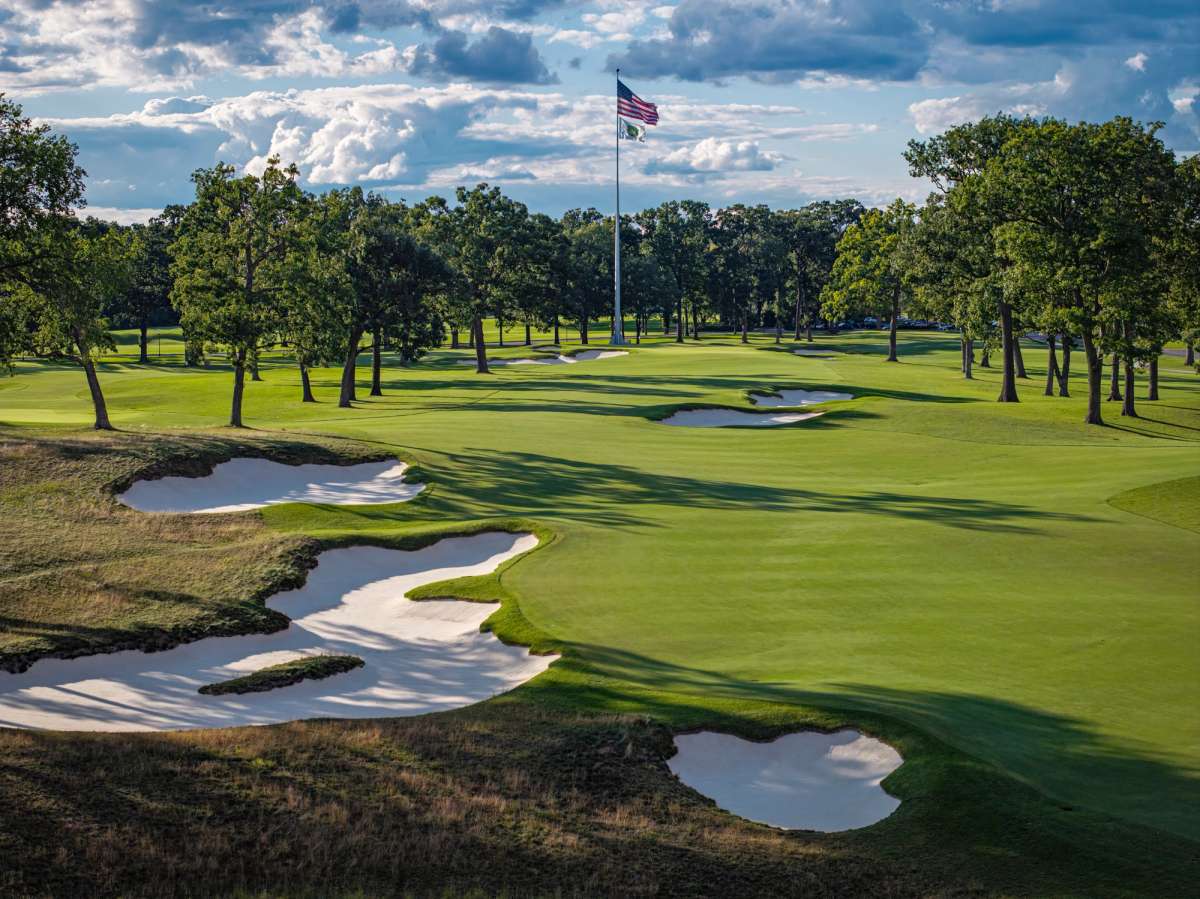
There are few more appropriate venues for the 2026 Presidents Cup than Medinah No. 3.
Completed in 1928 by renowned architect Tom Bendelow, the course has spent almost a century building a reputation as one of American golf’s great championship venues. Five major championships, a Ryder Cup and countless memorable moments have followed, including Tiger Woods’ victories in the 1999 and 2006 PGA Championships and Europe’s remarkable “Miracle at Medinah” in 2012 – widely regarded as one of the greatest comebacks in sporting history.
But the course that welcomes the Presidents Cup will look considerably different from the one that hosted those events.

After decades of incremental changes that increasingly narrowed the playing corridors and placed a premium on length, Medinah No. 3 underwent a major transformation by Australian firm OCM Golf, led by Geoff Ogilvy, Michael Cocking and Ashley Mead.
The renovation, completed in 2024, sought to restore the scale and strategic character of Bendelow’s original design. Wider fairways, larger greens, expansive bunker complexes and the removal of hundreds of trees have opened up the landscape, resulting in a fascinating mix of old and new.
At more than 7,650 yards from the championship tees, Medinah can still stretch the world's best players, but the increased width means distance alone should not dictate how the course is played. Instead, players will be faced with strategic decisions from the tee and into the greens, with different angles potentially offering very different rewards.
The closing holes could provide some of the most dramatic moments of the week. Lake Kadijah now plays a prominent role on the inward nine, with the 16th crossing diagonally towards the water and the 17th offering another demanding one-shot test alongside the lake. The 18th, meanwhile, has been returned to its original corridor, providing a fitting finish to a course that has undergone such a significant rebirth.
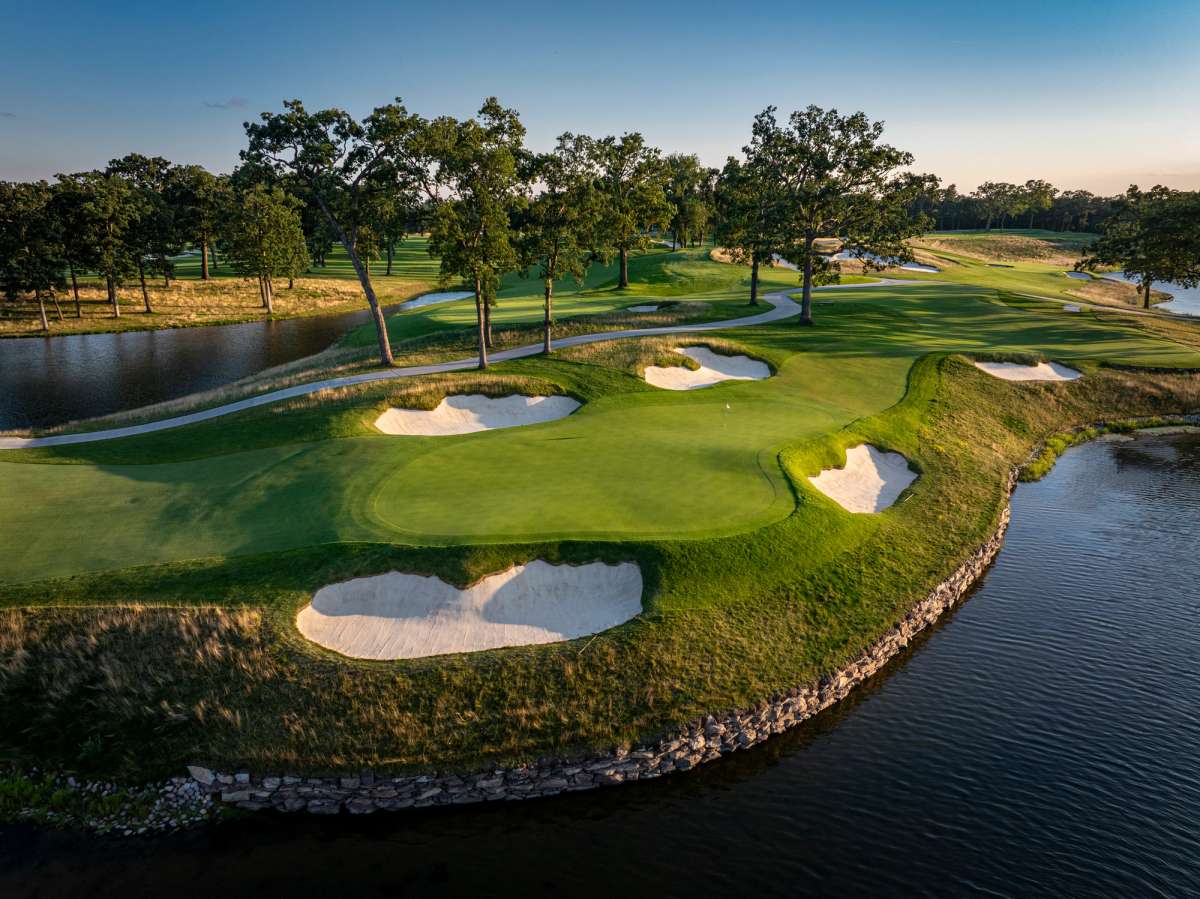
There is one particularly intriguing subplot for the International team.
Their captain, Geoff Ogilvy, was part of the team responsible for reimagining Medinah No. 3. While intimate knowledge of a golf course is no guarantee of success, Ogilvy will know better than most how the redesigned holes are intended to be played, where the opportunities lie and which mistakes the course is designed to punish.
The United States may arrive with the deeper roster and home advantage, but Ogilvy’s intimate knowledge of the course could help to level the playing field.
With the course now offering considerably more strategic options than the penal layout of recent decades, the question is whether Ogilvy can use that knowledge to help his players find an advantage.

On paper, Team USA looks extremely difficult to beat.
World No. 1 Scottie Scheffler headlines a formidable 12-man roster that also includes major champions Collin Morikawa, Wyndham Clark and Justin Thomas, while Xander Schauffele and Patrick Cantlay add a wealth of team-match experience. The automatic qualifiers – Scheffler, Cameron Young, Clark, Sam Burns, Russell Henley and Morikawa – are joined by captain’s picks Schauffele, Thomas, Cantlay, Chris Gotterup, Jackson Koivun and Jacob Bridgeman.
Snedeker's selections have made an already strong side even more imposing. Schauffele, Thomas and Cantlay bring considerable Presidents Cup and Ryder Cup experience, while the inclusion of 21-year-old Koivun adds an exciting new dimension. Koivun, Gotterup and Bridgeman will all make their Presidents Cup debuts at Medinah.
The Americans therefore have an attractive blend of proven stars and youthful talent, with strength throughout the 12-man roster. Add home advantage and an 11-match winning streak, and it is easy to see why they arrive as overwhelming favourites.
The challenge for Brandt Snedeker will be turning that individual quality into the right pairings and combinations – particularly in the foursomes. If he can do that, Team USA will take some stopping.
The full Team USA roster can be found below:
The International team enters Medinah as the clear underdog, but Geoff Ogilvy has assembled a side with plenty of experience and enough quality to make life uncomfortable for the Americans.
Si Woo Kim, Ryan Fox, Hideki Matsuyama, Min Woo Lee, Tom Kim and Adam Scott qualified automatically, before Ogilvy added Corey Conners, Sungjae Im, Christiaan Bezuidenhout, Nick Taylor, Nico Echavarria and Ryo Hisatsune with his six captain’s picks.
There is plenty of Presidents Cup experience within the group, particularly through Scott, Matsuyama, Tom Kim, Si Woo Kim and Im. Ogilvy has also opted for three rookies in Taylor, Echavarria and Hisatsune, betting on a mixture of current form and players he believes can thrive in the team environment. It will also be a Presidents Cup debut for New Zealander and Champion Golfer of the Year, Fox.
The obvious concern is star power. Si Woo Kim is the only International player inside the world's top 20, while the Americans boast Scheffler alongside a deep collection of elite players.
But this is where Ogilvy's role could prove crucial. With a team that may lack the depth of the USA, the International captain will need to find the right combinations and maximise every available point. If his players embrace the occasion and the new-look Medinah rewards their style, they may have a genuine chance of making this a contest.
After all, Medinah has already witnessed some extraordinary comebacks and championship moments. The 2026 Presidents Cup could provide another chapter in its remarkable history.
The full Team International roster can be found below:
President's Cup 2026 - Medinah No. 3 Quick Facts Dates: 22–27 September 2026 Venue: Medinah Country Club, Course No. 3, Medinah, Illinois Prize Purse: No prize money awarded (proceeds to charity) Distance from Chicago: 40 kilometres (25 miles), approximately 45 minutes Tournament Status: PGA Tour-sanctioned biennial team competition (United States vs International Team) U.S. Team Captain: Brandt Snedeker International Team Captain: Geoff Ogilvy The Chicago suburbs will host one of golf's premier international spectacles when the Presidents Cup makes its debut at the legendary Medinah Country Club in September 2026. Golfers and fans worldwide will converge on this storied championship venue for six days of world-class match play golf, exceptional hospitality, and an unforgettable glimpse into American golf history. Tournament Overview - Why This Event Matters The Presidents Cup stands alongside the Ryder Cup as one of golf's most prestigious team competitions, pitting twelve of America's finest players against an International squad representing the rest of the world beyond Europe. Since its inception in 1994, the tournament has delivered countless memorable moments, though the Americans have dominated with a commanding 13-1-1 record through fifteen editions. The 2024 event at Royal Montreal saw the United States extend their winning streak to ten consecutive victories. What distinguishes the Presidents Cup from other golf tournaments is its charitable focus. Unlike traditional events with massive prize purses, the Presidents Cup awards no prize money whatsoever. Instead, all net proceeds are distributed to charities nominated by the players, captains, and their assistants. The first ten Presidents Cup competitions alone raised over £25 million (€30 million/$32 million) for worthy causes around the globe. The 2026 edition brings added intrigue with respected captains leading both sides. Brandt Snedeker, the 2012 FedExCup champion who compiled a 2-3-0 record as a player in the 2013 Presidents Cup, will guide the American team. Facing him across the first tee will be Australian Geoff Ogilvy, the 2006 U.S. Open champion who posted a 7-6-1 record across three consecutive International Team appearances from 2007 to 2011. Ogilvy's connection to Medinah runs deeper still—his architectural firm OCM Golf orchestrated the recent complete transformation of Course No. 3, making him uniquely qualified to strategise for the venue. The tournament will unfold over four days of competition from Thursday, 24 September, through Sunday, 27 September 2026, with practice rounds on Tuesday and Wednesday. Thirty points will be contested through various match play formats, including foursomes (alternate shot), fourballs (better ball), and Sunday singles matches where all twelve players from each team compete head-to-head. Tournament History & Heritage The Presidents Cup emerged from a desire to showcase elite international talent excluded from the Ryder Cup's United States versus Europe format. Australian players, South Africans, Japanese stars, and talented golfers from across Asia, Africa, and South America deserved their own premier team competition, and the PGA Tour delivered when it launched the Presidents Cup in 1994. That inaugural event at Robert Trent Jones Golf Club in Virginia saw the United States defeat the International Team by a margin of 20-12, establishing a pattern of American dominance that has persisted throughout the competition's three-decade history. Only once have the Internationals tasted victory—their resounding 20.5-11.5 triumph at Royal Melbourne in 1998 under captain Peter Thomson remains their finest moment. The 2003 event at Fancourt in South Africa ended in a historic tie when captains Jack Nicklaus and Gary Player agreed to share the cup after their designated playoff match between Tiger Woods and Ernie Els was suspended due to darkness after three holes. Through the years, the Presidents Cup has evolved into one of golf's most anticipated spectacles, drawing massive crowds and global television audiences. The tournament alternates between American venues and international host countries, with Royal Melbourne hosting three times (1998, 2011, 2019), making it the International Team's spiritual home. Other international venues have included South Africa, Canada, South Korea, and soon Kingston Heath in Melbourne for the 2028 edition. Recent competitions have produced extraordinary drama despite the Americans' winning streak. The 2019 event at Royal Melbourne stands out as particularly memorable, with Tiger Woods serving as playing captain for the United States. Down two points after three days, Woods' American team mounted a stunning Sunday comeback, claiming victory by the narrowest of margins. Woods himself contributed crucial points in both fourball and singles play, capping one of the most dramatic finishes in Presidents Cup history. Notable American captains have included legends like Jack Nicklaus (four times), Fred Couples (five times), and Jay Haas. The International side has been led by luminaries including Gary Player (five times), Nick Price (four times), and Ernie Els (twice). The 2024 event at Royal Montreal saw Jim Furyk lead the Americans to another commanding victory over Canadian Mike Weir's International squad. Statistical highlights tell the story of American supremacy: Phil Mickelson holds the record for most appearances with twelve, whilst Tiger Woods' perfect 5-0-0 performance in 2009 remains one of five instances where a player has achieved maximum points in a single competition. The Americans have never lost on home soil, posting an unblemished 8-0-0 record when hosting the event. Recent champions on American soil have been decisive. The 2022 event at Quail Hollow Club in Charlotte saw Davis Love III's team prevail 17.5-12.5 despite a valiant International comeback attempt on Sunday. The 2017 edition at Liberty National in Jersey City produced a commanding 19-11 victory for the United States, whilst the 2013 competition at Muirfield Village saw Fred Couples' Americans win 18.5-15.5 in Ohio. Looking beyond 2026, the Presidents Cup's future venues showcase golf's global reach. Following Medinah, the competition heads to Kingston Heath Golf Club in Melbourne for 2028, returning to Australia's fabled Sandbelt region. The 2030 edition will be contested at Bellerive Country Club in St. Louis, Missouri, with Melbourne scheduled to host again in 2040 under the PGA Tour's long-term commitment to Victoria. Championship Course: Medinah Country Club No. 3 Few American golf courses can match Medinah Country Club's championship pedigree or dramatic transformation. Course No. 3 stands as one of the nation's most storied layouts, having hosted five major championships and countless premier events since opening for play in 1928. What makes the venue particularly fascinating for the 2026 Presidents Cup is that spectators will witness an almost entirely new golf course, reimagined from fairway to green by Geoff Ogilvy's OCM Golf design firm. The journey began in the Roaring Twenties when the Medinah Shriners—members of the Ancient Arabic Order of the Nobles of the Mystic Shrine—pursued their ambition to create America's finest country club. Established in 1924 on 260 hectares (640 acres) of rolling farmland and woodland 40 kilometres west of Chicago, Medinah was conceived as a fifty-four-hole complex with Byzantine-inspired clubhouse architecture featuring minarets and classic Moorish design elements that remain striking today. Scottish architect Tom Bendelow designed all three original courses, with Course No. 3 opening in 1928 as a layout initially intended for the ladies. That status changed almost immediately when Lighthorse Harry Cooper fired a stunning 63 in the 1930 Medinah Open, prompting club officials to toughen the design. Harry Collis oversaw the first major renovation in the 1930s, beginning a pattern of perpetual evolution that would define Course No. 3's character. The 1949 U.S. Open put Medinah on America's championship golf map, launching decades of modifications aimed at keeping pace with advancing equipment and tournament demands. Roger Packard and Roger Rulewich made substantial changes before the 1988 U.S. Senior Open, where Gary Player claimed victory. Rees Jones then extended the course to 7,561 yards before the 2006 PGA Championship—at the time, the longest layout in major championship history—where Tiger Woods captured his twelfth career major title. Through the 1970s and 1980s, Course No. 3 exemplified the "championship course" ideal of that era. Tight, tree-lined fairways squeezed tee shots into narrow corridors whilst thick rough and marble-firm greens punished the slightest miscue. The course flexed its muscles admirably through multiple U.S. Opens (1949, 1975, 1990), two PGA Championships (1999, 2006), and the unforgettable 2012 Ryder Cup known as the "Miracle of Medinah." That Ryder Cup produced one of golf's most dramatic finishes when Europe, facing a seemingly impossible deficit, mounted an extraordinary Sunday singles comeback to snatch victory 14.5-13.5 from the Americans. Dressed in colours honouring the late Seve Ballesteros, the European team won eight and a half points from twelve singles matches, with Martin Kaymer securing the decisive point to complete the greatest away-team comeback in Ryder Cup history. Yet by 2019, when Course No. 3 hosted the BMW Championship, the landscape had shifted. Justin Thomas blistered the layout to twenty-five under par, setting a new course record of 61 in the third round and exposing how modern equipment had rendered the traditional design vulnerable. Medinah had slipped in the rankings, prompting club leadership to pursue drastic measures. Enter Geoff Ogilvy and his OCM Golf partners Mike Cocking and Ashley Mead. The Australian firm arrived with a revolutionary vision: transform Course No. 3 into a Melbourne Sandbelt-style layout that might have existed in the 1920s Golden Age of golf design. Using aerial photographs from the 1930s to guide their work, OCM embarked on a complete remake that closed the course from October 2022 through mid-2024. The transformation proved comprehensive. Tree removal opened sight lines across the property, revealing dramatic landforms that had been obscured for generations. The bunker count increased from approximately seventy to one hundred, with expanded, wavy hazards tied naturally into the surrounding terrain. Green complexes were enlarged and contoured to create Melbourne-style putting surfaces with multiple hole locations. Fairways were widened with closely mown surrounds, introducing strategic options and reducing heavy rough. The most dramatic changes occurred on the closing stretch. A new thirteenth hole now hugs Lake Kadijah, the fourteenth was shortened, the old fifteenth was removed entirely, and the former par-three seventeenth became a driveable par-four. The reimagined seventeenth hole—now a stunning 217-yard par three over water—plays to an angled green requiring precise club selection and unwavering nerve. This signature hole will feature prominently during Sunday singles matches. At 7,654 yards from the championship tees playing to par 72, the renovated Course No. 3 presents a thoroughly modern test whilst honouring Golden Age design principles. The opening hole typifies the new character—a straight par-four where heavily undulating terrain and strategic bunkering demand accuracy over brute force. The short par-four third offers birdie opportunities for those brave enough to challenge the green, whilst the second and thirteenth present water-laden par-threes that will create pivotal moments in match play. The back nine builds towards a thrilling conclusion. The fourteenth, now a medium-length par-four, sets up the strategic challenges ahead. The par-five fifteenth rewards aggressive play but punishes wayward shots severely. The sixteenth—a lengthy par-four with a terraced green—has sparked debate as one potential new signature hole, whilst the aforementioned seventeenth over Lake Kadijah delivers guaranteed drama. Notable champions at Medinah read like a hall of fame: Byron Nelson, Gary Player, Cary Middlecoff, Lou Graham, Hale Irwin, and Tiger Woods twice. The venue's championship credentials are beyond question, and the OCM renovation has restored Medinah to elite status. Members and early visitors have praised the transformation, with many holes now unrecognisable from their previous incarnations. For the 2026 Presidents Cup, Course No. 3's strategic demands and match play suitability will create compelling viewing. Unlike stroke play, where caution dominates, match play encourages aggressive tactics and risk-taking. Expect captains to craft pairings that exploit specific holes, with the water-laden par-threes and reachable par-fives producing pivotal swings in momentum. Other Historic Venues at Medinah Whilst Medinah will host all competition rounds, golf enthusiasts should note that the club's other courses offer their own compelling stories. Course No. 1, redesigned by Tom Doak in 2014, presents a stark contrast to No. 3 with its wide-open vistas and diabolical green complexes. The renovation involved removing nearly eight hundred trees and creating entirely new playing corridors, resulting in a layout praised for its strategic variety. Course No. 2 maintains Tom Bendelow's original character with tree-lined fairways and traditional design elements. Rees Jones oversaw infrastructure restoration in 2016, preserving the course as a classic representation of Golden Age architecture. Together, the three courses make Medinah one of America's premier fifty-four-hole facilities. Chicago's Culinary Scene The Chicago dining landscape combines Midwestern heartiness with international sophistication, offering everything from legendary steakhouses to innovative contemporary cuisine. The western suburbs near Medinah feature excellent options, whilst downtown Chicago presents world-class restaurants worthy of special occasion meals. Cooper's Hawk Winery & Restaurants in Bloomingdale brings California wine country sensibility to suburban Illinois. The concept combines a Napa-style tasting room with modern casual dining, featuring contemporary American cuisine designed to complement their wine club offerings. The menu ranges from creative pasta specialities to flame-grilled steaks, with everything crafted to pair with their extensive wine selection. Expect main courses from £16-£32 (€19-€38/$20-$40). Perry's Steakhouse & Grille in Schaumburg delivers the full-scale steakhouse experience with tableside presentations and exceptional service. The restaurant specialises in premium USDA cuts prepared with meticulous attention, alongside seafood options and signature side dishes. The bar programme features craft cocktails and an extensive wine list. Main courses typically range £32-£56 (€38-€66/$40-$70), with portions generous enough for sharing. Shaw's Crab House in Schaumburg stands as Chicagoland's premier seafood destination. The restaurant imports fresh catches daily, offers made-to-order sushi, and specialises in Alaskan king crab legs. The venue splits between a casual oyster bar and a more formal main dining room, both delivering straightforward preparations that let quality ingredients shine. Budget £24-£48 (€28-€57/$30-$60) for main courses, with shellfish platters commanding premium prices. Downtown Chicago elevates the culinary experience considerably. Alinea, Grant Achatz's three-Michelin-star temple of molecular gastronomy, represents one of America's finest restaurants. The tasting menu format explores culinary boundaries through innovative techniques and ingredient combinations, creating an unforgettable evening. Expect to invest £280-£400 (€330-€470/$350-$500) per person before wine pairings. Gibsons Bar & Steakhouse epitomises Chicago steakhouse culture with enormous portions, masculine décor, and people-watching opportunities. The Rush Street original attracts local celebrities and business leaders who appreciate straightforward excellence. Steaks arrive perfectly prepared, sides serve multiple people, and the bar pours generously. Budget £56-£80 (€66-€94/$70-$100) per person. RPM Italian in River North presents contemporary Italian cuisine in a sleek, energetic environment. Bill and Giuliana Rancic's restaurant features dishes meant for sharing, from house-made pastas to wood-fired pizzas and innovative entrées. The scene attracts stylish diners who appreciate modern interpretations of classic preparations. Main courses range £20-£40 (€24-€47/$25-$50). Traditional local fare shouldn't be missed. Lou Malnati's serves legendary Chicago deep-dish pizza from multiple locations, with the Schaumburg outlet convenient to Medinah. The butter crust and generous cheese layers define what many consider authentic Chicago pizza. Individual pizzas cost £16-£24 (€19-€28/$20-$30). Explore Beyond Golf Chicago offers world-class attractions rivalling any American city, from architectural treasures to cultural institutions and distinctive neighbourhoods. The metropolitan area's rich history, diverse communities, and lakefront setting create endless exploration opportunities. The Art Institute of Chicago ranks amongst the world's great art museums, housing extraordinary collections spanning centuries and continents. The museum's Impressionist and Post-Impressionist galleries feature iconic masterpieces including Georges Seurat's "A Sunday Afternoon on La Grande Jatte," Vincent van Gogh's "The Bedroom," and Grant Wood's "American Gothic." The Modern Wing showcases contemporary works, whilst special exhibitions rotate throughout the year. General admission costs approximately £20 (€24/$25), with Wednesday evenings offering reduced rates for Illinois residents. Millennium Park anchors downtown's cultural landscape with the iconic Cloud Gate sculpture (affectionately known as "The Bean"), Frank Gehry's Jay Pritzker Pavilion, and the Crown Fountain. The twenty-five-acre park hosts free concerts, films, and events throughout summer and autumn, whilst winter brings ice skating. The adjacent Lurie Garden provides a tranquil oasis showcasing native prairie plantings. Architecture enthusiasts must experience the Chicago Architecture Center River Cruise, widely considered the city's premier tour. Expert docents narrate the story of Chicago's architectural evolution whilst cruising past iconic structures including the Wrigley Building, Tribune Tower, and Marina City. The ninety-minute journey costs approximately £32 (€38/$40) and departs from the Michigan Avenue bridge. The Willis Tower Skydeck offers breathtaking views from the 103rd floor, with "The Ledge" glass boxes extending beyond the building's facade for thrilling photo opportunities. On clear days, visibility extends across four states. Admission runs approximately £24 (€28/$30), with combination tickets available for multiple Chicago attractions. Navy Pier extends into Lake Michigan as one of the city's most popular destinations. The entertainment complex features a towering Ferris wheel, boat tours, restaurants, the Shakespeare Theatre, and frequent fireworks displays during summer. Admission to the pier itself is free, with individual attractions charging separately. Golf heritage sites within reach include Olympia Fields Country Club's North Course, which hosted the 2003 U.S. Open and features an on-site museum showcasing championship history. Chicago Golf Club in Wheaton holds distinction as the first eighteen-hole course in North America, though access remains extremely limited to members and special guests. Natural beauty surrounds the metropolitan area. The Chicago Botanic Garden in Glencoe sprawls across 155 hectares (385 acres) with themed gardens, walking trails, and seasonal displays. Admission is free, with only parking charges applying. The Morton Arboretum in Lisle presents 700 hectares (1,700 acres) of trees and natural areas with extensive trail systems perfect for autumn colours. Family activities abound throughout the region. Lincoln Park Zoo offers free admission year-round, featuring extensive animal collections in a historic setting near Lake Michigan. The Shedd Aquarium showcases underwater life from around the globe, whilst the Field Museum houses world-renowned natural history collections including Sue, the largest and most complete Tyrannosaurus rex specimen ever discovered. The Museum of Science and Industry ranks amongst America's finest science museums, with interactive exhibits including a captured German U-boat from World War II, a full-scale replica coal mine, and the Apollo 8 spacecraft. The museum occupies the last remaining structure from the 1893 World's Columbian Exposition. Chicago's neighbourhood diversity provides authentic cultural experiences. Pilsen showcases vibrant Mexican-American culture through colourful murals, authentic taquerias, and the National Museum of Mexican Art. Chinatown offers traditional dim sum restaurants and Asian markets. Wicker Park and Bucktown feature independent boutiques, cafés, and street art. Music venues reflect Chicago's rich blues and jazz heritage. Buddy Guy's Legends on South Wabash presents the blues master's own club with live performances nightly. The Green Mill Jazz Club in Uptown maintains its 1920s speakeasy character and connection to Al Capone. Kingston Mines in Lincoln Park offers two stages with continuous blues performances. Shopping ranges from the Magnificent Mile along North Michigan Avenue—featuring luxury retailers and flagship stores—to neighbourhood boutiques throughout the city. Oakbrook Center in Oak Brook, convenient to Medinah, presents upscale shopping with excellent dining options. What's the best way to get tickets? The official PresidentsCup.com website serves as the only authorised ticket source. Sales typically open approximately twelve to eighteen months before the event, with early purchasers benefiting from dynamic pricing that increases as competition approaches. Monitor the official site and sign up for email notifications to receive alerts when sales commence. Additional Resources The official Presidents Cup website provides comprehensive tournament information, including schedules, tickets, hospitality options, prohibited items, parking, and spectator guidelines. Sign up for email notifications to receive important updates as tournament week approaches. Choose Chicago, the official tourism website, offers extensive information about attractions, dining, hotels, and neighbourhood guides. The site includes interactive maps, itinerary suggestions, and current events listings. Looking ahead, the Presidents Cup continues its global journey to Kingston Heath Golf Club in Melbourne's celebrated Sandbelt region for 2028, before returning to America at Bellerive Country Club in St. Louis for 2030. Each venue offers distinct character and championship credentials, ensuring the Presidents Cup remains one of golf's most anticipated competitions for years to come.

Olympic Golf: Your Complete Travel Guide ⛳ Golf returns to the Olympic stage at two of the world's most storied venues over the next decade. Los Angeles welcomes the world in 2028 at the legendary Riviera Country Club, whilst Brisbane showcases Australian golf heritage in 2032 at Royal Queensland Golf Club. Both tournaments promise unforgettable championship golf within the spectacle of the Olympic Games. Olympic Golf: A Modern Renaissance Golf's modern Olympic renaissance continues to gather momentum. After a 112-year absence from the Games, the sport returned in Rio 2016 and has since cemented its place on the Olympic programme. The Paris 2024 edition, won by Scottie Scheffler and Lydia Ko, attracted over 30,000 spectators daily and produced thrilling championship golf that silenced remaining doubters about the sport's Olympic credentials. The Olympic qualification system remains consistent across editions. The top 15 world-ranked players in both men's and women's categories earn automatic entry, subject to a maximum of four players per nation. Countries may field up to two additional players based on world rankings, ensuring global representation whilst maintaining elite competition standards. Each continent receives guaranteed representation, with 60 players in both men's and women's fields creating truly international tournaments. The 2028 Los Angeles Games mark a watershed moment for Olympic golf. For the first time, the competition will include a mixed team event alongside the individual tournaments, with 16 pairs competing in alternate shot and four-ball formats between the men's and women's individual competitions. This addition expands golf's medal count and creates compelling new storylines as nations unite their best male and female players. Olympic golf tournaments follow a straightforward 72-hole stroke play format over four days, with no cut after 36 holes. All 60 players complete the full four rounds, ensuring every competitor experiences championship golf throughout the week. Sudden-death playoffs determine medal positions if players finish tied after regulation play, adding dramatic potential to final-round competition. Recent Olympic champions have demonstrated that these gold medals carry genuine prestige. Justin Rose's 2016 victory, Xander Schauffele's 2020 triumph, and Scottie Scheffler's 2024 gold established the Olympics as meaningful achievements in professional golf. Lydia Ko's remarkable medal collection—silver in 2016, bronze in 2020, and gold in 2024—secured her LPGA Hall of Fame induction, highlighting the tournaments' significance within the sport's hierarchy. Los Angeles 2028: Riviera Country Club Quick Facts Dates: 14-27 July 2028 (Golf competitions typically first week) Venue: Riviera Country Club, Pacific Palisades, California Distance from LAX: 24 kilometres (15 miles), approximately 30 minutes Tournament Format: 72-hole stroke play (men's and women's individual) plus mixed team event Prize Prestige: Olympic gold medals plus exemptions into major championships Los Angeles will host the Summer Games for the third time in history, following successful editions in 1932 and 1984. The 2028 Games return championship golf to American soil for the first time since the sport's modern Olympic reintroduction. The Venue: Riviera Country Club Few courses embody American golf's golden age quite like Riviera Country Club. Founded in 1926 by the Los Angeles Athletic Club, the course emerged from the vision of architect George C Thomas Jr and construction supervisor William P Bell, who transformed Santa Monica Canyon into one of golf's architectural masterpieces. The project cost $243,827, an astronomical sum for its era, establishing Riviera as an immediate statement of ambition and quality. Thomas designed Riviera to challenge thinking golfers rather than simply overpower them. The routing flows naturally through barrancas and canyons, with kikuyu grass fairways and poa annua greens creating distinctive playing characteristics. The course measures approximately 7,040 yards from the championship tees at par 71, though its strategic demands extend far beyond mere distance. Thomas incorporated dramatic contours, elevated greens and optical illusions that continue to confound even the world's best players. Several holes at Riviera rank amongst golf's most celebrated. The par-three 6th features a bunker set directly into the green's surface, creating a unique challenge that has tormented generations of champions. The driveable par-four 10th tempts aggressive players to attack whilst punishing mistakes severely. The par-three 4th, a formidable Redan-style hole, plays significantly longer than its yardage suggests due to the prevailing wind and intimidating green complex. The closing hole's natural amphitheatre creates one of golf's most dramatic finishing stages, perfect for Olympic medal-deciding moments. Riviera's championship pedigree runs deep through American golf history. Ben Hogan won three Los Angeles Opens here and captured the 1948 U.S. Open at Riviera, leading to the course's nickname "Hogan's Alley." The venue hosted PGA Championships in 1983 and 1995, won by Hal Sutton and Steve Elkington respectively, and the 1998 U.S. Senior Open. More recently, Riviera hosted the 2017 U.S. Amateur and will welcome the U.S. Women's Open in 2026 before staging the U.S. Open again in 2031. Since 1973, Riviera has served as annual home to the PGA Tour's Los Angeles tournament, now known as the Genesis Invitational. Tiger Woods assumed hosting duties in 2005, adding prestige to an event that already boasted legendary winners including Arnold Palmer, Jack Nicklaus, Fred Couples and Phil Mickelson. Recent champions like Hideki Matsuyama, Max Homa and Patrick Cantlay have demonstrated the course's enduring challenge for contemporary players. Interestingly, Riviera hosted portions of the equestrian and modern pentathlon competitions during the 1932 Los Angeles Olympics, establishing an Olympic connection nearly a century before golf's return. The club's Hollywood proximity has attracted celebrity members throughout its history, including Humphrey Bogart, Dean Martin and Katherine Hepburn, adding glamorous mystique to its sporting excellence. Golf Around Los Angeles Southern California's golf scene ranks amongst the world's finest, with numerous championship venues within easy striking distance of Riviera. The region's Mediterranean climate permits year-round golf, whilst architectural diversity ensures varied experiences across different layouts. Championship Public Access Courses Rustic Canyon provides accessible excellence north of Los Angeles in Moorpark. Gil Hanse, Jim Wagner and Geoff Shackelford designed this minimalist gem through a seasonal stream bed in the foothills, creating strategic interest without artificial complications. Wide fairways encourage aggressive play, whilst subtle green contours reward thoughtful approaches. Weekend rates hover around £60 (€70/$80), representing exceptional value for championship-quality golf. Trump National Golf Club Los Angeles in Palos Verdes offers spectacular Pacific Ocean views from every hole. Pete Dye routed the course along dramatic cliffs, creating both stunning beauty and significant challenge. Public access comes at premium pricing, with weekend rates approaching £255 (€300/$350), though the views justify costs for those prioritising scenery alongside championship golf. Los Angeles Beyond Golf Los Angeles offers endless exploration opportunities beyond championship golf. The Getty Center in Brentwood, minutes from Riviera, showcases world-class art collections within Richard Meier's architectural masterpiece. The hilltop location provides spectacular city and ocean views, whilst admission remains free despite the exceptional quality. Griffith Observatory delivers iconic Los Angeles experiences with Hollywood Sign views, planetarium shows and free public telescopes. The Art Deco building crowns Griffith Park, creating memorable skyline perspectives particularly stunning at sunset. Santa Monica Pier and Beach provide classic California coastal experiences within 16 kilometres (10 miles) of Riviera. The historic pier features a solar-powered Ferris wheel, arcade games and seafood restaurants, whilst the beach stretches for miles in both directions. Venice Beach Boardwalk presents Los Angeles's eclectic character through street performers, muscle beach workouts and diverse humanity. Los Angeles's dining scene spans from celebrity-chef establishments to food trucks, with Pacific Palisades, Santa Monica and Beverly Hills offering concentrated restaurant options. The city's multicultural character ensures diverse cuisines at every price point, from casual taco stands to Michelin-starred temples of gastronomy. Planning Your LA 2028 Visit Accommodation Begin accommodation searches 18-24 months before the Games. Pacific Palisades offers almost no commercial hotels, pushing visitors toward Santa Monica, Brentwood or further afield. Consider Venice, Marina del Rey or Manhattan Beach as alternatives offering reasonable access whilst potentially providing better availability and value. Transportation Official Olympic shuttles will operate between major hotels and Riviera, providing reliable transport whilst avoiding parking headaches. Los Angeles traffic congestion worsens significantly during major events, making shuttles preferable to driving. Weather Los Angeles in July delivers reliably warm, dry conditions with daytime temperatures typically reaching 26-29°C (79-84°F) and cool mornings around 17-19°C (63-66°F). Rain remains extremely unlikely. Pack sun protection as absolute priority, including high-factor sunscreen, wide-brimmed hats and sunglasses. Bring comfortable walking shoes and light layers for early morning starts. Tickets Olympic golf tickets will be sold through LA28.org official channels. Registration typically opens 18-24 months before Games commence. Early rounds generally prove easier to access than weekend finals when medals are decided, with prices ranging from £30-40 (€35-45/$40-55) for practice rounds to £85-170 (€100-200/$115-230) for weekend finals. Brisbane 2032: Royal Queensland Golf Club Quick Facts Dates: 23 July - 8 August 2032 (Golf competitions throughout) Venue: Royal Queensland Golf Club, Eagle Farm, Brisbane Distance from Brisbane Airport: 10 kilometres (6 miles), approximately 15 minutes Tournament Format: 72-hole stroke play (men's and women's individual) plus mixed team event Prize Prestige: Olympic gold medals plus exemptions into major championships Australia hosts the Olympic Games for the third time, following Melbourne 1956 and Sydney 2000, though neither previous Games included golf. Brisbane 2032 will showcase Australian golf heritage to the world whilst providing world-class facilities for future generations. The Venue: Royal Queensland Golf Club Established in 1920 by prominent Brisbane citizens, Royal Queensland Golf Club represents Australian golf's distinguished heritage. The club originally occupied approximately 170 hectares fronting the Brisbane River at Parker Island, since reduced to around 97 hectares whilst maintaining its championship credentials. King George V granted the Royal Charter in 1921, cementing the club's status amongst Australia's golfing elite. Original Australian Open champion Carnegie Clark designed the inaugural layout, which Governor-General Lord Forster officially opened in 1921. The course gained international architectural significance when legendary designer Dr Alister MacKenzie visited in 1926, refining Clark's work with his characteristic strategic brilliance. MacKenzie's influence remains evident throughout the routing, particularly in the green complexes and strategic bunkering that reward thoughtful play. The championship layout measures approximately 6,300 metres from the back tees at par 72, though precise yardage matters less than the course's strategic sophistication. Fairways bordered by towering eucalyptus trees demand accuracy from the tee, whilst the greens' subtle contours require precise approach play. Water hazards come into play on multiple holes, adding both beauty and strategic complexity to the round. Former U.S. Open champion Geoff Ogilvy, who leads the company overseeing Olympic preparations, describes Royal Queensland as fundamentally sound with strategic interest throughout. The course avoids driver-everywhere monotony, instead presenting thoughtful options from every tee. According to Ogilvy, the layout will test the world's best without requiring dramatic alterations, suggesting MacKenzie's design remains relevant nearly a century after his consultation. Significant upgrades are underway ahead of the 2032 Olympics. The club is reclaiming long-unused land east of the Gateway bridges to create a new nine-hole layout, riverside pavilion and enhanced training facilities. The redevelopment will restore the original 14th hole, a challenging par three near the Tangalooma ferry that older members fondly remember. Construction commenced in 2024, with the new course opening by early 2026, followed by continued improvements through 2028. The club's Brisbane River setting provides stunning natural beauty that will showcase Southeast Queensland's landscape to global television audiences. The Olympic tournament will offer public audiences a rare opportunity to experience this exclusive championship venue, potentially inspiring increased interest in Australian golf. Brisbane & Queensland Beyond Golf Brisbane's South Bank Parklands transform former industrial waterfront into gardens, museums and entertainment venues. The Queensland Gallery of Modern Art ranks amongst Australia's premier contemporary art institutions, whilst the nearby Queensland Museum explores natural history and cultural heritage. Both institutions offer free general admission. Lone Pine Koala Sanctuary, established in 1927, remains the world's first and largest koala sanctuary. Visitors can cuddle koalas, hand-feed kangaroos and encounter platypuses and other Australian wildlife. Located 11 kilometres (7 miles) from Brisbane CBD, the sanctuary provides authentic Australian animal experiences. The Sunshine Coast, 100 kilometres (62 miles) north of Brisbane, offers pristine beaches, national parks and relaxed coastal atmosphere. Australia Zoo, founded by Steve Irwin's family, continues his conservation legacy through spectacular wildlife presentations. Gold Coast beaches stretch for 57 kilometres (35 miles) of golden sand and consistent surf breaks, with Burleigh Heads providing relaxed village atmosphere favoured by locals. Tamborine Mountain, 64 kilometres (40 miles) from Brisbane, offers rainforest walks, boutique wineries and spectacular hinterland views. The mountain provides cooler temperatures and lush scenery contrasting with coastal environments, whilst walking tracks reveal ancient Antarctic beech trees and dramatic waterfalls. Brisbane's culinary scene emphasises fresh Queensland produce, particularly seafood. Moreton Bay bugs, Queensland mud crabs and barramundi feature prominently on menus. Gauge and Agnes represent Brisbane's fine dining excellence, whilst riverside venues provide casual settings for post-round refreshments. Queensland's craft beer scene flourishes throughout Brisbane and the Gold Coast, with outdoor seating taking advantage of pleasant winter weather during Olympic weeks. Planning Your Brisbane 2032 Visit Accommodation Book 12 months ahead for properties near Royal Queensland in Hamilton or Ascot. South Bank and Brisbane CBD offer excellent hotel concentrations with good public transport access to Eagle Farm. Gold Coast properties provide abundant accommodation options roughly 80 kilometres (50 miles) from the venue, creating viable alternatives if Brisbane sells out completely. Transportation Royal Queensland sits approximately 15 minutes from Brisbane CBD via major roads, with public transport options including buses connecting to Eagle Farm. Official Olympic shuttles will simplify access during competition days. Brisbane's less congested roads make driving viable for those renting vehicles. Queensland's extensive motorway network facilitates exploration, with the Bruce Highway connecting northward to the Sunshine Coast and the Pacific Motorway linking southward to the Gold Coast. Weather Brisbane in late July experiences pleasant winter conditions with daytime temperatures around 21-22°C (70-72°F) and cool nights dropping to 10-12°C (50-54°F). Queensland's subtropical climate produces occasional winter rain, though July ranks amongst Brisbane's driest months. Pack versatile layers including light waterproof jacket, warm jumper for morning starts, and sun protection for midday conditions. Tickets Olympic golf tickets will be sold through Olympics.com Brisbane 2032 official channels. Registration and lottery systems will determine initial allocations for popular sessions, with pricing expected to range from £25-35 (€30-40/$35-45) for early rounds to £70-145 (€80-170/$95-195) for weekend finals. Frequently Asked Questions Can I play Riviera or Royal Queensland during Olympic weeks? Neither venue will be available for public play during Olympic competition periods. Both clubs will close weeks before tournaments commence, allowing organisers to prepare championship conditions. Neither course offers regular public access outside Olympic periods—both remain strictly private with no public tee times. Golf enthusiasts should explore the excellent public and resort options detailed in this guide for championship experiences during their Olympic visits. What's the best strategy for securing golf tee times? Book tee times immediately upon confirming Olympic travel plans. Championship courses near both venues will experience unprecedented demand during Games periods. For Los Angeles, courses like Rustic Canyon and Trump National require advance booking, whilst municipal courses like Rancho Park accept bookings closer to play dates. For Brisbane, resort courses including Palmer Coolum and Royal Pines welcome advance reservations, whilst booking 2-3 months ahead ensures optimal tee times during Olympic periods. How do Olympic golf tournaments differ from regular tour events? Olympic golf creates unique atmosphere where national pride supersedes individual achievement. The multi-sport festival environment generates energy rarely found at typical tournaments, with spectators from dozens of nations creating truly international ambience. The four-year Olympic cycle adds once-in-a-lifetime quality absent from annual events. Additionally, the no-cut format ensures all 60 players complete four rounds, whilst the new mixed team event debuts in 2028, adding compelling team competition alongside individual tournaments. Which destination offers better value for international visitors? Both destinations provide excellent value depending on priorities. Los Angeles offers world-famous attractions, beaches and entertainment alongside Olympic golf, though accommodation and dining costs run higher than Brisbane. Queensland delivers more affordable accommodation, exceptional value golf courses, and unique Australian wildlife experiences. Brisbane's compact geography simplifies logistics compared to sprawling Los Angeles, whilst both destinations ensure unforgettable Olympic experiences with world-class golf at historic championship venues. Why These Experiences Matter Olympic golf represents where sporting excellence meets global celebration, creating experiences transcending typical tournament attendance. Witnessing the world's best golfers compete for national glory rather than prize money adds emotional depth rarely present in professional golf. The gold medal's significance becomes palpable through celebrations and disappointments playing out across championship layouts. Both venues deliver architectural significance beyond their Olympic hosting. Riviera's George C Thomas design influenced generations of American golf architecture, whilst Royal Queensland's Alister MacKenzie consultation connects to golf's golden age. Walking these historic grounds during Olympic competition creates memories intertwining sporting achievement with architectural appreciation. The host cities offer complementary attractions ensuring full holiday experiences around tournament attendance. Los Angeles provides world-famous beaches, entertainment and cultural institutions requiring weeks to properly explore. Brisbane's subtropical beauty, friendly character and proximity to spectacular Queensland destinations create equally compelling reasons for extended visits. Olympic golf's rarity makes these opportunities precious. Four-year cycles mean limited chances to witness this unique competition, whilst the 2028 and 2032 tournaments represent specific moments in golf's Olympic evolution. Start planning now, book early, and prepare for golf experiences unlike any other on the sporting calendar. Golf & The Olympics - An Ongoing Controversy Of interest, the International Golf Federation is the governing body for the sport at the Olympics rather than the R&A or USGA. The IGF exists to run the Olympics, the Eisenhower Trophy and Espirito Santo Trophy (biennial world team championships for amateur men and women, respectively). The IGF use the Official World Golf Ranking (OWGR) to determine eligibility, and with the ongoing LIV vs PGA Tour saga, it is only adding fuel to the fire. Qualification is based on the Official World Golf Rankings for men and the Women's World Golf Rankings for ladies. Because of the current rift in professional golf, many will cry foul, with the majority of LIV golfers not qualifying due to not being awarded OWGR points. Some would suggest the issue isn't the points system but rather the depth of the American side. The Top 15 on the OWGR are eligible, with a maximum of four from a single country. The rest consist of the two top-ranked players from each country. A total of 60 will compete for gold. Modern History of Olympic Golf Golf at the Olympics has a sordid past. Some of the most incredible stories and historically significant events of the modern Olympiad are linked to golf… Summer Olympics 1900 Paris Golf debuted at the Paris Olympics in 1900. The Compeigne Golf Club served as the host. The golf course was north of Paris on a golf course designed by M.W. Freemantle inside a horse racing track reminiscent of Musselburgh Old. One of 25 golf courses in France at the time, it was described as flat with thick rough and tiny greens. 36 holes on a single day decided the men's victor and 9 holes the following day decided the victor of the women. Done without much fanfare, Margaret Abbott, the women's golf medalist never knew she was competing in the Olympics. Incredible that she was the first woman to ever win an Olympic medal and she never knew! France, Great Britain, United States, and Greece all entered competitors with the USA taking home 4 of the 6 medals and Great Britain taking home the remaining two. Other associated events were also held, for example, putting; but these were not considered Olympic Events. Summer Olympics 1904 St Louis The 1904 Olympics were held in St Louis, MO, USA. Two rounds of stroke play whittled down the field of 3 Canadians and 72 Americans to just 32. The matchplay component was a 36-hole match, which reduced the field from 32 to just 2 in five rounds. Between September 19 and 24, 1904, the eventual winner would have potentially played 216 holes if all matches went the distance… 36 holes a day for 5 days. In the end, George Lyon from Ontario, Canada, a 46-year-old who picked up the game just 8 years earlier, took home the gold medal. He would end up winning the Canadian Amateur 8 times. There was also a team event. 6 teams entered, 2 showed up on the day and 1 was formed at the last minute - a team representing the USGA. The three 10-man teams competed with the Western Golf Association, defeating the Trans-Mississippi Golf Association, which allowed the USGA squad to take home a guaranteed bronze. Summer Olympics 1908 London George Lyon would travel to London in 1908 to defend the gold medal, and was awarded it by default as the event was cancelled at the last minute. He refused to accept the medal after the organisers and the R&A couldn't agree on the format and the event was called off. The British and Americans were either disqualified or withdrawn, and the lone man standing was George Lyon. In perhaps the greatest display of sportsmanship, he refused the medal as sport was a gentlemanly affair, through which an award should only be accepted 'through proper competition.' The trifecta of golf courses planned to be used were: Princes Golf Club, Royal Cinque Ports Golf Club and Royal St George's Golf Club. Sandwich was to hold the first 36-hole matches, followed by Princes and culminating at Deal. Summer Olympics 1920 Antwerp Golf at the Olympics was again mired in controversy, with the event being cancelled due to a lack of entries. Although no golf was played, Cappelan's Golf Club was the venue. Golf at the Olympics had run its course. After 4 attempts, two of the games were not even contested, and the others were shambles. Golf at the Olympics would have to wait for over a century to be seen again. Summer Olympics Rio 2016 Golf made its triumphant return to the Olympics in 2016 in Rio de Janeiro in Brazil. Justin Rose would take the gold, Henrik Stenson and Matt Kuchar the bronze for the men. Inbee Park, Lydia Ko and Shashan Feng would be the champions in the women's event. Summer Olympics Tokyo 2020 A somewhat subdued COVID-19 pandemic-tainted games, they were contested in 2021 without spectators behind closed doors on the East Course at the Kasumigaseki Country Club in Japan. Xander Schauffele, Rory Sabbatini and CT Pan took gold, silver and bronze in the individual men's stroke play with Nelly Korda, Mone Inami and Lyda Ko taking home the medals in the women's individual stroke play. Summer Olympics Paris 2024 Golf's Olympic renaissance reached new heights at Le Golf National outside Paris, where massive galleries and world-class competition silenced any remaining doubts about the sport's Olympic credentials. Scottie Scheffler produced a breathtaking final-round 62 to surge from four shots behind and claim gold at 19-under par, with Great Britain's Tommy Fleetwood earning silver and Japan's Hideki Matsuyama securing bronze. The women's competition crowned Lydia Ko's remarkable Olympic career, as she completed her medal collection with gold after winning silver in Rio 2016 and bronze in Tokyo 2020, securing the final points needed for LPGA Hall of Fame induction whilst defeating Switzerland's Morgane Metraux.
Review of the Month October 2020 – Canyata It’s always been a bit of an enigma, this random yet supposedly amazing golf course out in the middle of nowhere in Illinois about two and a half hours away from my hometown. It’s been on the Golf Digest Top 100 in the US list since 2009, but so few people play it there just is not much information about it on the Internet. It was so odd knowing that this mysterious place was out there, but I had absolutely no way of getting on… until a couple of years ago, their website started advertising that outside guests were welcome, for a very high price. A hefty tax refund and a COVID stimulus check left me feeling flush this year, so I figured it was time to splurge. A simple call to Rodems Golf, the course manager, was enough to get my day at Canyata set up. After arriving, checking in, and signing the guestbook, I was informed that due to the COVID-19 pandemic I was the first guest of 2020 on June 12th. The year! Unfortunately, unlike other reviewers, I was forced to share the golf course on that day with a whopping twelve additional golfers; they said that was one of the busier days they’ve had in recent years, although every now and then groups of 30+ show up and take over the course for a day. The clubhouse/pro shop is exactly as described in other reviews; fully stocked, but nobody there except for the superintendent and one or two other staff. To buy merchandise, you sign a sheet and they bill you later. I received a bill in the mail on nice Canyata stationery a couple of weeks later for my hat and bag tag. The course is clearly designed for playability for all skill levels, with wide fairways and large greens, but has enough undulations on those surfaces and visual deception with the holes to create a true challenge for low handicap players. The routing is ingenious, as no two holes feel similar. An odd hole here and there features a very narrow shot, but most are fairly forgiving. The most incredible part of playing Canyata, however, was the utterly perfect course conditions. Standing on the first tee knowing that nobody had set foot on it other than maintenance workers for months is a feeling I can’t really describe. I’ve never in my life felt so guilty taking divots or leaving pitch marks in greens – even after repairing them all! It was as if I’d ripped my wife’s wedding dress; no amount of repair could hide the guilt of ruining something so pristine. I’ve read that this is what playing Shadow Creek feels like, and I think that’s an appropriate comparison, except instead of being in the desert, you’re in the middle of Illinois. The artificially built-up mounds bordering some of the holes on the back nine (presumably to hide them from view of the adjacent farm fields) also adds to that feeling. I was slightly disappointed with the fact that the routing in its current format does not allow for a dramatic finishing hole. In my opinion, the current #9 would make a fantastic finisher, but simply switching the nines would require the player to begin their round on a difficult par five, the current #10. I gave potential course routings way too much thought and came up with the following, more optimal routing: holes #1-#7, then holes #11-18, followed by #10, #8, and #9 to close out the round. That’s a small gripe but in my opinion the biggest thing holding this course back – the last two holes are two of the weakest ones on the course. Like any proper born-and-raised St. Louisan, pretty much anything about Chicago makes my skin crawl a bit, but I admit they have some great golf courses up there. Unfortunately, nearly all of them are very exclusively private, thus I’ve not personally played any of the best in the state of Illinois. On this site, the highest ranked in the state I’ve played other than Canyata is Wynstone, which is #24 in the current rankings. Frankly, Canyata blows Wynstone out of the water. We’ll just have to see what the 2020 rankings bear for this obscure but magnificent facility. To me, it should easily be within the top ten in the state. Jeff Kissel Review of the Month October 2020 selected by Editor-in-Chief, Keith Baxter, and sponsored by TaylorMade – click to read Jeff's full review and more about Canyata. Photos by Jeff Kissel.

