Experience the intensity, passion, and world-class golf that defines the Solheim Cup, the premier international team competition in women's professional golf. Whether you're planning to witness the 2026 edition in the Netherlands or preparing for future competitions, this comprehensive guide helps you maximise your tournament experience while exploring exceptional golf courses and cultural attractions.
The Solheim Cup stands as women's golf's most prestigious team competition, pitting the finest players from Europe against the United States in a thrilling biennial contest. Named after Norwegian-American golf club manufacturer Karsten Solheim, this match play spectacle has captivated galleries since its inaugural event in 1990. The three-day format mirrors the Ryder Cup with foursomes, fourballs, and singles matches creating an electric atmosphere where individual brilliance meets team strategy.
With 28 matches worth one point each, teams battle for the 14½ points needed to claim or win the magnificent Waterford Crystal trophy. The United States currently leads the all-time series 11-8-1, but recent competitions have showcased increasingly competitive European squads making every edition unpredictable. The 2024 contest at Robert Trent Jones Golf Club attracted 115,000 spectators and broadcast to 190 countries, confirming the event's status as the largest women's golf tournament worldwide.
The Solheim Cup originated from Karsten Solheim's vision to create an international team competition that would elevate women's professional golf. The inaugural 1990 event at Lake Nona Golf & Country Club in Florida established a format that has evolved alongside the sport itself. Initially held in even-numbered years, the tournament shifted to odd years in 2003 following the September 11 attacks postponement of the 2001 Ryder Cup, then returned to even years from 2024 onwards after another pandemic-related schedule adjustment.
The competition format has refined over three decades. Early editions featured 16-18 total matches with 8-10 players per team, expanding to the current 28-match format with 12-player squads in 2002. This structure provides four sessions of alternate-shot and better-ball matches over the opening two days, culminating in 12 decisive singles matches on Sunday. The qualification systems have similarly evolved, with European selection initially focused on Ladies European Tour results but now incorporating Women's World Golf Rankings to reflect modern players' global schedules.
Memorable moments define the Solheim Cup legacy. Laura Davies holds the record for most career points (25) and most appearances (12), while Caroline Hedwall achieved an unprecedented perfect 5-0 record in the 2013 victory. The youngest competitor ever was England's Charley Hull at just 17 years and 149 days in 2013. The 2023 edition at Finca Cortesin ended in a dramatic 14-14 tie, allowing Europe to retain the cup as defending champions. Dutch golf has contributed two players to Solheim Cup history: Christel Boeljon and Anne van Dam, both winning as European team members.
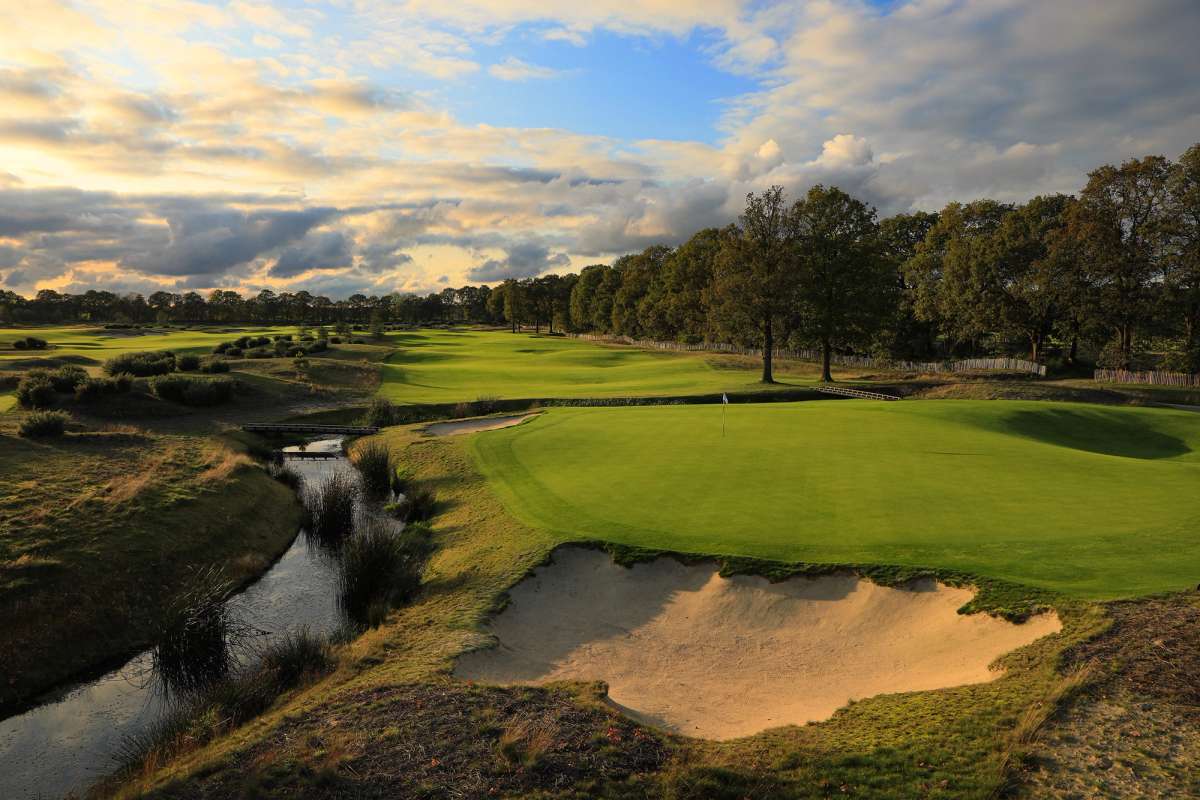
The twentieth edition brings the Solheim Cup to Dutch soil for the first time, marking a historic milestone for Continental European golf. Bernardus Golf in Cromvoirt hosts the competition from 7-13 September 2026, with the official matches taking place 11-13 September. This Kyle Phillips-designed heathland masterpiece has already proven its championship credentials by hosting three editions of the Dutch Open (2021-2023) on the DP World Tour.
The selection represents IMG's appointment as delivery partner for European Solheim Cups from 2026 through 2038, ushering in a new era for the competition. Team Europe will be captained by Anna Nordqvist, the nine-time competitor who brings experience from serving as playing vice-captain in recent editions. Vice-captains Caroline Hedwall and Mel Reid add further European pedigree. Team USA's Angela Stanford makes her captaining debut after three assistant captain roles, supported by Kristy McPherson and Paula Creamer.
Tournament week offers more than championship golf. The PING Junior Solheim Cup takes place on 7-8 September at Bernardus, with Dutch Olympian Anne van Dam captaining Europe's under-18 squad. Practice rounds begin on 5 September with an opening ceremony on the 6th, building anticipation throughout the week. Direct train connections to Den Bosch from across the Netherlands make access straightforward, with shuttle buses transporting spectators from parking areas to the venue. Accommodation in nearby cities including Tilburg, Breda, Utrecht, Eindhoven, and 's-Hertogenbosch provides comfortable bases within 30 minutes' drive.
Bernardus Golf represents modern Dutch golf at its finest, combining American design sensibilities with European heathland tradition. Dutch businessman Robert van der Wallen invested an estimated €50 million to realise this vision after acquiring the project in 2016, bringing in California-based architect Kyle Phillips to craft a championship test worthy of elite professional competition. The course opened in 2018 and immediately secured European Tour status, hosting the Dutch Open from 2021-2023 before earning Solheim Cup honours.
The par-72 layout is divided into three interconnected sections flowing seamlessly through 18 holes of strategic golf. The opening and closing holes frame the striking futuristic clubhouse complex, whilst the middle sections journey through water-influenced terrain (holes 2-8) and heathland character (holes 10-16). Phillips planted extensive gorse, heather, and Scots pine across gently rolling mounds, creating frame lines that guide play whilst honouring the site's agricultural heritage. The transformation from former cornfields to sandy heath required meticulous land shaping and vegetation establishment.
Water features prominently in the strategic equation. Deep ditches guard greens at the par-4 2nd, par-4 9th, par-4 14th, and par-5 18th, demanding precise approach play under pressure. The par-3 8th and par-3 17th require brave tee-to-green carries over water, likely producing dramatic moments during Solheim Cup singles matches. Large, subtly contoured greens feature run-off areas, humps, hollows, and collection zones that reward creativity around the putting surfaces, particularly advantaging players comfortable with links-style ground game.
The practice facilities match championship standards with an enormous driving range and exceptional short-game areas. The eight-room Bernardus Lodge provides on-site accommodation with private bathrooms, a heated outdoor pool (open May-October), tennis court, a gymnasium, sauna, and hammam. The Michelin-starred Noble Kitchen restaurant elevates the culinary experience. The "Day Membership" concept allows visitors to experience member-level service and facilities, creating an accessible yet premium golf destination that balances exclusivity with public access.
Solheim Cup week transforms Bernardus Golf into an international golf theatre. The format's intensity distinguishes this event from individual stroke play championships, as partnerships navigate alternate-shot pressure and fourballs reward aggressive play. Friday morning opens with four foursomes matches where partners hit alternating shots, testing both strategy and nerve as mistakes compound pressure. Afternoon shifts to fourballs, allowing each player to play their own ball with team scores taking the better result per hole.
Saturday repeats the Friday format with fresh pairings, giving captains opportunities to rest players or exploit favourable matchups. The pivotal element arrives in captain's selections for each session, balancing chemistry, form, and matchup advantages whilst managing player fatigue across multiple rounds. Veteran pairs develop shorthand communication and trust, whilst surprise partnerships sometimes produce magical results. European captain Anna Nordqvist and American counterpart Angela Stanford will spend months analysing potential combinations before finalising their strategies.
Sunday's 12 singles matches deliver the tournament climax, with all 24 players competing simultaneously across the course. The singles drama intensifies as leads change hole-by-hole and teams calculate remaining points needed. Captains strategically order their lineups, perhaps placing reliable point-earners early to establish momentum or saving stars for potential must-win situations late. Galleries follow favourite players whilst scoreboards update constantly, creating an atmosphere unique in professional golf.
Spectator experiences extend beyond watching matches. Hospitality options range from general admission accessing multiple viewing areas to premium packages with reserved seating, gourmet dining, and close-up vantage points. Practice days and the PING Junior Solheim Cup provide additional value for multi-day ticket holders. The compact Bernardus layout allows spectators to follow specific groups or position themselves at crucial holes where matches often turn. European crowds traditionally create passionate atmospheres, and the first Netherlands edition promises exceptional local support.
The Netherlands offers exceptional golf within easy reach of Cromvoirt, allowing visitors to extend their trips with memorable rounds on distinguished layouts. Green fees represent excellent value compared to many European championship venues, whilst the Dutch golf culture welcomes international visitors warmly.
Utrechtse Golf Club 'De Pan' ranks among Continental Europe's finest inland tests, located approximately 45 minutes north of Utrecht. This heathland masterpiece features tree-lined fairways threading through heather-clad valleys and sandy hills, creating an atmosphere reminiscent of classic English courses. The strategic design rewards thoughtful play over power, with the inward nine particularly demanding precise execution. Green fees range approximately €160-185 (£135-155/$180-210), with advance booking essential. The course has hosted the Dutch Open multiple times, confirming championship credentials.
Hilversumsche Golf Club provides exclusive heathland golf approximately one hour north of Hilversum. Whilst membership traditionally restricts access, midweek visitors can secure tee times with advance planning. The layout winds through rolling, forested terrain with strategic bunkering and mature trees defining playing corridors. Green fees reach approximately €180-200 (£150-170/$205-230), reflecting the club's prestigious status. The course consistently ranks among Europe's top 100, offering an authentic taste of Dutch golf heritage.
Koninklijke Haagsche Golf & Country Club (Royal Hague) delivers true links golf approximately 90 minutes northwest near The Hague. The undulating coastal terrain mirrors British links with firm turf, strategic bunkering, and wind as a constant factor. This layout tests every aspect of links play from bump-and-run approaches to creative recovery shots. Green fees approximate €175-195 (£145-165/$200-225). Visitors are welcome on specific days with advance booking requirements.
Eindhovensche Golf offers accessible championship golf just 30 minutes from Bernardus. Harry Colt's 1930 design routes through dense forest south of Eindhoven. Tree-lined fairways demand accuracy, whilst elevated greens reward precise iron play. Green fees range €95-115 (£80-95/$110-130), providing excellent value. The proximity makes this ideal for early morning rounds before afternoon Solheim Cup sessions.
De Lage Vuursche Golf Club features another Kyle Phillips design, this time a restoration project transforming flat farmland back to rolling, wooded terrain. Opening in 2000, the layout showcases Phillips's versatility with strategic interest throughout. Located approximately 70 minutes north near Utrecht, green fees are approximately €145-165 (£120-140/$165-190). The course demonstrates Phillips's design philosophy in a different setting than Bernardus.
The Brabant region embraces "Burgundian lifestyle"—the Dutch expression for joie de vivre combined with excellent food and wine. 's-Hertogenbosch (Den Bosch), the provincial capital just 15 minutes from Bernardus, anchors the area's dining culture with streets lined with cafés and restaurants ranging from casual to Michelin-starred establishments.
Noble Kitchen at Bernardus Golf holds Michelin recognition, showcasing contemporary European cuisine with seasonal Dutch ingredients. The restaurant philosophy connects Californian wine culture—through the Bernardus winery connection—with refined European culinary traditions. Dishes emphasise clean flavours and beautiful presentations, whilst the wine list features both Bernardus estate wines and international selections. Dinner reservations are essential, particularly during tournament week when demand peaks.
Coffeelab Den Bosch represents the successful Brabant café chain, located one minute from Den Bosch Centraal station. The menu features excellent breakfast options, including French toast and eggs Benedict, plus homemade cakes and speciality coffee. The modern, welcoming atmosphere attracts locals throughout the day. Multiple locations across Brabant confirm consistent quality.
Nom Nom Nom Nom occupies Den Bosch's liveliest terrace on a triangular square perfect for people-watching. The casual menu suits brunch, lunch, and evening drinks whilst the outdoor seating captures the convivial Brabant spirit. Locals favour this spot for its relaxed atmosphere and central location near shopping streets.
Lou op de Hoek on Korenburgstraat specialises in meat and pasta dishes, with impressive surf-and-turf presentations and an extensive wine list. The restaurant's corner location provides outdoor seating when weather permits. Reservations recommended for dinner, particularly weekends.
DIT offers modern tapas-style sharing plates with healthy and vegan-friendly options. The after-work drinks crowd packs this popular spot, so early arrival or advance reservations prove wise. "Sharing" portions often suffice for individual diners whilst allowing menu exploration.
50/50 serves fusion tacos from a small takeaway with limited seating. Standout options include chicken cha siew whilst vegan choices receive equal attention. The desserts merit ordering. This represents excellent value for quick, flavourful meals.
Jan de Groot Bakery at Stationsweg 24 creates the legendary Bossche bol—Den Bosch's signature dessert. These chocolate-covered cream puffs draw queues, but most cafés throughout the city serve them. The original bakery experience merits the wait for pastry enthusiasts.
The Netherlands' compact geography and excellent transport infrastructure enable effortless exploration. From Cromvoirt, Amsterdam, Rotterdam, Utrecht, and numerous historic towns lie within easy reach whilst the immediate Brabant region rewards extended stays.
The provincial capital 10 kilometres from Bernardus combines medieval charm with vibrant contemporary culture. Sint-Janskathedraal (St. John's Cathedral) dominates the skyline as the Netherlands' finest Gothic church. Construction spanned 1220-1530, with recent restoration completing in 2012. The soaring interior, intricate stonework, and magnificent organ inspire quiet contemplation. The cathedral operates daily outside mass hours.
The Binnendieze underground canal system offers unique perspectives on medieval city planning. Boat tours navigate beneath buildings through vaulted passages, including the atmospheric Hellegate tunnel said to have inspired Hieronymus Bosch's hellish imagery. Tours last approximately 90 minutes with departures from multiple points including Bolwerk St Jan. Advance booking recommended.
Het Noordbrabants Museum showcases regional art and history with particular emphasis on Hieronymus Bosch, Den Bosch's most famous son. The 15th-century painter witnessed the catastrophic 1463 fire that destroyed much of the city—an event many believe influenced his chaotic, demonic paintings. Temporary exhibitions complement the permanent collection.
Jheronimus Bosch Art Center provides immersive experiences with the artist's works through multimedia presentations and detailed reproductions. The centre illuminates Bosch's symbolism and techniques, making his complex paintings more accessible.
Korte Putstraat, Lange Putstraat, and Uilenburg form Den Bosch's dining and entertainment heart. These picturesque narrow streets brim with cafés, restaurants, and boutiques. Medieval houses with wooden frames line Molenstraat, whilst glimpses of the Binnendieze create atmospheric settings. The gezellige (cosy, pleasant) atmosphere peaks during sunny afternoons.
The Paleiskwartier represents modern Den Bosch with futuristic architecture, stylish restaurants, and the Current Rooftop Bar offering cocktails with city views. This neighbourhood contrasts sharply with the medieval centre whilst showcasing Dutch contemporary design.
Amsterdam (90 minutes by train) needs little introduction. Beyond the famous canals, museums, and Anne Frank House, consider the Rijksmuseum, Van Gogh Museum, and Jordaan neighbourhood's authentic charm. Day trips manage highlights, though the city merits longer stays.
Rotterdam (60-75 minutes) presents striking modern architecture including the Cube Houses, Markthal food market surrounded by massive murals, and Euromast observation tower. The city's harbour heritage and contemporary design create fascinating contrasts with Amsterdam's historic core.
Utrecht (45 minutes) offers beautiful canals, Dom Tower city views, and thriving café culture in a more relaxed atmosphere than Amsterdam. The medieval centre rewards aimless wandering whilst the Railway Museum appeals to transport enthusiasts.
Efteling Theme Park (20 minutes from Den Bosch) ranks among Europe's oldest and finest theme parks. This fairy-tale-themed wonder opened in 1952, predating Disneyland whilst drawing five million annual visitors. The Fairy Tale Forest, thrilling rides, and nostalgic atmosphere suit all ages. Budget the full day as the extensive park requires time to explore properly.
Kinderdijk (90 minutes) preserves 19 magnificent 18th-century windmills in an UNESCO World Heritage landscape. The iconic setting represents quintessential Dutch scenery with windmills, polders, and waterways creating memorable photographs.
National Park de Loonse en Drunense Duinen (15 minutes) presents inland sand dunes—a geological rarity in northwestern Europe. Walking and cycling trails wind through this unique landscape nicknamed "the Sahara of Brabant," offering peaceful natural escapes.
Het Bossche Broek Nature Reserve adjoins Den Bosch, providing wetland habitat for numerous bird species. Well-maintained paths enable easy exploration, making this accessible for casual nature walks between city activities.
When is the 2026 Solheim Cup taking place? The competition runs 7-13 September 2026 at Bernardus Golf in Cromvoirt, Netherlands, with the official matches played 11-13 September. Practice rounds begin on 5 September, with an opening ceremony on 6 September. The PING Junior Solheim Cup takes place 7-8 September.
How can I purchase tickets for the 2026 Solheim Cup? Ticket sales information launches in autumn 2025 through the official tournament website. Visitors can register interest now to receive updates when tickets become available. Package deals with accommodation may emerge from third-party providers, though the official organisation sells only tickets.
What's the best way to reach Bernardus Golf from major airports? Amsterdam Schiphol Airport (90 minutes) offers the most international connections with direct trains to 's-Hertogenbosch, then shuttle buses to Bernardus during tournament week. Eindhoven Airport (30 minutes) provides closer access with budget airline options, requiring taxis or rental cars. Rotterdam Airport (75 minutes) serves as another alternative.
Where should I stay during the tournament? The Bernardus Lodge's eight rooms are already booked for tournament week. Recommended accommodation bases include 's-Hertogenbosch (Den Bosch), Tilburg, Breda, Utrecht, and Eindhoven—all within 30 minutes by car with good public transport connections. Early booking is essential as demand will be high.
The 2026 Solheim Cup promises unforgettable golf in the Netherlands, combining world-class competition with rich cultural experiences. Whether attending as a passionate supporter or curious golf traveller, the combination of championship golf at Bernardus, accessible nearby courses, vibrant dining scenes, and diverse attractions creates a complete destination experience.
Visit Top100GolfCourses.com to explore detailed course profiles, reviews, and rankings for Bernardus Golf and other exceptional Dutch layouts. Start planning your Solheim Cup journey today and witness women's golf history in one of Europe's most welcoming destinations.
This guide provides general information for planning purposes. Tournament schedules, ticket availability, and pricing may change. Consult official sources for current details.
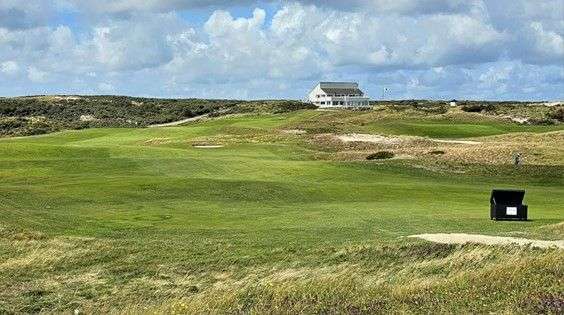
The Top 100 Team caught up with David Davis Co-founder of LockHart Travel Club to discuss another awesome trip to The Netherlands. “A group of Lockhart members ventured to the little known but very underrated golf country of The Netherlands. Known for windmills, tulips, wooden shoes and more than its fair share of rain, this little country packs a serious punch when it comes to World Class Golf”. The Netherlands, the flattest country in the world…until you play golf. With most of our members arriving on Saturday to recoup and refresh, we indulged in a private canal tour through none other than the majestic canals of Amsterdam. Debating golf, golf courses and golf architecture for a couple hours while enjoying some cold drinks on our classic salon boat. We all agreed that life in that moment was pretty darn special with several days of World Class golf to follow. Sunday, we left Amsterdam for a short 30 minute drive up the coast to Noordwijk aan Zee, home of the Noordwijkse Golf Club. No need to try and pronounce it, we offered assistance in that prior to arrival. With rain the entire morning we’d prepared the group for a wet and very windy day. The disappointment could be sensed when the skies opened shortly after we teed off and the sun and wind served up a magical afternoon. Noordwijkse has just approved a long awaited and complete renovation which includes 3 completely new holes with new greens and surrounds befitting a world class links course. Martin Ebert is the architect of choice, and the club is hoping for improvements the likes of Turnberry and Portrush. Miraculously, this set the tone for the week and the Golf Gods were most certainly on our side. To top off the day, that night we dined in one of the best fish restaurants in Amsterdam, Vis a/d Schelde, a perfect day! Monday morning we jumped into the van for the 1.5 hour trek to the Eindhovensche Golf Club which sits down south near the Belgium border. The rain had reached biblical proportions during the night and the club was closed. Luckily we know some important people at the club there and they called ahead to the superintendent and reminded them that the Lockhart gentlemen were on the way. The positive answer came as we were already underway. They would open the course for us at 12:30 pm. The biblical rains followed us for most the trip down. 30 minutes out it was dry and remained so until we were sitting with beers on the 19th hole. Our best guess, the boys from Florida, Spain and The Bahamas brought some good weather karma along. Eindhovensche is a classic Harry Colt design where the club is working extensively to remove trees and open up vistas on the course as well as regenerate heather. A strong routing, it also has a pair of truly all-world golf holes in the short, drivable par 4 second and the short par 4, 5th hole. Tuesday was to be a very special day with a visit to the World Top 100 – Koninklijke Haagsche Golf and Country Club. One of C.H. Alison’s legacies to the golf world, Hirono and Kawana widely considered the others. Note, if it’s not obvious, the name was chosen because of its strong international marketing potential. Needless to say, nobody passed the preparatory pronunciation training on this one. Royal Hague as most of the world knows it, is a wild ride and truly one of the most undulated walking courses you will find anywhere. That starts with the steep uphill hike from the club house to the starters hut at the first tee. By the time you reach the third fairway, your daily hill climb workout can be checked off and unless you are a mountain goat your legs will be burning. This wild ride continues from start to finish with blind shots, few flat lies, crowned greens and plenty of wind to contend with. Utrechtse Golfclub de Pan is one of our favorite courses on the entire European continent and it would be very difficult to dream up a more fitting setting and wonderful course to end our NL adventure. De Pan as locals call it, has also been ranked well inside the World Top 100 for a number of years now. World class golf holes are a dime a dozen at De Pan which benefits from one of Harry Colt’s best routings on a tight little property. The stretch of holes from the double blind shot par 4, 6th right on through to the reachable par 5, 18th could hold its own in any argument for the best 13 hole stretch of golf holes on the planet. Needless to say, the entire group left wanting to go straight back out for another go. That’s about the best we could ask for. Register Your Member Application with Lockhart Travel Club With plenty of golf on the horizon for 2024, join our next adventure and sign up for one of our great upcoming trips today! Click Here to Learn More About Lockhart Travel Club
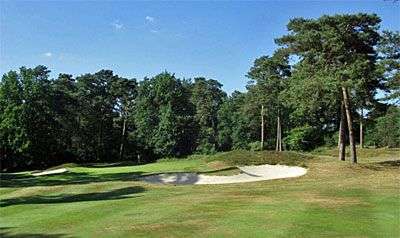
The Netherlands – a golf destination of surprising high quality We spend five days visiting some of the old (and not so old) Dutch Masters In June of 2016, three of the UK-based Top 100 Team joined our Nordic correspondent Jan Nordstrom for a very entertaining week-long tour of top golf courses in Sweden, based around Malmö in the south of the country. This year, our International correspondent David Davis invited the same group to The Netherlands, his adopted country, to sample several of the old Dutch Masters that aren’t widely known beyond the polders of the Low Countries. We were scheduled to play the current top seven courses in the country, all of which are ranked in our Continental Europe Top 100, so we suspected we were in for a golfing treat even before we touched down in Amsterdam, where we were based for most of the trip. The Netherlands doesn’t promote itself as a golfing destination via any of its tourism websites – though you’ll read plenty about food, arts & culture, cycling etc – so you really need to dig deep to find what you’re looking for. First up on the itinerary was David’s home club at Noordwijkse, which lies on the North Sea coast, around 45 minutes south west of downtown Amsterdam. Although the club is more than a hundred years old, the course is less than half that vintage, having been set out by Frank Pennink through towering dunes and a woodland of pine trees in the early 1970s. It was displaced at the head of the Netherlands national rankings when we re-sequenced the chart at the start of last year but that fall was all about other courses improving, rather than Noordwijkse deteriorating. Next stop was the current national number 1, Koninklijke Haagsche, situated 20 kilometres further along the coastline. The club dates back to 1893 but the course is a little younger, having been laid out in 1939 by the famous architectural firm of Colt, Alison and Morrison for Stuart Wolf, a wealthy merchant. Royal Hague acquired the property after World War II and brought in Sir Guy Campbell to ready the course for play again. It’s a thrilling roller coaster of a golf ride from start to finish and one that will last in the memory for a very long time indeed. Day two of the tour saw us move inland, to Utrecht and then to Eindhoven. We were joined at Utrechtse Golf Club de Pan in the morning by architect Frank Pont, who was kind enough to walk most of the front nine with our group, pointing out a number of course improvements that he’s made recently. Another late 1920s design from Colt, Alison and Morrison, the course occupies a compact tract of wooded heathland, where only a masterful routing would have allowed an eighteen-hole course to be set out in such a comfortable fashion. For so long an unheralded track, de Pan is now talked about by those in the know as one of the best in Europe. In the afternoon, we took the opportunity to play Frank Pont’s Championship 18-hole layout at Golfbaan de Swinkelsche and this modern course, which only opened for play five years ago, certainly provoked lots of discussion along the way – especially at the short par four 11th, which offers multiple routes to the green over or around a large sandy waste area facing the tee box. Because the landscape in this area is relatively flat, most of the bunkers are big and bold, adding visual interest all the way around the course. Golfers with an open mind who come to play here will find the course thoroughly engaging, of that there is no doubt. It seemed like a good idea to take something of a break half way through the schedule, so the following morning was spent on a visit to the latest Kyle Phillips design that’s still being constructed at Cromvoirt, to the north of Eindhoven. Dave Smith, Kyle’s shaper of many years, and Graeme Rutjes, the project manager (and former defender with the Netherlands football team at the time of Italia ’90), showed us around the site on a couple of buggies. The fescue fairways are being built on sand, heather is being extensively transplanted and no expense has been spared with a multi-million-euro budget. The clubhouse and practice facilities also look like they're top spec, so expect to hear quite a bit about this place when it opens next year – and remember where you read about it first. Fifty kilometres to the south, on the other side of Eindhoven, lies Eindhovensche Golf Club, our next golfing port of call in the afternoon. According to the club’s “caddie book,” the wide expanse of heathland named “Nederheide” was purchased by Mr and Mrs Philips-de Jong in the late 1920s. The Colt, Alison and Morrison design company was commissioned to layout the course and the inaugural golf games were played in the autumn of 1929, with the club officially founded the following year. Nothing much seems to have changed since then, which is not to say the track is stuck in a time warp as it’s under constant revision, but there’s a real feeling of stepping back in time when you tee it up here. The penultimate day of the golfing excursion was spent close to the media city of Hilversum, with an early start at Golfsociëteit De Lage Vuursche. It’s a very modern layout, officially co-designed by Kyle Phillips and Robert Trent Jones Jnr (though there’s a story behind why RTJII is on the architectural credits) with a chic clubhouse to complement the water-laden 18-hole course. Conditioning is second to none here, leading some to possibly think it looks and feels like playing a top-end track in the sunshine state of Florida – that’s not to be dismissed as a disparaging statement, instead it indicates the very high quality of a golf facility that’s not short of members prepared to pay a considerable joining fee and substantial annual green fees. In the afternoon, the short 15-minute drive to Hilversumsche Golf Club transported us to a completely different landscape, even though it was located only ten kilometres away. The course is laid out on rolling heathland, with tree-lined fairways arranged in two distinct tracts of land that are located in adjacent provinces. The course was extended to an 18-hole layout by Colt, Alison and Morrison in the late 1920s then modified by Sir Guy Campbell thirty years later. Kyle Phillips has carried out some modifications in recent times to strengthen the challenge and ensure it’s fit for purpose in the modern era. And so to the final day of the trip and it was back to the seaside, where it had all kicked off four days earlier. Kennemer Golf & Country Club is situated just outside Zandvoort, close to the famous motor racing circuit, and the club has operated here since 1927 when (yes, you’ve guessed) Colt, Alison and Morrison Ltd. set out two 9-hole circuits in the sandhills surrounding the clubhouse. Frank Pennink added a further 9-hole loop in 1985 (using a routing designed by Harry Colt from sixty years earlier) so the club now offers twenty-seven holes of fabulous links golf to members and visitors alike. The names Colt, Alison & Morrison Ltd., Pennink, Pont and Phillips all loom large in the courses visited on this trip and that’s not a coincidence. The former company shaped most of the Golden Age layouts in the Netherlands which endure to this day whilst the latter three are responsible for building many of the modern-day designs in the country, or remodelling the old classic layouts to keep pace with play in the new millennium. It stands to reason that if you want to see the best courses then these architects will all feature at some point during your tour. Looking back to twelve months ago, venturing north to Sweden in search of great golf was a wise decision and the Netherlands this year has at least matched that wonderful experience. The question now is where should we be heading to in 2018 to top those two countries? Is there a case perhaps to be made for the likes of Belgium, France or Germany, or maybe one of the emerging central European nations like Poland or the Czech Republic? Suggestions gratefully received, so please fire away by using the “Respond to this article” link at the top or at the bottom of this page. Jim McCann Editor Top 100 Golf Courses
Course architecture snippets from around the world #2 In February, we published a comprehensive report from more than a dozen distinguished architects around the world about projects they were currently involved in. Specifically, they told us about a whole host of new ventures and restoration/renovation schemes that were due for completion this year. We arranged these items geographically last time around, beginning with Great Britain & Ireland and ending with Africa. The only regions left out of our global roundup were Continental Europe, the Middle East and the Caribbean & North Atlantic Islands and we’ve managed to address those omissions by including two of them in this edition. CONTINENTAL EUROPE Netherlands Frank Pont tells us he’s building a 9-hole reversible course at Ullerberg, in an old sand pit in the middle of the largest heathland area in the country. He’s also finishing off construction of a 9-hole par three course at Oosterhoutse (using land freed up last year by the acquisition of five new holes) which will complement the existing 18-hole course. Frank is rebuilding three holes at Amsterdam Old Course – a Colt, Alison and Morrison layout – which celebrated eighty years of operation in 2015. Situated less than one kilometre to the north of the Amsterdam ArenA, where the city encroaches on every side, it’s astonishing that this little 9-hole track still remains in existence. Germany Christoph Städler informs us the first stage of his 45-hole project in Donaueschingen, east of Freiburg, is due to open next month. It’s partly new build, partly renovation and redesign. The second phase will open in late summer with full completion scheduled for mid-2018. In June of this year, an additional nine holes of Christoph’s are due to open at Münster-Tinnen, north of Dortmund, extending the course to a 27-hole facility. His renovation and partial redesign of the 18-hole layout at Hamburg-Ahrensburg is set to come to an end in September. Frank Pont is building another 9-hole reversible course and a 9-hole small course near Chiemsee in Bavaria, close to the Austrian border, with spectacular views over the Alps. To the north of the country, the same architect is half way through a bunker renovation using Bunkermat at Köln and the remaining nine holes will be done this Autumn. Turkey Tim Lobb's third course in Turkey, near the popular resort town of Bodrum, is nearing completion. Grassing at Country Life Golf Club (rebranded Regnum Golf & Country Club) will be finished by early summer and the course is scheduled to open in October. It’s being developed by Fikret Öztürk, the owner of Carya Golf Club in Belek, which Tim designed under the banner of Thomson Perrett & Lobb. "The site is about two kilometres from the sea, and up in the mountains above Bodrum town," says Tim Lobb. "It's a big site - about 300 hectares - and runs through a working olive grove, which we have retained. The site has great topography, but it is extremely rocky, so it has been a challenging build. The bunkers, for example, have been placed and designed hole by hole during construction, depending on ground conditions - and there aren't many of them, less than thirty on the whole course. We have really built the course in the field, with lots of hand sketching and field notes, rather than predetermining the design in the office. That's a new process for me, and I've been fortunate to work with an excellent contractor, Naki Evandir of GolfTek - in fact it is the fourth course I have built with him over the past eighteen years." MIDDLE EAST United Arab Emirates Currently under construction, Peter Harradine’s Legends Golf Course will be a fun 9-hole course, with a driving range and practice green, set within the Living Legends real estate development in Dubailand. The course has five or six tees on each hole, creating a wide range of lengths and angles. It’s a player-friendly layout with reasonable hole lengths, wide fairways and wall to wall grassing that still provides a challenge to more accomplished golfers with strategically placed bunkering and water hazards. Irrigation and drainage lines have all been installed, floodlighting poles and fixtures have also been located on the course and driving range. Most of the layout should be ready for seeding by the end of June with a tentative opening date for the end of December. ASIA Vietnam IMG’s new Vinpearl Golf Hai Phong facility is located on the island of Vu Yen, just outside Vietnam’s most important seaport of Hai Phong in the northeast of the country. Officially opened this month, the golf facility consists of two 18-hole layouts (Lakeside and Marshland) which are grassed with paspalum fairways and bermuda greens inside a massive 2,200-acre Ecotourism Area. The Lakeside course is laid out as a scenic resort-style track where water comes into play on twelve holes and it features generous fairways and large, undulating greens. The Marshland course is routed around carefully preserved open wetlands and it’s been fashioned with grass-faced bunkers and medium to small sized greens which demand accurate approach play. “Out like a lamb, in like a lion,” is architect Brian Curley’s assessment of Schmidt & Curley’s new Mountain Course at FLC Quy Nhon, which has just debuted. He’s referring to the first four holes versus the same number of challenging holes at the end of the round on a terrific track which is routed across a sandy hillside location above the recently opened Ocean course from Nicklaus Design. Incredibly, the all-Platinum paspalum Mountain course opened less than six months after shaping first began on a sandy, pine scrub hillside with stunning elevation changes that offer ocean views on sixteen holes. Links course styling with swales and hollows around many of the greens helps to promote a bump and run ground game here. Fairways are generously proportioned to take account of the dramatic topography. The absence of large trees and water plus a limited number of bunkers might give the impression that this layout is less challenging than the Ocean course but there’s lots of movement in the greens with some pins not visible from either the fairway or the tee. AFRICA Egypt Situated to the west of El Alamein on the Mediterranean coast, Peter Harradine’s resort course at Marassi has been built around a series of man-made lagoons and streams connected directly to the sea. Part of an integrated residential development, the fairways are wide and accommodating though water comes into play on more than half the holes. The facility is due to open in the second half of 2017. Set within a series of rocky hilltops overlooking the capital, the new Harradine course at Uptown Cairo winds its way around and in between rocky outcrops in valley-like corridors with the real estate sitting high above, allowing residents expansive views across the course. As might be expected with such unique and challenging terrain, the elaboration of detailed plans and specifications, technical descriptions and bills of quantities was very intricate and sophisticated, ensuring the full potential of the site could be realised. The clubhouse, driving range, chipping area and putting greens have now been completed and the first nine holes of the course should be open by the end of 2017. After a three-year build, the NEWGIZA course in Egypt, which sits within a 500-hectare master planned development, will open later this year. Designed by Tim Lobb and Ross Perrett for Thomson Perrett & Lobb, the course occupies a stunning location only a short distance from the Giza pyramids. "It has been a long and difficult build due to the conditions on site, but we are getting there and the results are stunning," said Lobb. "I believe it will be a strong candidate for the title of Egypt's best course." Twelve holes are now grassed - the first one was started nearly two years ago - and the spectacular clubhouse is well into construction. Final landscaping is under way on much of the site. "We have now shaped the par three 4th hole, which we believe will be much photographed, as it plays directly at the pyramids," said Lobb. "The twelve holes on the main part of the property are finished; we're now working on the last six – holes 3 to 8 – and they occupy a different plot of land.” GREAT BRITAIN & IRELAND England The Old course at the Royal Automobile Club has had all its bunkers replaced by Tom Mackenzie over a 15-month period, with the 13th hole completely redesigned. The upgrade work is due to be fully finished in June. The final phase of Tom’s bunker reconstruction work at Goodwood (Downs) is now finished and the course re-opens for play later this month. Mentioning sand hazards, Frank Pont is currently working on bunker projects at Blackwell, Camberley Heath, Ringway and Tyneside. He’s also trialling the installation of Blinder bunker liners on a couple of holes at Tandridge, with a view to renovating all greenside bunkers on the course if the trial is successful. The major renovation of the Buckinghamshire Golf Club to the north-west of London is now finished and the course has reopened. Course manager Andy Ewence, who managed the project, said: "This has been something of an epic, as we have virtually rebuilt large parts of the golf course, while still keeping it open for play. There were four separate contractors involved, with over forty contracting staff on site on a daily basis." The project has seen the overall area of bunkers on the course – originally designed by the late John Jacobs – shrink from over 14,000 square metres to 6,400 square metres, with obvious consequences for the levels of maintenance required. Architect Tim Lobb said: "It was always obvious that we needed to reduce the area of sand at the Buckinghamshire, but what particularly pleases me is that we have done so while at the same time making the bunkers more thought provoking hazards – and more visible. Generally, the bunkers are tighter to the greens than they were before, and we have introduced central hazards on the 5th and 18th holes - while clearing trees on the right of 18 to create an alternative line to the green. The par fives were generally very wide and not very interesting before the project; now bunkers threaten the playing lines and create real strategic choices." Ireland Robert Trent Jones Jnr’s firm is delivering an original design at Hogs Head Golf Club in Waterville and this new course is due to be unveiled in August this year. Part of this headland layout is set out on land where the defunct Skellig Bay Golf Club once operated and holes 8 to 16 are now laid out along the coast with some of the inland fairways routed around the Finglas River. Playing surfaces are sand-capped, planted with three sorts of specially selected fescue grasses that are native to Ireland. The intention is to promote firm and fast playing conditions that will allow golfers to play the ground game if they so choose, especially when the wind gets up. Scotland Work carried out by Tom Mackenzie on the re-aligned 12th hole on the Championship course at Royal Dornoch (the 560-yard par five named “Sutherland”) has now ended, with the tees repositioned away from the 5th fairway and 11th green to produce a more challenging hole. NORTH AMERICA United States In 2016, Bill Coore and Ben Crenshaw were appointed to carry out a 3-year renovation of the course at Seminole. Working with bunker specialist Jeff Bradley in phase 1 of the project, they overhauled almost thirty bunkers on holes 12, 13 and 14, restoring the natural sandy waste areas between the holes in manner similar to their recent Pinehurst No 2 upgrade. Phase 2 in the summer of 2017 will see around a hundred bunkers rebuilt, with the remaining eighty or so sand hazards to be completed the following year. Several Greg Norman Golf Course Design restoration projects are nearing completion and they include the Black course at Tiburon Golf Club in Naples, Florida, the 18-hole layout at Savannah Quarters in Georgia, the International course at Championsgate Golf Club in Davenport, Florida and the 45-hole golf facility at The Golf Club at Lansdowne, near Leesburg, Virginia. Canada Gary Browning tells us the first of his two 18-hole layouts at Serenity Golf Club, southeast of Calgary, will be opening for play this summer. Named Dancing Bull, it’s due to be followed by the Suncatcher course in the summer of 2019. Before then, the two totally renovated 18-hole layouts at Kananaskis Country Club are set for a grand reopening in the summer of 2018. Both courses were totally devastated by flooding in June of 2013, leading to their closure, and it’ll be an emotional occasion for many when they make their much-anticipated reappearance. OCEANIA Australia Greg Norman Golf Course Design recently celebrated the opening of its 100th course at Eastern Golf Club in Australia and it currently has forty-two others under contract and another twenty-two actively under development, including six redesign projects. The firm has just relaunched the Brookwater Golf & Country Club course in Springfield, to the southwest of Brisbane in Queensland. The layout is a Greg Norman design which debuted in 2002 and the course has just reopened after a progressive overhaul that included strategic design changes to greens, fairways and bunkers. Central to the project’s scope of work was the resurfacing and restoration of the green complexes to return them to their original size, look, and feel. Fairways were also widened and a vigorous vegetation management program removed overgrown foliage around the course and in waterways, opening playing corridors where the original design intent had been compromised. Drainage and irrigation systems were also significantly updated which now presents an overall improvement in course conditioning that enhances the playability experience for golfers. We’re also aware of Cathedral Lodge, another Greg Norman design which is being constructed for investment banker and former Essendon AFL club president David Evans on the Goulburn River, near Alexandra in Victoria. From what we hear, there’s every prospect of this new 18-hole layout rivalling the quality of the private track that the late Kerry Packer commissioned Norman and his design team to build in 2001.


