
For decades, golfers have dreamed about playing the world's best golf courses, only to discover that many top-ranked venues are private clubs accessible only through member invitations. That changes now with our groundbreaking Best Golf Courses in the World You Can Play ranking—the definitive list of world-class golf courses you can book with a simple phone call and credit card.
Top 100 Golf Courses has always focused on identifying the world's finest golf courses, regardless of accessibility. Our new Best Golf Courses in the World You Can Play ranking changes that approach by highlighting exceptional courses that welcome public play.
This comprehensive ranking is a carefully curated derivative of our prestigious World Top 100 ranking, examining golf courses from both our main list and contenders that accept green fee players. The result: 70 of the world's most spectacular golf courses you can actually play.
Unlike other "courses you can play" lists, our ranking focuses on true world-class quality rather than simply public accessibility. We've excluded most American private clubs (except resort destinations like Sand Valley and Bandon Dunes, plus publicly-owned courses like Bethpage Black) to focus on genuinely accessible world-class golf.
The numbers tell an incredible story about golf accessibility outside the United States:
These statistics shatter the myth that golf's greatest venues are exclusively private.
Our analysis reveals that Great Britain and Ireland dominates accessible world-class golf. The region's links courses represent golf in its purest form, and most welcome visitors who book in advance and pay appropriate green fees.
Scotland leads with legendary venues like St. Andrews, Royal Dornoch, and Turnberry. England contributes classics including Sunningdale and Royal St. George's. Ireland and Northern Ireland add gems like Lahinch and Royal County Down.
The following countries offer their very best golf courses to green fee players:
GB&I: England, Ireland, Northern Ireland, Scotland, Wales,
Europe: Norway, Spain
Asia: Australia, South Korea
Americas: Bermuda, Dominican Republic
Middle East: United Arab Emirates
Africa: South Africa
Both Australia and New Zealand have embraced the British philosophy of making world-class golf accessible to visitors. Australia shines with 10 entries in our ranking, including Royal Melbourne West and the spectacular Cape Wickham Links. New Zealand contributes several outstanding courses, with only the ultra-exclusive Tara Iti as the exception to the general rule of accessible golf in New Zealand.
While most top American courses remain private, several resort destinations offer world-class golf:
Bandon Dunes Resort, Oregon - Features four courses in our top 70, establishing itself as the world's premier golf resort for serious players
Sand Valley Resort, Wisconsin - Multiple courses including Sand Valley and Mammoth Dunes
Streamsong Resort, Florida - All three courses (Red, Blue, and Black) welcome public play
Kiawah Island, South Carolina - The Ocean Course, site of multiple major championships
Bethpage State Park, New York - The Black Course proves that municipal golf can achieve world-class status
Most world-class courses accepting public play require advance booking:
Expert Golf Travel Planning: For golfers serious about accessing the world's best courses, consider partnering with specialists who understand the booking intricacies of elite venues. Lockhart Travel Club offers members exclusive access to world-class golf exploration and adventure, with expertise in securing tee times at the most sought-after courses globally. Their insider knowledge and established relationships can be invaluable when planning once-in-a-lifetime golf experiences at courses that typically book out months in advance.
Expect premium pricing for premium golf:
Some courses offer preferential booking through on-site accommodation or partner hotels—particularly valuable for international visitors.
We're developing additional resources for golfers seeking world-class experiences at various price points:
Lowest Price Best Golf Courses in the World You Can Play - Highlighting exceptional quality at accessible prices
Value Indexed Best Golf Courses in the World You Can Play - Ranking courses by quality-to-price ratio
Despite golf's reputation as an elitist sport, our research proves that the majority of the world's greatest golf courses (outside the USA) welcome visitors willing to pay green fees. This accessibility makes golf travel more rewarding than ever for passionate golfers.
The Best Golf Courses in the World You Can Play ranking demonstrates that dream golf is more attainable than most golfers realize. Whether you're planning a pilgrimage to St. Andrews, a links tour of Scotland and Ireland, or an Australian golf adventure, world-class golf awaits your booking.
Subscribe today to access detailed course profiles, booking information, and insider tips for playing the world's greatest accessible golf courses.
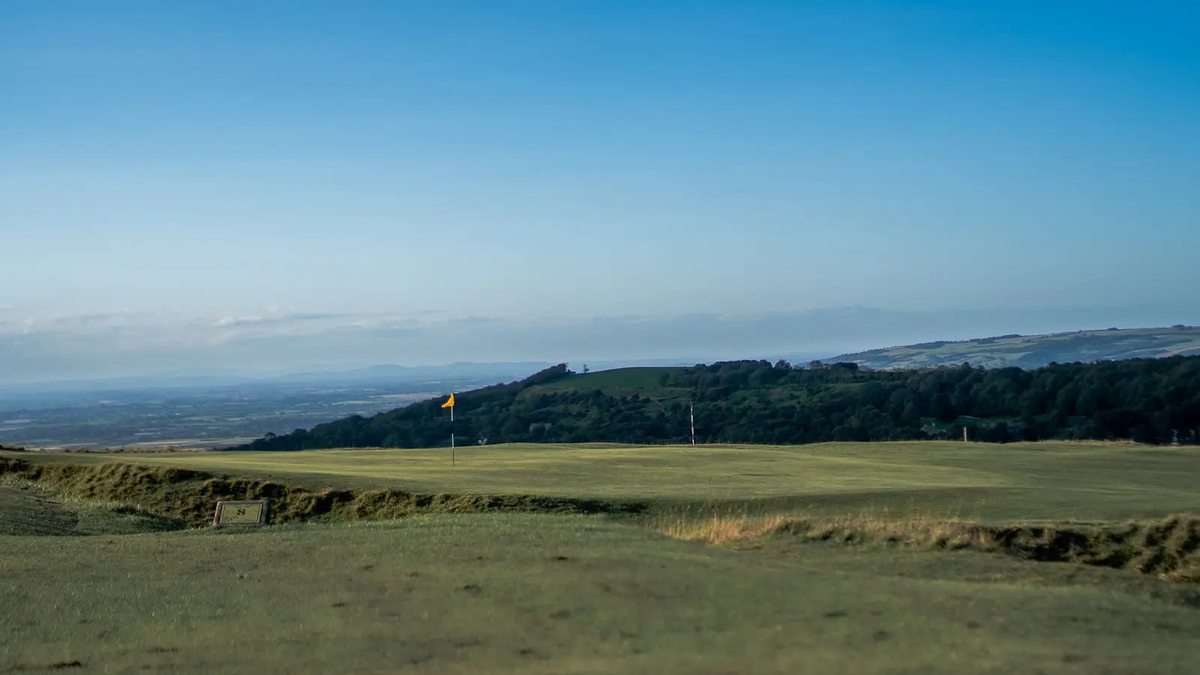
Alex Frolish has been a pilot for approaching 20 years and now travels to all corners of the globe in his role as a commercial airline pilot. His passion for flight is only equalled by his passion for golf and golf travel. Having picked up a golf club over 35 years ago when aged just 3 years old, Alex has played over 550 courses across every continent on planet earth furnished with a fairway. Over the next few months you’ll be able to follow Alex’s golfing travels as he brings you anecdotes of his life both in the air and on the course. Negotiating the January Four-Footer January is like a testing four-footer for par to a Northern hemisphere golfer; it is one of those golfing experiences that has to be endured rather than relished. Those of you residing in Buenos Aires, Cape Town or Melbourne may not be able to relate to the scale of the dreariness of a boggy English parkland golf course in January, but to most northern hemisphere golfers, to some degree, we know it all too well. One of the greatest plus points of my life as a commercial pilot is that I get to travel to where the weather is good. Most months I’ll see the summer sun and a temperature upwards of 20 Celsius, and that is undeniably one of the greatest perks of my job. As January 2023 has shown however, that doesn’t always translate into any more golf than I would have played at home in the UK. Very similar to my December 2022, my start to 2023 has been littered with golf rounds nearly played. Photo credit: Cleeve Hill Golf Club A pre-planned round in Tel Aviv didn’t come to fruition as it transpired the course I was heading to play was closed on Mondays (a small detail that had been missed from my extensive email exchange with the club). My trip to California was timed with one of the many winter storms that have battered the west coast of the USA in recent weeks, meaning a trip to the hills of Lake Tahoe to enjoy the snow was more appropriate than trying to negotiate the sodden fairways of the Bay Area. Finally, a locked in trip to visit Bandon Dunes in Oregon was disrupted by a change to my flight schedule and subsequent inability to renegotiate my tee times. Sometimes the best made plans are just that. I only played two rounds in the whole of January (and both were in the UK), my quietest golfing month in a number of years. My travelling luck been particularly scarce, whereas my UK based plans have been remarkably resilient. I played my home course, Cleeve Hill, on a particularly balmy morning in good company and finished the month with my first visit to the best golf course in England, Royal St George’s on the perfect winters day; cold and crisp with a light breeze and plentiful sunshine. Royal St George's, photo credit: Jason Livy What my visit to Royal St George’s reaffirmed for me was my love for links golf and everything it represents. Links golf courses share many similar qualities, but the more I play, the more I feel that a crucial element of an elite links layout is that the ground boasts tumbling undulations on pretty much every part of the course bar the teeing grounds. So many links courses boast firm turf and routings intelligently stitched across varied coastal ground. However my favourite links (and the ones that tend to feature highest in the rankings) generally offer the least amount of time with your feet on level ground, adding intrigue and challenge to every single shot. Royal St George’s is special and joins the likes of Royal Dornoch, Royal Porthcawl and the North Berwick West Links in the highest echelons of my links golfing experiences to date. Looking ahead, February on the face of it should be a healthier golfing month. Another trip to the San Francisco Bay area should lead to a game at a resort golf course who’s star is rising rapidly, Yocha Dehe. A trip to Dubai is planned to coincide with my first outing on the Earth Course at the Jumeriah Estates, and a long awaited trip to Los Angeles is planned to include a trip to the intriguing Rustic Canyon, and possibly, to one of the most revered country clubs in North America. In the UK, unless the weather defeats me, I’ll be enjoying the links of the Church course at St Enodoc and possibly, visiting a couple of other courses in England for the first time. Whether you are reading this on the beach in Rio de Janeiro or wrapped in blankets on your sofa in Montreal, at the soonest opportunity, I wish you the straightest of drives, well negotiated four- footers and happy rounds.

The Ultimate Caddy Guide: Etiquette and Tips for Playing the World's Top Golf Courses Expert advice on working with caddies at bucket-list destinations like St. Andrews, Pebble Beach, Cypress Point and Ballybunion Introduction: Why a Good Caddy Makes All the Difference Picture this: You've finally scored that tee time at Pebble Beach, St. Andrews, or Ballybunion. You've dropped more cash on the greens fee than your monthly car payment. You're jittery with excitement on the first tee, and suddenly it hits you – you've never played with a caddy before. What's the proper tip? Should you rake your own bunker? Can you really trust this stranger when they say "aim three cups right" on a putt that looks dead straight? I've been there. Most of us have. The caddy-player relationship can be awkward if you're not used to someone carrying your bag and giving you advice. But get it right, and a good looper can transform your bucket list round from merely memorable to absolutely magical. According to Morgan Mahalack, who's carried bags at Baltimore Country Club, Olympic Club, and several exclusive Los Angeles private clubs, the caddy-player relationship is pretty simple: "It's built on mutual respect and clear expectations." So let's cut through the mystery and get to the good stuff: How to prep your bag so your caddy doesn't silently curse your name by the third hole When to handle course maintenance yourself (yes, sometimes you still rake your own bunkers) The proper way to handle green reading advice when you're convinced the putt breaks the other way How to handle the money conversation without making everyone uncomfortable Whether you're heading to Bandon Dunes next month or saving up for that once-in-a-lifetime pilgrimage to the Home of Golf, these insider tips will help you navigate the experience like you belong there. And as Morgan puts it, a good caddy "can easily save you 10 strokes" on an unfamiliar course – making that caddy fee the best investment of your golfing trip. Before the First Tee: Setting Yourself Up for Success Understanding Different Caddy Arrangements at Top Golf Courses Before you arrive at prestigious courses like Pine Valley or Royal County Down, it helps to understand what type of caddy service to expect: Single Bag Caddy: One caddy dedicated solely to you – the premium experience but less common at busy courses Double Bag Caddy: One caddy carrying two bags – the standard arrangement at most top 100 golf courses worldwide Four Caddy Service: One caddy assists a foursome in carts, typically handling putters, bunker raking, and course management Pro Tip: Double bagging is typically preferred by caddies for financial reasons, but means you'll share attention with another player. Your expectations should adjust based on which arrangement you'll have. How to Prepare Your Golf Bag for a Caddy Nothing makes a worse first impression than showing up with an unnecessarily heavy bag at courses like Muirfield or Shinnecock Hills. Here's how to prep like a pro: Remove excessive golf balls (12 max for most players) Clean your clubs thoroughly before arrival Consider using a lightweight carry bag rather than a tour or cart bag Remove unnecessary items (excessive rain gear, etc.) Insider Knowledge: "I once caddied for a guy who had 36 Pro V1s in his bag," shares Morgan. "Halfway through the round, I secretly stashed them in a maintenance cart because the bag was so heavy." What Caddies Notice During Your Warm-Up Caddies are often observing you on the range before your round, making mental notes about: Your typical shot shape and distance with various clubs Your pre-shot routine and tempo Whether your equipment suggests your true skill level Caddy Secret: Most top caddies can determine your yardages just by watching your range session. Being honest about your handicap saves embarrassment - they'll know your game within three holes anyway. On the Course: Building a Successful Caddy Partnership Tee-to-Green: Making the Most of Caddy Advice When playing unfamiliar championship courses like Carnoustie or Pine Valley, local knowledge is invaluable: Trust your caddy's line suggestions, especially on blind shots Be clear about your typical shot shape and distance Ask specific questions about hazards and landing areas Expert Advice: "Surrender to the caddy," Morgan recommends. "At iconic courses, local knowledge trumps your instincts 99% of the time. The caddy who's seen thousands of shots from your exact position knows better than you do." Understanding Green Reading Language at Elite Courses Greens at top-ranked courses like Augusta National or Royal Melbourne can be particularly challenging to read. Caddies use specific terminology: "Cups outside" refers to aiming points measured in cup-widths from the hole on either side "Percentage reads" indicate how much break to play (e.g., "50% less" means less break) Visual pointing uses the flagstick to indicate the ideal line Key Insight: Different caddies at different destinations use different systems. Ask for clarification early in the round if you're unclear about their terminology. Halfway House and Refreshment Protocol with Caddies Customs around food and drink vary between prestigious golf clubs around the world: At the turn, it's often good form to ask if your caddy wants something Caddies are not responsible for fetching drinks during play but they may offer to do so Navigating Challenges: When Your Round Gets Complicated When Caddy Advice Doesn't Work Out Even at the world's best golf courses like Cypress Point or Trump Turnberry, misreads happen: Professional caddies often feel worse than you do about misreads Cultural differences matter - Irish caddies might playfully tease you after a poor shot American caddies typically maintain professional courtesy regardless of the outcome Building trust throughout the round matters more than individual shots Real Example: "At Ballybunion, our caddies would (joke) after bad shots, which took all the pressure off. That approach would never work at most American private clubs," shares Morgan. Managing Golf Frustrations with a Caddy Present Even at bucket-list courses, bad days happen. Here's how to handle them: Experienced caddies have already seen every form of golf frustration imaginable Professional caddies maintain a "straight face, mouth shut" demeanour during player outbursts Focus frustration on yourself, never your caddy Remember that how you handle adversity reveals character Caddy Perspective: Morgan recalls a player smashing a tin of beer with his driver after a poor shot. "I just picked up the club, put it back in the bag, and kept walking like nothing happened. That's what professionals do." The Financial Side: Properly Compensating Your Caddy Understanding Caddy Payment at World-Class Golf Destinations Payment structures vary between top golf courses internationally: At most prestigious courses, approximately $150 (£150 or €150) per bag is fairly standard as a ballpark figure Scottish and Irish courses often have a set fee plus expected gratuity Payment methods vary - sometimes fees are prepaid, sometimes paid directly Cash is nearly always preferred Direct Advice: "If you're unsure about compensation, simply ask your caddy directly what the standard is at that course," suggests Morgan. "They'll appreciate the straightforward approach." When and How to Tip Your Caddy Appropriately Compensating caddies appropriately is part of proper golf etiquette. You can ask in the pro shop discreetly about expectations if not clearly stated elsewhere. The following may also help: Consider the caddy effort and experiential improvement Exceptional service merits additional consideration Present payment discreetly at the end of the round if appropriate Remember that caddies depend on proper compensation for their livelihood Practical Tip: For once-in-a-lifetime rounds, err on the side of generosity. If being hosted by a member, some consider it good form to offer to cover caddie costs. Conclusion: The True Value of the Caddy Experience The relationship between player and caddy represents one of golf's most distinctive traditions—a partnership that enhances playing the world's greatest courses. As Morgan puts it, "It's a circular deal...you're helping that caddy out, allowing them to have a career, and you're going to maximize your experience." Consider what you gain with a caddy at bucket-list courses: Local knowledge that can "easily save you 10 strokes" at unfamiliar venues Insights into strategic nuances that make top-ranked courses special Freedom to focus entirely on your game, not logistics A cultural connection to the history and traditions of the course When Morgan played Ballybunion with his friend, their caddy John Stacky—both a looper and course member—delivered not just club selections but authentic Irish golf culture. That experience simply can't be replicated with a yardage book and rangefinder. Whether you're planning your dream round at Pinehurst No. 2, Royal Dornoch, or Tara Iti, understanding these unwritten caddy codes transforms you from an awkward visitor into a seasoned local. Golf at its best isn't just about the score—it's about the connections and memories created. A great caddy doesn't just carry your bag; they carry a piece of the course's soul, sharing it with you one hole at a time. Quick Reference: Caddy Etiquette at World-Class Golf Courses In a nutshell, the following bullet points will get you started: DO: Consider a lightweight carry bag when possible Fix your own ball marks Be honest about your skill level DON'T: Pack unnecessary items or excessive golf balls Ignore their advice, especially on unfamiliar courses Take frustration out on your caddy Remember: A great caddy can save you "10 strokes easily" on an unfamiliar course - perhaps making that $150 the best investment of your bucket-list golf experience. Looking for more tips on planning your next golf trip? Check out our guides to Playing Golf in Scotland, America's Most Exclusive Golf Clubs, and How to Access the World's Top 100 Golf Courses.

Links golf changes with the seasons, and knowing when to go can make a big difference to a trip. Summer brings long days in Scotland and Ireland, while winter offers the chance to head south to Australia and New Zealand. Spring and autumn can also be good times to play, with different conditions and green fees to consider. Here's a look at where to play throughout the year, with options for different budgets and travel plans. Winter (December–February): Follow the sun south While winter brings the links season to a close at many courses in Britain and Ireland, it's summer in Australia and New Zealand. For golfers keen to keep playing through December, January and February, the Southern Hemisphere has some excellent options. Tasmania is a good place to start, with Barnbougle Dunes and Lost Farm sitting next to each other on the island's north coast. Tom Doak and Mike Clayton designed Dunes, which follows the natural contours of the towering dunes, with plenty of uneven lies and the wind rarely far from play. Lost Farm, designed by Bill Coore and Ben Crenshaw, takes a different approach to the same landscape. The 20-hole course moves between the dunes and more sheltered ground, giving golfers a different test from its neighbour. Playing both gives golfers two different tests in the same part of Tasmania. Cape Wickham, on King Island, is another option for those happy to travel a little further. The course winds through sand hills and limestone outcrops before returning towards the coast and the lighthouse that gives the property its name. The closing hole wraps around a sandy bay, with the shoreline providing a memorable backdrop to the finish. New Zealand has plenty to offer, too. Te Arai Links, north of Auckland, has two courses on a sandy stretch of coast. Bill Coore and Ben Crenshaw's South Course brings several holes right alongside the Pacific, while Tom Doak's North Course moves between the coastline and forest before returning to the sea for its closing holes. For a different kind of test, Paraparaumu Beach Golf Club, near Wellington, is one of New Zealand's best-known traditional links. Designed by Alex Russell in 1949, it has hosted the New Zealand Open 12 times. Wind can make club selection difficult, while the split fairway on the 17th gives players a choice of routes rather than a simple shot to the green. These destinations still get their share of bad weather, and reaching Tasmania's island courses takes more planning than a conventional city break. But for golfers willing to travel during the European winter, they offer the chance to play some excellent links while much of the northern hemisphere waits for spring. Green Fees: Barnbougle The Dunes & Lost Farm: A$285 Cape Wickham: A$315 Te Arai Links (North & South): NZ$975 Paraparaumu Beach: NZ$275 Spring (March–May): Get ahead of the summer rush Spring is a good time to start planning a links trip in the UK. Daylight increases through the season, and April and May can offer a chance to play some of the country's best courses before the busiest summer weeks arrive. March is less predictable, with cold, wet and windy conditions still very much part of the deal. Kent is an obvious starting point. Royal St George's, in Sandwich, has hosted The Open 15 times and is known for its undulating fairways, awkward lies and deep bunkers. The enormous bunker beside the fourth hole is one of its most recognisable features, but there are plenty of other places where a wayward shot can make the next one difficult. Royal Cinque Ports, known locally as Deal, is only a short distance away and makes a natural addition to a two-course trip. It's an exposed links that can be particularly demanding when the wind gets up, with the closing stretch a stern finish after a full day's golf. Playing both courses over a couple of days gives visitors two very different tests without spending much time travelling between them. Scotland has good options for a spring trip, too. North Berwick's West Links is one of the most distinctive courses in the country, with views across the Firth of Forth and a variety of holes that reward more than just hitting the ball as far as possible. Its unusual features make it a course worth playing with an open mind, especially for golfers used to more conventional layouts. Further along the coast, Dunbar is a strong option for anyone wanting another East Lothian round. The course runs beside the North Sea, with a rugged setting and plenty of exposure to the wind. It attracts less international attention than some of its neighbours, but it deserves a place on a trip to the area. Spring weather is never a sure thing, particularly in March and early April. By May, longer days make it easier to fit in multiple rounds, but demand starts to build. Booking tee times and accommodation ahead of time is still a sensible move. Green Fees: Royal St George’s: £235 (March), £430 (April to September) Royal Cinque Ports: £185 (March), £285 (April to October) North Berwick: £260-280 (March), £360-380 (April to November) Dunbar: £135-155 (March), £165-265 (April to October) Summer (June–August): The classic Scottish and Irish links trip Summer is peak season for links golf in the UK and Ireland. Long daylight hours make it possible to fit in extra rounds, visit more remote courses and cover plenty of ground on a golf trip. Green fees and visitor demand are at their highest, but this is also the time of year when golfers have the best chance of making the most of a long day on the links. St Andrews Old Course is the obvious centrepiece for many trips to Scotland. Its enormous double greens, deep pot bunkers and humps and hollows have challenged golfers for generations. The Road Hole, with its notorious bunker and narrow green beside the hotel, is one of the game's most famous tests. Getting a tee time takes planning and a degree of luck, with the ballot one of the main options for visitors who haven't secured a place in advance. For something further from the usual tourist route, Machrihanish Dunes sits on the Kintyre peninsula, where the rugged coastline and natural dunes make for an unpredictable round. Uneven lies and the Atlantic wind are part of the challenge, and the remote location means it takes more effort to reach than courses around St Andrews. Across the Irish Sea, Royal County Down is one of the major draws. Set beneath the Mountains of Mourne in Newcastle, Northern Ireland, the course combines views of the mountains and sea with a demanding test through gorse and heather. Blind shots and tricky approaches mean position matters, and the course can be a tough proposition when the wind picks up. On Ireland's west coast, Enniscrone is another trip worth building around. The Dunes course runs through towering dunes in County Sligo, with a scale and setting that make it feel a long way from the more familiar golfing hubs. The dunes provide plenty of drama, but the challenge is about finding the right lines and positions as much as it is about length. Summer comes with the highest prices and the most competition for tee times, particularly at the best-known courses. Book early, and consider adding a less familiar course or two rather than building an entire itinerary around the biggest names. Green Fees: St Andrews Links (Old Course): £380 Royal County Down: £495 Enniscrone (Dunes): €290 Autumn (September–November): Make the most of the shoulder season September and early October can be a good time to play links golf in the UK and Ireland. The summer rush begins to ease at some courses, while the weather can still allow for a full day on the links. As the season progresses, shorter days and more changeable conditions become increasingly important when planning a trip. Kingsbarns, just south of St Andrews, is a good fit for an autumn visit. The modern links hugs the Fife coastline, with several holes running right beside the North Sea. It can be paired with the Old Course and Carnoustie for a trip to the area, although its popularity means tee times still need to be booked well ahead. For golfers looking for another East Lothian round, Gullane No. 2 is worth considering alongside its better-known neighbour. Designed by Willie Park Jr and opened in 1898, it occupies elevated ground above the coast. It's shorter than Gullane No. 1, but still provides a demanding test, with the long par-three 11th among the holes to look out for. Ireland's Atlantic coast is another good place to head in autumn. Portsalon Golf Club, in County Donegal, sits beside Ballymastocker Bay on the Fanad peninsula. The early holes run close to the shoreline, the second skirts the beach, and an approach shot over a burn adds another challenge. Elevated tees provide views across the bay, and Portsalon is a useful option for visitors wanting to explore beyond Ireland's most heavily travelled golf destinations. Further south along Ireland's Atlantic coast, Carne Golf Links sits on the Belmullet peninsula in County Mayo. Its enormous dunes and rugged terrain make for a very different round from the more accessible parkland courses found elsewhere. The elevation changes and scale of the landscape are a big part of the challenge, and its remote position means it takes some planning to include in an itinerary. September and early October generally offer the best balance of daylight and playing opportunities. By November, shorter days and more unpredictable weather can make a trip harder to organise, so build some flexibility into the schedule and check tee-time availability before booking accommodation. Green Fees: Kingsbarns: £524 Gullane No. 2: £100-125 Plan around the season There isn't one perfect time to play links golf. Winter opens up the Southern Hemisphere, spring can bring better value in Britain, summer gives golfers the longest days in Scotland and Ireland, and autumn offers another chance to play before the weather turns. The best choice depends on the courses you want to play, your budget and how much uncertainty you're prepared to accept with the weather. Wherever you go, it's worth checking seasonal green fees and visitor access before committing to flights and accommodation. Note: Green fees are based on international visitor rates for the 2026/27 season and are listed in each course's local currency. Prices may vary by date and availability.

