Top 100 Golf Club Launches
Open Fairways and Top 100 Golf Courses have joined forces to provide a new offering called the Top 100 Golf Club.
2nd August 2010
Belfast and Brighton based golf companies, Open Fairways and Top 100 Golf Courses are delighted to announce they have joined forces to provide a new offering called the Top 100 Golf Club.
The Top 100 Golf Club is a joint venture and the concept is simple – members can play many top golf courses at reduced prices.
Open Fairways lead the way with more than 15 years market experience and the mission of Top 100 Golf Courses is to connect passionate golfers with the world’s greatest golf clubs. The Top 100 Golf Club is therefore a natural partnership.
There are no gimmicks or catches to the Top 100 Golf Club, just exceptional offers negotiated by us on behalf of our members. The Top 100 Golf Club multi-privilege card entitles members and their guests to exclusive green fee offers such as '4 for 2' or '2 for 1' at 1600+ premier courses across the globe.
Johnny Packham, Founder of Open Fairways comments on the rationale behind the Top 100 Golf Club:
“The International expansion of Open Fairways into Asia, Australia and Europe led me to believe that we should work with a global brand that is focused on the world’s best golf courses. Top 100 Golf Courses and Open Fairways is a perfect and natural fit, especially given Top 100’s focus on North America which is a market that is rife with golfers who are looking to play great golf courses at affordable prices. A win-win situation for golfers and golf clubs alike.”
Top 100 Golf Club memberships allow members to play some of the best courses around the world at reduced rates for a biennial fee, allowing golfers to make savings of £100’s or £1000’s on green fees within the two-year membership.
Keith Baxter, Founder of Top 100 Golf Courses comments:
“We have great products, which are easily adaptable to any market. With the golf market seeing a steady growth across the world we saw a great opportunity to meet the needs of golfers. Top 100 Golf Club membership is designed especially for the discerning golfer who likes to travel, whether that’s to top golf courses closer to home or courses across the world.”
The Top 100 global network of fine golf courses encompasses some of the most impressive courses in the world, including many of the world’s premier golf resorts. The programme features many top ranked venues such as Turnberry, Gleneagles, Lahinch, Royal Dublin, Royal St. David’s and Cruden Bay. Members can also enjoy the unique Links Collection boasting more than 100 of the premier links courses in the UK and Ireland. With a growing list of international venues, which include Portugal’s Praia D’El Rey, Spain’s La Manga Club, Sweden’s Barseback and China’s Mission Hills, there really is something for every discerning golfer to enjoy. The Top 100 Golf Club card will deliver the ultimate choice and value to our members.
To find out more about joining the Top 100 Golf Club, visit the new website www.top100golfclub.com
For further information or Interview opportunities please contact either Keith Baxter or Johnny Packham: email keith@top100golfcourses.com or johnny@openfairways.com
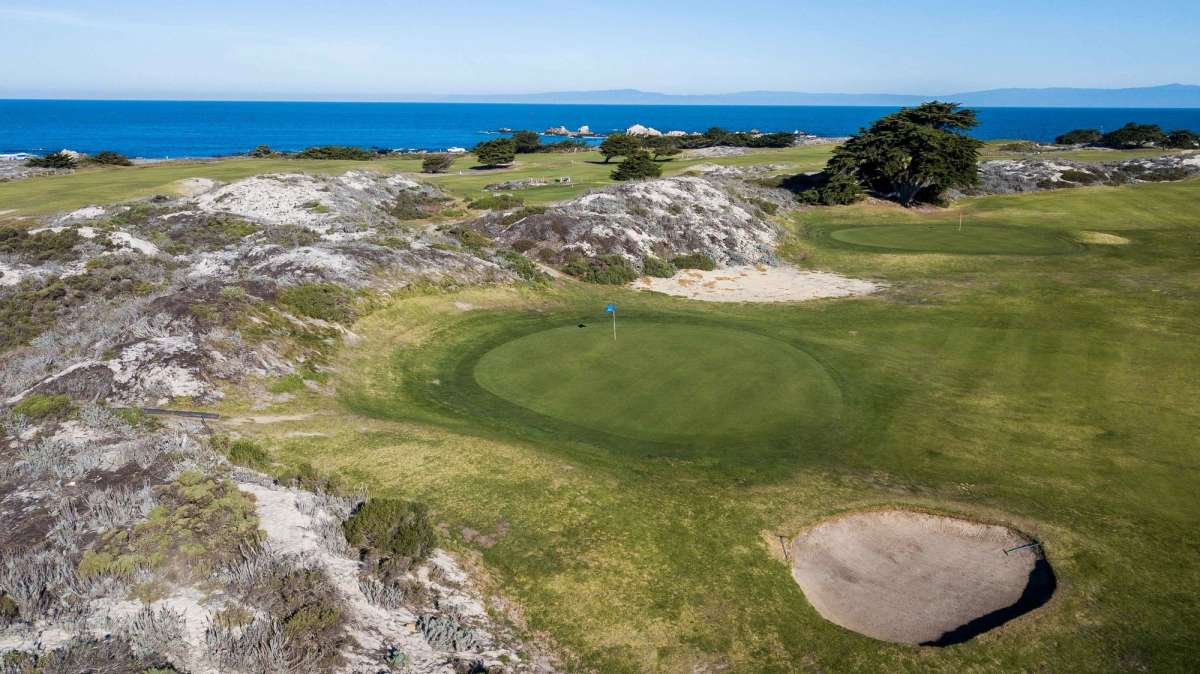
The stigma that good golf has to be expensive is one worth challenging. From windswept prairie in Nebraska and oceanfront holes in California to championship layouts in the shadow of Hazeltine and Bethpage, these are courses that offer much more than a cheap round. All 10 can be played for $100 or less, but the price is only part of the appeal. They have tournament history, famous designers, memorable settings and the kind of layouts that can stand alongside much more expensive golf. Green fees listed are standard rates and do not take twilight or off-season discounts into account, meaning some courses can be played for even less. Wild Horse Golf Club (Nebraska) Nebraska Ranking: 6th | Green Fees: From $68 Why Play it: Outstanding value on a natural prairie layout Best For: Golfers who love natural, windswept courses If you’re looking for proof that great golf doesn’t have to come with a great big price tag, head for the Nebraska prairie. Wild Horse Golf Club is one of the best-value public courses in America, combining excellent golf with a setting that feels a world away from the usual resort experience. Designed by Dave Axland and Dan Proctor, Wild Horse opened in 1999 after the pair spent more than a decade working for Ben Crenshaw’s design company. The result is a natural-looking layout shaped by native grasses, rolling prairie and dramatic blow-out bunkers rather than rows of manicured hazards. Wild Horse has earned plenty of recognition over the years, including a place in the Top100 US rankings, although it has sometimes been overshadowed by nearby Sand Hills. Tom Doak once described it as a “very good golf course” that is often overlooked because of its affordability. Warren Golf Course at Notre Dame (Indiana) Indiana Ranking: 7th | Green Fees: From $75 Why Play it: A Coore & Crenshaw design on the Notre Dame campus Best For: Fans of Coore & Crenshaw Set among 250 acres of woodland on the northern edge of the University of Notre Dame campus, the Warren Golf Course offers the unusual combination of championship pedigree and accessible green fees. Designed by Bill Coore and Ben Crenshaw, the course opened in 2000 and has since become one of Indiana’s most highly regarded public layouts. The Warren Course is home to Notre Dame’s men’s and women’s golf teams and has hosted a string of major amateur events, including NCAA Division I regional championships and the 2010 U.S. Women’s Amateur Public Links. It also hosted the U.S. Senior Open in 2019, bringing some of the biggest names in senior golf to South Bend. The setting is a big part of the appeal, with the course winding through mature woodland within a Certified Audubon Cooperative Sanctuary. For golfers visiting Notre Dame or passing through Indiana, the Warren Course offers a chance to experience one of America’s leading modern design partnerships without a leading-edge green fee. Pacific Grove Golf Links (California) California Ranking: 71st | Green Fees: From $66 Why Play it: Oceanfront golf just minutes from Pebble Beach Best For: Golfers looking for a Pebble Beach alternative Just five miles from Pebble Beach, Pacific Grove Golf Links offers a very different way to experience the Monterey Peninsula. This old-school municipal course runs along the Pacific Ocean, with a front nine that feels more like a traditional parkland course before the back nine heads into the dunes overlooking the water. The course has an impressive design lineage, too. US Amateur Champion Chandler Egan, who helped Alister MacKenzie redesign Pebble Beach, laid out the original nine holes in 1932, while Jack Neville, one of the original designers of Pebble Beach, later extended Pacific Grove to 18 holes. The result is a quirky and enjoyable layout, beginning with back-to-back par threes before throwing in consecutive par fives at the fifth and sixth. On the oceanfront back nine, short par fours and tumbling fairways provide plenty of character. Bethpage - Red Course (New York) New York Ranking: 6th | Green Fees: From $90 Why Play it: A championship-calibre course in the shadow of the Black Best For: Golfers who want a taste of Bethpage without playing the Black Bethpage Black might get all the attention, but the Red Course at Bethpage State Park is a formidable test in its own right. Known by some as “Baby Black”, the Red is widely regarded as the standout alternative to its more famous neighbour and offers a chance to experience Bethpage without the Black's famously difficult tee-time scramble. The course features a series of strong doglegs and demanding holes, with Tom Doak once suggesting that the Red might have received similar acclaim had its more famous neighbour never been built. He particularly praised the opening and closing holes, the long fifth and the short sixth, where an aggressive drive can quickly turn into trouble. The Red doesn't have the Black's enormous bunkers or intimidating reputation, but that doesn't make it easy. For golfers visiting Long Island, it offers another opportunity to play championship-level golf at one of America's most famous public facilities. Bandon Crossings (Oregon) Oregon Ranking: 21st | Green Fees: From $70 Why Play it: Affordable golf in one of America's biggest golf destinations Best For: Golfers visiting Bandon Bandon has become one of America's great golf destinations, but you don't have to play the resort courses to enjoy a round in the area. Bandon Crossings was created specifically to offer affordable public golf for locals and visitors, providing a lower-cost alternative to its famous neighbours. Built on the site of an old cattle and sheep ranch, the course was developed by local couple Rex and Carla Smith with Oregon architect Dan Hixson. Rather than compete directly with Bandon's collection of links courses, Crossings takes its inspiration from the heathland golf found around London. The course may sit away from the Pacific coastline, but that doesn't make it an afterthought. Its fairways move quickly across the property and around Twomile Creek, creating a challenging and enjoyable test that offers a different experience from the resort layouts. Montauk Downs State Park Golf Course (New York) New York Ranking: 80th | Green Fees: From $95 Why Play it: Robert Trent Jones design at the tip of Long Island Best For: Golfers exploring Long Island At the eastern tip of Long Island, around 120 miles from downtown New York City, Montauk Downs feels a long way from the hustle of Manhattan. Golf has been played here for decades, with the current layout shaped by Robert Trent Jones Sr. and his son Rees Jones in 1968. The Jones family connection is one of the course's biggest attractions, with Rees returning alongside Bryce Swanson in 2008 to restore the bunkers and tees on the par-three holes. The result is a classic parkland layout that combines the character of an older course with the challenge expected from a Jones design. Its location also makes Montauk Downs a natural addition to a Long Island golf trip, particularly for golfers looking to explore beyond the courses closer to New York City. Gold Mountain Golf Club - Olympic Course (Washington) Washington Ranking: 13th | Green Fees: From $35 Why Play it: Championship golf at a 36-hole public facility Best For: Golfers looking for a full day of golf The Olympic Course at Gold Mountain Golf Club is proof that you don't need a famous resort or hefty green fee to find championship-calibre golf. Part of a 36-hole public facility owned and operated by the City of Bremerton, the course was designed by John Harbottle III and opened in 1996, 25 years after the original Cascade Course. The tree-lined layout is slightly hillier than its older sibling but remains eminently walkable, with annual bluegrass covering the tees, fairways and greens. Its quality has been recognised on the national stage, hosting the U.S. Amateur Public Links Championship in 2006 and U.S. Junior Amateur Championship in 2011. There are plenty of memorable holes, including the short fourth, the water-guarded ninth and the 188-yard 16th, which plays across a lake to the green. The closing par four also offers a tempting birdie opportunity. With the Cascade Course next door, golfers can play 36 holes at Gold Mountain for less than $100, with green fees for the second 18 starting at just $30. Chaska Town Course (Minnesota) Minnesota Ranking: 26th | Green Fees: From $63 Why Play it: Championship golf just minutes from Hazeltine National Best For: Golfers visiting the Twin Cities Just a few miles from Hazeltine National, the Chaska Town Course offers a chance to play a highly regarded championship layout without the private-club price tag. Owned and operated by the local municipality, the course occupies 285 acres of oak groves, open prairie and marshland. Designed by Arthur Hills and opened in 1997, Chaska Town has even shared the stage with Hazeltine. The two courses co-hosted the 2006 U.S. Amateur Championship, while Chaska Town was also scheduled to co-host the 2020 U.S. Junior Amateur before the tournament was cancelled due to the COVID-19 pandemic. The layout plays to 6,817 yards from the back tees and features two returning nines, each finishing with a par five. The short fourth and 16th offer opportunities to score, while the right-doglegging ninth provides a tougher test. Brackenridge Park Golf Course (Texas) Green Fees: From $56 Why Play it: A Tillinghast classic with Texas Open history Best For: Golfers who love historic golf courses The oldest public 18-hole course in Texas, Brackenridge Park Golf Course has been a fixture in San Antonio golf for more than a century. Designed by A.W. Tillinghast in 1916, “Old Brack” went on to host 21 editions of the Texas Open between 1922 and 1959. The course has retained much of its historic character thanks to a restoration by John Colligan, who brought the layout back to life while preserving Tillinghast’s original design. The front nine is relatively tight, while the back nine opens out and provides some of the course’s strongest holes. Brackenridge is also part of the Alamo City Golf Trail, making it easy to combine with several other public courses in the San Antonio area. Brown Deer Park Golf Course (Milwaukee) Green Fees: $81 Why Play it: A former PGA Tour venue with Tiger Woods history Best For: Golfers who like tournament pedigree Brown Deer Park Golf Course combines affordable public golf with a notable place in PGA Tour history. Located just north of Milwaukee, the course hosted the Greater Milwaukee Open from 1994 to 2009, with Tiger Woods making his professional debut here in 1996. Founded in 1929, the course was originally designed by George Hansen before being partially redesigned by Andy North and Roger Packard. Today, its tree-lined fairways and stream that winds through the property provide a classic parkland setting. The Tiger Woods connection is an obvious draw, but Brown Deer offers more than a famous name in its history. Its accessible layout and location make it a practical option for golfers visiting Milwaukee. For golfers who enjoy playing courses with a tournament past, Brown Deer offers a chance to follow in the footsteps of some of the game's biggest names without paying resort-course prices.

Of the 100 ranked courses, 94 have publicly listed green fees. Five are fully private with no visitor access — Loch Lomond, Skibo Castle, The Renaissance Club, and both Archerfield layouts. The average summer green fee is £194, but that figure is misleading. The median — the true midpoint — is just £140, which indicates that a small number of very expensive courses at the top of the ranking are significantly pulling the average upward. More than half of Scotland's Top 100 can be played for £140 or less. Editor’s Note: We recognise £140 is still a lot of money for a round of golf. For many, this may still prove to be a considered expense, and for others, it may even be exclusionary. The article is written from the perspective of an international visitor and is weighed against similar golf courses on the international stage. The Big Picture: What Scotland's Top 100 Actually Costs The price distribution breaks down as follows, and what it reveals is a country with a remarkably accessible lower half of its ranking: Under £100 — 27 courses £100–£200 — 40 courses £200–£300 — 7 courses £300–£400 — 14 courses £400–£500 — 2 courses £500 or more — 4 courses That middle tier of £100–£200 is doing a lot of work. Forty courses — nearly half of all priced venues — fall into this bracket, which includes many of Scotland's most celebrated layouts well outside the tourist trail. More than half of Scotland's top-ranked courses can be played for £140 or less. Scotland's reputation for expensive golf is largely a story about its top ten. Your Ranking Tier Determines Your Budget The clearest finding in the data is that ranking tier and price correlate strongly — but the relationship is far steeper at the top than anywhere else. Top 10 courses: average £473, median £372 Top 25 courses: average £397, median £360 Top 50 courses: average £278, median £205 Full Top 100: average £194, median £140 The jump from the top 50 average (£278) to the top 10 average (£473) is £195 per round. But travel down from rank 26 to rank 100 and you are looking at an average of roughly £161. The lower half of Scotland's Top 100 is, in many cases, extraordinary golf at extremely reasonable prices. Practical takeaway: If you are budgeting a Scotland golf trip, the top 10 will cost you an average of £473 per round. But ranks 26–100 average just £161 — and include world-class links, heathland, and parkland courses. A mixed itinerary can stretch your budget dramatically without compromising quality. The Most Expensive Courses Six courses charge £400 or more for a summer round, and they represent a distinct category: courses where the brand, exclusivity, or resort experience commands a premium beyond the pure golf product. Rank 8 — Ardfin: £1,225 (May 2026 figure includes accommodation) Rank 3 — Trump Turnberry (Ailsa): £650 Rank 24 — Trump International Scotland (New): £560 Rank 11 — Trump International Scotland (Old): £560 Rank 7 — Kingsbarns Golf Links: £486 Rank 18 — Gleneagles (King's): £405 Ardfin on the Isle of Jura is a category of its own. At £1,225, it costs more than three times its nearest rival — and that May 2026 figure includes a room, making direct comparison with other courses difficult. Strip it out and Turnberry's Ailsa Course at £650 sits at the top of the standalone green fee table. The Best-Value Courses in the Ranking Some of the most remarkable numbers in this dataset belong to courses most travelling golfers will never have heard of. Askernish Golf Club on South Uist sits ranked 42nd in Scotland — a course shaped from the machair links of the Outer Hebrides by Old Tom Morris and rediscovered in the 21st century. It charges just £47.50. Lanark Golf Club, ranked 33rd overall, can be played for £80. Boat of Garten (ranked 32nd) charges £115. Southerness (36th) is just £95. Exceptional value — highly ranked courses under £100: Rank 33 — Lanark Golf Club: £80 (Lanarkshire) Rank 36 — Southerness Golf Club: £95 (Dumfries & Galloway) Rank 40 — Blairgowrie (Rosemount): £90 (Perth & Kinross) Rank 42 — Askernish Golf Club: £47.50 (Highlands) Rank 58 — Pitlochry Golf Course: £85 (Perth & Kinross) Rank 59 — Gullane No.3: £70 (Edinburgh & Lothians) Rank 62 — St Andrews Links (Eden): £80 (Fife) Practical takeaway: The cheapest-ranked course in Scotland — Musselburgh Old Links at just £24 — is also one of the world's oldest surviving golf courses, dating to the 16th century. A historically significant, genuinely ranked course for £24 is not a footnote; it is a discovery. Thirteen Courses in the World's Top 100 — At Very Different Price Points Scotland places 13 courses in the World Top 100 Golf Courses ranking — more than any other country except the United States and England. Those 13 range in price from £205 (Cruden Bay) to £1,225 (Ardfin), illustrating that world-class golf in Scotland does not mean uniformly world-class prices. World 7 / Scotland 1 — St Andrews (Old Course): £340 World 10 / Scotland 2 — Muirfield: £395 World 12 / Scotland 3 — Trump Turnberry (Ailsa): £650 World 15 / Scotland 4 — Royal Dornoch (Championship): £360 World 34 / Scotland 5 — Carnoustie (Championship): £360 World 42 / Scotland 6 — North Berwick (West Links): £320 World 43 / Scotland 7 — Kingsbarns Golf Links: £486 World 44 / Scotland 8 — Ardfin: £1,225 World 54 / Scotland 9 — Cabot Highlands (Castle Stuart): £385 World 70 / Scotland 10 — Cruden Bay (Championship): £205 World 77 / Scotland 11 — Trump International Scotland (Old): £560 World 88 / Scotland 12 — Royal Aberdeen (Balgownie): £285 World 93 / Scotland 13 — Prestwick Golf Club: £340 Cruden Bay — ranked 70th in the world — charges just £205 for a summer round. Prestwick, the original home of The Open and ranked 93rd in the world, is £340. These are significant values by any international benchmark. What Different Regions Cost Scotland's golfing regions have very different pricing profiles. Argyll & Bute tops the average price table — driven almost entirely by Ardfin's extraordinary tariff — while Dumfries & Galloway and Renfrewshire offer some of the most accessible golf in the country. Argyll & Bute: £110 average | 6 courses | £65–£1,225 range* Aberdeenshire: £271 average | 8 courses | £110–£560 range Ayrshire: £234 average | 13 courses | £32–£650 range Perth & Kinross: £214 average | 7 courses | £75–£405 range Fife: £202 average | 15 courses | £80–£486 range Highlands: £166 average | 15 courses | £40–£385 range Angus & Dundee: £156 average | 9 courses | £85–£360 range Edinburgh & Lothians: £156 average | 14 courses | £24–£395 range Moray: £115 average | 2 courses | £80–£150 range Dumfries & Galloway: £68 average | 2 courses | £40–£95 range Fife and the Highlands both place 15 courses in the ranking — the highest of any region — but at very different average prices (£202 vs £166). The St Andrews effect is real: multiple links courses on the Home of Golf peninsula carry premium tariffs, but the Highlands' remoteness has kept many local clubs extremely affordable. Practical takeaway: The Highlands and Edinburgh & Lothians offer the most striking price diversity. In the Highlands you can pay £40 at Tain or £385 at Cabot Highlands Castle Stuart — both top 20 courses — depending entirely on whether you want a resort experience or a traditional club. The Lothians offers a similar spread: £24 at Musselburgh Old Links up to £395 at Muirfield. Dumfries & Galloway is Scotland's most underrated region for value: Southerness (36th nationally) at £95 and Powfoot (76th) at £40 form a formidable two-course itinerary for well under £150. * Note: Loch Lomond is private, so it is excluded from the price calculation, and Machrihanish Dunes had not yet published 2026 summer rates at the time of writing, so the figures above are based on the three courses with confirmed prices: Machrihanish (£160), The Machrie (£185), and Dunaverty (£65). St Andrews: Extraordinary Breadth, Remarkable Pricing The St Andrews Links Trust operates six courses within the ranking, and their pricing strategy reveals a thoughtful tiering from the iconic Old Course downwards: Scotland Rank 1 — Old Course: £340 Scotland Rank 26 — New Course: £155 Scotland Rank 41 — Jubilee Course: £155 Scotland Rank 47 — Castle Course: £190 Scotland Rank 62 — Eden Course: £80 Scotland Rank 83 — The Duke's (Craigtoun): £155 Six ranked courses within roughly ten miles of each other, priced from £80 to £340. A golfer unwilling or unable to pay £340 for the Old Course can play the New Course — ranked 26th in Scotland — for £155, or the Eden Course for £80 and still be walking the links of the Home of Golf. What the Data Tells Travelling Golfers Three conclusions stand out from the numbers. First, Scotland's reputation for expensive golf is largely a top-ten phenomenon. Remove the top 10 courses from the calculation and the average price falls to £161. The idea that Scotland requires a vast budget is simply not supported by the data once you look beyond the marquee names. Second, the £100–£200 band is where Scotland's soul lives. Forty of the 94 priced courses sit in this bracket — and they include Brora, Elie, Crail (Balcomie), Nairn, Western Gailes, Gullane No.1, Lundin, and dozens more. These are serious, historically significant courses played by serious golfers. They do not need to shout about themselves. Their price tags barely register against what they offer. Third, the 2026 ranking has cast a wider net across Scotland's golfing landscape — and much of what the panel has found is genuinely affordable, with most new entries charging under £130. For the budget-conscious traveller: Build a trip around the Highlands and Edinburgh/Lothians regions for maximum quality per pound spent. A five-round Highland itinerary of Royal Dornoch (£360), Cabot Highlands (£385), Nairn (£350), Brora (£180), and Boat of Garten (£115) — five of Scotland's finest courses — totals £1,390, averaging £278 per round. Replace two of those with Tain (£40) and Golspie (£120) and your five-round total drops below £1,100. For the trophy hunter: Seven of Scotland's 13 World Top 100 courses charge £400 or less. Completing all seven — Old Course, Royal Dornoch, Carnoustie, North Berwick, Cabot Highlands Castle Stuart, Cruden Bay, and Prestwick — costs approximately £2,330 in green fees, for seven of the finest courses on earth. Data sourced from the Top 100 Golf Courses Scotland 2026 ranking. Green fees quoted are summer 2026 rates where available; a small number of courses use 2025 prices pending publication of 2026 tariffs. Private courses are not included in price calculations. Ardfin's £1,225 figure reflects a May 2026 package including accommodation. All prices are per-round, per-person visitor rates in pounds sterling.

If you've watched any professional golf on television over the past four decades, you've heard the letters "TPC" attached to a course name. TPC Sawgrass. TPC Scottsdale. TPC Harding Park. TPC stands for Tournament Players Club — a network of golf courses owned, operated, and licensed by the PGA Tour. The branding is everywhere in the sport, but most travelling golfers don't fully understand what it means, where it came from, or why it should matter to them when planning a trip. See the Top 100 Golf Courses Ranking of TPC Courses The story behind TPC is one of the shrewdest business moves in the history of sport. It reshaped the economics of professional golf, created a network of courses that the public can actually play, and pioneered a design philosophy that remains divisive among architecture enthusiasts to this day. Today, the TPC network comprises 30 properties across three countries — the United States, Canada, and Mexico — plus the U.S. territory of Puerto Rico. Here's what you need to know. How the PGA Tour Went From Tenant to Landlord For most of its history, the PGA Tour operated as a travelling circus. Each week, the Tour would pitch up at a different private club, stage a tournament, and move on. The host club controlled the course setup, the infrastructure, the hospitality, and the revenue. The Tour was a well-known guest renting somebody else's living room. By the late 1970s, that arrangement was breaking down. Spectator experiences at many venues were poor — cramped viewing corridors, limited sightlines, zero infrastructure for grandstands or broadcast equipment. Private clubs weren't designed for crowds of 30,000 or more. And the Tour had almost no control over the commercial revenue being generated at its own events. PGA Tour Commissioner Deane Beman saw the solution: the Tour needed to build and own its own courses. It was a radical idea — a professional sports league constructing its own stadiums. In American football or baseball, that model was well established. In golf, nobody had attempted it. Beman enlisted architect Pete Dye, and in 1980, they opened TPC Sawgrass in Ponte Vedra Beach, Florida. It would become the permanent home of The Players Championship and, in time, one of the most recognisable golf courses on earth. What Is Stadium Golf? The signature concept behind TPC courses is what Beman and Dye termed "stadium golf." The premise was straightforward: design the course so that spectators can actually see what's happening. In practice, that meant sculpting enormous mounds around greens and along key fairway corridors, creating natural amphitheatres where thousands of fans could watch the action from elevated vantage points. At Sawgrass, Dye committed fully. The course was carved from flat Florida swampland, with earth-moving equipment fabricating elevation changes the terrain never provided naturally. Waste bunkers, railway sleeper walls, bulkheaded lakes, and the now-iconic island green par-3 17th hole were all part of a layout that felt like nothing else in American golf. Tour professionals initially loathed it. The original routing was brutally penal, with water swallowing balls on seemingly every hole. J.C. Snead famously described the course as "90% horse manure and 10% luck." But Beman hadn't built Sawgrass to please the players. He'd built it for fans, for television cameras, and for the Tour's financial independence. The design philosophy has always split opinion. The weaker TPC courses feel very much manufactured — rows of uniform berms that bear no relationship to the landscape, constructed purely to give galleries somewhere to stand. That distinction matters if you care about golf course architecture, and it explains why some TPC courses rank among the best in their state while others go unranked entirely. Should TPC Courses Matter to Travelling Golfers? Here's the part that's most relevant if you're building a trip itinerary: a significant portion of TPC courses are open for public play. Unlike the storied private clubs that host major championships, the TPC network was designed with accessibility at its core. Of the 30 TPC properties, 14 are resort or daily-fee courses where you can book a tee time and pay a green fee without any membership. These include the flagship venues — TPC Sawgrass, TPC Scottsdale, TPC San Antonio, TPC Harding Park, TPC Las Vegas, TPC Louisiana, and TPC Dorado Beach, among them. The remaining 16 are private clubs, including notable tournament venues like TPC Southwind, TPC River Highlands, TPC Craig Ranch, and TPC Boston, where access is restricted to members and their guests. Just under half the network is genuinely accessible to travelling golfers, but that still represents a rare opportunity in professional golf — if you want to play a course where Tour events take place, TPC's pay-and-play venues are often your best, and sometimes your only, realistic option. The trade-off is price. Green fees at flagship TPC courses regularly sit between $300 and $500, sometimes considerably more during peak season. You're paying for the brand, the conditioning, and the bragging rights. Whether that represents value depends on what you want from a round of golf. Conditioning across the network is consistently strong. Because TPC courses are PGA Tour-owned, they're maintained to professional standards year-round rather than being polished for one event week per year. Greens are quick, fairways are tight, bunkers are pristine. If immaculate course conditioning is a priority for you, TPC venues will rarely let you down. Our Top 5 TPC Courses We've reviewed and ranked every TPC course in the network. These are the five that stand above the rest; whether they are worth a green fee is up to you. 1. TPC Sawgrass — Stadium Course Ponte Vedra Beach, Florida The flagship of the entire network and the course that started it all. Home of The Players Championship — which carries the largest purse on the PGA Tour outside the four majors — Sawgrass is the definitive TPC experience. The island green 17th is the single most televised hole in professional golf, and regardless of what you think about it architecturally, standing on that tee with a wedge in your hand is one of the great bucket-list moments in the game. Pete Dye softened the routing significantly after its brutal early years, and the course has matured beautifully through the Florida wetlands. The conditioning is immaculate, the practice facilities are world-class, and the entire experience — from check-in to the 18th green — is polished in a way that justifies the premium green fee. Playing Sawgrass feels like an event. That's exactly what it was designed to be. 2. TPC Boston Norton, Massachusetts A Gil Hanse design that hosted the Dell Technologies Championship (formerly the Deutsche Bank Championship) for over a decade as part of the FedEx Cup Playoffs. It's worth noting that TPC Boston operates as a private club, so access is limited to members and their guests — but it earns its place on this list on the strength of the design alone. TPC Boston stands apart from most courses in the network because of Hanse's reputation as one of the most respected modern architects in the game — his portfolio includes Merion's restoration and the Olympic Course in Rio. The routing moves through mature New England woodland with subtle, strategic bunkering and green complexes that reward creativity. It's a course that feels more considered than many TPC venues — less reliant on the stadium mounding formula and more focused on the quality of the golf itself. For golfers who appreciate design substance alongside Tour pedigree, Boston is a standout. 3. TPC Colorado Berthoud, Colorado One of the newer additions to the TPC network, TPC Colorado was designed by Art Schaupeter and sits against the dramatic backdrop of the Rocky Mountain Front Range. The course hosted the Korn Ferry Tour's TPC Colorado Championship and offers something that many TPC courses lack: a genuine sense of place. The mountain views are spectacular, the layout uses the rolling terrain intelligently, and the conditioning meets the standard you'd expect from the brand. It's a course that demonstrates what the TPC model looks like when it embraces natural landscape rather than imposing manufactured features onto flat ground. For golfers passing through Colorado, it's a compelling option that many overlook. 4. TPC San Antonio — Oaks Course San Antonio, Texas Home of the Valero Texas Open, which holds the distinction of being the longest-running event on the PGA Tour at the same course. The Oaks Course, designed by Greg Norman with Sergio Garcia's input, threads through the Texas Hill Country landscape of live oaks and native grasses, with the rock outcroppings and elevation changes giving the layout a character that feels authentically Texan. The resort complex at JW Marriott San Antonio also houses the Canyons Course (a separate TPC-branded layout by Pete Dye), making it a strong multi-round destination. The Oaks is the stronger of the two designs and earns its place among the top TPC courses for its combination of tournament pedigree, natural setting, and accessibility as a resort course. 5. TPC Harding Park San Francisco, California If there's one TPC course that transcends the brand entirely, it's Harding Park. Originally built as a municipal course in the 1920s, it was renovated and brought into the TPC fold, and has since hosted the PGA Championship, the WGC-Match Play, and the Presidents Cup. Set among towering Monterey cypress trees along the shores of Lake Merced, it possesses a sense of history and atmosphere that purpose-built TPC courses simply cannot replicate. The fact that it remains a public course in a major American city — one that has hosted a major championship — makes it almost unique in the sport. It barely feels like a "TPC course" in the traditional sense, and that's precisely what makes it special. The architecture predates the stadium golf era by half a century, and the Monterey cypress corridors give it a gravitas that no amount of manufactured mounding could create. Other Notable TPC Courses Several TPC courses outside our top 5 deserve mention for travelling golfers. TPC Scottsdale's Stadium Course hosts the WM Phoenix Open and its infamous par-3 16th hole stadium — the most raucous atmosphere in professional golf. TPC River Highlands hosts the Travellers Championship and features one of the best finishing stretches on Tour. TPC Southwind is home to the FedEx St. Jude Invitational — the PGA Tour's only private club in Tennessee. TPC Louisiana and TPC Deere Run are strong options that often fly under the radar. TPC Courses Outside the United States The TPC network extends beyond the continental U.S. into two additional countries and one U.S. territory. In Puerto Rico, TPC Dorado Beach is a 54-hole resort complex with the East Course ranked #1 on the island. In Mexico, TPC Danzante Bay in Loreto, Baja California Sur is ranked #17 nationally — a stunning coastal layout in one of the country's most beautiful settings. In Canada, TPC Toronto at Osprey Valley offers three courses (Hoot, Heathlands, and North), all ranked within the Canadian top 80 and all sharing the same Alton, Ontario facility. Are TPC Golf Courses Worth the Green Fee? The TPC network deserves credit for something that often gets overlooked: access to professional-calibre golf courses used for tournament play. Before TPC, if you wanted to play a course where Tour events took place, your options were virtually nonexistent. TPC created a pathway for everyday golfers to experience tournament conditions/ The business model was visionary. The PGA Tour transformed itself from an organisation dependent on the goodwill of private clubs into a property portfolio generating year-round revenue through green fees, memberships, hospitality, and event hosting. It gave the Tour financial independence and brand control that it simply didn't have before. The TPC name implies a certain standard, but the network includes everything from world-class tournament venues to facilities that are essentially well-maintained daily-fee courses carrying a premium marque. Not every TPC course hosts or was ever intended to host a Tour event. From an architectural standpoint, the ‘stadium’ build that defines most TPC designs can feel formulaic — manufactured berms that serve no strategic purpose and have no relationship to the natural landscape. The Bottom Line for Golf Travellers If a TPC course falls on your travel route, it may be worth considering. Our top 5 (Sawgrass, Boston, Colorado, San Antonio Oaks, and Harding Park) offer experiences that are difficult to replicate elsewhere: exceptional conditioning, memorable holes, and the chance to walk fairways you've watched on television. For the remaining TPC courses, weigh the green fee against what else is available in that market. In some cases, you'll find that a similarly priced course without the TPC badge offers a more interesting, more characterful round of golf. What Deane Beman started in 1980 was more than a golf course. It was a business model that altered an entire sport. Whether or not every TPC venue lives up to the ambition of that original vision, the concept itself remains one of the most consequential innovations in the modern game. See our TPC Ranking, you would actually want to play.
