County Wicklow, Ireland
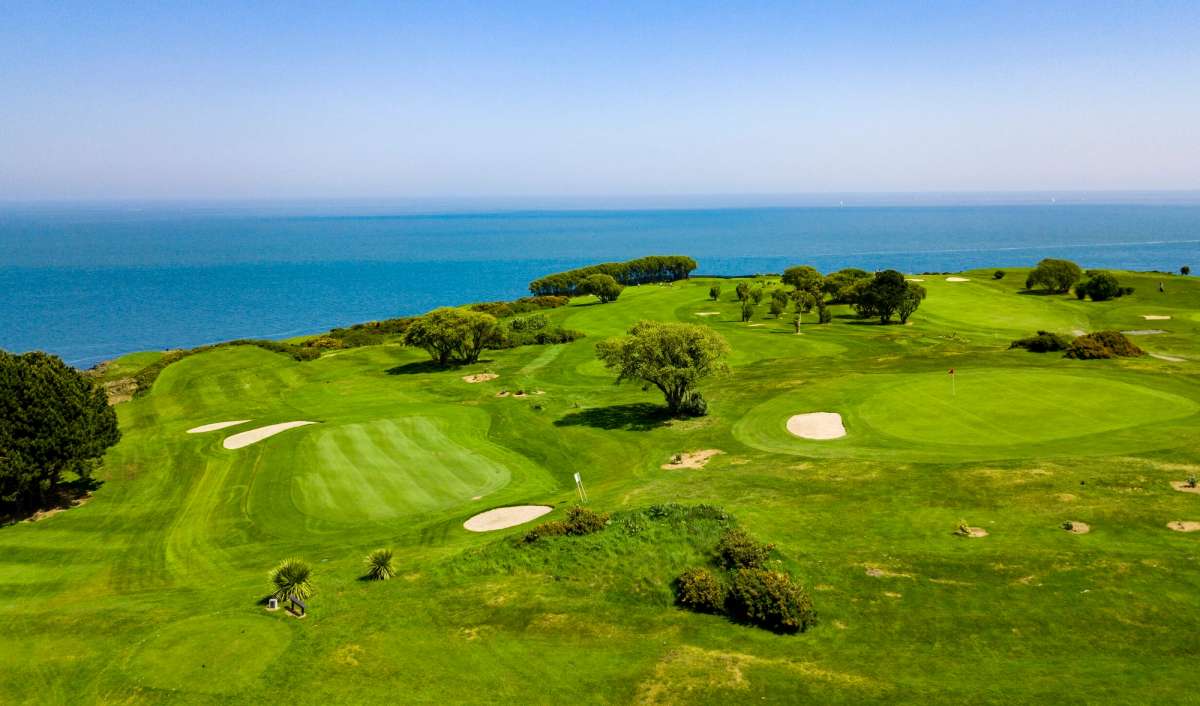
Brittas Bay Club emerges from a comprehensive Kyle Phillips redesign of Pat Ruddy's European Club on Ireland's east coast. The transformed championship links reopens 2027 with improved playability, expanded sea views and restored native ecosystems. Located 58km south of Dublin in County Wicklow's dramatic dunes overlooking the Irish Sea.
Brittas Bay Club emerges from a comprehensive Kyle Phillips redesign of Pat Ruddy's European Club on Ireland's east coast. The transformed championship links reopens 2027 with improved playability, expanded sea views and restored native ecosystems. Located 58km south of Dublin in County Wicklow's dramatic dunes overlooking the Irish Sea.
Brittas Bay Club (formerly European Club)
Brittas Bay Club (formerly The European Club) underwent a transformational change in 2025 when Irish businessman Raymond Conlan and his family acquired Pat Ruddy's renowned links.
The course closed immediately for comprehensive redesign by Kyle Phillips, with reopening scheduled for 2027 on the dramatic dunes of County Wicklow's coastline.
Experience Kyle Phillips' reimagining of one of Ireland's most challenging links layouts. The reopened venue will feature improved playability whilst retaining championship credentials at this spectacular Irish Sea location.
Pat Ruddy discovered the 193-acre Brittas Bay site in 1986 during helicopter surveys of Ireland's coastline. Construction began in 1987, with the original course opening on Boxing Day 1992 as The European Club. The quirky par-71 routing featured only two par-5s and three par-3s, with 20 holes total, including relief holes 7a and 12a.
The original layout measured 7,490 yards from championship tees and consistently ranked among the world's top 100 golf courses. Tiger Woods shot a course record 67 in 2002, praising it as a "wonderful workout". Rory McIlroy famously called it "probably the best links course I have ever played". The distinctive railway sleeper-lined bunkers became the course's signature architectural feature.
Following the 2025 sale, the Conlan family appointed Kyle Phillips to redesign the links. Turfgrass consultancy leads agronomy, whilst Golf Link Evolve handles construction, having previously worked on Royal Birkdale, St Andrews Old Course and Turnberry.
Plans include a new 4,000-square-foot clubhouse with separate changing facilities, professional shop and second-floor restaurant overlooking the Irish Sea.
Phillips' redesign prioritises playability improvements through expanded sightlines and multiple strategic options per hole. The routing will expose more sea vistas across all 18 holes whilst reducing the difficulty that characterised Ruddy's original. Championship length remains at approximately 7,400 yards, but the new layout includes at least one drivable par-4 under 400 yards.
The redesign retains select strong holes from the original routing. The former 8th, an inland par-4 through towering dunes, returns in a similar footprint. The former 11th running seaward and the former 12th stretching 460 yards directly along the beach both feature in revised form. The acclaimed 7a par-3 framed by dramatic dunes survives the transformation.
Agronomists are reintroducing native grasses and plant species traditionally found on the links. This ecological restoration aims to create authentic playing conditions whilst supporting the local ecosystem, including protected Tern populations that nest annually at Brittas Bay. The club commits a portion of every green fee to Tern conservation.
Phillips' vision centres on exposing the site's natural qualities. Rather than blindness and severe challenge, the new routing emphasises strategic variety and visual drama from the spectacular coastal setting 58km (36 miles) south of Dublin.
Kyle Phillips brings extensive links expertise to the project. His acclaimed Scottish designs include Kingsbarns near St Andrews, which opened in 2000 and hosted the 2017 Women's British Open, and Dundonald on Ayrshire's coast, which opened in 2005 and regularly hosts European Tour events. Phillips also created The Grove near London and Yas Links in Dubai.
Managing Director Nicky Conlan explains the selection: "When I first spoke to Kyle, I was immediately inspired by his vision". Phillips himself notes his priority is "to get the most out of the land and the best result we can within this beautiful property".
The transformation marks a philosophical shift from Ruddy's deliberately demanding original to a more accessible championship venue. Phillips aims to create what he describes as "a championship, Ayrshire-style, links course that felt and played as though it was an old, rediscovered course".
Brittas Bay Club sits within County Wicklow's exceptional golf concentration. Druids Glen, approximately 20km (12 miles) north near Newtownmountkennedy, offers championship parkland conditions with a former Irish Open pedigree. The twin courses at Druids Glen Resort - the original Glen course and Druids Heath - provide contrasting parkland and heathland experiences.
Wicklow Golf Club overlooks the Irish Sea 12km (7 miles) north of Wicklow town. Arklow Golf Club's classic links layout sits approximately 20km (12 miles) south along the coast.
Powerscourt Golf Club's twin courses in Enniskerry, roughly 35km (22 miles) northwest, frame dramatic Wicklow Mountains views.
Dublin's exceptional coastal links corridor sits 60km (37 miles) north. Portmarnock, The Island, Royal Dublin and Portmarnock Links offer world-class links golf within 90-minute drives. County Louth at Baltray represents Ireland's finest accessible championship links approximately 100km (62 miles) northeast.
The venue will operate as public pay-and-play following reopening. Advanced booking will prove essential given the transformed reputation and limited alternative links venues in County Wicklow. Accommodation options cluster in nearby Wicklow town and at resort properties like Druids Glen.
Dublin Airport: 76km (47 miles), approximately 60 minutes driving via M50 and M11 motorways. Major car rental facilities with direct motorway access provide convenient self-drive options from Ireland's principal international gateway.
Public Transport: Irish Rail operates regular services from Dublin to Wicklow station, approximately 12km (7 miles) from the course. Journey time from Dublin Pearse station is 65 minutes, with taxi connections completing the final leg.
Private Aviation: Weston Airport near Dublin accommodates private jets approximately 70km (43 miles) from the venue.
Ground Transport: Primary access via M11 motorway south from Dublin, exiting onto R750 regional road through Wicklow. Final approach follows coastal roads through Brittas Bay village.
Spring: March through May offers firm conditions as the links awakens from winter dormancy. Advanced booking essential as Irish golf holidays accelerate into peak season. Variable weather requires adaptable clothing layers.
Summer: June through August delivers peak visitor numbers and maximum daylight hours for extended rounds. Booking several months ahead proves necessary. Occasional softer conditions from increased rainfall.
Autumn: September through November provides shoulder-season value with reduced visitor numbers. Firmer playing conditions return as weather cools. Wicklow's deciduous landscapes offer spectacular colour transitions.
Winter: December through February typically sees course closures for maintenance and limited playing opportunities. The coastal location experiences challenging wind conditions and reduced daylight hours unsuitable for destination golf holidays.
The Conlan family's investment and Kyle Phillips' architectural pedigree position the reopened Brittas Bay Club as Ireland's most anticipated new golf destination. The transformation from Ruddy's deliberately severe original to Phillips' more strategic routing reflects evolving preferences in championship links design.
Phillips' track record at Kingsbarns demonstrates his ability to craft modern links that honour Scottish traditions whilst embracing contemporary playability standards. The restoration of native links ecosystems alongside Tern conservation initiatives adds an environmental dimension to the purely sporting proposition.
Whether the redesign captures the original European Club's mystique whilst attracting broader audiences remains unanswered until 2027. The combination of spectacular Brittas Bay setting, proven architectural expertise, and significant financial backing suggests potential for exceptional results.
The latest ranking of the Top 100 Golf Courses in the World serves as the ultimate global golf bucket list. Most members of our World Top 100 Panel are seasoned golfers, each playing 20-30 of these courses annually while travelling extensively over decades to form their opinions on others. We recognise that opinions vary—even among our panel members. Rankings are subjective, and there are undoubtedly 50 or more courses in the UK and USA alone that could easily fit onto this list. Links Golf Pilgrimages The rankings
California, United States
New Jersey, United States
Northern Ireland, United Kingdom
New York, United States
New York, United States

Dublin's golf courses offer world-class links golf just minutes from Ireland's capital city. This comprehensive Dublin golf guide reveals the best golf courses in Dublin, from championship venues like Portmarnock Golf Club to hidden gems perfect for your Ireland golf vacation. Discover why Dublin golf courses consistently rank among the world's best golf destinations. For Dublin-specific golf trips, click here. Why Dublin Golf Courses Should Be Your Next Golf Obsession Dublin golf courses provide an unmatched combination of championship-level links golf and urban sophistication that few destinations worldwide can match. Ireland's capital region hosts some of the best golf courses in Ireland, making it the perfect base for an unforgettable golf vacation. Dublin's golf scene offers exceptional value compared to other world-class golf destinations: • Unmatched Golf Course Concentration: Four world-class golf courses within 45 minutes of Dublin city centre—more championship links golf per square kilometre than virtually anywhere else in the world • Golf Course Heritage: Royal Dublin Golf Club has hosted numerous Irish Opens, with legends like Ballesteros and Langer amongst the winners, whilst Portmarnock Golf Club has welcomed the Walker Cup, Canada Cup, and countless professional championships since 1894 • Authentic Links Golf Experience: "I know of no greater finish in the world than that of the last five holes at Portmarnock Golf Club", said Bernard Darwin—these aren't manufactured resort courses but genuine links forged by nature and refined by legendary golf course architects Best Golf Courses Dublin: Championship Links That Define Irish Golf The best golf courses in Dublin represent the pinnacle of links golf architecture and Irish golf heritage. These premier Dublin golf courses consistently rank among the world's top golf destinations. Portmarnock Golf Club - Often called Ireland's answer to Muirfield, this championship golf course features the legendary closing five holes that Darwin proclaimed the finest finish in world golf. This elite golf club is tipped to host The Open Championship in due course, making tee times increasingly exclusive. Book 27 holes if possible—the 9-hole course features some of the property's best green sites and a devilish 270-yard driveable par-4. County Louth Golf Club (Baltray) - This Tom Simpson masterpiece stands as one of Ireland's finest golf courses, with elevated tees overlooking Simpson's masterful routing through towering dunes. Often called the finest Simpson golf course design still true to his original vision, the approach road through the local fishing village builds anticipation before you experience golf course architecture at its purest. Brittas Bay (formerly The European Club) - Pat Ruddy's unique 20-hole links golf masterpiece features rthe spectacular 596-yard 13th hole with a green 127 yards deep, creating one of golf's most memorable experiences. The signature sleeper-faced bunkers throughout make putters viable escape options due to their angled construction—often the percentage play from sand. Reopening in 2027, Kyle Phillips has been called upon to make this one of Ireland’s greatest links. The Island Golf Club - Showcasing Ireland's most dramatic dunescapes, this golf course features the memorable 220-yard par-3 13th hole over the beach and the amphitheatre green at the 15th. Don't be surprised by afternoon tee times—this popular golf course books solid, but the 3-4pm slots offer magical evening light through the towering dunes. Jameson Links at Portmarnock - Recently renovated with strategic hole improvements, this Bernard Langer golf course design now emphasises sea views whilst maintaining playability for all skill levels. The conversion of the 16th hole from par-5 to par-4 has significantly improved the routing and strategic options. Hidden Gem Golf Courses Near Dublin: Discover Ireland's Best Kept Golf Secrets Beyond the famous championship golf courses, Dublin's surrounding area offers exceptional golf experiences that deliver outstanding value and unique character. These hidden gem golf courses provide authentic Irish golf without the premium pricing of the marquee venues. Corballis Public Golf Links - This municipal links golf course sits just 20 minutes from Dublin Airport, offering legitimate links golf for £22-30 (€26-35/$30-40). Redesigned by Jeff Howes, this 14-hole golf course punches well above its weight class. After a long haul flight and before taking on bucket list golf courses, this little links course provides the perfect introduction to Irish links golf. Carlow Golf Club - Located 90 minutes from Dublin, this Tom Simpson and Molly Gourlay 1930s golf course design routes around and over forested hillsides. Featuring 17 holes of pure Simpson golf course architecture plus one intriguing outlier, this represents exceptional golf value at £50-75 (€60-90/$65-100) for a genuine Simpson golf experience away from coastal crowds. Royal Dublin Golf Club - Playing through the UNESCO Biosphere Reserve with views across Dublin Bay offers a unique golf experience. This historic golf course sits on Bull Island—the world's only UNESCO Biosphere Reserve located in a capital city. The golf course was formed by 19th-century sea wall construction, creating perfect sandy terrain for links golf. Druids Glen Golf Resort - Known as the "Augusta National of Ireland," this meticulously maintained parkland golf course features vibrant azaleas, rolling fairways through ancient woodlands, and the famous "Ireland's Amen Corner" stretch from holes 12-14. Located 30 minutes south of Dublin in County Wicklow, this golf course showcases stunning floral displays and immaculate conditioning that mirrors Augusta's aesthetic whilst incorporating Irish countryside charm. Sample Dublin Golf Vacation Itinerary: 5-Day Ireland Golf Trip Planning the perfect Dublin golf vacation requires strategic course selection and smart logistics. This Dublin golf itinerary maximises your golf experience whilst allowing time to explore Ireland's capital city. Day 1 - Arrive Dublin Airport, collect rental car, settle accommodation north of the city. Afternoon golf options: 18 holes at Royal Dublin Golf Club (2:30pm start) to ease into Irish links golf, or Corballis Links Golf Course for a jet lag-busting warm-up round instead of a range session. Traditional pub dinner in Howth village to experience authentic Irish hospitality. Day 2 - Morning 18 holes at Portmarnock Golf Club (8:30am) for the ultimate championship golf experience. Summer option: 36 holes with the recommended golf package to fully experience this world-class course. Winter option: afternoon 9 holes (2:00pm) and explore the legendary clubhouse. Seafood dinner in Malahide village, early night to recover from jet lag. Day 3 - Morning 18 holes at County Louth Golf Club/Baltray (9:00am) for the Tom Simpson golf course masterpiece. Lunch in historic Drogheda, visit local attractions. Return to Dublin for city centre dinner and exploration. Day 4 - Morning 18 holes at The Island Golf Club (9:30am) for dramatic dunescape golf. Afternoon exploring Dublin city centre attractions, including Trinity College and Temple Bar. Theatre district dinner and traditional Irish entertainment. Day 5 - Final 18 holes choice of Jameson Links, The European Club, or Druids Glen Golf Resort, depending on golf course preference. Flight departure or extend Ireland golf vacation. Departure or continue exploring Ireland's best golf courses. Extended 7-Day Ireland Golf Trip Including Royal County Down Golf Course: Day 6 - Drive to Newcastle, Northern Ireland (2 hours), settle into accommodation near Royal County Down Golf Club. Practice round or explore the scenic Mourne Mountains. Resort dinner preparation for championship golf. Day 7 - 36 holes at Royal County Down Golf Club with a caddy for Ireland's ultimate golf experience on the country's top-ranked golf course. Celebrate at the resort spa facilities. Farewell dinner, prepare for departure from this world-class golf destination. Getting There and Getting About: The Insider's Playbook Flights – Dublin Airport serves as Ireland's main international gateway with major airlines offering direct routes from North America and Europe. Aer Lingus provides the most frequent services with competitive shoulder-season pricing. Allow 2.5-3 hours minimum connection time for international transfers. Driving – All major car rental services operate from both Terminal 1 and Terminal 2 arrivals halls. International driving licences required for non-EU visitors. In Ireland, vehicles drive on the left-hand side, and seat belts are mandatory for all passengers. Speed limits: 50 km/h urban areas, 100 km/h national roads, 120 km/h motorways. Critical tip: Avoid the M50 orbital motorway during school holidays (June-August) and rush hours—departure times of 7:00am or earlier are essential. Weather & Packing – Ireland's golf season runs April to October, with May through September offering the best conditions. June provides 18-hour daylight allowing golf from 5am to 10:30pm. Temperatures range from high 50s to mid-70s Fahrenheit (15-24°C) during peak season. Pack waterproofs regardless of season—Irish weather changes rapidly. Handicaps – Official handicap certificates required for championship courses. CONGU, USGA, and EGA handicaps accepted. Maximum 28 for men, 36 for women at premium venues. Caddies & Carts – Traditional dress codes still common—jeans, shorts and trainers frowned upon, some clubs require jacket and tie for dining. Caddies available at Portmarnock and Royal Dublin (€60-80 plus tip). Trolleys are universally available, buggies by arrangement only. Digs That Put You in the Heart of the Action Golf Resort Accommodation - On-site golf resorts offer the ultimate convenience with courses literally on your doorstep. These properties typically feature historic charm, spa facilities, and exceptional dining, though they command premium pricing during peak season. Coastal Village Hotels - Charming seaside villages like Howth and Malahide provide boutique accommodation with renowned seafood restaurants and traditional Irish hospitality. These locations offer easy access to multiple courses whilst maintaining authentic coastal atmosphere. Dublin City Centre Hotels - Georgian elegance and luxury hotels in the city centre provide cultural immersion and world-class dining, situated 25-30 minutes from golf venues. Perfect for those wanting urban sophistication alongside their golf experience. Airport Area B&Bs - Budget-conscious golfers will find excellent value in comfortable bed & breakfasts near Dublin Airport, offering convenience for arrivals and departures plus easy access to golf courses without city centre pricing. Strategic Location Planning - Consider accommodation near train stations in coastal areas for the best of both worlds—direct rail access to Dublin city centre whilst remaining within walking distance of championship courses. This approach eliminates M50 traffic concerns entirely. Fuel Up and Wind Down: Dublin's Culinary Scene Championship Clubhouses expect classic fare with modern touches. Portmarnock's dining room serves excellent Irish beef and fresh seafood (mains £24-38/€28-45/$32-50), whilst Royal Dublin offers traditional club atmosphere with hearty portions (£19-32/€22-38/$25-42). Book restaurant tables when securing tee times. City Centre Standouts include several Michelin-starred establishments offering contemporary Irish cuisine with international influences, and premium steakhouses housed in stunning historic buildings with grand architectural features. Dublin's fine dining scene provides world-class options within elegant Georgian and Victorian settings. Reservations essential for top-tier restaurants. Post-Round Pints demand authentic experiences. The traditional pub culture remains strong—expect hearty staples like beef and Guinness stew or Dublin coddle. Temple Bar district caters to tourists with lively atmosphere, whilst traditional pubs throughout the city offer authentic Irish music sessions and historic character that locals prefer. Local Specialities include Dublin Bay prawns, Irish seafood chowder, and proper fish and chips. Bunsen serves outstanding smash burgers at multiple locations, whilst Pi Pizza delivers exceptional wood-fired pizzas. Budget £35-50 (€40-60/$45-65) per person for quality dining, £22-30 (€25-35/$28-38) for casual meals. Links Golf Mastery: Playing Like You Belong • Wind Strategy: Dublin Bay creates swirling conditions that make afternoon rounds significantly more challenging than morning golf—club selection can vary by 2-3 clubs between holes • Ground Game Excellence: The condition of the course allows firm and fast surfaces that encourage the ground game and will reward you handsomely if you employ it correctly—practice bump-and-run shots, particularly at Portmarnock where precision matters more than power • **Bunker Tactics): Dublin's courses feature deep pot bunkers and unique sleeper-faced hazards—at The European Club, putting from bunkers is often the percentage play due to the angled sleeper construction • Green Reading Mastery: The strategically positioned pot bunkers will swallow up any errant shot, but the course's true genius is on the upturned saucer-like greens: the best advice is to ignore the flag and aim for the middle—club down and focus on two-putt pars rather than aggressive pin-hunting Dublin Golf Course Booking Strategy: How to Secure Tee Times at Ireland's Premier Golf Courses Successfully booking Dublin's championship golf courses requires advanced planning and insider knowledge. This golf course booking guide ensures you secure tee times at Ireland's most sought-after golf destinations. Golf Course Booking Timeline: Plan your Dublin golf vacation well in advance—the norm now is one to two years advance booking for peak season arrival. Championship golf courses require 12-18 months advance booking for May through September golf seasons. Seasonal Golf Pricing: Peak season green fees (May-September) command premium pricing at Dublin golf courses, whilst shoulder seasons (April, October) offer 20-30% savings with excellent golf course conditions. Winter rates (November-March) drop significantly, though some links golf courses close to visitors for maintenance. Dublin Golf Course Advance Booking Requirements: Portmarnock Golf Club: 18 months for weekend rounds, 12 months for weekdays. Visitors' days are Mondays, Tuesdays, and Thursdays. £350 (€405/$450) for 18 holes with lunch included (April 1st-October 31st). The recommended approach is to book the 36-hole golf package to fully experience this world-class golf course Royal Dublin Golf Club: 12 months for prime tee times, 6 months for afternoon golf slots County Louth Golf Club: 8-12 months during peak golf season The Island Golf Club: 6-9 months advance booking recommended Royal County Down Golf Club: Available mid-April to October, visitors welcome Mondays, Tuesdays, Thursday mornings, and Sunday afternoons. £425 (€490/$560) for 18 holes or £575 (€665/$760) for 36 holes Extended Ireland Golf Options: Newcastle (Royal County Down Golf Club) sits just two hours from Dublin, making it feasible for extended Ireland golf itineraries focused on the country's absolute best golf courses. Belfast area golf courses including Royal Belfast Golf Club and Malone Golf Club are 1 hour 45 minutes from Dublin Airport with good traffic conditions. Dublin Golf Course Warm-Up: After international flights and before tackling bucket list golf courses, most golfers prefer a practice round. Corballis Links Golf Course, with green fees from £22 (€25/$28), offers excellent introduction to Irish links golf. This warm-up golf experience prepares golfers for championship golf courses with zero links golf exposure. Golf Package Opportunities: Many Dublin golf courses offer 36-hole packages combining championship and companion golf courses. Golf travel operators provide guaranteed tee times but add 15-25% premium. Direct golf course booking often yields better rates with flexibility for weather delays. Dublin represents everything that makes Irish golf special—championship golf courses with genuine heritage, stunning natural settings, and the authentic Irish hospitality that transforms a golf vacation into a lifetime memory. Whether you're pursuing Bernard Darwin's "greatest finish in golf" at Portmarnock Golf Club or experiencing the unique UNESCO Biosphere setting at Royal Dublin Golf Club, this remarkable concentration of world-class golf courses ensures every round will be memorable. From navigating your first pot bunker to the final handshake on the 18th green, Dublin golf courses deliver authenticity that manufactured resort golf courses simply cannot match. Combined with the city's legendary hospitality, outstanding dining, and rich cultural heritage, Dublin stands as a golf destination that satisfies both serious golfers and curious travellers seeking the complete Ireland experience. The best golf courses in Dublin offer more than just exceptional golf—they provide a gateway to Irish golf culture, links golf mastery, and unforgettable golf vacation memories. Book your Dublin golf courses well in advance, pack waterproof golf clothing, and prepare for links golf as it was meant to be played—where every round tells a story and every golf course teaches something new about this ancient game. For more information about Dublin's golf courses and to explore rankings of the world's best golf courses, visit Top 100 Golf Courses for comprehensive golf course reviews, ratings, and travel planning resources. See you on the first tee!

Links golf changes with the seasons, and knowing when to go can make a big difference to a trip. Summer brings long days in Scotland and Ireland, while winter offers the chance to head south to Australia and New Zealand. Spring and autumn can also be good times to play, with different conditions and green fees to consider. Here's a look at where to play throughout the year, with options for different budgets and travel plans. Winter (December–February): Follow the sun south While winter brings the links season to a close at many courses in Britain and Ireland, it's summer in Australia and New Zealand. For golfers keen to keep playing through December, January and February, the Southern Hemisphere has some excellent options. Tasmania is a good place to start, with Barnbougle Dunes and Lost Farm sitting next to each other on the island's north coast. Tom Doak and Mike Clayton designed Dunes, which follows the natural contours of the towering dunes, with plenty of uneven lies and the wind rarely far from play. Lost Farm, designed by Bill Coore and Ben Crenshaw, takes a different approach to the same landscape. The 20-hole course moves between the dunes and more sheltered ground, giving golfers a different test from its neighbour. Playing both gives golfers two different tests in the same part of Tasmania. Cape Wickham, on King Island, is another option for those happy to travel a little further. The course winds through sand hills and limestone outcrops before returning towards the coast and the lighthouse that gives the property its name. The closing hole wraps around a sandy bay, with the shoreline providing a memorable backdrop to the finish. New Zealand has plenty to offer, too. Te Arai Links, north of Auckland, has two courses on a sandy stretch of coast. Bill Coore and Ben Crenshaw's South Course brings several holes right alongside the Pacific, while Tom Doak's North Course moves between the coastline and forest before returning to the sea for its closing holes. For a different kind of test, Paraparaumu Beach Golf Club, near Wellington, is one of New Zealand's best-known traditional links. Designed by Alex Russell in 1949, it has hosted the New Zealand Open 12 times. Wind can make club selection difficult, while the split fairway on the 17th gives players a choice of routes rather than a simple shot to the green. These destinations still get their share of bad weather, and reaching Tasmania's island courses takes more planning than a conventional city break. But for golfers willing to travel during the European winter, they offer the chance to play some excellent links while much of the northern hemisphere waits for spring. Green Fees: Barnbougle The Dunes & Lost Farm: A$285 Cape Wickham: A$315 Te Arai Links (North & South): NZ$975 Paraparaumu Beach: NZ$275 Spring (March–May): Get ahead of the summer rush Spring is a good time to start planning a links trip in the UK. Daylight increases through the season, and April and May can offer a chance to play some of the country's best courses before the busiest summer weeks arrive. March is less predictable, with cold, wet and windy conditions still very much part of the deal. Kent is an obvious starting point. Royal St George's, in Sandwich, has hosted The Open 15 times and is known for its undulating fairways, awkward lies and deep bunkers. The enormous bunker beside the fourth hole is one of its most recognisable features, but there are plenty of other places where a wayward shot can make the next one difficult. Royal Cinque Ports, known locally as Deal, is only a short distance away and makes a natural addition to a two-course trip. It's an exposed links that can be particularly demanding when the wind gets up, with the closing stretch a stern finish after a full day's golf. Playing both courses over a couple of days gives visitors two very different tests without spending much time travelling between them. Scotland has good options for a spring trip, too. North Berwick's West Links is one of the most distinctive courses in the country, with views across the Firth of Forth and a variety of holes that reward more than just hitting the ball as far as possible. Its unusual features make it a course worth playing with an open mind, especially for golfers used to more conventional layouts. Further along the coast, Dunbar is a strong option for anyone wanting another East Lothian round. The course runs beside the North Sea, with a rugged setting and plenty of exposure to the wind. It attracts less international attention than some of its neighbours, but it deserves a place on a trip to the area. Spring weather is never a sure thing, particularly in March and early April. By May, longer days make it easier to fit in multiple rounds, but demand starts to build. Booking tee times and accommodation ahead of time is still a sensible move. Green Fees: Royal St George’s: £235 (March), £430 (April to September) Royal Cinque Ports: £185 (March), £285 (April to October) North Berwick: £260-280 (March), £360-380 (April to November) Dunbar: £135-155 (March), £165-265 (April to October) Summer (June–August): The classic Scottish and Irish links trip Summer is peak season for links golf in the UK and Ireland. Long daylight hours make it possible to fit in extra rounds, visit more remote courses and cover plenty of ground on a golf trip. Green fees and visitor demand are at their highest, but this is also the time of year when golfers have the best chance of making the most of a long day on the links. St Andrews Old Course is the obvious centrepiece for many trips to Scotland. Its enormous double greens, deep pot bunkers and humps and hollows have challenged golfers for generations. The Road Hole, with its notorious bunker and narrow green beside the hotel, is one of the game's most famous tests. Getting a tee time takes planning and a degree of luck, with the ballot one of the main options for visitors who haven't secured a place in advance. For something further from the usual tourist route, Machrihanish Dunes sits on the Kintyre peninsula, where the rugged coastline and natural dunes make for an unpredictable round. Uneven lies and the Atlantic wind are part of the challenge, and the remote location means it takes more effort to reach than courses around St Andrews. Across the Irish Sea, Royal County Down is one of the major draws. Set beneath the Mountains of Mourne in Newcastle, Northern Ireland, the course combines views of the mountains and sea with a demanding test through gorse and heather. Blind shots and tricky approaches mean position matters, and the course can be a tough proposition when the wind picks up. On Ireland's west coast, Enniscrone is another trip worth building around. The Dunes course runs through towering dunes in County Sligo, with a scale and setting that make it feel a long way from the more familiar golfing hubs. The dunes provide plenty of drama, but the challenge is about finding the right lines and positions as much as it is about length. Summer comes with the highest prices and the most competition for tee times, particularly at the best-known courses. Book early, and consider adding a less familiar course or two rather than building an entire itinerary around the biggest names. Green Fees: St Andrews Links (Old Course): £380 Royal County Down: £495 Enniscrone (Dunes): €290 Autumn (September–November): Make the most of the shoulder season September and early October can be a good time to play links golf in the UK and Ireland. The summer rush begins to ease at some courses, while the weather can still allow for a full day on the links. As the season progresses, shorter days and more changeable conditions become increasingly important when planning a trip. Kingsbarns, just south of St Andrews, is a good fit for an autumn visit. The modern links hugs the Fife coastline, with several holes running right beside the North Sea. It can be paired with the Old Course and Carnoustie for a trip to the area, although its popularity means tee times still need to be booked well ahead. For golfers looking for another East Lothian round, Gullane No. 2 is worth considering alongside its better-known neighbour. Designed by Willie Park Jr and opened in 1898, it occupies elevated ground above the coast. It's shorter than Gullane No. 1, but still provides a demanding test, with the long par-three 11th among the holes to look out for. Ireland's Atlantic coast is another good place to head in autumn. Portsalon Golf Club, in County Donegal, sits beside Ballymastocker Bay on the Fanad peninsula. The early holes run close to the shoreline, the second skirts the beach, and an approach shot over a burn adds another challenge. Elevated tees provide views across the bay, and Portsalon is a useful option for visitors wanting to explore beyond Ireland's most heavily travelled golf destinations. Further south along Ireland's Atlantic coast, Carne Golf Links sits on the Belmullet peninsula in County Mayo. Its enormous dunes and rugged terrain make for a very different round from the more accessible parkland courses found elsewhere. The elevation changes and scale of the landscape are a big part of the challenge, and its remote position means it takes some planning to include in an itinerary. September and early October generally offer the best balance of daylight and playing opportunities. By November, shorter days and more unpredictable weather can make a trip harder to organise, so build some flexibility into the schedule and check tee-time availability before booking accommodation. Green Fees: Kingsbarns: £524 Gullane No. 2: £100-125 Plan around the season There isn't one perfect time to play links golf. Winter opens up the Southern Hemisphere, spring can bring better value in Britain, summer gives golfers the longest days in Scotland and Ireland, and autumn offers another chance to play before the weather turns. The best choice depends on the courses you want to play, your budget and how much uncertainty you're prepared to accept with the weather. Wherever you go, it's worth checking seasonal green fees and visitor access before committing to flights and accommodation. Note: Green fees are based on international visitor rates for the 2026/27 season and are listed in each course's local currency. Prices may vary by date and availability.
Ireland is one of the world's great golf destinations, but planning a first trip can be daunting. With outstanding links courses scattered along its coastline, deciding where to play is only half the challenge. The other is working out how to fit them into a week. For first-time visitors, you don't need to travel the length of the country to experience some of its finest golf. Ireland's west coast offers more than enough to build a memorable golfing holiday, with Shannon Airport providing a convenient starting point. To see what a week of Irish links golf could look like, we put the Top100 Golf Courses AI Trip Planner to work. The result is a seven-day itinerary taking in five of Ireland's standout links courses, from famous names to a few lesser-known gems. There will be plenty of driving along the way, but the reward is a week of golf on one of the most spectacular stretches of coastline in the game. Day 1: Arrive in Ireland Airport: Shannon Shannon Airport is a convenient starting point for a golf trip along Ireland's west coast, with Lahinch around an hour's drive away. Pick up a hire car and make your way to the seaside village, where it's worth booking accommodation for the first couple of nights ahead of your opening round at Lahinch Old. With five courses to play over the following days, there's no need to rush into the golf straight away. Spend the evening exploring the village's pubs and restaurants, whether that's a pint at Kenny's Bar or dinner overlooking Liscannor Bay at The Edge, before preparing for the week ahead. Day 2: Lahinch Golf Club - Old Course (County Clare) World Ranking: 32nd | Ireland Ranking: 2nd | Green fees: €450* The first round sets a high standard. Lahinch Old is one of Ireland's most celebrated links courses, with the Atlantic coastline, towering dunes and naturally uneven terrain creating a memorable introduction to the trip. The course is full of character, particularly around the fourth and fifth holes. The short par five, Klondyke, features a towering dune that complicates the approach, while the famous Dell is a blind par three played towards a green hidden between sand hills. A marker on the dune indicates the pin position, but golfers still need to judge the wind and choose their club carefully. Originally laid out in 1892, Lahinch was improved by Old Tom Morris before Alister MacKenzie redesigned several holes in 1927. That mix of history and unusual golf gives the course a personality that goes well beyond its spectacular setting. After the round, enjoy another evening in Lahinch before heading towards County Kerry for the next leg of the trip. Day 3: Ballybunion Golf Club - Old Course (County Kerry) World Ranking: 29th | Ireland Ranking: 1st | Green fees: €450* If there is one course that belongs on a first-time Irish golf itinerary, it is Ballybunion Old. Long regarded as one of the world's great links courses, it is a headline round on Ireland's west coast and a highlight of any trip to the country. The course's enormous dunes shape almost every aspect of the round, creating narrow corridors and demanding approaches to greens tucked into the natural landscape. The second hole, a long par four known as Kennells, sets the tone with a tight line between two towering dunes before a challenging approach to an elevated green. The drama continues at the seventh, where the tee sits above the shoreline, and the 11th, a formidable par four that is among the course's standout holes. Ballybunion is as much a test of judgement as distance, with the wind capable of turning an already demanding round into a real challenge. From Lahinch, allow around two hours to reach Ballybunion by car, depending on the route and whether you take the Killimer–Tarbert ferry across the Shannon Estuary. After the round, stay in Ballybunion or Tralee ahead of the next day's golf at Tralee Golf Club. If time allows, take a walk along Ballybunion's clifftop paths or settle in for a pint at one of the town's traditional pubs. Day 4: Tralee Golf Club (County Kerry) Ireland Ranking: 12th | Green fees: €450* Designed by Arnold Palmer and opened in 1984, Tralee is one of Ireland's most dramatic coastal courses. The front nine crosses relatively open links land, but the course becomes more rugged on the way home, climbing into towering dunes with elevated tees, challenging carries and sweeping views across the Atlantic. The par-three third, known as The Castle, is a standout. Played towards a green overlooked by the ruins of a castle, it combines a demanding shot with a spectacular setting. The 17th, Ryan's Daughter, is another memorable hole, requiring a drive across a ravine before an approach to a small, raised green. Tralee offers a different experience from Ballybunion. Both courses are shaped by Kerry's dramatic coastline, but Tralee's changing terrain gives the round its own character and plenty of variety. The drive from Ballybunion takes around an hour, making this one of the easier transfers of the trip. Stay in Tralee for the night and head to Baily's Corner, a long-established pub known for its rugby memorabilia and traditional atmosphere, before continuing to Dooks Golf Club the following day. Day 5: Dooks Golf Club (County Kerry) Ireland Ranking: 23rd | Green fees: From €260* After three high-profile rounds, Dooks offers a different kind of Irish links experience without sacrificing the scenery. Established in 1889, it is Kerry's oldest golf course, set beside Dingle Bay with views towards the MacGillycuddy's Reeks and the surrounding mountains. At just over 6,500 yards, Dooks is shorter than some of the other courses on this trip, but there is plenty to keep golfers interested. The natural contours call for an adaptable approach, while the par-three 13th stands out for its unusually undulating green. The course's relaxed atmosphere and warm welcome make it a refreshing change of pace midway through the week. Although shorter than the other courses on the itinerary, Dooks is well worth the stop, offering a more relaxed round with views that stretch from the bay to the surrounding mountains. After the round, head to nearby Rossbeigh Strand for a walk along the beach, with views across Dingle Bay, before settling in for dinner and a pint at the Glenbeigh Hotel. Staying in the area also puts you in a convenient position for the journey to Waterville Golf Links the following day. Day 6: Waterville Golf Links (County Kerry) Ireland Ranking: 5th | Green fees: From €400* Waterville brings the golfing week to a close with one of Ireland's most celebrated links courses. Set on a remote stretch of the Iveragh Peninsula along the Ring of Kerry, it is surrounded by water, with views across Ballinskelligs Bay towards the Atlantic and northeast towards the MacGillycuddy's Reeks. The front nine crosses relatively flat ground, but the course takes on a different character on the way home, weaving through avenues of tall dunes. The short par-five 11th is a highlight, with a rippling fairway framed by towering dunes, while the elevated tee at the par-three 17th, Mulcahy's Peak, offers one of the most memorable views of the week. Waterville is a fitting finale to five rounds of Irish links golf, combining a challenging test with a spectacular setting far removed from the busier tourist centres. After the round, enjoy a final evening in Kerry, whether that means a relaxed dinner in Waterville or exploring more of the surrounding Ring of Kerry. Day 7: Return to Shannon The journey back to Shannon Airport takes around three hours from Waterville, so allow plenty of time if you're catching a flight home. If your departure is early, consider spending the final night closer to the airport rather than making the drive on the morning of your flight. Alternatively, an extra day gives you more time to explore County Kerry, enjoy another stop along the west coast or squeeze in one last pint of Guinness before heading home. Planning your first Irish links trip Five rounds in six days is an ambitious schedule, but focusing on Ireland's west coast makes it manageable with a little planning. The route does involve a few accommodation changes, so it's worth thinking through your overnight stops before booking. Getting around: Hiring a car is the easiest way to travel between courses, particularly when travelling with golf clubs. Allow plenty of time for the drives and remember that the most direct route isn't always the quickest if you're using the ferry across the Shannon Estuary. Where to stay: Book two nights in Lahinch for the opening rounds, then plan your overnight stops around Ballybunion, Tralee and Dooks before finishing near Waterville. This means changing accommodation a few times, but it avoids unnecessary backtracking. If you're flying home early, consider staying closer to Shannon after your final round. Book ahead: These are popular courses, especially during the main golf season. Secure tee times well in advance and check visitor availability before committing to flights and accommodation. Pack for the weather: Conditions on the west coast can change quickly. Waterproofs, warm layers and spare golf gloves are sensible additions, even during summer. Budget for the trip: This is not a cheap golf holiday. Based on published 2026 visitor rates, the five green fees alone come to around €2,000 per person, before caddies, accommodation, car hire and food. Including six nights' accommodation and a hire car shared between four people, budget approximately €3,200–€4,200 per person, excluding flights. Caddie fees and peak-season accommodation can push the total higher, so check each club's caddie requirements and current rates before booking. Consider an extra day: Five rounds in six days leaves limited time to explore beyond the courses. An extra night gives you more flexibility to enjoy Kerry's coastline and towns, or simply relax over a final pint of Guinness before heading home. *Green fees referenced are based on published high-season visitor rates for 2026 and are subject to change. Check with each club for current pricing before booking.