Casablanca-Settat, Morocco
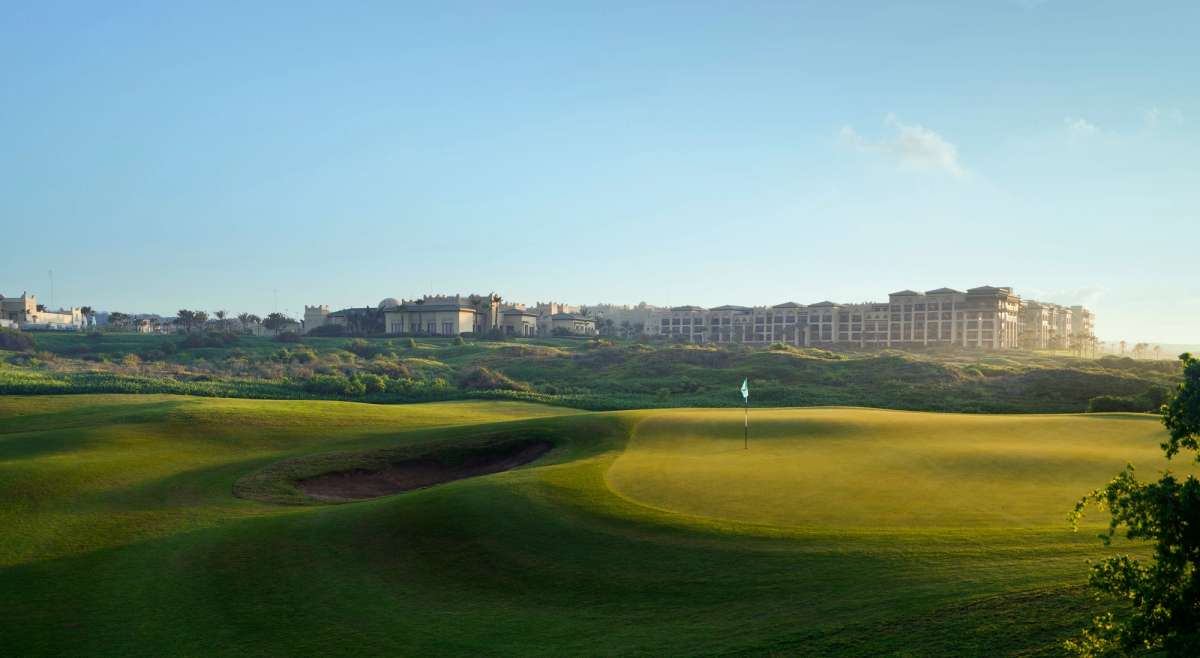
Gary Player is the architect of the 18-hole Mazagan golf course and it’s rather fitting that this golfing legend, who claimed his Open titles on championship seaside courses, should fashion this contemporary links layout on Morocco’s Atlantic coast.
Overall rating

5.0
Gary Player is the architect of the 18-hole Mazagan golf course and it’s rather fitting that this golfing legend, who claimed his Open titles on championship seaside courses, should fashion this contemporary links layout on Morocco’s Atlantic coast.
The latest ranking of the Top 100 Golf Courses in the World serves as the ultimate global golf bucket list. Most members of our World Top 100 Panel are seasoned golfers, each playing 20-30 of these courses annually while travelling extensively over decades to form their opinions on others. We recognise that opinions vary—even among our panel members. Rankings are subjective, and there are undoubtedly 50 or more courses in the UK and USA alone that could easily fit onto this list. Links Golf Pilgrimages The rankings
California, United States
New Jersey, United States
Northern Ireland, United Kingdom
New York, United States
New York, United States
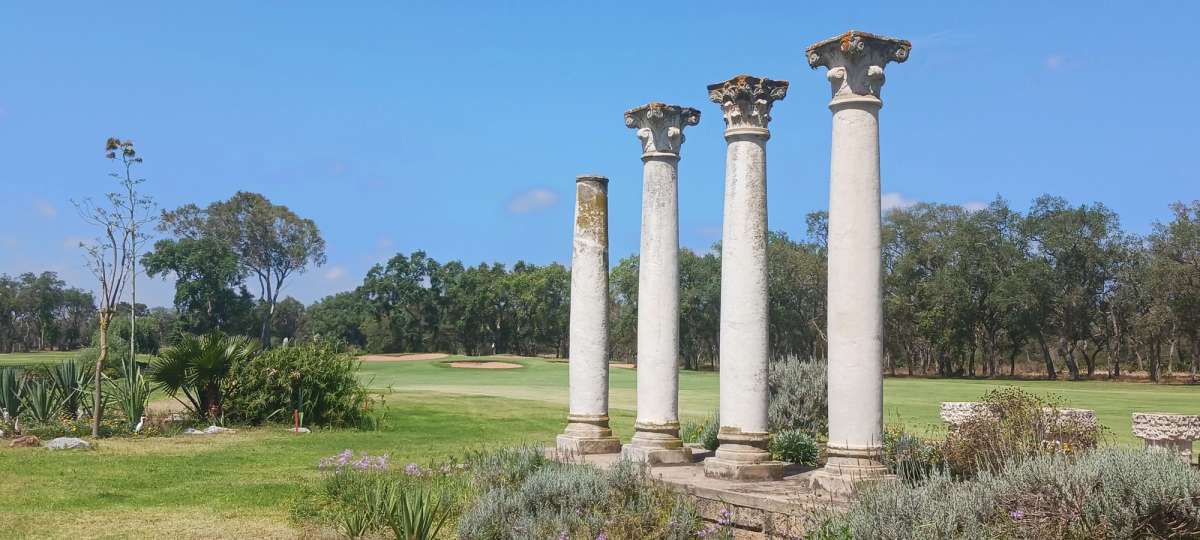
We’ve published quite a few articles on golf in the Kingdom of Morocco, most recently when we revisited Marrakech last year, then a few months ago when we teed it up on a winter weekend break to Agadir. Often overlooked by golfers looking for an alternative to the usual destinations in Portugal or Spain, Morocco has more than forty courses spread out around the country, most of them built to modern specifications and maintained to a high standard. A host of travel agencies can sort out accommodation and green fee packages but you can also make your arrangements, flying in to deal direct with clubs you’d like to visit – the only course we know of which is off limits to the public is the Palais Royal d’Agadir. All the other clubs are happy to accept a green fee and provide, at very reasonable rates, a local caddy who’ll carry your bag and offer advice as required. Some caddies have been employed for more than fifty years (at Royal Dar Es Salam, for instance) so they certainly know their way around. Last month, we were invited to join a select group from the European Golf and Travel Media Association to participate in a week-long golf trip along the Atlantic coastline of the country, starting in El Jadida and finishing in Tangier. Hopefully, the following brief account of how the tour unfolded will give you a flavour of what golf is like in the northwest corner of the African continent. Royal Golf El Jadida After flying into Casablanca airport, we drove an hour to the Royal El Jadida course outside the fortified port city of El Jadida. Built by the Portuguese in the 16th century as a staging post for mariners heading to and from South America, El Jadida is now a UNESCO World Heritage Site, with the city fortifications of bastions and ramparts regarded as fine examples of military design. The golf course lies to the north of the city, where architect Cabell Robinson carved out eighteen holes from a landscape of coastal woodland thirty years ago. The golf facility is now manged by Madaëf Golfs – who operate another eight courses in five other Moroccan destinations – and a substantial investment was made a short time back which allowed James Duncan to carry out a very well-received bunker renovation, along with other infrastructure improvements made in and around the clubhouse. Mazagan The EGTMA group stayed a couple of nights at the magnificent Mazagan Beach Resort near El Jadida, which owner Sol Kerzner built in the early years of the new millennium, modelling the complex on his Sun City complex in his native South Africa. The 492 rooms and suites (plus 14 restaurants and bars) at Mazagan are spread across a huge 600-acre coastal property with the spa including a 100 square metre breath taking space of mosaic and marble in the hammam, along with a state-of-the-art gym and fitness centre. The Mazagan golf course is a Gary Player design, the longest in the country when it debuted in 2009 and fairways weave in and out of the low-lying sand dunes to the north of the resort. Holes are set out as two returning nines, each of which concludes metres from the waves crashing onto the beach, near to the clubhouse. Bahia Golf Beach Day three of the press trip got under way in rather unconventional style, attending an exhibition of horsemanship at the Tbourida (also known as Fantasia) in Bouznika. The performance consists of troupes of horse riders in traditional attire who head in a line along a 200-metre track at the same speed then, at the end of a short charge, fire their muskets into the sky. The difficulty is synchronizing the horse movement during acceleration of the charge, and especially in firing the guns simultaneously so that one single shot is heard at the end. Regional heats take place – 31 junior and senior troupes participated in this one – before the finals take place at the Mohammed VI exhibition centre outside El Jadida. After the excitement of the Tbourida in the morning, the afternoon’s play at Bahia Golf Beach was rather tame in comparison, though the course is a solid Cabell Robinson design which brings water hazards into play on several occasions. The slope for the middle set of three tees (5,060 to 6,075 metres) varies between 120 and 129 so it’s not too taxing a track but if you choose to play from the black rear tees (6,749 metres) then the challenge increases quite a bit as a slope rating of 140 will confirm. After finishing the round, it was back to relax at the on-site Vichy Celéstins Spa Hôtel, boasting 130 bedrooms and two restaurants with the country’s first Wellness Clinic also offering guests the use of a large health spa comprising an indoor pool, gymnasium, hydrothermal area, yoga studio and two large outdoor pools. Royal Golf Dar Es Salam Situated in the Zaers forest to the south of Rabat, the 45-hole golf facility at Royal Golf Dar Es Salam is a late-1960s Robert Trent Jones Senior production that concurrently hosts the Hassan II Golf Trophy and the Lalla Meryem Cup on the Red and Blue courses. The Red course was recently renovated by architect James Duncan – with substantial green contouring a major feature of the upgrade – and these wildly undulating new putting surfaces definitely added to the playing experience for the visiting journalists. There aren’t many (if any) golf clubs around the world with the resources to host international men’s and women’s professional golf tournaments in the same week on the same campus but Royal Dar Es Salam has being doing this on and off since 1993, which is a quite remarkable achievement. An impressive new national Academy setup is due to open later this year at the club (the result of a joint venture with the PGA of America) and this will include all the usual golf training and practice components, as well as a museum, library, fitness centre, spa and restaurant. Before heading back to our accommodation at the newly opened Conrad Rabat Arzana hotel outside the capital, there was time for a quick look round the medina in the old walled city of Salé, which is separated from Rabat by the Oued Bou Regreg where it empties into the Atlantic. Of course, for the women in the group especially, a little local shopping after a long day at the golf club was the perfect way to round things off on the Rabat leg of the tour... Royal Country Club de Tanger The penultimate morning of the trip was spent on the road, making the 3-hour journey north from Rabat to the port city of Tangier and the Royal Country Club de Tanger, which celebrated its centenary in 2014. It’s a wonderful old property in the Boubana district of the city, where the golf course has been extensively modified over the years, primarily by Hugh Alison in the 1930s, Cotton & Pennink in the 1960s then Peter Harradine twenty years ago. In more recent times, clubhouse facilities at Royal Tangier have been upgraded, cart paths refurbished and general maintenance improvements made to allow the club to keep pace with a fast-moving golf world – anybody who visited five or six years ago would now be amazed by the transformation that has taken place since then. After golf it was only a short 15-minute drive downtown to the Hilton Tanger City Center Hotel beside the Tanger Ville railway station, where the new high-speed TGV train service connects to Casablanca. It was a little too late in the day for the media group to try any of the rooftop pool, sauna and steam facilities but the long-range views at dinner from La Kasbah restaurant on the 15th floor across the Strait of Gibraltar (to Tarifa, 31 kilometres away on the Spanish mainland) were simply stunning. Hilton Tangier Al Houara Resort & Spa The final leg of the 6-day Moroccan golfing excursion entailed a mere 30-minute drive south to the Hilton Tangier Al Houara Resort & Spa, where the 18-hole golf course was officially opened nine months ago by the joint architects Graham Marsh and Vijay Singh. Funded by the Qatari Diar investment company, phase 1 of the Al Houara project includes the hotel and golf complex (extending to the 18-hole layout, 9-hole floodlit par three course and practice facilities), though the partly-built clubhouse is yet to be completed. That means holes are artificially sequenced at the moment so that a round starts and finishes on the coastline, close to the hotel, and that isn’t an ideal arrangement but it’ll have to do for the time being. Al Houara is a big budget development and it’s obvious there was no expense spared in the design and build of both the course and the surrounding infrastructure. It might lack a little character and soul right now – which Royal Tangier has in abundance – but the course itself is one of the very best in Morocco and should go on to host many prestigious championships in years to come. When the round was over (and yet another magnificent spread of Moroccan food had been devoured next to the hotel pool) it was time to hit the road south to the Barceló Anfa Casablanca for a final overnight stop before flying out from Mohammed V International Airport the following day. What a week it had been; mixing great golf with local culture and dining on Moroccan cuisine of the highest quality throughout the trip. Above all, the hospitality was unsurpassed which, for those who have been to the country before, is pretty much why they return again and again to a land that just keeps giving… Sincere thanks for overseeing such an unforgettable expedition to tour guide Khalid from the Paris bureau of the Office National Marocain Du Tourisme (otherwise known as visitmorocco.com) and to EGTMA senior member Roland Machenuad who was heavily involved in the background organisation beforehand with President Jo Maes. And just how good is Morocco as a golfing destination? Well, you’ll never know if you don’t go… If you have any comment to make on the above article then please use the “WRITE A RESPONSE” link at the bottom of this page. Jim McCann Editor Top 100 Golf Courses
Morocco, the Kingdom of Golf, is waiting to welcome you 2nd April 2012 If playing a round under the Moroccan sun has never really appealed to you before then maybe you should think again as it’s currently one of the most up-and-coming golf destinations for European golfers. More than a dozen brand new 18-hole layouts are set to open before 2015, expanding the country’s already impressive golfing portfolio to forty courses. Morocco’s golf market is growing twice as fast as the overall tourist sector so, in order to meet this increased demand, a “Blue Plan” has been drawn up to develop the seaside resorts along the Atlantic and Mediterranean coastlines and this will increase hotel capacity and improve local infrastructure. Similar measures are also being taken inland to ensure cities like Fez and Marrakech can cope with the influx of visiting golfers. Situated only a short flight away from Europe in North Africa, Morocco enjoys a rich golfing heritage that stretches back almost a hundred years to when Royal Tangiers Golf Club was inaugurated in 1917. The old course lies in the northwest corner of the country and it’s one of several splendid layouts – including Royal Cabo Negro at Tetouan and Palmeral in Saïdia – that are strung out along the rugged northern coastline. Under the Blue Plan, another two courses – Las Lagunas and El Oasis – are being built in Saïdia, two others are planned for Nador as part of the Marchica Med eco resort whilst, back in Tangier, a V.J. Singh signature course is scheduled for play when the big budget Al Houara resort opens. The late monarch, King Hassan II, was an avid golfer and top professionals compete annually for a trophy that bears his name. Since its inception in 1971, Major winners such as Billy Casper, Lee Trevino, Payne Stewart, Nick Price, Padraig Harrington and Ernie Els have all won this prestigious event. The King was shrewd enough to commission one of the world’s leading designers, Robert Trent Jones Snr, to construct a fabulous 45-hole golf complex at Dar Es Salam Golf Club in Rabat and for many years, beginning in 1971, the Red and Blue 18-hole layouts co-hosted the Trophée Hassan II tournament. Between Rabat and El Jadida, there’s plenty of choice for golfers along this stretch of the Atlantic coastline with Robert von Hagge courses at Bouznika and Benslimane, a charming old 1920s layout at Royal Mohammedia and a couple of fantastic tracks at El Jadida: Cabell Robinson’s El Jadidia Royal and the new Gary Player-designed Mazagan. A little further south, the Black Knight also put his architectural stamp on the Mogador course at Essaouira in 2010. And as part of the Blue Plan to “dress the coastline in green for 2015” golf facilities in Casablanca will be augmented by the Casa Green project, where a new 18-hole course will triple the number of holes currently available in that city. The coastal resort town of Agadir is one of the most popular golf destinations in Morocco and that’s hardly surprising when you consider it basks in sunny skies for 300 days every year and boasts no fewer than ninety nine golf holes, many of them perfumed by eucalyptus and mimosa. You’ll find these fairways split between Agadir Royal (9 holes), the Dunes Golf Club (27 holes), Soleil Golf Club (36 holes) and the Ocean Golf Club (27 holes) – with more new courses scheduled for Taghazout, to the north of Agadir, and Oued Chbika to the south. The media spotlight also falls one week in every year on the private Golf Du Palais d’Agadir course when it hosts the annual Trophée Hassan II tournament on the men’s European Tour, this event having switched from Rabat in 2011. Last but certainly not least, the ochre-tinted city of Marrakech has been offering golf as a recreational activity since the mid 1920s when the Royal Marrakech course was formed and great world leaders such as Churchill and Eisenhower have walked the fairways of this fine old golfing establishment. This facility was joined in the 1990s by Robert Trent Jones Snr’s Palmeraie layout and Cabell Robinson’s Amelkis course, both of which have been recently extended to 27 holes. New millennium additions to the Marrakech golf scene include the 9-hole Atlas Golf Club, the 18-hole Kyle Phillips course at Al Maaden plus a couple of new layouts that lie a little further away from the city at Assoufid (a Niall Cameron creation) and Samanah (a Nicklaus Design course). To the south east of Marrakech, the ski resort of Oukaimeden in the Atlas mountains is set to open the highest 18-hole course in North Africa whilst further on, the charming little 9-hole Ouarzazate layout is scheduled to double in size. If you tie in a golf trip to Morocco with cultural visits to some of the country’s many UNESCO world heritage sites like Volubilis near Meknes, the Fez Medina or Marrakech’s market square then you will have a stay in a magical North African land that will live long in the memory. Golfers who have played in the Canary Islands, the Iberian peninsula or the north east coast of the Mediterranean and feel they might not be getting value for money need look no further than Morocco for high class, affordable golf with very reasonable green (and caddy) fees. The Top 100 team haven’t played all the existing courses in Morocco, so if you think there’s one that we should feature, even as a GEM, then please let us know by nominating a course. Jim McCann Editor www.top100golfcourses.com
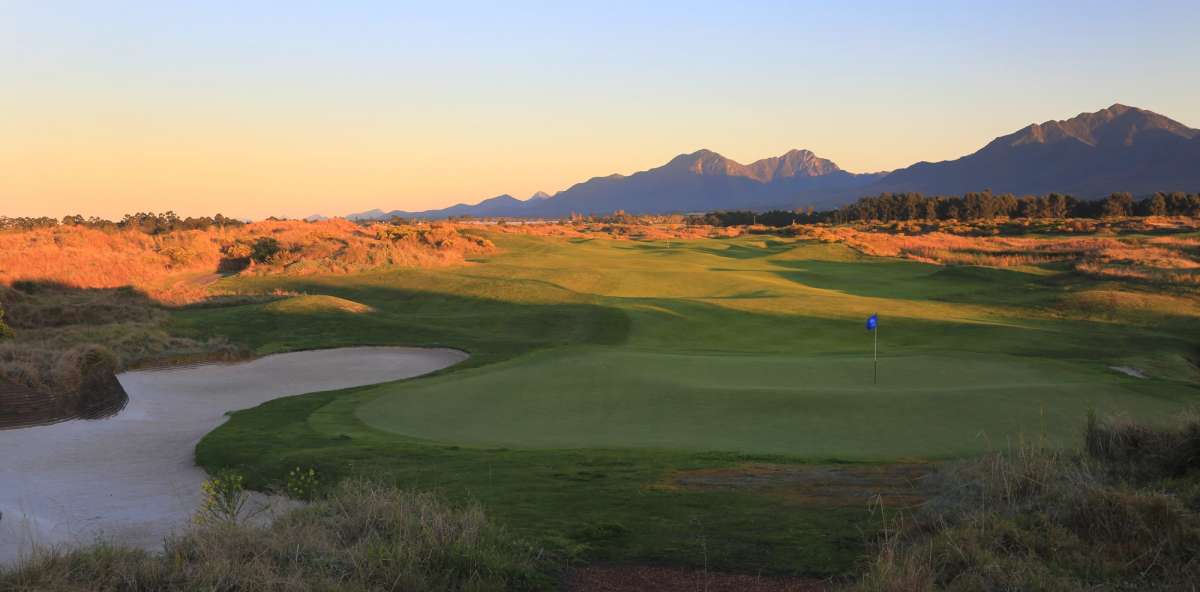
Timing can make all the difference when planning a golf holiday. While peak season often brings the best playing conditions, it can also mean higher green fees, expensive accommodation and limited tee-time availability. Travelling during the shoulder season – the periods immediately before or after a destination's busiest golfing months – can offer a better balance between cost, weather and availability. From Scotland's famous links to the desert courses of Arizona, we've picked out 10 destinations where travelling outside peak season could make your next golf trip more enjoyable – and potentially more affordable. The Algarve, Portugal Best time to visit: February, June or November The Algarve is one of Europe's most popular golf holiday destinations, but its busiest golfing periods don't necessarily coincide with the peak summer tourism season. March through May and September through October are generally the most expensive months for golf, when comfortable temperatures attract visitors from across Europe. Travelling in February, June or November can offer better value, with several leading courses reducing their green fees outside these periods. June is particularly appealing for golfers who enjoy warm weather, although early tee times are advisable as temperatures rise. February and November are cooler, with a greater chance of rain, but accommodation and tee-time availability can be more attractive. With championship courses stretching across Portugal's southern coastline, the Algarve remains an excellent destination for golfers looking to balance quality and affordability. Courses to consider Monte Rei Golf and Country Club (North) Quinta do Lago (South) Palmares Golf (Praia & Lagos) Costa del Sol, Spain Best time to visit: Late May–June or November Spain's Costa del Sol has more than 70 golf courses, including some of continental Europe's most highly regarded layouts. Spring and autumn are traditionally the busiest golfing periods, particularly March, April and October, when temperatures are comfortable and conditions are well suited to playing 18 holes. Travelling in late May, June or November can offer an alternative, with some courses introducing reduced green fees outside their highest-demand periods. June brings warmer weather and long daylight hours, making morning rounds particularly appealing. November is cooler and generally quieter, although rainfall becomes more likely. With Marbella, Estepona and Sotogrande all within easy reach, golfers can combine several championship courses with restaurants, beaches and other attractions. However, premium venues may maintain high green fees throughout much of the year, so checking individual seasonal rates is particularly important. Courses to consider Real Club Valderrama Finca Cortesin Golf Club La Reserva Club Scotland Best time to visit: April–May or September–October Scotland's famous links courses attract golfers from around the world during the summer, when long daylight hours and relatively mild weather make it possible to play well into the evening. However, travelling outside the busiest months can offer considerable advantages, particularly at courses with different seasonal green-fee structures. April and early May can provide an opportunity to experience Scotland's traditional links before peak summer demand, while October can bring lower rates at some leading venues. September remains popular with international visitors, meaning substantial savings aren't always guaranteed. Links courses can also play particularly well during the cooler months, with firm turf and coastal winds providing a traditional test of golf. The biggest compromise is the weather, while shorter daylight hours towards October can limit the number of rounds golfers can fit into a single day. Courses to consider Kingsbarns Golf Links Royal Dornoch Golf Club (Championship) North Berwick Golf Club (West Links) Ireland Best time to visit: April–May or September–October Ireland is home to some of the world's finest links courses, but securing tee times at its most famous venues during the summer can require considerable forward planning. Courses such as Royal County Down, Lahinch and Ballybunion attract international visitors throughout the main golfing season, with popular tee times often booked well in advance. Travelling in April or October may provide greater flexibility when planning an itinerary, particularly for golfers hoping to visit several highly ranked courses on the same trip. May and September can also offer excellent playing conditions, although both remain popular months and green fees may be comparable with peak summer rates. Spring brings increasing daylight, while early autumn can offer relatively mild temperatures before winter approaches. Atlantic winds and rain remain a possibility throughout the year, but for golfers prepared to embrace the conditions, Ireland's links courses are rewarding in almost any season. Courses to consider Royal County Down (Championship) Lahinch Golf Club (Old) Ballybunion Golf Club (Old) Belek, Turkey Best time to visit: February–March or late November Belek has established itself as one of Europe's leading resort golf destinations, with championship courses, luxury hotels and all-inclusive packages attracting visitors throughout much of the year. Unlike northern European destinations, its busiest golfing periods are generally spring and autumn, particularly April, May and October, when temperatures are most comfortable. Travelling in February, March or towards the end of November can provide better value, with some resorts offering more attractive golf packages outside the busiest months. The courses are concentrated along Turkey's Mediterranean coastline, making it relatively straightforward to arrange several rounds without lengthy transfers. Rainfall is more likely during the cooler months, while temperatures can vary considerably between February and late March. For golfers looking for a resort-based holiday with accommodation, golf and transfers organised together, Belek is an appealing shoulder-season option. Courses to consider Carya Golf Club Montgomerie Maxx Royal The National Golf Club (Irmak & Tuna) - Antalya Dubai, UAE Best time to visit: October or April Dubai offers a distinctive golfing experience, with championship courses, luxury resorts and dramatic city skylines providing a very different setting from traditional links golf. The city's peak golfing season runs through the cooler winter months, when visitors arrive to escape colder climates elsewhere. October and April sit around the edges of this busy period, offering opportunities to find more attractive accommodation rates and potentially lower green fees. The trade-off is the temperature. Both months can be considerably warmer than the middle of winter, making early morning or late afternoon tee times preferable. Dubai also offers floodlit golf, allowing visitors to play after sunset when conditions are more comfortable. With several leading courses located within a relatively short drive, the city is well-suited to a golf holiday combining multiple rounds with sightseeing and other activities. Courses to consider Emirates Golf Club (Majlis) Jumeirah Golf Estates (Earth) Dubai Creek Golf & Yacht Club Arizona, USA Best time to visit: November or late April–May Arizona's desert golf courses provide some of the most spectacular scenery in American golf, with Scottsdale and the greater Phoenix area attracting visitors throughout the cooler winter months. Peak demand generally falls between January and March, when comfortable temperatures bring golfers from across the United States and beyond. November and late April into May can offer alternatives, with potentially lower green fees and fewer visitors than the busiest winter weeks. However, autumn visitors need to pay particular attention to overseeding schedules. Many Arizona courses temporarily close or restrict play during September and October while preparing their playing surfaces for winter. By November, most have reopened, although conditions and cart restrictions can vary. Late spring offers another opportunity before the intense summer heat arrives, but temperatures can rise quickly as May progresses. Courses to consider Troon North Golf Club (Monument) We-Ko-Pa Golf Club (Saguaro) Grayhawk Golf Club (Raptor) Western Cape, South Africa Best time to visit: March–April or October–November South Africa's Western Cape and Garden Route offer some of the country's finest golf, with championship courses surrounded by mountains, vineyards and dramatic coastal scenery. The region's busiest tourism period generally coincides with the southern hemisphere summer, particularly December and January, when domestic and international holidaymakers flock to Cape Town and the surrounding coastline. Travelling in March, April, October or November can provide a quieter alternative, with comfortable temperatures and opportunities to combine golf with sightseeing. The Garden Route is particularly well suited to a longer golf holiday, with several leading courses located within driving distance of one another. Conditions can vary throughout the region, with the Western Cape experiencing wetter winters and more settled weather during the warmer months. Accommodation may also be more affordable outside the busiest holiday periods, although green-fee discounts depend on the individual club. Courses to consider Fancourt (The Links) Pearl Valley Arabella Country Estate Hua Hin, Thailand Best time to visit: November or March Hua Hin has established itself as one of Thailand's leading golf destinations, with championship courses, luxury resorts and a well-developed golf tourism industry. The region's busiest golfing period generally falls between December and February, when cooler, drier weather attracts international visitors. November and March can provide alternatives, although the playing conditions differ considerably between the two months. November marks the transition towards the drier season, with improving weather following the wetter months. March is generally hotter, making early morning tee times preferable before afternoon temperatures rise. Hua Hin is particularly appealing for golfers looking to combine several rounds with a relaxing beach holiday, with many of the area's leading courses located within a relatively short drive. Caddie fees, tips and buggy charges should also be considered when calculating the overall cost of a golf trip. Courses to consider Black Mountain Golf Club (East & North) Pineapple Valley Golf Club Springfield Royal Country Club (A&B) Marrakech, Morocco Best time to visit: February or November Marrakech offers an appealing alternative to Europe's more established golf holiday destinations, with championship courses, luxury resorts and the opportunity to combine golf with the city's cultural attractions. Spring and autumn are particularly popular golfing periods, when temperatures are comfortable for playing 18 holes and exploring the surrounding city. Travelling in February or November can provide an alternative to the busiest months, although November can still attract considerable golf tourism. February is generally cooler, with occasional rainfall and chilly mornings, while November often provides comfortable daytime temperatures before winter arrives. Unlike the coastal resorts, Marrakech can become extremely hot during summer, making June through August less appealing for golfers hoping to play during the middle of the day. With several highly regarded courses located around the city, Marrakech is well suited to a short golf break. Courses to consider Assoufid Golf Club Royal Marrakech (Old) Al Maaden Golf Resort Is Shoulder-Season Golf Worth It? Travelling outside peak season won't always guarantee cheaper green fees or perfect weather, but it can provide opportunities that are harder to find during the busiest months. Whether that means securing a tee time on a famous Scottish links, avoiding peak winter prices in Arizona or finding better-value golf in the Algarve, choosing the right time to travel can make a significant difference to a golf holiday. Note: Recommended travel windows are indicative. Green fees, seasonal pricing, course maintenance and visitor availability vary by club and should be checked before booking.
Developed by Sol Kerzner, the hotel/resort/casino mogul who financed the Sun City complex in his native South Africa back in the 1980s, Mazagan Beach Resort is an integral part of Morocco’s strategy – dubbed the “Plan Azur” – to expand its tourist industry and modern golf facilities are a key component of this ambitious program.
Gary Player, who designed Kerzner’s two courses at the Sun City Resort, is also the architect of the 18-hole Mazagan golf course and it’s rather fitting that this golfing legend – who claimed his three Open titles on the championship seaside courses at Muirfield, Carnoustie and Royal Lytham & St Annes – should fashion this contemporary links layout on Morocco’s Atlantic coast.
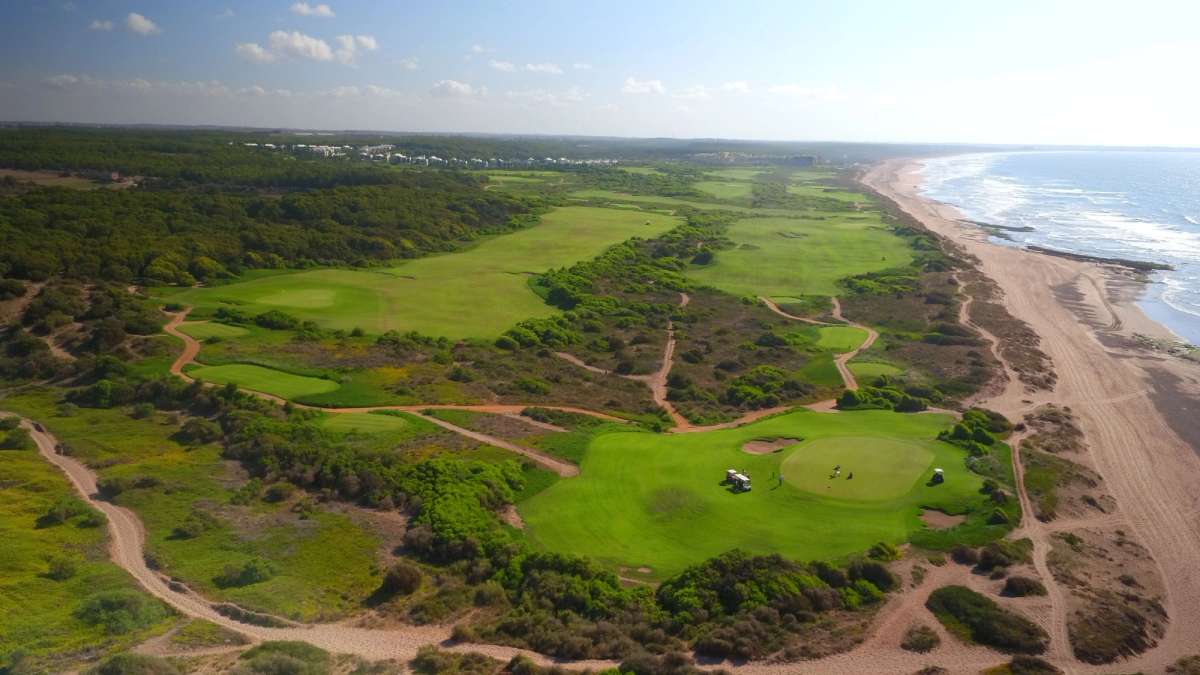
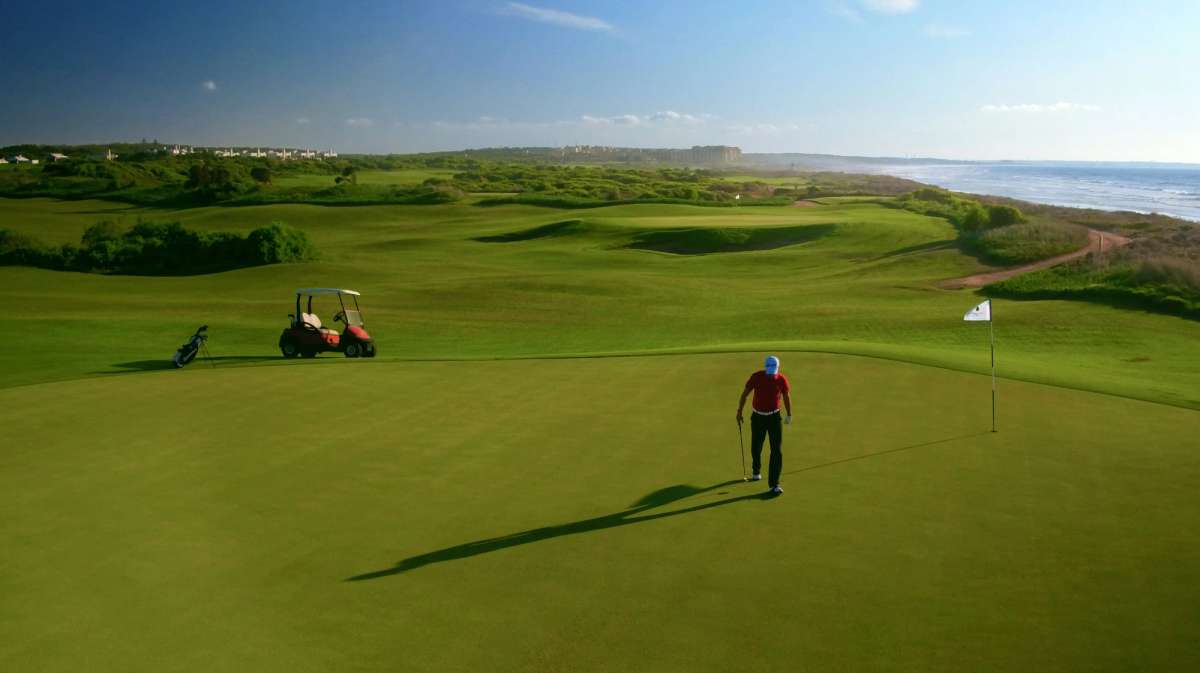
The longest track in the country at almost 7,500 yards when it opened for play in 2009, the Mazagan course weaves in and out of the low-lying dunes that line the sandy coast just to the north of El Jadida. Indeed, the most memorable holes on the card are those that run alongside the beach at holes 15, 16 and 18.
The 6th hole plays as an uphill par four at 440 yards from the championship tees. Against the prevailing wind, the tee shot must carry over the sand dunes to a fairway spotted with four bunkers. A long approach then has to be played to a raised, turtle back-shaped green that’s protected by three deep bunkers. Once on the putting surface, be sure to pause and admire the panoramic 360° view of the course, the ocean and the resort.
Par is toughest to tame at the long par four 8th hole where the drive is a real risk/reward decision due to the encroachment of sand hills, narrowing the fairway at the landing area. Hitting it short results in a safe drive but requires a long iron or fairway wood approach to a severely undulating green. With a little courage off the tee, a player might just find some luck with a full-blooded drive, leaving a shorter iron to the pin.
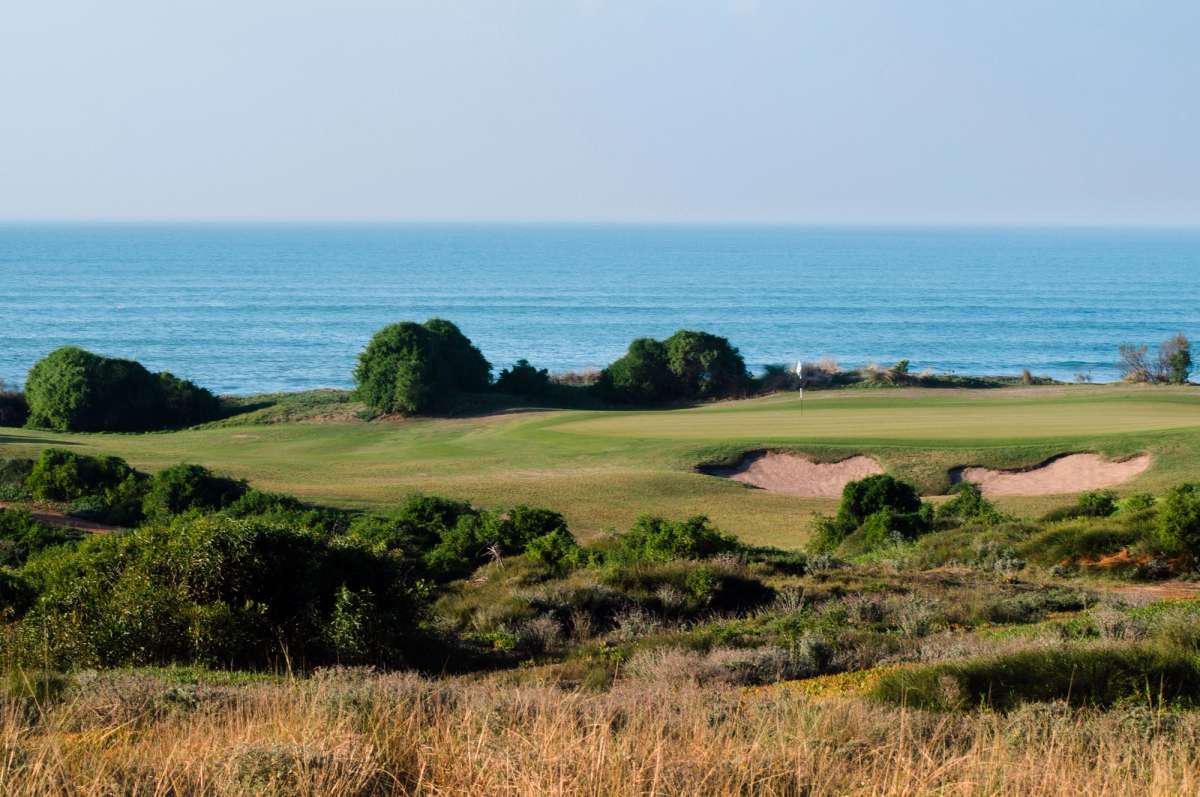
On the back nine, the par threes at the 13th and 15th vie for recognition as the signature hole on the card. Both require a sizable tee shot carry across wild patches of vegetation to raised greens that are protected by bunkers to the front of the putting surface. Despite a benign stroke index of 18, the shorter 15th probably just pips the other par three as the most memorable hole at Mazagan, thanks in no small part to its stunning Atlantic backdrop.
Architect
Gary Player


