Illinois, United States
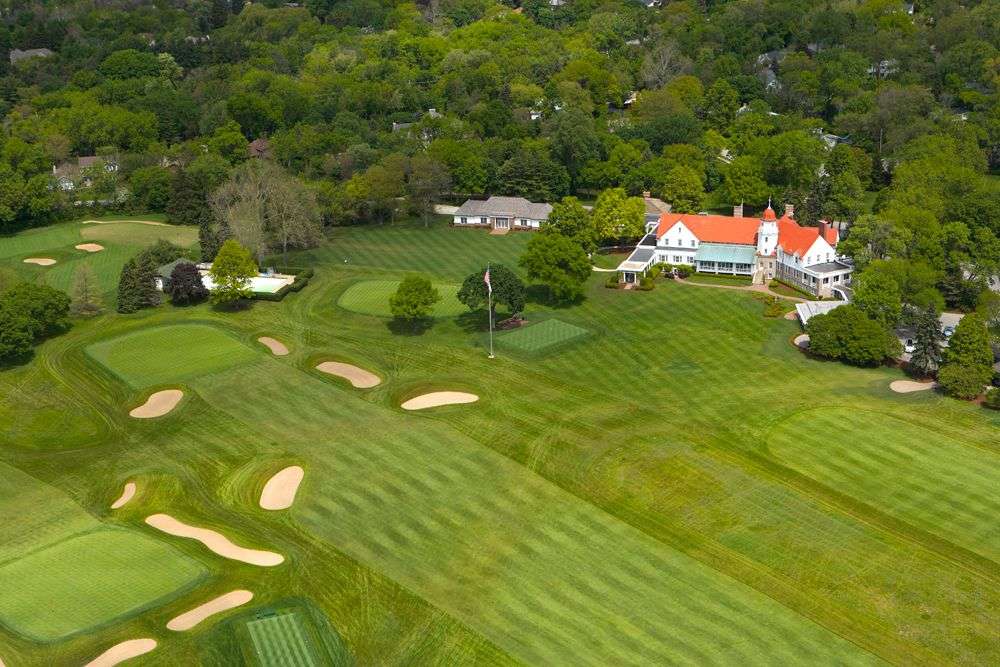
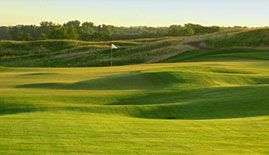
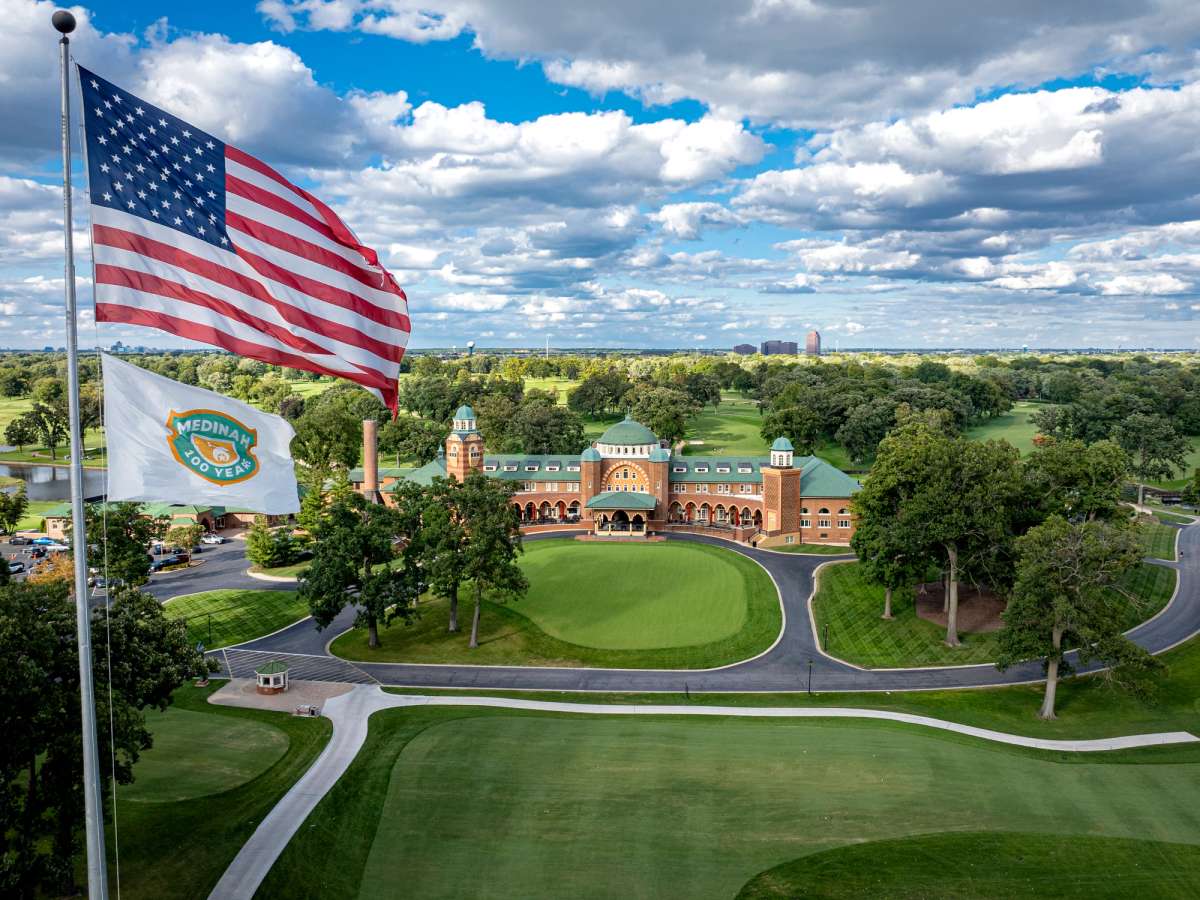
Medinah No. 3 reopened in 2024 following a comprehensive OCM Golf renovation, replacing narrow corridors with strategic width ahead of the 2026 Presidents Cup. Located 37 kilometres west of Chicago, this championship venue hosted five majors, including Tiger Woods's 1999 and 2006 victories, plus the dramatic 2012 Ryder Cup.
Overall rating

4.0
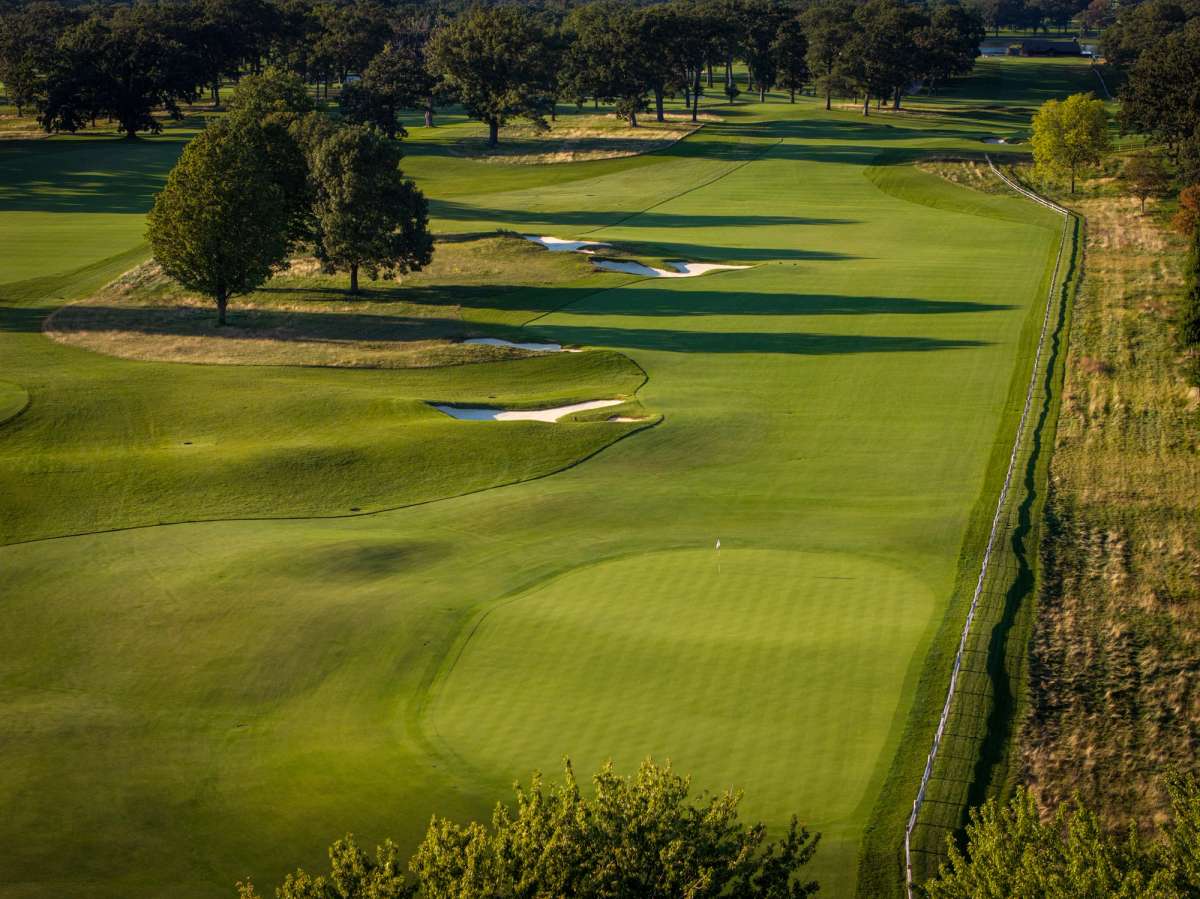
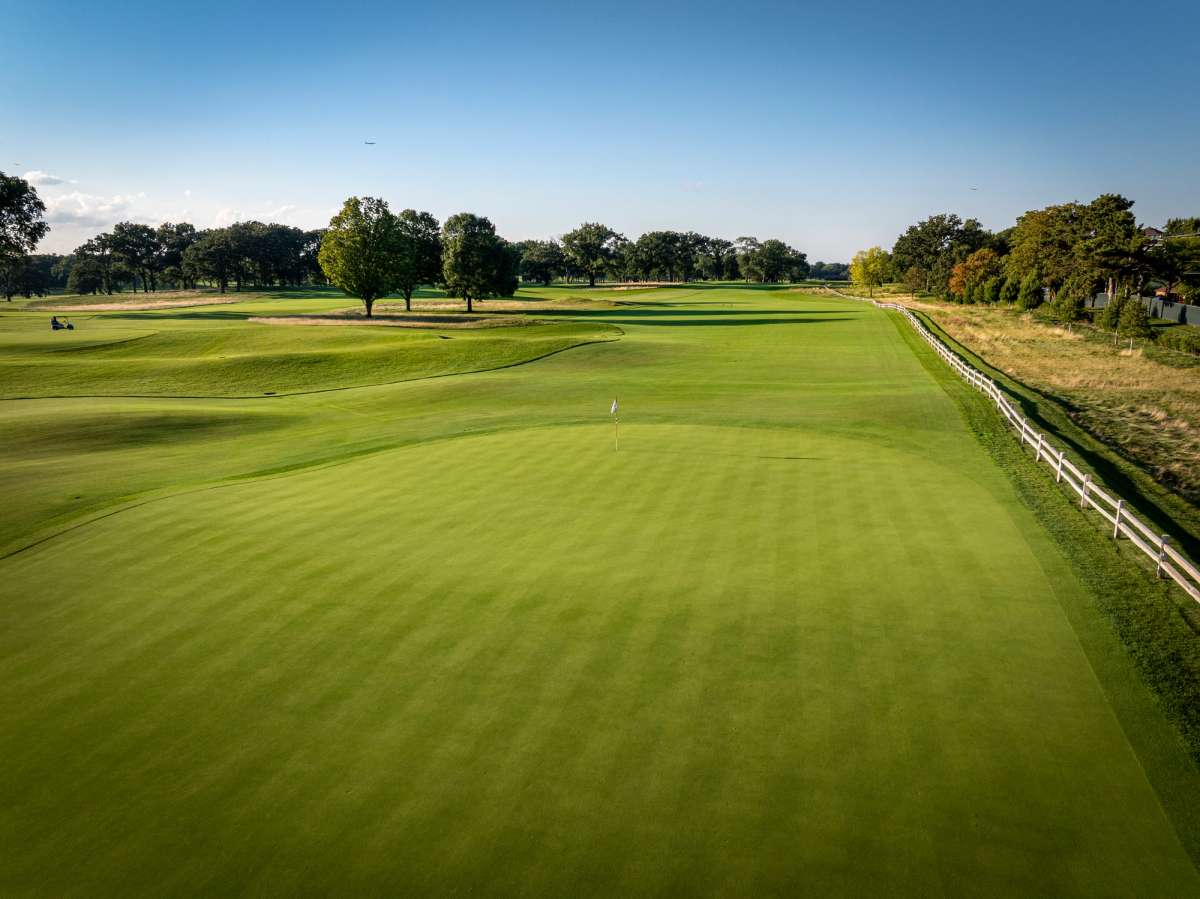
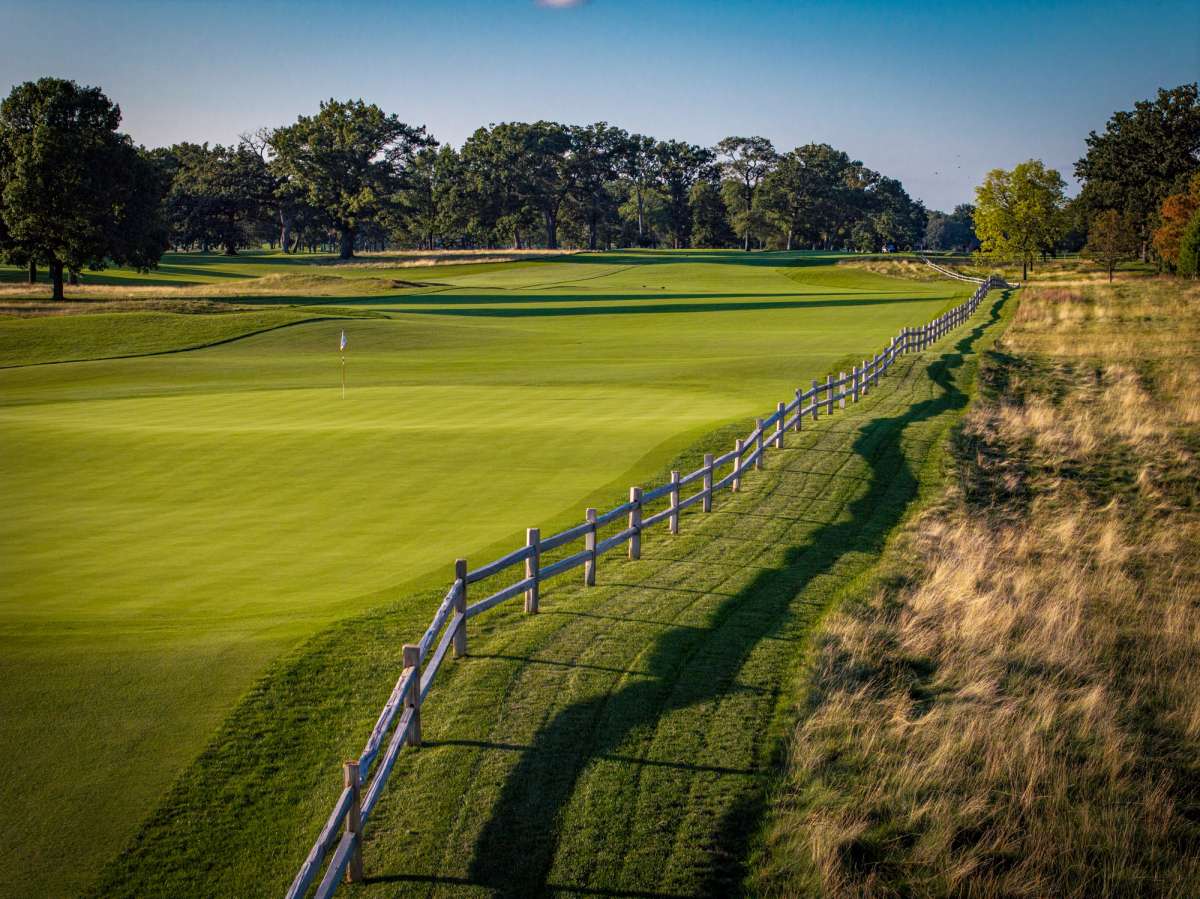
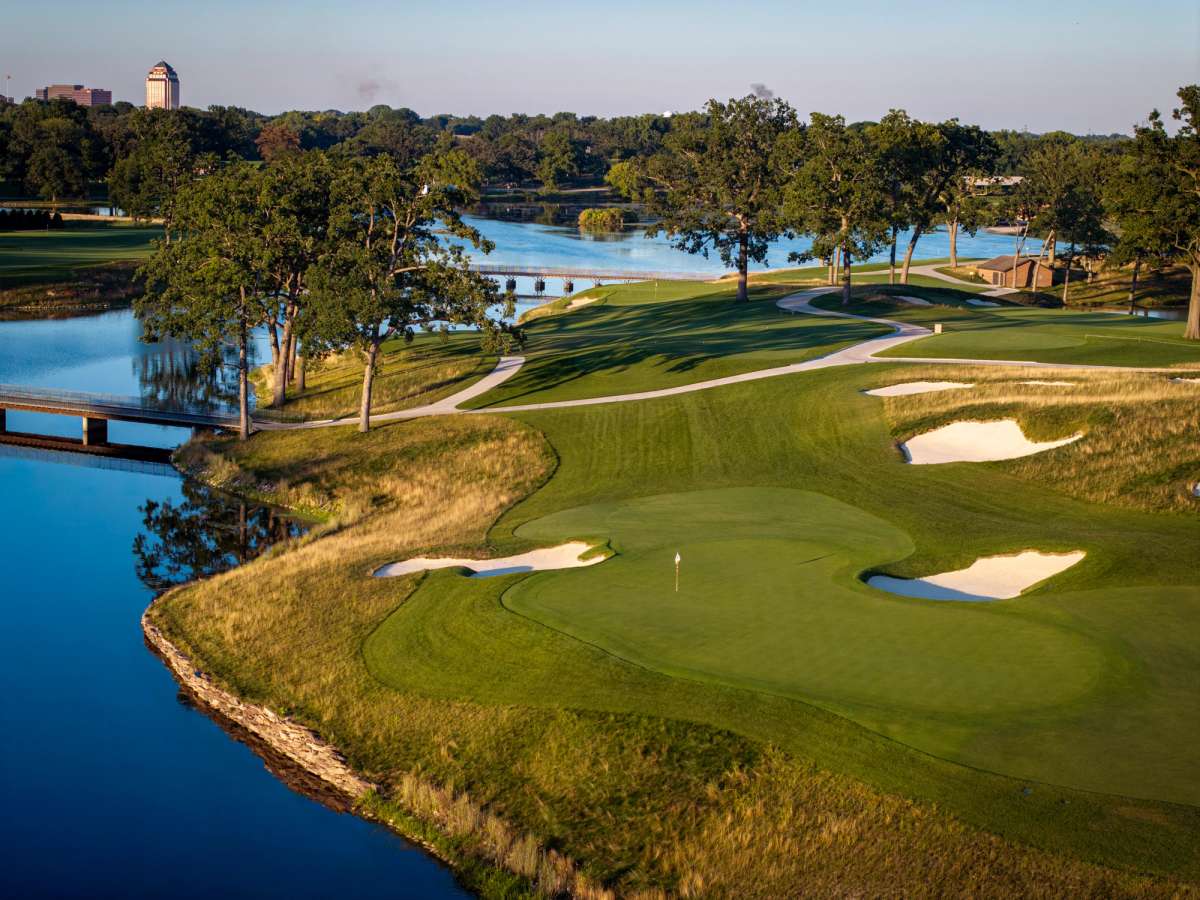
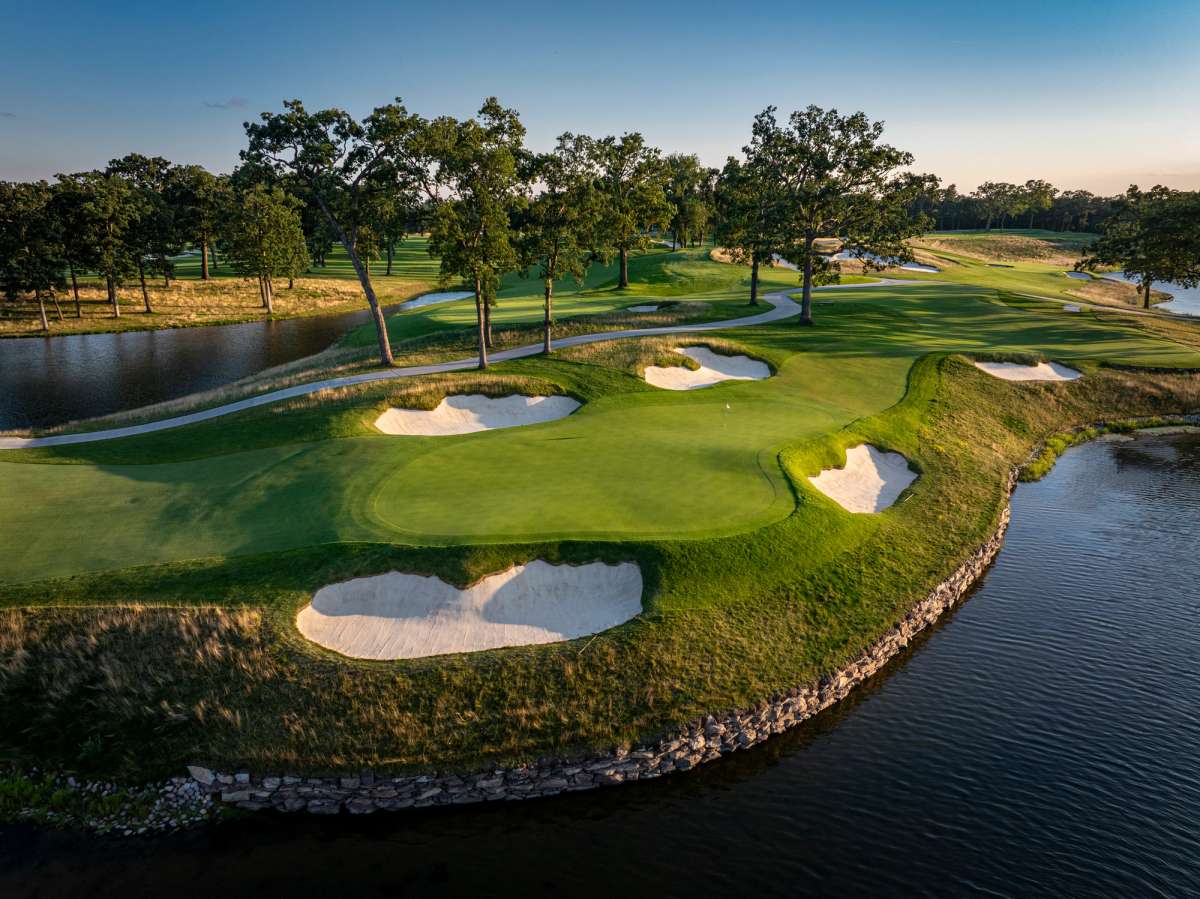
Medinah No. 3 reopened in 2024 following a comprehensive OCM Golf renovation, replacing narrow corridors with strategic width ahead of the 2026 Presidents Cup. Located 37 kilometres west of Chicago, this championship venue hosted five majors, including Tiger Woods's 1999 and 2006 victories, plus the dramatic 2012 Ryder Cup.
The latest ranking of the Top 100 Golf Courses in the World serves as the ultimate global golf bucket list. Most members of our World Top 100 Panel are seasoned golfers, each playing 20-30 of these courses annually while travelling extensively over decades to form their opinions on others. We recognise that opinions vary—even among our panel members. Rankings are subjective, and there are undoubtedly 50 or more courses in the UK and USA alone that could easily fit onto this list. Links Golf Pilgrimages The rankings
California, United States
New Jersey, United States
Northern Ireland, United Kingdom
New York, United States
New York, United States
Medinah No. 3, completed in 1928 by Tom Bendelow in the Chicago suburb of Medinah, Illinois, has hosted five major championships and underwent a transformative renovation by Australian firm OCM Golf that reopened in July 2024, marking a revolutionary shift from narrow corridors to expansive fairways and strategic bunkering.
Experience one of American golf's most storied championship venues, now reimagined with broader strategic options and enhanced visual appeal across 260 hectares (640 acres) of rolling terrain. The 2024 OCM Golf renovation addresses decades of incremental toughening whilst preparing the layout for the 2026 Presidents Cup.
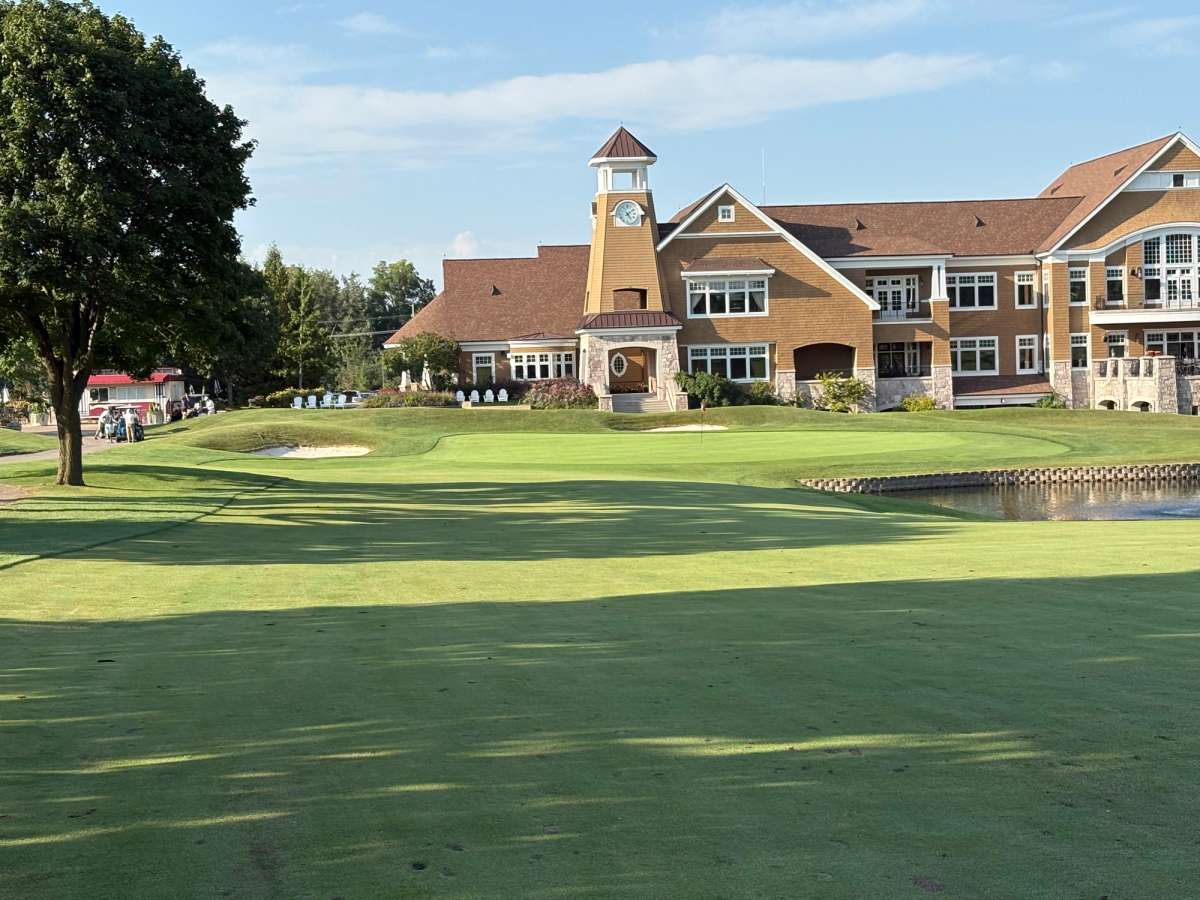
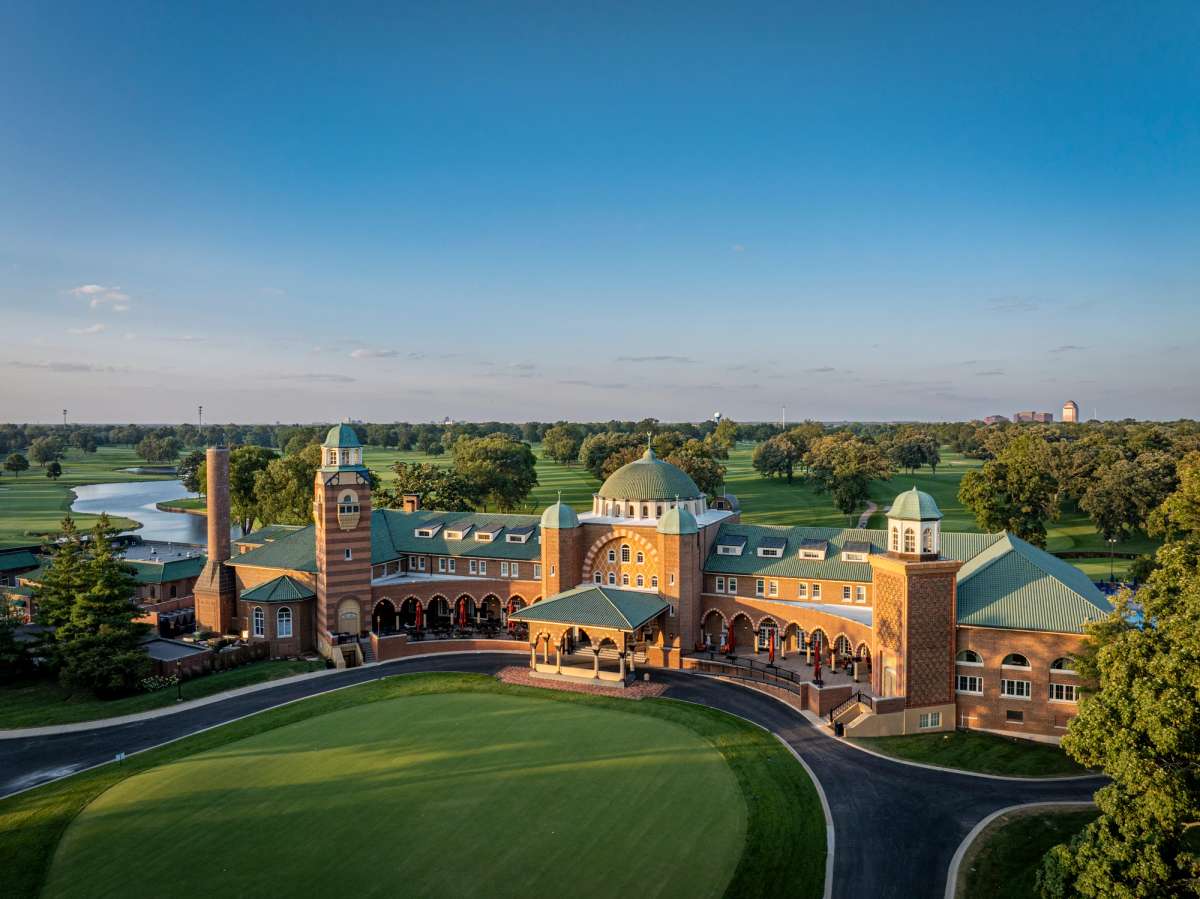
The Medinah Shriners founded Medinah Country Club in 1924, creating a 54-hole complex on former farmland 37 kilometres (23 miles) west of downtown Chicago. Course No. 3 opened in 1928, originally designed for the club's female members, but was immediately reimagined after Harry Cooper's 63 in the 1930 Medinah Open prompted Harry Collis to toughen the layout through the 1930s.
The layout hosted its first U.S. Open in 1949, won by Lou Graham after an 18-hole playoff. Cary Middlecoff claimed the 1975 U.S. Open, whilst Hale Irwin triumphed in 1990 following Roger Packard's 1986 redesign that brought substantial alterations to the routing and green complexes.
Tiger Woods secured his fifth major here during the 1999 PGA Championship, holding off a teenage Sergio Garcia. The layout was extended to 6,914 metres (7,561 yards) by Rees Jones for the 2006 PGA Championship, at the time the longest golf course in major championship history, where Woods claimed his 12th major title with a commanding five-stroke victory.
The 2012 Ryder Cup produced the "Miracle at Medinah" when Europe erased a 10-6 deficit to win 14.5-13.5, matching the largest singles comeback in Ryder Cup history. Justin Thomas's 61 during the 2019 BMW Championship exposed the layout's vulnerability to modern distance, prompting the club to commission OCM Golf (Geoff Ogilvy, Michael Cocking, and Ashley Mead) for a comprehensive reimagining completed between autumn 2022 and mid-2024.
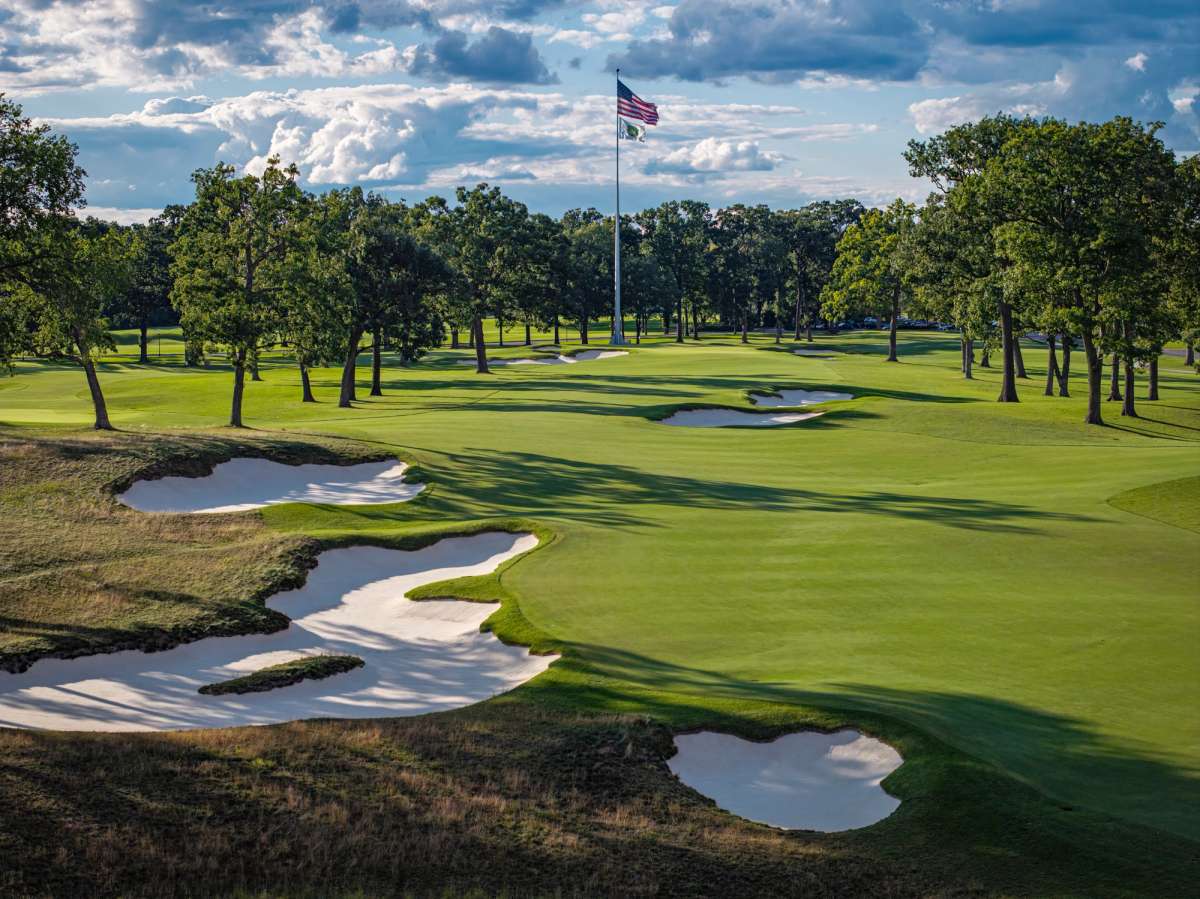
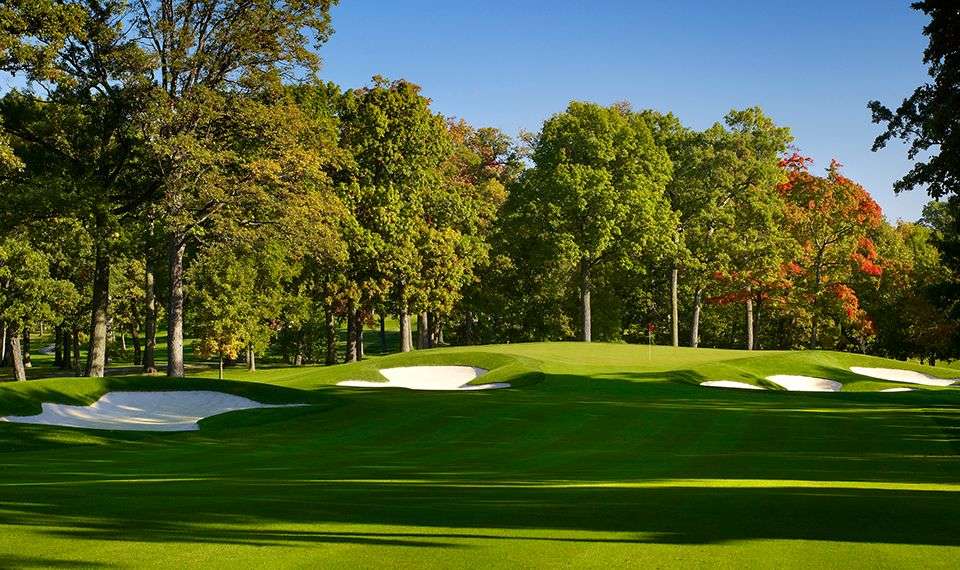
The OCM Golf transformation focused on restoring scale to Bendelow's original vision, removing hundreds of trees to improve sightlines and create interconnected playing corridors. The renovation increased green sizes substantially, expanded bunker complexes to evoke Golden Age proportions, and widened fairways from pinched landing areas to strategic playing zones measuring 40-50 metres across.
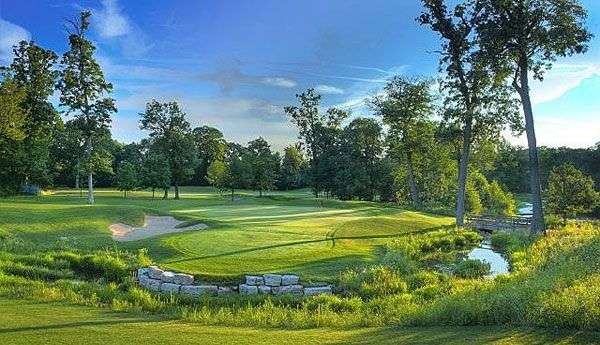
Six holes on the closing stretch were completely redesigned, most dramatically the 16th through 18th. The par-4 16th now plays diagonally across Lake Kadijah, whilst the 17th transformed from a relocated par-3 into an angled one-shotter playing parallel to the water. The 18th returned to its original corridor after decades of routing modifications.
The layout now measures 7,002 metres (7,657 yards) from the championship tees across par-72, though multiple tee positions allow configurations from 5,600 metres upward. Lake Kadijah features prominently on the inward nine, creating strategic decisions on approach shots and tee selections.
The renovation prioritised ground-game options and varied recovery shots over the penal rough lines that dominated from the 1980s through 2019. Bendelow's original landforms - sweeping ridges ideal for tee shots and green sites - were revealed through selective clearing and lowered bunker floors that tie features more naturally into existing grades.
Three par-3s play across or alongside Lake Kadijah, though the 2024 work varied angles and green orientations to reduce repetitive shotmaking. Green complexes average 400 square metres, featuring internal contours and expanded pin positions that reward precision whilst accommodating recovery play.
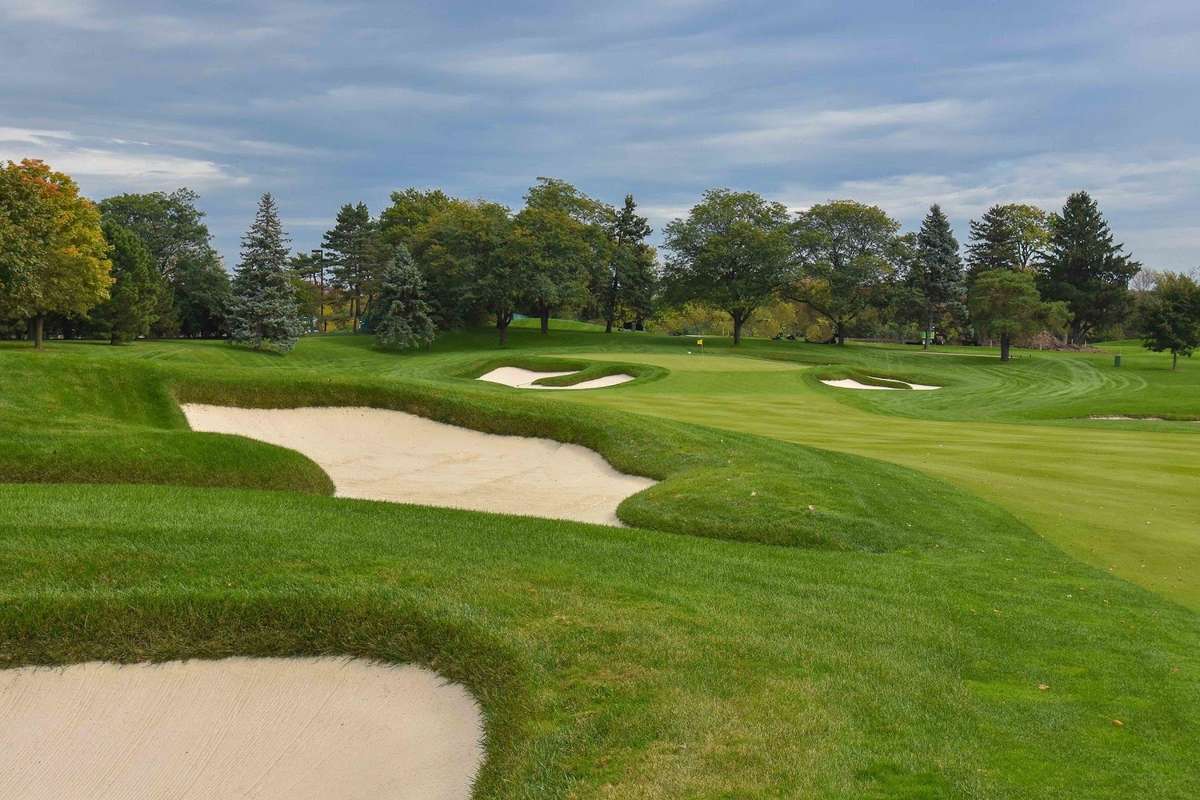
Fairway bunkering shifted from fairway-centre placement to classical strategic positioning inside dogleg corners and short of optimal driving distances. The wavy, expansive bunker edges reference 1920s design aesthetics whilst the Better Billy Bunker sand liner system ensures consistent playing conditions.
Western Open 1939 Byron Nelson
Western Open 1962 Jackie Cupit
Western Open 1966 Billy Casper
U.S. Open 1949 Cary Middlecoff
U.S. Open 1975 Lou Graham
U.S. Senior Open 1988 Gary Player
U.S. Open 1990 Hale Irwin
PGA Championship 1999 Tiger Woods
PGA Championship 2006 Tiger Woods
Ryder Cup 2012 Europe
BMW Championship 2019 Justin Thomas
Presidents Cup 2026 TBD
Within 30km (19 miles): Chicago boasts exceptional golf density, though most championship-calibre private venues, including Chicago Golf Club, Butler National, and Shoreacres, require member introduction. The Glen Club in Glenview sits 27 kilometres (17 miles) northeast, approximately 35 minutes via I-290 and I-90, offering a semi-private Tom Fazio design on a former naval air station.
30-60km (19-37 miles): Cog Hill Golf & Country Club in Lemont, 43 kilometres (27 miles) southwest via I-290 and I-55, presents four 18-hole layouts, including Dubsdread, the Rees Jones-redesigned former Western Open and BMW Championship venue. Driving time is approximately 45 minutes, depending on Chicago traffic.
Base accommodation in downtown Chicago provides access to the city's cultural attractions alongside golf. Multi-day itineraries typically combine Medinah with Cog Hill's Dubsdread and accessible daily-fee options, including Harborside International's two Dick Nugent links-style layouts near Lake Michigan.
Medinah Country Club maintains a private status with approximately 600 member families. Access requires member introduction or participation in organised golf tours during limited availability periods. The club's three courses - with Course No. 1 redesigned by Tom Doak in 2014 - support substantial member play alongside championship hosting duties.
The 2026 Presidents Cup, scheduled for September, will showcase the renovated layout to international audiences. Advanced planning is essential for any access opportunities, with typical lead times extending six months or longer for organised groups.
Chicago O'Hare International Airport: 23 kilometres (14 miles) northeast, approximately 20-25 minutes driving via I-90 East to I-290 West. Major car rental facilities are located on-site with direct motorway access. O'Hare serves as United Airlines' primary hub with extensive domestic and international connections.
Chicago Midway International Airport: 53 kilometres (33 miles) southeast for additional routing options, approximately 45 minutes via I-55 North.
Public Transport: Metra Milwaukee District West Line operates hourly service from Chicago Union Station to Medinah Station, a 46-minute journey. The station sits within walking distance of the club entrance, though most visitors prefer rental vehicles for flexibility in exploring the region.
Ground Transport: Primary access via I-290 (Eisenhower Expressway) to Medinah Road exit. The club occupies substantial acreage in DuPage County, bordered by the villages of Roselle, Itasca, and Bloomingdale.
Spring (April-May): Course reopens following winter dormancy, typically mid-April depending on weather patterns. Early-season conditions feature firm fairways and moderate rough growth. Advance booking is essential as member play increases.
Summer (June-August): Peak growing season produces lush conditions, though Chicago's humidity can be substantial. Afternoon thunderstorms are possible, particularly July through August.
Autumn (September-October): Optimal playing period with moderate temperatures, reduced humidity, and spectacular foliage transformation across mature hardwoods. The 2026 Presidents Cup, scheduled for late September, will highlight the layout during the prime seasonal window.
Winter (November-March): Course closes typically mid-November through March, allowing turf recovery and maintenance preparation. Chicago winters feature substantial snowfall and freezing temperatures unsuitable for play.
The OCM Golf renovation successfully addressed decades of incremental narrowing that culminated in Justin Thomas's 25-under performance during the 2019 BMW Championship.
By restoring Golden Age scale - expansive bunkers, generous greens, strategic width - whilst maintaining championship credentials, the 2024 transformation positions this storied venue for another century of championship hosting.
The 2026 Presidents Cup will determine whether the layout achieves its dual mandate: challenging the world's best professionals whilst remaining enjoyable for accomplished members.
The message of great, strategic golf course architecture is clear. The actual words used to describe those golf courses, however, are many. The Architecture Glossary column will examine more precise terms and concepts that one will find when exploring golf course architecture. Hopefully understanding these terms, and why certain architects employed them, will help you to better understand the golf courses you play…and maybe even improve your scores! Today’s term is ‘Fringe Swale’. Take a look at renovation plans for any given golf course in the past decade and a number of trends appear. For one, trees disappear and fairways are widened into the area where trees once stood. Another is that the shaping of bunkers differs far from the curvilinear style that became popular during the second half of the 20th Century. Look at OCM Golf’s plans for Medinah Country Club’s No. 3 course and you’ll notice a third trend, albeit one that’s much more exaggerated here than elsewhere: Nearly every green seems to feature, if the color scheme on the master plan is consistent, short grass around the putting surfaces, rather than traditional second cut. Medinah Master Plan: A quick look at OCM Golf's master plan for Medinah Country Club's No. 3 course reveals a lot of short grass around the greens, a nod to the Australian firm's ancestral roots. (Photo Credit: OCM Golf) Some context: “OCM” is the acronym for the architectural agency of Geoff Ogilvy, Mike Cocking and Ashley Meade, a trio of Australians who brought their homeland’s significant influence to Medinah, most noticeable perhaps in this excess of shortgrass surrounding the greens. And there's a good reason for the approach. Those skeptical of the current “woke” movement in golf course architecture might bristle at such changes, lamenting the lack of penalty that comes with a lack of rough. This doesn’t accurately reflect the scoring tendencies between lower and higher handicap players, however. Looking at the numbers, the scores between a scratch golfer in greenside rough and a mid-handicapper vary widely; unless grown at an exhausting density, the better player will not struggle to control their spin and land a flop shot. The average player will do the opposite. Interestingly, if the greenside grass is cut at fairway height, the average player will perform significantly better than if he were in second cut, while the scoring ability of the scratch golfer actually decreases. Royal Melbourne East No. 10: An aerial over the tenth green on Royal Melbourne's East course shows the runoff that awaits inaccurate approaches. Not as bad as a bunker, perhaps, but a trick to get back into prime putting position. (Photo Credit: Royal Melbourne Golf Club) The rough-around-the-rosie approach to green-guarding occasionally reaches an unfortunate peak at professional events, where there is no buffer between green and ungodly rough. Nothing prompts a player’s ire like a ball that has been backstopped by a wall of rough, preventing a putt, yet the chip requires both a heavy hand (to cut through the stuff) and a light touch (to chip a ball that’s not actually sitting in that stuff). The justification for shortgrass around the green isn’t strictly for equalization purposes, of course. Course architecture enthusiasts drooled while watching players at the 2019 Presidents Cup utilize any number of shots and any number of angles to get up-and-down around the green. Pitch, chip, putt…the only limit was the player’s imagination. But back to Medinah: Not all of the shortgrass areas shown on Medinah’s master plan should be described in the same understanding. Some sit level with the putting surface. Others fall off the green and create collection areas for balls that flirt with the green’s edge, creating a mini-hazard of sorts that sits below the flag. Such shortgrass areas, beneath the putting surface, can be described as “fringe swale” (even if they are not a defined valley). One example at Medinah is No. 7. During the previous round of work at the club, Rees Jones had left the green defended at the front by bunkers on both sides, and otherwise surrounded by rough — a style of fortification popularized by his father, Robert Trent Jones, and mimicked by others for decades. Medinah No. 7: The bunkers will disappear when OCM puts the knife to Medinah No. 3's seventh hole, however new challenges will emerge. Those missing right will now face a tricky shot to get back at the flag, but the shortgrass will offer them the ability to choose the best option for finding their target...a flop? A bump-and-run? A putt? (Photo Credit: Medinah Country Club) OCM isn’t abandoning greenside bunkering wholesale (there are plenty of sand hazards in Melbourne, after all). Here they’ll feature a pair of bunkers at the left edge of the green, which will reward the bold who attack left pins directly. Those who play too conservatively will end up in a large swath of short grass that wraps all around the green, from 12 o’clock to 7. Although they’ve been spared thick rough, they’ll also need to think carefully about how they can get back at that flag without running over the green. Flags that sit on the right side of the green’s plateau won’t be an easy get either…those who try to get aggressive from a short-sided lie may easily roll right back down to where they started. The Melbourne Sandbelt might be most popular for this design factor, but it features elsewhere around the world. It is interesting to note, however, that it does seem particularly popular among the great “inland links” regions, such as the Carolina Sandhills (Pinehurst No. 2) or the London heathland. No. 1 at St. George’s Hill (Red) owes several factors for its consideration among the world’s great opening holes. One is the green, which is due in its current iteration more to the vision of Tim Lobb than original designer Harry Colt. At some point, Colt’s original had been replaced with an unusually flat putting surface, set in a bowl. Lobb brought the hole putting surface back into line with the club’s personality by adding a run-off area, resulting in a fidgety pitch (or putt) for those who miss the green in almost any direction. St. George's Hill No. 1: The tee shot at St. George's Hill sells itself to the spirit, but this hole has further improved following a green update from Tim Lobb, who added fringe swale fallaways around the putting surface, hidden behind the bowl. The change brings the hole more in line with the heath character seen elsewhere in Harry Colt's fine heathland portfolio. (Photo Credit: St. George's Hill Golf Club) This defense concept made its way to the United States, inspired by both Australian and English greats. Andy Staples sought to redesign Detroit’s Meadowbrook Country Club in a manner consistent with the mindset of its original designer Willie Park Jr., and so he visited Park’s Huntercombe Golf Club for inspiration. The result is a wild set of greens and, yes, fringe swales. No. 8 deserves highlight for its strategic consideration. Like many greens, the highest point is at the back of the putting surface, including a particularly daunting tier at the back left. As the green is fronted by water, cautious players may opt to air on the long side but, if they roll off the back, they’ll find that this tier provides a dramatic factor to be considered when solving the short game equation that the lie presents. Meadowbrook No. 8: Water is the obvious danger at Meadowbrook Country Club's eighth hole, but the shortgrass gathering area behind the green requires more problem-solving to get home in par. No shot is easy, but those that end up behind the back-left tier will have the most "fun." (Photo Credit: Meadowbrook Country Club / Andy Johnson) If one measures great golf course architecture in terms of the creativity it prompts, you’ll find few factors that accentuate this skill more than a fringe swale. If one measures great golf course architecture in how it tests the average golfer…you might not be a fan. If you measure it in how it tests the best players, however, you’re probably going to like what you see.
With the Presidents Cup rosters finally confirmed after both captains announced their six respective picks on Tuesday, the countdown to Medinah Country Club is officially on. Team International will head to Illinois looking to end Team USA’s dominance of the Presidents Cup and lift the trophy for only the second time in the competition’s history, having last tasted victory in 1998 at Royal Melbourne in Australia. It will be no easy task, though. Team USA boasts enormous depth, with major winners, extensive Ryder Cup and Presidents Cup experience, and the world’s number one-ranked player, Scottie Scheffler, among its ranks. But can Geoff Ogilvy’s International side cause an upset at Medinah? Top100 takes a closer look at both rosters, the key players to watch and the venue that could play a crucial role in deciding who will lift the Presidents Cup. Medinah No. 3: A new-look stage for the Presidents Cup There are few more appropriate venues for the 2026 Presidents Cup than Medinah No. 3. Completed in 1928 by renowned architect Tom Bendelow, the course has spent almost a century building a reputation as one of American golf’s great championship venues. Five major championships, a Ryder Cup and countless memorable moments have followed, including Tiger Woods’ victories in the 1999 and 2006 PGA Championships and Europe’s remarkable “Miracle at Medinah” in 2012 – widely regarded as one of the greatest comebacks in sporting history. But the course that welcomes the Presidents Cup will look considerably different from the one that hosted those events. After decades of incremental changes that increasingly narrowed the playing corridors and placed a premium on length, Medinah No. 3 underwent a major transformation by Australian firm OCM Golf, led by Geoff Ogilvy, Michael Cocking and Ashley Mead. The renovation, completed in 2024, sought to restore the scale and strategic character of Bendelow’s original design. Wider fairways, larger greens, expansive bunker complexes and the removal of hundreds of trees have opened up the landscape, resulting in a fascinating mix of old and new. At more than 7,650 yards from the championship tees, Medinah can still stretch the world's best players, but the increased width means distance alone should not dictate how the course is played. Instead, players will be faced with strategic decisions from the tee and into the greens, with different angles potentially offering very different rewards. The closing holes could provide some of the most dramatic moments of the week. Lake Kadijah now plays a prominent role on the inward nine, with the 16th crossing diagonally towards the water and the 17th offering another demanding one-shot test alongside the lake. The 18th, meanwhile, has been returned to its original corridor, providing a fitting finish to a course that has undergone such a significant rebirth. There is one particularly intriguing subplot for the International team. Their captain, Geoff Ogilvy, was part of the team responsible for reimagining Medinah No. 3. While intimate knowledge of a golf course is no guarantee of success, Ogilvy will know better than most how the redesigned holes are intended to be played, where the opportunities lie and which mistakes the course is designed to punish. The United States may arrive with the deeper roster and home advantage, but Ogilvy’s intimate knowledge of the course could help to level the playing field. With the course now offering considerably more strategic options than the penal layout of recent decades, the question is whether Ogilvy can use that knowledge to help his players find an advantage. Team USA: The Favourites On paper, Team USA looks extremely difficult to beat. World No. 1 Scottie Scheffler headlines a formidable 12-man roster that also includes major champions Collin Morikawa, Wyndham Clark and Justin Thomas, while Xander Schauffele and Patrick Cantlay add a wealth of team-match experience. The automatic qualifiers – Scheffler, Cameron Young, Clark, Sam Burns, Russell Henley and Morikawa – are joined by captain’s picks Schauffele, Thomas, Cantlay, Chris Gotterup, Jackson Koivun and Jacob Bridgeman. Snedeker's selections have made an already strong side even more imposing. Schauffele, Thomas and Cantlay bring considerable Presidents Cup and Ryder Cup experience, while the inclusion of 21-year-old Koivun adds an exciting new dimension. Koivun, Gotterup and Bridgeman will all make their Presidents Cup debuts at Medinah. The Americans therefore have an attractive blend of proven stars and youthful talent, with strength throughout the 12-man roster. Add home advantage and an 11-match winning streak, and it is easy to see why they arrive as overwhelming favourites. The challenge for Brandt Snedeker will be turning that individual quality into the right pairings and combinations – particularly in the foursomes. If he can do that, Team USA will take some stopping. The full Team USA roster can be found below: Scottie Scheffler Cameron Young Wyndham Clark Sam Burns Russell Henley Collin Morikawa Jacob Bridgeman Patrick Cantlay Chris Gotterup Jackson Koivun Xander Schauffele Justin Thomas Team International: The Underdogs The International team enters Medinah as the clear underdog, but Geoff Ogilvy has assembled a side with plenty of experience and enough quality to make life uncomfortable for the Americans. Si Woo Kim, Ryan Fox, Hideki Matsuyama, Min Woo Lee, Tom Kim and Adam Scott qualified automatically, before Ogilvy added Corey Conners, Sungjae Im, Christiaan Bezuidenhout, Nick Taylor, Nico Echavarria and Ryo Hisatsune with his six captain’s picks. There is plenty of Presidents Cup experience within the group, particularly through Scott, Matsuyama, Tom Kim, Si Woo Kim and Im. Ogilvy has also opted for three rookies in Taylor, Echavarria and Hisatsune, betting on a mixture of current form and players he believes can thrive in the team environment. It will also be a Presidents Cup debut for New Zealander and Champion Golfer of the Year, Fox. The obvious concern is star power. Si Woo Kim is the only International player inside the world's top 20, while the Americans boast Scheffler alongside a deep collection of elite players. But this is where Ogilvy's role could prove crucial. With a team that may lack the depth of the USA, the International captain will need to find the right combinations and maximise every available point. If his players embrace the occasion and the new-look Medinah rewards their style, they may have a genuine chance of making this a contest. After all, Medinah has already witnessed some extraordinary comebacks and championship moments. The 2026 Presidents Cup could provide another chapter in its remarkable history. The full Team International roster can be found below: Si Woo Kim (South Korea) Ryan Fox (New Zealand) Hideki Matsuyama (Japan) Min Woo Lee (Australia) Tom Kim (South Korea) Adam Scott (Australia) Christiaan Bezuidenhout (South Africa) Corey Conners (Canada) Nico Echavarria (Colombia) Ryo Hisatsune (Japan) Sungjae Im (South Korea) Nick Taylor (Canada)
President's Cup 2026 - Medinah No. 3 Quick Facts Dates: 22–27 September 2026 Venue: Medinah Country Club, Course No. 3, Medinah, Illinois Prize Purse: No prize money awarded (proceeds to charity) Distance from Chicago: 40 kilometres (25 miles), approximately 45 minutes Tournament Status: PGA Tour-sanctioned biennial team competition (United States vs International Team) U.S. Team Captain: Brandt Snedeker International Team Captain: Geoff Ogilvy The Chicago suburbs will host one of golf's premier international spectacles when the Presidents Cup makes its debut at the legendary Medinah Country Club in September 2026. Golfers and fans worldwide will converge on this storied championship venue for six days of world-class match play golf, exceptional hospitality, and an unforgettable glimpse into American golf history. Tournament Overview - Why This Event Matters The Presidents Cup stands alongside the Ryder Cup as one of golf's most prestigious team competitions, pitting twelve of America's finest players against an International squad representing the rest of the world beyond Europe. Since its inception in 1994, the tournament has delivered countless memorable moments, though the Americans have dominated with a commanding 13-1-1 record through fifteen editions. The 2024 event at Royal Montreal saw the United States extend their winning streak to ten consecutive victories. What distinguishes the Presidents Cup from other golf tournaments is its charitable focus. Unlike traditional events with massive prize purses, the Presidents Cup awards no prize money whatsoever. Instead, all net proceeds are distributed to charities nominated by the players, captains, and their assistants. The first ten Presidents Cup competitions alone raised over £25 million (€30 million/$32 million) for worthy causes around the globe. The 2026 edition brings added intrigue with respected captains leading both sides. Brandt Snedeker, the 2012 FedExCup champion who compiled a 2-3-0 record as a player in the 2013 Presidents Cup, will guide the American team. Facing him across the first tee will be Australian Geoff Ogilvy, the 2006 U.S. Open champion who posted a 7-6-1 record across three consecutive International Team appearances from 2007 to 2011. Ogilvy's connection to Medinah runs deeper still—his architectural firm OCM Golf orchestrated the recent complete transformation of Course No. 3, making him uniquely qualified to strategise for the venue. The tournament will unfold over four days of competition from Thursday, 24 September, through Sunday, 27 September 2026, with practice rounds on Tuesday and Wednesday. Thirty points will be contested through various match play formats, including foursomes (alternate shot), fourballs (better ball), and Sunday singles matches where all twelve players from each team compete head-to-head. Tournament History & Heritage The Presidents Cup emerged from a desire to showcase elite international talent excluded from the Ryder Cup's United States versus Europe format. Australian players, South Africans, Japanese stars, and talented golfers from across Asia, Africa, and South America deserved their own premier team competition, and the PGA Tour delivered when it launched the Presidents Cup in 1994. That inaugural event at Robert Trent Jones Golf Club in Virginia saw the United States defeat the International Team by a margin of 20-12, establishing a pattern of American dominance that has persisted throughout the competition's three-decade history. Only once have the Internationals tasted victory—their resounding 20.5-11.5 triumph at Royal Melbourne in 1998 under captain Peter Thomson remains their finest moment. The 2003 event at Fancourt in South Africa ended in a historic tie when captains Jack Nicklaus and Gary Player agreed to share the cup after their designated playoff match between Tiger Woods and Ernie Els was suspended due to darkness after three holes. Through the years, the Presidents Cup has evolved into one of golf's most anticipated spectacles, drawing massive crowds and global television audiences. The tournament alternates between American venues and international host countries, with Royal Melbourne hosting three times (1998, 2011, 2019), making it the International Team's spiritual home. Other international venues have included South Africa, Canada, South Korea, and soon Kingston Heath in Melbourne for the 2028 edition. Recent competitions have produced extraordinary drama despite the Americans' winning streak. The 2019 event at Royal Melbourne stands out as particularly memorable, with Tiger Woods serving as playing captain for the United States. Down two points after three days, Woods' American team mounted a stunning Sunday comeback, claiming victory by the narrowest of margins. Woods himself contributed crucial points in both fourball and singles play, capping one of the most dramatic finishes in Presidents Cup history. Notable American captains have included legends like Jack Nicklaus (four times), Fred Couples (five times), and Jay Haas. The International side has been led by luminaries including Gary Player (five times), Nick Price (four times), and Ernie Els (twice). The 2024 event at Royal Montreal saw Jim Furyk lead the Americans to another commanding victory over Canadian Mike Weir's International squad. Statistical highlights tell the story of American supremacy: Phil Mickelson holds the record for most appearances with twelve, whilst Tiger Woods' perfect 5-0-0 performance in 2009 remains one of five instances where a player has achieved maximum points in a single competition. The Americans have never lost on home soil, posting an unblemished 8-0-0 record when hosting the event. Recent champions on American soil have been decisive. The 2022 event at Quail Hollow Club in Charlotte saw Davis Love III's team prevail 17.5-12.5 despite a valiant International comeback attempt on Sunday. The 2017 edition at Liberty National in Jersey City produced a commanding 19-11 victory for the United States, whilst the 2013 competition at Muirfield Village saw Fred Couples' Americans win 18.5-15.5 in Ohio. Looking beyond 2026, the Presidents Cup's future venues showcase golf's global reach. Following Medinah, the competition heads to Kingston Heath Golf Club in Melbourne for 2028, returning to Australia's fabled Sandbelt region. The 2030 edition will be contested at Bellerive Country Club in St. Louis, Missouri, with Melbourne scheduled to host again in 2040 under the PGA Tour's long-term commitment to Victoria. Championship Course: Medinah Country Club No. 3 Few American golf courses can match Medinah Country Club's championship pedigree or dramatic transformation. Course No. 3 stands as one of the nation's most storied layouts, having hosted five major championships and countless premier events since opening for play in 1928. What makes the venue particularly fascinating for the 2026 Presidents Cup is that spectators will witness an almost entirely new golf course, reimagined from fairway to green by Geoff Ogilvy's OCM Golf design firm. The journey began in the Roaring Twenties when the Medinah Shriners—members of the Ancient Arabic Order of the Nobles of the Mystic Shrine—pursued their ambition to create America's finest country club. Established in 1924 on 260 hectares (640 acres) of rolling farmland and woodland 40 kilometres west of Chicago, Medinah was conceived as a fifty-four-hole complex with Byzantine-inspired clubhouse architecture featuring minarets and classic Moorish design elements that remain striking today. Scottish architect Tom Bendelow designed all three original courses, with Course No. 3 opening in 1928 as a layout initially intended for the ladies. That status changed almost immediately when Lighthorse Harry Cooper fired a stunning 63 in the 1930 Medinah Open, prompting club officials to toughen the design. Harry Collis oversaw the first major renovation in the 1930s, beginning a pattern of perpetual evolution that would define Course No. 3's character. The 1949 U.S. Open put Medinah on America's championship golf map, launching decades of modifications aimed at keeping pace with advancing equipment and tournament demands. Roger Packard and Roger Rulewich made substantial changes before the 1988 U.S. Senior Open, where Gary Player claimed victory. Rees Jones then extended the course to 7,561 yards before the 2006 PGA Championship—at the time, the longest layout in major championship history—where Tiger Woods captured his twelfth career major title. Through the 1970s and 1980s, Course No. 3 exemplified the "championship course" ideal of that era. Tight, tree-lined fairways squeezed tee shots into narrow corridors whilst thick rough and marble-firm greens punished the slightest miscue. The course flexed its muscles admirably through multiple U.S. Opens (1949, 1975, 1990), two PGA Championships (1999, 2006), and the unforgettable 2012 Ryder Cup known as the "Miracle of Medinah." That Ryder Cup produced one of golf's most dramatic finishes when Europe, facing a seemingly impossible deficit, mounted an extraordinary Sunday singles comeback to snatch victory 14.5-13.5 from the Americans. Dressed in colours honouring the late Seve Ballesteros, the European team won eight and a half points from twelve singles matches, with Martin Kaymer securing the decisive point to complete the greatest away-team comeback in Ryder Cup history. Yet by 2019, when Course No. 3 hosted the BMW Championship, the landscape had shifted. Justin Thomas blistered the layout to twenty-five under par, setting a new course record of 61 in the third round and exposing how modern equipment had rendered the traditional design vulnerable. Medinah had slipped in the rankings, prompting club leadership to pursue drastic measures. Enter Geoff Ogilvy and his OCM Golf partners Mike Cocking and Ashley Mead. The Australian firm arrived with a revolutionary vision: transform Course No. 3 into a Melbourne Sandbelt-style layout that might have existed in the 1920s Golden Age of golf design. Using aerial photographs from the 1930s to guide their work, OCM embarked on a complete remake that closed the course from October 2022 through mid-2024. The transformation proved comprehensive. Tree removal opened sight lines across the property, revealing dramatic landforms that had been obscured for generations. The bunker count increased from approximately seventy to one hundred, with expanded, wavy hazards tied naturally into the surrounding terrain. Green complexes were enlarged and contoured to create Melbourne-style putting surfaces with multiple hole locations. Fairways were widened with closely mown surrounds, introducing strategic options and reducing heavy rough. The most dramatic changes occurred on the closing stretch. A new thirteenth hole now hugs Lake Kadijah, the fourteenth was shortened, the old fifteenth was removed entirely, and the former par-three seventeenth became a driveable par-four. The reimagined seventeenth hole—now a stunning 217-yard par three over water—plays to an angled green requiring precise club selection and unwavering nerve. This signature hole will feature prominently during Sunday singles matches. At 7,654 yards from the championship tees playing to par 72, the renovated Course No. 3 presents a thoroughly modern test whilst honouring Golden Age design principles. The opening hole typifies the new character—a straight par-four where heavily undulating terrain and strategic bunkering demand accuracy over brute force. The short par-four third offers birdie opportunities for those brave enough to challenge the green, whilst the second and thirteenth present water-laden par-threes that will create pivotal moments in match play. The back nine builds towards a thrilling conclusion. The fourteenth, now a medium-length par-four, sets up the strategic challenges ahead. The par-five fifteenth rewards aggressive play but punishes wayward shots severely. The sixteenth—a lengthy par-four with a terraced green—has sparked debate as one potential new signature hole, whilst the aforementioned seventeenth over Lake Kadijah delivers guaranteed drama. Notable champions at Medinah read like a hall of fame: Byron Nelson, Gary Player, Cary Middlecoff, Lou Graham, Hale Irwin, and Tiger Woods twice. The venue's championship credentials are beyond question, and the OCM renovation has restored Medinah to elite status. Members and early visitors have praised the transformation, with many holes now unrecognisable from their previous incarnations. For the 2026 Presidents Cup, Course No. 3's strategic demands and match play suitability will create compelling viewing. Unlike stroke play, where caution dominates, match play encourages aggressive tactics and risk-taking. Expect captains to craft pairings that exploit specific holes, with the water-laden par-threes and reachable par-fives producing pivotal swings in momentum. Other Historic Venues at Medinah Whilst Medinah will host all competition rounds, golf enthusiasts should note that the club's other courses offer their own compelling stories. Course No. 1, redesigned by Tom Doak in 2014, presents a stark contrast to No. 3 with its wide-open vistas and diabolical green complexes. The renovation involved removing nearly eight hundred trees and creating entirely new playing corridors, resulting in a layout praised for its strategic variety. Course No. 2 maintains Tom Bendelow's original character with tree-lined fairways and traditional design elements. Rees Jones oversaw infrastructure restoration in 2016, preserving the course as a classic representation of Golden Age architecture. Together, the three courses make Medinah one of America's premier fifty-four-hole facilities. Chicago's Culinary Scene The Chicago dining landscape combines Midwestern heartiness with international sophistication, offering everything from legendary steakhouses to innovative contemporary cuisine. The western suburbs near Medinah feature excellent options, whilst downtown Chicago presents world-class restaurants worthy of special occasion meals. Cooper's Hawk Winery & Restaurants in Bloomingdale brings California wine country sensibility to suburban Illinois. The concept combines a Napa-style tasting room with modern casual dining, featuring contemporary American cuisine designed to complement their wine club offerings. The menu ranges from creative pasta specialities to flame-grilled steaks, with everything crafted to pair with their extensive wine selection. Expect main courses from £16-£32 (€19-€38/$20-$40). Perry's Steakhouse & Grille in Schaumburg delivers the full-scale steakhouse experience with tableside presentations and exceptional service. The restaurant specialises in premium USDA cuts prepared with meticulous attention, alongside seafood options and signature side dishes. The bar programme features craft cocktails and an extensive wine list. Main courses typically range £32-£56 (€38-€66/$40-$70), with portions generous enough for sharing. Shaw's Crab House in Schaumburg stands as Chicagoland's premier seafood destination. The restaurant imports fresh catches daily, offers made-to-order sushi, and specialises in Alaskan king crab legs. The venue splits between a casual oyster bar and a more formal main dining room, both delivering straightforward preparations that let quality ingredients shine. Budget £24-£48 (€28-€57/$30-$60) for main courses, with shellfish platters commanding premium prices. Downtown Chicago elevates the culinary experience considerably. Alinea, Grant Achatz's three-Michelin-star temple of molecular gastronomy, represents one of America's finest restaurants. The tasting menu format explores culinary boundaries through innovative techniques and ingredient combinations, creating an unforgettable evening. Expect to invest £280-£400 (€330-€470/$350-$500) per person before wine pairings. Gibsons Bar & Steakhouse epitomises Chicago steakhouse culture with enormous portions, masculine décor, and people-watching opportunities. The Rush Street original attracts local celebrities and business leaders who appreciate straightforward excellence. Steaks arrive perfectly prepared, sides serve multiple people, and the bar pours generously. Budget £56-£80 (€66-€94/$70-$100) per person. RPM Italian in River North presents contemporary Italian cuisine in a sleek, energetic environment. Bill and Giuliana Rancic's restaurant features dishes meant for sharing, from house-made pastas to wood-fired pizzas and innovative entrées. The scene attracts stylish diners who appreciate modern interpretations of classic preparations. Main courses range £20-£40 (€24-€47/$25-$50). Traditional local fare shouldn't be missed. Lou Malnati's serves legendary Chicago deep-dish pizza from multiple locations, with the Schaumburg outlet convenient to Medinah. The butter crust and generous cheese layers define what many consider authentic Chicago pizza. Individual pizzas cost £16-£24 (€19-€28/$20-$30). Explore Beyond Golf Chicago offers world-class attractions rivalling any American city, from architectural treasures to cultural institutions and distinctive neighbourhoods. The metropolitan area's rich history, diverse communities, and lakefront setting create endless exploration opportunities. The Art Institute of Chicago ranks amongst the world's great art museums, housing extraordinary collections spanning centuries and continents. The museum's Impressionist and Post-Impressionist galleries feature iconic masterpieces including Georges Seurat's "A Sunday Afternoon on La Grande Jatte," Vincent van Gogh's "The Bedroom," and Grant Wood's "American Gothic." The Modern Wing showcases contemporary works, whilst special exhibitions rotate throughout the year. General admission costs approximately £20 (€24/$25), with Wednesday evenings offering reduced rates for Illinois residents. Millennium Park anchors downtown's cultural landscape with the iconic Cloud Gate sculpture (affectionately known as "The Bean"), Frank Gehry's Jay Pritzker Pavilion, and the Crown Fountain. The twenty-five-acre park hosts free concerts, films, and events throughout summer and autumn, whilst winter brings ice skating. The adjacent Lurie Garden provides a tranquil oasis showcasing native prairie plantings. Architecture enthusiasts must experience the Chicago Architecture Center River Cruise, widely considered the city's premier tour. Expert docents narrate the story of Chicago's architectural evolution whilst cruising past iconic structures including the Wrigley Building, Tribune Tower, and Marina City. The ninety-minute journey costs approximately £32 (€38/$40) and departs from the Michigan Avenue bridge. The Willis Tower Skydeck offers breathtaking views from the 103rd floor, with "The Ledge" glass boxes extending beyond the building's facade for thrilling photo opportunities. On clear days, visibility extends across four states. Admission runs approximately £24 (€28/$30), with combination tickets available for multiple Chicago attractions. Navy Pier extends into Lake Michigan as one of the city's most popular destinations. The entertainment complex features a towering Ferris wheel, boat tours, restaurants, the Shakespeare Theatre, and frequent fireworks displays during summer. Admission to the pier itself is free, with individual attractions charging separately. Golf heritage sites within reach include Olympia Fields Country Club's North Course, which hosted the 2003 U.S. Open and features an on-site museum showcasing championship history. Chicago Golf Club in Wheaton holds distinction as the first eighteen-hole course in North America, though access remains extremely limited to members and special guests. Natural beauty surrounds the metropolitan area. The Chicago Botanic Garden in Glencoe sprawls across 155 hectares (385 acres) with themed gardens, walking trails, and seasonal displays. Admission is free, with only parking charges applying. The Morton Arboretum in Lisle presents 700 hectares (1,700 acres) of trees and natural areas with extensive trail systems perfect for autumn colours. Family activities abound throughout the region. Lincoln Park Zoo offers free admission year-round, featuring extensive animal collections in a historic setting near Lake Michigan. The Shedd Aquarium showcases underwater life from around the globe, whilst the Field Museum houses world-renowned natural history collections including Sue, the largest and most complete Tyrannosaurus rex specimen ever discovered. The Museum of Science and Industry ranks amongst America's finest science museums, with interactive exhibits including a captured German U-boat from World War II, a full-scale replica coal mine, and the Apollo 8 spacecraft. The museum occupies the last remaining structure from the 1893 World's Columbian Exposition. Chicago's neighbourhood diversity provides authentic cultural experiences. Pilsen showcases vibrant Mexican-American culture through colourful murals, authentic taquerias, and the National Museum of Mexican Art. Chinatown offers traditional dim sum restaurants and Asian markets. Wicker Park and Bucktown feature independent boutiques, cafés, and street art. Music venues reflect Chicago's rich blues and jazz heritage. Buddy Guy's Legends on South Wabash presents the blues master's own club with live performances nightly. The Green Mill Jazz Club in Uptown maintains its 1920s speakeasy character and connection to Al Capone. Kingston Mines in Lincoln Park offers two stages with continuous blues performances. Shopping ranges from the Magnificent Mile along North Michigan Avenue—featuring luxury retailers and flagship stores—to neighbourhood boutiques throughout the city. Oakbrook Center in Oak Brook, convenient to Medinah, presents upscale shopping with excellent dining options. What's the best way to get tickets? The official PresidentsCup.com website serves as the only authorised ticket source. Sales typically open approximately twelve to eighteen months before the event, with early purchasers benefiting from dynamic pricing that increases as competition approaches. Monitor the official site and sign up for email notifications to receive alerts when sales commence. Additional Resources The official Presidents Cup website provides comprehensive tournament information, including schedules, tickets, hospitality options, prohibited items, parking, and spectator guidelines. Sign up for email notifications to receive important updates as tournament week approaches. Choose Chicago, the official tourism website, offers extensive information about attractions, dining, hotels, and neighbourhood guides. The site includes interactive maps, itinerary suggestions, and current events listings. Looking ahead, the Presidents Cup continues its global journey to Kingston Heath Golf Club in Melbourne's celebrated Sandbelt region for 2028, before returning to America at Bellerive Country Club in St. Louis for 2030. Each venue offers distinct character and championship credentials, ensuring the Presidents Cup remains one of golf's most anticipated competitions for years to come.