
If you've not booked your tee times to the big six in Ireland for the summer rush of inbound overseas travellers, you might have left it a little late. However, bargains are still to be had and the shoulder seasons are a great way to enjoy the world's best at reduced rates.
Royal Portrush is pretty much booked but we give you the top tip that can get you access to the Members only tee sheet. We give you all the important information for the big six and slip in a cheeky recommendation for fun links golf when you arrive or depart from Dublin...

Photo Credit - Clyde Johnson
The best value of the entire lot, St Patrick's is only getting better. Compared to the other world-ranked courses, this is a bargain. If you haven't been yet, start planning now and make this the cornerstone of your trip.
Friday, April 10th, 2026, is opening day. €350 for 18 holes or €120 if you can produce Irish ID. The course is open from April through October.

Photo Credit - Cody Cunningham
April 22nd is opening day. €450 for 18 holes and caddies, or at least one fore caddy is required. The course is open from April through October 10th.
There are still a handful of tee times available for visitors, but most are in the late afternoon... be quick to get one of the last remaining tee times.
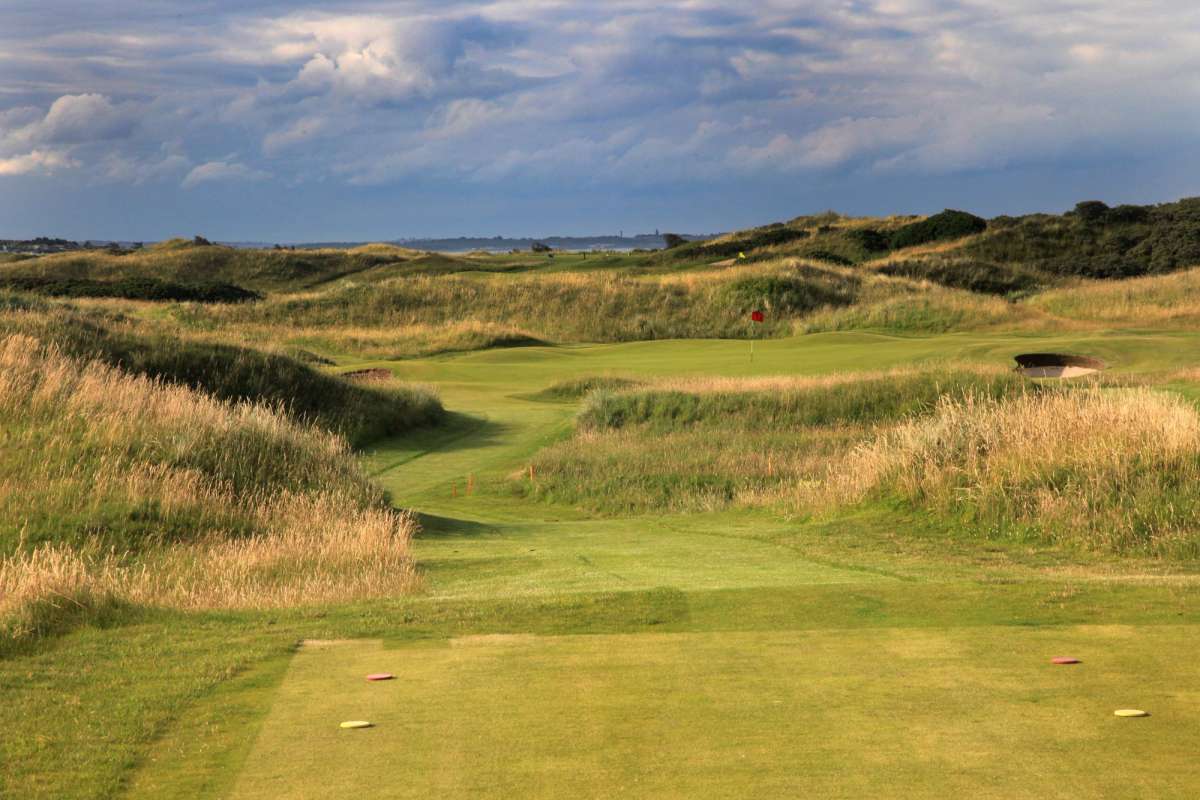
Photo Credit - Gary Lisbon
April 1st is opening day. €475 for 18 holes with lunch is included. Visitors' days are Mondays, Tuesdays, and Thursdays. The course is open through October 31st. The only civilised approach is to take the 36-hole offer and soak it all in.
Ireland's Muirfield, Portmarnock, is an elite course and club. Tipped to host The Open in due course, the premier club in Dublin will only become more exclusive and tee times harder to get... now might be the best time to play before the rest of the world catches on.
Photo Credit - Gary Lisbon
€450 for 18 holes and visitors' days are Monday to Friday in the morning. Book here. The course is open through October.
One of the highest-ranked links in Ireland, it is only bettered by Royal County Down and Royal Portrush.
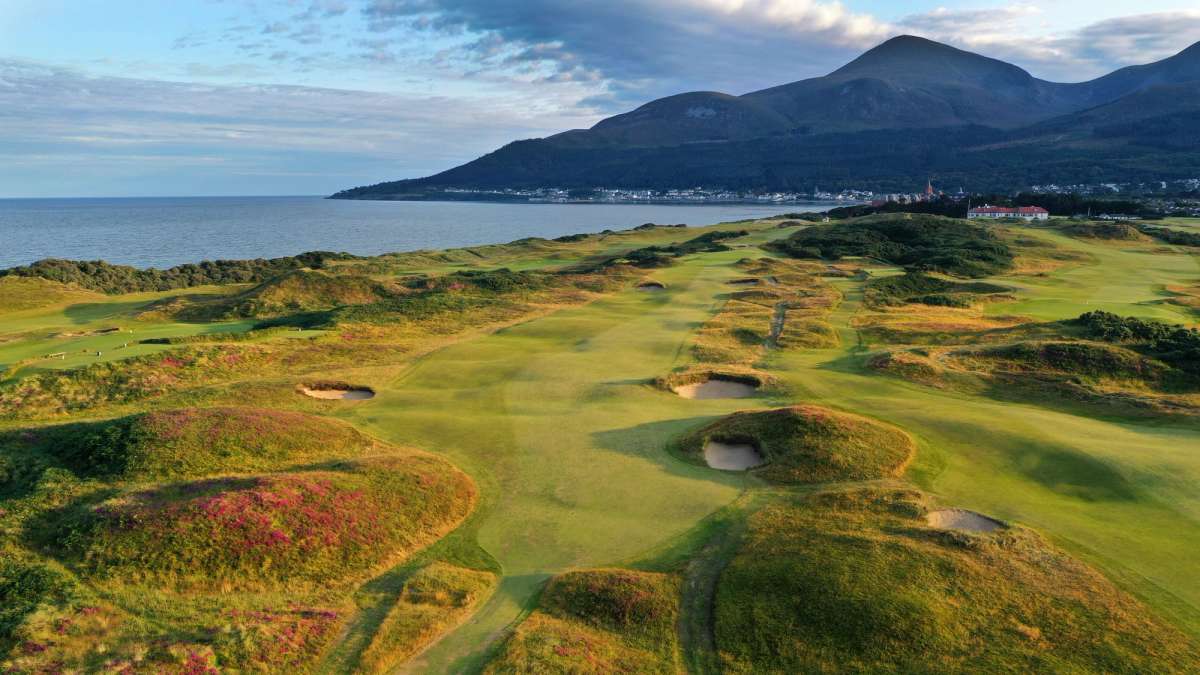
Photo Credit - Gary Lisbon
Available from mid-April (the 15th) to October, visitors are welcome on Mondays and Tuesdays, Thursday mornings, and Sunday afternoons. £450 for 18 holes. Book here.
All the courses on the list need to be played once. If you're coming all this way, take a caddy, play from the forward tees and walk 36.
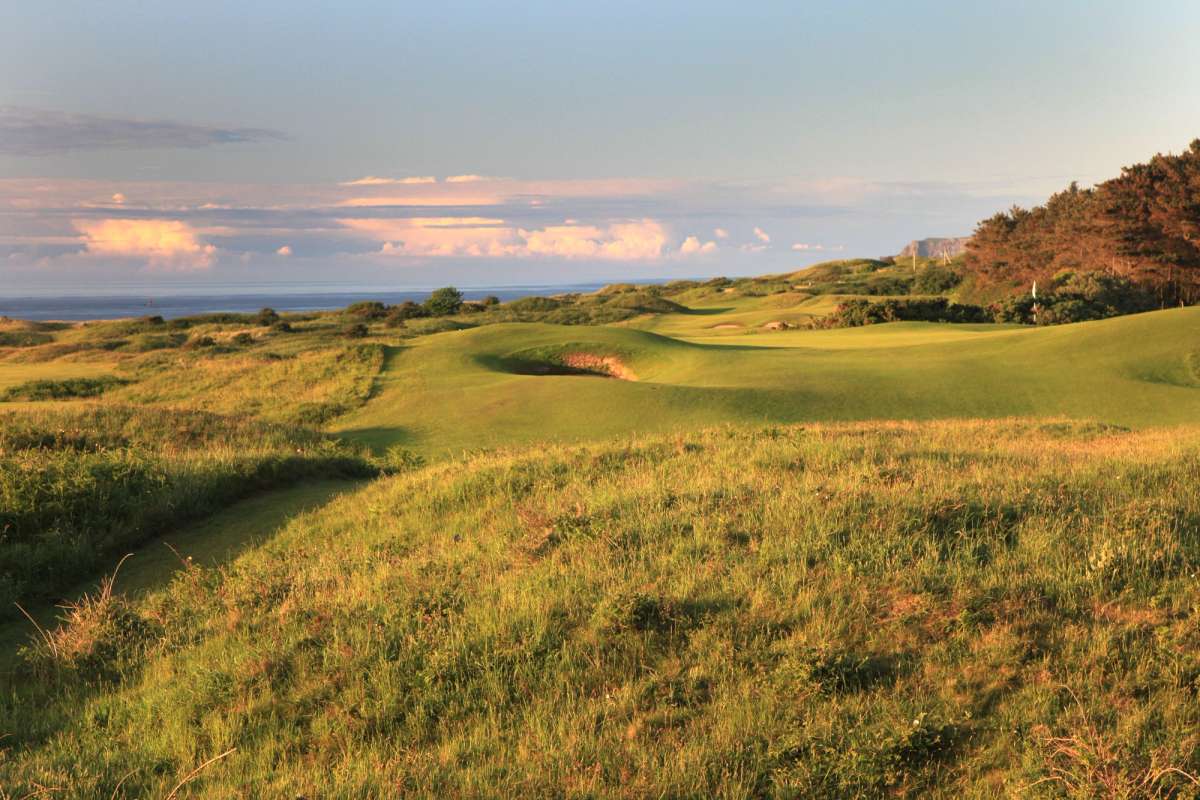
Photo Credit - Gary Lisbon
Available from April 1 to October 31, visitors are welcome every day except Wednesdays. Aligning with the other top-tier courses, it's £420 for 18 holes.
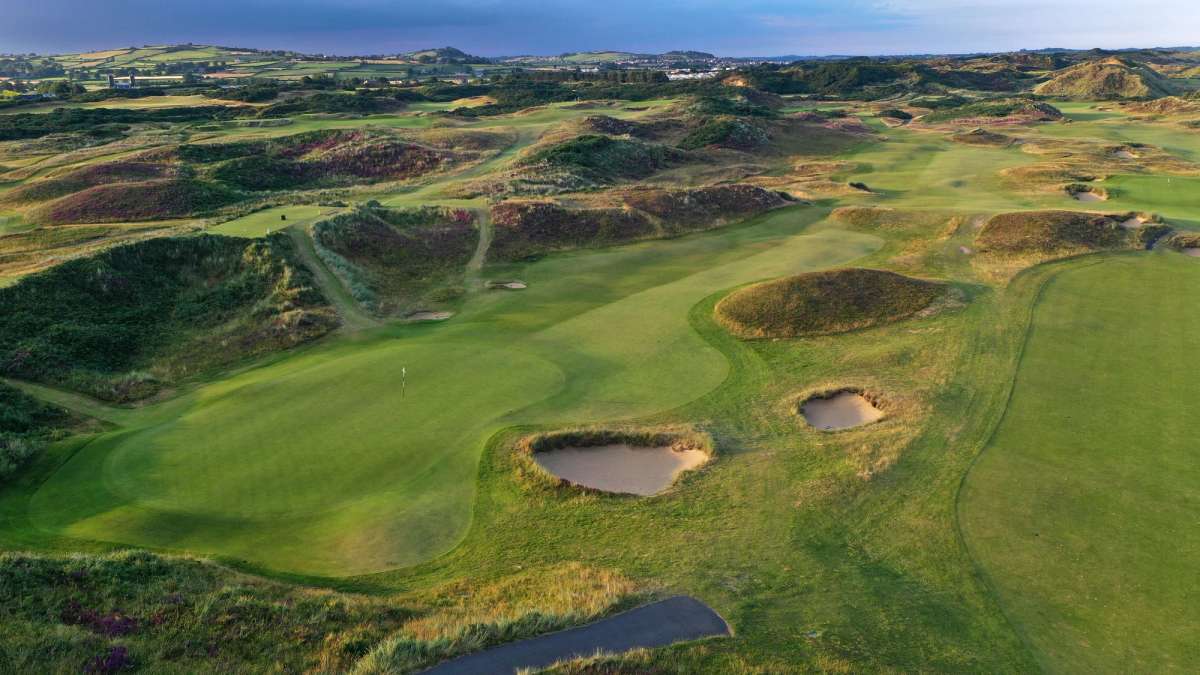
Here's the top tip to access the member's Tee Sheet - stay on-site at The Rosses. The new accommodation is superb and the best you'll find almost anywhere in Ireland - certainly the most stylish and modern dormie accommodation we've ever seen. Learn more. With a stay, you will be able to access the member's tee sheet - with the exception of certain dates (like Sunday afternoon at The Open...) Get in touch with the club for more details.
After a long haul flight and before taking on bucket list courses, most of us like a range session or perhaps a warm up round... One of the wee gems near Dublin is Corballis. With green fees from €25, the little links will get you off and running. Book a tee time.
A great introduction to links golf if you've never been before, it'll soften the blow of stepping up to the first tee at Royal County Down with zero links exposure and a lifetime of American parkland golf under your belt...
For golfers planning their first serious links trip, the choice often comes down to two destinations: Scotland or Ireland. Both offer some of the finest links courses in the world, dramatic coastal landscapes, historic clubs and enough quality to fill several days without playing the same type of golf twice. Scotland has the strongest claim to being the home of the game, with St Andrews, Muirfield, Carnoustie and Royal Dornoch among its headline acts. Ireland, meanwhile, can counter with Royal County Down, Royal Portrush, Ballybunion, Lahinch and Rosapenna. There is no wrong answer. But if you only have one major links trip to make, which country should come first? The Headline Courses Scotland has an almost unfair collection of famous links. The Old Course at St Andrews remains the obvious pilgrimage, while Muirfield, Turnberry Ailsa, Royal Dornoch and Carnoustie provide four very different reasons to keep travelling beyond the Home of Golf. North Berwick and Kingsbarns add further depth, and there is no shortage of excellent options once you move away from the biggest names. Ireland has an equally compelling collection. Royal County Down’s Championship course currently sits at No.1 in the Top100 GB&I ranking, with Royal Portrush at No.3, Ballybunion, Lahinch and Rosapenna Golf Resort’s St Patrick's Links adding further heavyweight options. That means neither country is short of a bucket-list course. Scotland perhaps has the deeper bench of instantly recognisable names, but Ireland can comfortably match it at the very top. Winner: Scotland The Links Experience The character of the golf is one of the biggest differences between the two destinations. Scotland gives you an extraordinary range of links experiences. The Old Course at St Andrews is steeped in history, Carnoustie has its fearsome reputation, Royal Dornoch delivers a more remote Highland setting, while North Berwick and Turnberry offer their own very different takes on seaside golf. Ireland's great strength is the way its links interact with the landscape. At Royal County Down, the Mountains of Mourne provide a spectacular backdrop. Royal Portrush winds through some of the biggest dunes in the British Isles, while Ballybunion, Lahinch and Rosapenna put the Atlantic firmly into the equation. That doesn't necessarily make Ireland's golf better, but it does give many of its standout courses a particularly strong sense of place. The landscape is part of the experience of playing the course. For golfers looking for variety, Scotland has the edge. For those who want their links golf to feel wild and dramatic, Ireland takes the cake. Winner: Ireland Building The Perfect Itinerary For the travelling golfer, the quality of individual courses is only half the equation. The other question is how easily you can string them together. This is one of Scotland's greatest strengths. A St Andrews trip can be built around the Old Course and supplemented by the six other courses at the St Andrews Links complex (New, Jubilee, Castle, Eden, Balgove, and Strathtyrum), alongside Kingsbarns Golf Links and Crail Golfing Society. An East Lothian trip can combine Muirfield with North Berwick, Gullane and Dunbar. Further west, the Ayrshire coast offers Turnberry, Royal Troon, Prestwick and Western Gailes. Then there is the Highlands, where Royal Dornoch, Castle Stuart and Nairn provide the foundations for another outstanding trip. Ireland has excellent clusters of its own. Dublin and the east coast provide several strong options, while the southwest combines Ballybunion, Lahinch and Waterville. Further north, Royal County Down and Royal Portrush provide the kind of double act that could justify an entire trip. But Scotland gives you more ways to construct the itinerary. You can build a four-day trip around one region or spend a week travelling between some of the game's most famous courses without running out of options. Winner: Scotland The Scenery and Atmosphere Both countries offer more than enough scenery to make the journey worthwhile, but they create very different kinds of golf trips. Scotland has the history and sense of occasion. A day at St Andrews can feel like a pilgrimage, while travelling through East Lothian or Ayrshire takes you between courses that have been part of the game for generations. Ireland's appeal is slightly less about pilgrimage and more about exploration. The best trips often involve following the coastline, travelling between small towns and remote clubs, and arriving at courses where the dunes and sea dominate the view. The golf can feel like part of a wider road trip, with the day's round followed by a trip to the pub to dissect it. Scotland has the stronger sense of golfing history, but Ireland arguably offers the more rounded sense of adventure. Winner: Ireland Value for Money Neither Scotland nor Ireland is a destination for the golfer looking for a bargain-basement holiday. The headline courses can command substantial visitor fees, particularly during the summer, but neither country requires you to play the most expensive courses every day. Scotland's depth is particularly useful, with an enormous range of courses allowing you to mix marquee names with excellent, less expensive links. That depth also means you can build an itinerary around value rather than simply ticking off the most famous names. Ireland competes strongly, particularly if you are prepared to venture beyond its biggest tourist destinations. But Scotland's sheer number of quality options makes it easier to put together a varied trip without paying a premium every day. Winner: Scotland The Verdict For your first links trip, choose Scotland. It has the history, depth, variety and concentration of world-class courses to make almost any itinerary work. The Old Course alone is enough to justify the journey, but Scotland's greatest strength is what comes after it. There are enough outstanding links to turn one trip into several without simply repeating the same experience. Ireland is the destination to choose when you want something a little more adventurous. Its great links are often dramatic, windswept and surrounded by scenery that can be as memorable as the golf itself. Royal County Down, Royal Portrush, Ballybunion, Lahinch and Rosapenna form an extraordinary collection, and the wider experience of travelling around the island only adds to the appeal. So Scotland wins the first-trip argument. But once you've made the journey, Ireland won't be far behind on the list.

Ireland holds roughly a quarter of all natural links courses in the world, and the quality runs astonishingly deep. From the towering dunes of Donegal to the Atlantic-battered coastline of County Kerry, the island offers a concentration of world-class golf that rivals anywhere on the planet. Six Irish courses currently sit in the World Top 100, and more than twenty contend for places in the GB&I Top 100 — a depth bettered only by England and Scotland. See the Island of Ireland Ranking See the Republic of Ireland Ranking See the Northern Ireland Ranking Top 100 Golf Courses has ranked Ireland's golf courses biennially since 2006, tracking two decades of evolution across the Republic's twenty-six counties and, separately, Northern Ireland's six. That ongoing process has charted the rise of new architectural masterpieces, multi-million euro renovations, and the enduring dominance of courses that have occupied the summit since rankings began. 2026 Republic of Ireland Update Ballybunion Old, Lahinch Old, Rosapenna St Patrick's Links and Portmarnock all hold their positions, reinforcing two decades of consistency at the summit. Four Republic of Ireland courses sit in the World Top 100, and sixteen feature in the GB&I Top 100 — a depth that underlines the country's status as one of the premier golf destinations on the planet. Brittas Bay Club (formerly The European Club) has been removed while its comprehensive Kyle Phillips redesign takes shape ahead of a planned 2027 reopening. Curracloe Links, a potential future game-changer for the Republic, is also flagged as one to watch but remains outside the current rankings. ⬆️ The Rising Stars Portsalon is the headline climber. Situated on a remote stretch of County Donegal coastline, Portsalon's rise further strengthens the county's extraordinary concentration of quality, with five Donegal courses now in the Republic's top twenty-five. Ballyliffin Old continues to gain recognition and climbs to seventeenth. The K Club Palmer North also rises. Carne, Tralee, Enniscrone, Narin & Portnoo, Rosapenna Old Tom Morris and Galway Bay all rise - in part due to The European Club being removed. ⬇️ Notable Adjustments Adare Manor slips three places to fourteen — a reflection of the updated criteria's emphasis on the golf itself rather than resort polish, though the Tom Fazio redesign remains Ireland's premier parkland course and 2027 Ryder Cup venue. Old Head drops four to 21, while Cork eases two places to twenty-four. 🏆 Irish Rankings - A Historical Glance The Unchanging Summit Ballybunion Old has held the number one position in the Republic of Ireland rankings since the inaugural 2006 edition — an unbroken twenty-year reign. Largely anonymous until Tom Simpson and Molly Gourlay's 1930s intervention, the course gained worldwide prominence after Tom Watson's famous visit in 1981. A major greens replacement project by Atlantic Golf Construction, overseen by architect Graeme Webster, has only strengthened its standing. Lahinch Old, Waterville, The European Club and Portmarnock have been near-permanent fixtures in the upper reaches. For fourteen consecutive years, gaining entry to the top five was, as our 2020 article noted, "a very tough nut to crack." ⬆️ The Course That Broke Through That changed dramatically in 2022 when Rosapenna St Patrick's Links crashed into the rankings at number three — the highest new entry in the history of our Ireland listings. Designed by Tom Doak of Renaissance Golf Design with lead associate Eric Everson, Clyde Johnson and Angela Moser, the course was built on 300 acres of spectacular Donegal dunescape previously occupied by two mediocre layouts. Opened in 2021, it immediately rewrote the top-five hierarchy. 🌍 Ireland's World-Class Depth The island's representation at the highest levels of world golf is remarkable. Six courses — Royal County Down, Royal Portrush Dunluce, Ballybunion Old, Lahinch, Rosapenna St Patrick's and Portmarnock — all feature in the World Top 100. The overwhelming character is links golf. Ireland's Atlantic-facing coastlines provide the ideal combination of sandy soil, undulating terrain and prevailing wind that defines the links game at its purest. Adare Manor breaks the mould as the top-ranked parkland entry, demonstrating that world-class inland golf also has its place on the island. County Kerry and County Donegal dominate the upper reaches of the rankings, but quality is genuinely distributed. Dublin's links courses — Portmarnock, The Island, Royal Dublin, and County Louth — provide accessible world-class golf close to the capital. The west coast, from County Sligo to Enniscrone to Carne, offers some of the most naturally dramatic links terrain anywhere. And the hidden gems — Cruit Island, Dunfanaghy, Strandhill — continue to climb as more golfers discover their charms. What the Rankings Tell Us Consistency at the Summit Ballybunion Old's twenty-year hold on the top position is extraordinary by any measure. The same small group of courses — Ballybunion, Lahinch, Waterville, Portmarnock, The European Club — have anchored the top tier since 2006, with only Rosapenna St Patrick's managing to break the stranglehold. This stability reflects the enduring quality of Ireland's classic links designs, many of which trace their architectural lineage through Tom Simpson, Alister MacKenzie, Old Tom Morris and Harry Colt. The Donegal Renaissance County Donegal has emerged as perhaps the most exciting golfing region in Ireland. The arrival of Rosapenna St Patrick's transformed the county's reputation, but the story is broader. Narin & Portnoo's Hanse-Wagner reimagination, the steady rise of Rosapenna's Old Tom Morris course, the cult appeal of Cruit Island, and the rediscovery of Dunfanaghy have collectively established Donegal as a destination to rival Kerry and Clare. Architecture Driving Change The biggest ranking movements have consistently been driven by architectural intervention. Tom Fazio's work at Adare Manor, Tom Doak's creation at St Patrick's Links, Gil Hanse and Jim Wagner's remodelling at Narin & Portnoo, and Mackenzie & Ebert's master plan at The Island all demonstrate that thoughtful design investment — whether building new or reimagining existing layouts — is the most reliable path to ranking advancement. The Authentic Links Resurgence Shorter, quirkier courses with genuine strategic interest have gained ground, while lavish resort courses, though still excellent places to visit, have seen their rankings adjust. As the new criteria emphasises, budget size has not been the deciding factor, but rather memorable, engaging golf is what matters. 📅 A Decade of Growth: 2010–2025 2010: Your Top 100 — The People's Rankings The 2010 "Your Top 100 Golf Courses in Ireland" was a distinctive edition — a crowd-sourced ranking based entirely on player review ratings rather than the dedicated panellist approach used in other years. Published alongside companion lists for Scotland, England and Wales, it was part of a wider "Your Britain & Ireland Top 100" exercise that number-crunched thousands of golf ball ratings submitted by the Top100 community. The European Club, Tralee, Ballybunion Old and Rosapenna Sandy Hills all featured prominently in the combined GB&I list. 2012: The Republic's Own Top 100 The dedicated Republic of Ireland Top 100 was updated with Ballybunion Old maintaining its familiar position at the summit, continuing the dominance established in 2006. The established order remained largely intact, with the same core group of links courses holding the upper tier. 2014: Stability and Steady Progress The 2014 update continued the biennial cycle with Ballybunion Old once again unchallenged at number one. The top five remained the same handful of courses that had occupied those positions since the rankings began, reinforcing the extraordinary consistency at the summit of Irish golf. 2018: The Seventh Biennial Revision The 2018 edition brought seven new entries into the Top 100. Notably, Adare Manor was absent from the table, its course closed and under complete reconstruction as the Tom Fazio redesign took shape. 2020: Adare Manor Returns and Seven Newcomers The headline story was unmistakable: Adare Manor's re-emergence at number fourteen following its multi-million euro Tom Fazio transformation. The old Robert Trent Jones Sr. course had been entirely replaced, with Atlantic Golf Construction installing new drainage, new greens and sand-capped fairways to create what is now one of the best-maintained courses in all of Ireland. The Ryder Cup 2027 announcement added further lustre. Seven new entries in total, with Hogs Head the highest newcomer at thirty-four Luttrellstown Castle climbed eight places to forty-eight, entering the national top fifty for the first time Cruit Island surged fifteen places to sixty-five, gaining cult status among visiting golfers Royal Dublin rose four places to twenty-three, with Clayton, DeVries & Pont appointed for a bunker renovation 2022: Rosapenna St Patrick's Crashes the Top Five The ninth biennial revision produced the most dramatic shake-up in the rankings' history. Tom Doak's Rosapenna St Patrick's Links entered at number three — the first course to crack the established top-five fortress since rankings began. Narin & Portnoo climbed ten places to eighteen after its Hanse-Wagner reimagination. Further down, Cruit Island continued its rise (up twelve to fifty-three), Dunfanaghy surged twenty-six places to seventy-four, and Woodenbridge climbed twelve to seventy-one. 2025: New Criteria, New Philosophy The most recent update applied revised evaluation criteria that emphasised authentic golfing experiences over resort polish. Fifteen courses moved up five or more places. Traditional links courses rose sharply; parkland resort courses adjusted downward. Rosapenna Old Tom Morris broke into the top thirty, Royal Dublin into the top twenty, and the rankings signalled a clear direction: exciting, strategic golf — regardless of budget or amenities — is what defines Ireland's best. 🔭 Looking Ahead The comprehensive 2026 GB&I ranking overhaul, currently underway, will reassess every course across Britain and Ireland under updated criteria. The Ireland results are expected later this spring and will provide the most thorough evaluation yet of the island's golfing credentials. Several developments are worth watching. Brittas Bay Club — the Kyle Phillips redesign of Pat Ruddy's European Club — is set to reopen in 2027 with improved playability, expanded sea views and restored native ecosystems. The continued maturation of Rosapenna St Patrick's Links is widely regarded as still having significant upside. And with the Ryder Cup arriving at Adare Manor in 2027, the spotlight on Irish golf has never been brighter. Ballybunion Cashen continues enhancement work, and Rosapenna's Old Tom Morris course is gaining traction with every season. The depth of talent across Ireland's 400+ golf courses means the competition for ranking places will only intensify.
Ireland is one of the world's great golf destinations, but planning a first trip can be daunting. With outstanding links courses scattered along its coastline, deciding where to play is only half the challenge. The other is working out how to fit them into a week. For first-time visitors, you don't need to travel the length of the country to experience some of its finest golf. Ireland's west coast offers more than enough to build a memorable golfing holiday, with Shannon Airport providing a convenient starting point. To see what a week of Irish links golf could look like, we put the Top100 Golf Courses AI Trip Planner to work. The result is a seven-day itinerary taking in five of Ireland's standout links courses, from famous names to a few lesser-known gems. There will be plenty of driving along the way, but the reward is a week of golf on one of the most spectacular stretches of coastline in the game. Day 1: Arrive in Ireland Airport: Shannon Shannon Airport is a convenient starting point for a golf trip along Ireland's west coast, with Lahinch around an hour's drive away. Pick up a hire car and make your way to the seaside village, where it's worth booking accommodation for the first couple of nights ahead of your opening round at Lahinch Old. With five courses to play over the following days, there's no need to rush into the golf straight away. Spend the evening exploring the village's pubs and restaurants, whether that's a pint at Kenny's Bar or dinner overlooking Liscannor Bay at The Edge, before preparing for the week ahead. Day 2: Lahinch Golf Club - Old Course (County Clare) World Ranking: 32nd | Ireland Ranking: 2nd | Green fees: €450* The first round sets a high standard. Lahinch Old is one of Ireland's most celebrated links courses, with the Atlantic coastline, towering dunes and naturally uneven terrain creating a memorable introduction to the trip. The course is full of character, particularly around the fourth and fifth holes. The short par five, Klondyke, features a towering dune that complicates the approach, while the famous Dell is a blind par three played towards a green hidden between sand hills. A marker on the dune indicates the pin position, but golfers still need to judge the wind and choose their club carefully. Originally laid out in 1892, Lahinch was improved by Old Tom Morris before Alister MacKenzie redesigned several holes in 1927. That mix of history and unusual golf gives the course a personality that goes well beyond its spectacular setting. After the round, enjoy another evening in Lahinch before heading towards County Kerry for the next leg of the trip. Day 3: Ballybunion Golf Club - Old Course (County Kerry) World Ranking: 29th | Ireland Ranking: 1st | Green fees: €450* If there is one course that belongs on a first-time Irish golf itinerary, it is Ballybunion Old. Long regarded as one of the world's great links courses, it is a headline round on Ireland's west coast and a highlight of any trip to the country. The course's enormous dunes shape almost every aspect of the round, creating narrow corridors and demanding approaches to greens tucked into the natural landscape. The second hole, a long par four known as Kennells, sets the tone with a tight line between two towering dunes before a challenging approach to an elevated green. The drama continues at the seventh, where the tee sits above the shoreline, and the 11th, a formidable par four that is among the course's standout holes. Ballybunion is as much a test of judgement as distance, with the wind capable of turning an already demanding round into a real challenge. From Lahinch, allow around two hours to reach Ballybunion by car, depending on the route and whether you take the Killimer–Tarbert ferry across the Shannon Estuary. After the round, stay in Ballybunion or Tralee ahead of the next day's golf at Tralee Golf Club. If time allows, take a walk along Ballybunion's clifftop paths or settle in for a pint at one of the town's traditional pubs. Day 4: Tralee Golf Club (County Kerry) Ireland Ranking: 12th | Green fees: €450* Designed by Arnold Palmer and opened in 1984, Tralee is one of Ireland's most dramatic coastal courses. The front nine crosses relatively open links land, but the course becomes more rugged on the way home, climbing into towering dunes with elevated tees, challenging carries and sweeping views across the Atlantic. The par-three third, known as The Castle, is a standout. Played towards a green overlooked by the ruins of a castle, it combines a demanding shot with a spectacular setting. The 17th, Ryan's Daughter, is another memorable hole, requiring a drive across a ravine before an approach to a small, raised green. Tralee offers a different experience from Ballybunion. Both courses are shaped by Kerry's dramatic coastline, but Tralee's changing terrain gives the round its own character and plenty of variety. The drive from Ballybunion takes around an hour, making this one of the easier transfers of the trip. Stay in Tralee for the night and head to Baily's Corner, a long-established pub known for its rugby memorabilia and traditional atmosphere, before continuing to Dooks Golf Club the following day. Day 5: Dooks Golf Club (County Kerry) Ireland Ranking: 23rd | Green fees: From €260* After three high-profile rounds, Dooks offers a different kind of Irish links experience without sacrificing the scenery. Established in 1889, it is Kerry's oldest golf course, set beside Dingle Bay with views towards the MacGillycuddy's Reeks and the surrounding mountains. At just over 6,500 yards, Dooks is shorter than some of the other courses on this trip, but there is plenty to keep golfers interested. The natural contours call for an adaptable approach, while the par-three 13th stands out for its unusually undulating green. The course's relaxed atmosphere and warm welcome make it a refreshing change of pace midway through the week. Although shorter than the other courses on the itinerary, Dooks is well worth the stop, offering a more relaxed round with views that stretch from the bay to the surrounding mountains. After the round, head to nearby Rossbeigh Strand for a walk along the beach, with views across Dingle Bay, before settling in for dinner and a pint at the Glenbeigh Hotel. Staying in the area also puts you in a convenient position for the journey to Waterville Golf Links the following day. Day 6: Waterville Golf Links (County Kerry) Ireland Ranking: 5th | Green fees: From €400* Waterville brings the golfing week to a close with one of Ireland's most celebrated links courses. Set on a remote stretch of the Iveragh Peninsula along the Ring of Kerry, it is surrounded by water, with views across Ballinskelligs Bay towards the Atlantic and northeast towards the MacGillycuddy's Reeks. The front nine crosses relatively flat ground, but the course takes on a different character on the way home, weaving through avenues of tall dunes. The short par-five 11th is a highlight, with a rippling fairway framed by towering dunes, while the elevated tee at the par-three 17th, Mulcahy's Peak, offers one of the most memorable views of the week. Waterville is a fitting finale to five rounds of Irish links golf, combining a challenging test with a spectacular setting far removed from the busier tourist centres. After the round, enjoy a final evening in Kerry, whether that means a relaxed dinner in Waterville or exploring more of the surrounding Ring of Kerry. Day 7: Return to Shannon The journey back to Shannon Airport takes around three hours from Waterville, so allow plenty of time if you're catching a flight home. If your departure is early, consider spending the final night closer to the airport rather than making the drive on the morning of your flight. Alternatively, an extra day gives you more time to explore County Kerry, enjoy another stop along the west coast or squeeze in one last pint of Guinness before heading home. Planning your first Irish links trip Five rounds in six days is an ambitious schedule, but focusing on Ireland's west coast makes it manageable with a little planning. The route does involve a few accommodation changes, so it's worth thinking through your overnight stops before booking. Getting around: Hiring a car is the easiest way to travel between courses, particularly when travelling with golf clubs. Allow plenty of time for the drives and remember that the most direct route isn't always the quickest if you're using the ferry across the Shannon Estuary. Where to stay: Book two nights in Lahinch for the opening rounds, then plan your overnight stops around Ballybunion, Tralee and Dooks before finishing near Waterville. This means changing accommodation a few times, but it avoids unnecessary backtracking. If you're flying home early, consider staying closer to Shannon after your final round. Book ahead: These are popular courses, especially during the main golf season. Secure tee times well in advance and check visitor availability before committing to flights and accommodation. Pack for the weather: Conditions on the west coast can change quickly. Waterproofs, warm layers and spare golf gloves are sensible additions, even during summer. Budget for the trip: This is not a cheap golf holiday. Based on published 2026 visitor rates, the five green fees alone come to around €2,000 per person, before caddies, accommodation, car hire and food. Including six nights' accommodation and a hire car shared between four people, budget approximately €3,200–€4,200 per person, excluding flights. Caddie fees and peak-season accommodation can push the total higher, so check each club's caddie requirements and current rates before booking. Consider an extra day: Five rounds in six days leaves limited time to explore beyond the courses. An extra night gives you more flexibility to enjoy Kerry's coastline and towns, or simply relax over a final pint of Guinness before heading home. *Green fees referenced are based on published high-season visitor rates for 2026 and are subject to change. Check with each club for current pricing before booking.

