
Winter sun, warm weather and a dry forecast are the dreams of most golfers in the north of Europe from October to March. Spain and Portugal have catered to most travelling golfers, and emerging destinations have popped up in Turkey and the Mediterranean in recent years.
However, weather can be volatile on the Atlantic with the guarantee of the sun not being what it once was... Also, there are only so many courses you can play and if you've been every year for a decade or two perhaps the shine has worn off... Enter the UAE.
The UAE, or United Arab Emirates, is made up of seven emirates. An emirate is the American equivalent of a state, the Canadian equivalent of a province or county in England. Abu Dhabi is the largest emirate and Dubai is the most populous.
The nation's (federal) capital and emirate (state) capital of Abu Dhabi is also named Abu Dhabi. Dubai is the emirate capital of Dubai. Think of it as New York City, New York, USA.
The other emirates are Ajman, Fujairah, Ras Al Khaimah, Sharjah, and Umm Al Quwain. Dubai is the golf capital of the UAE, next is Abu Dhabi and finally Ajman, and Ras al Khaiman each have just one course of note currently.
Getting to the UAE
From London, there is non-stop service from London Heathrow on British Airways, Virgin Atlantic and Emirates. Emirates also runs non-stop service to Dubai from Dublin, Birmingham, Edinburgh, Glasgow, Manchester, and Newcastle.
The flights are about seven hours, but the time change is only three or four hours, depending on the time of year. Once you arrive, the scale of the airport in Dubai is extraordinary. It's a large place, and it does take time to process, but usually, it's very straightforward, with your luggage waiting for you on the other side of immigration.
Getting Around the UAE
If you rely on a hotel shuttle, costs are equivalent to a taxi in London or another major European city. The UAE equivalent to Uber is called Careem. You can download the app in advance and be ready to book as soon as you land. Costs are very reasonable and will be less than the equivalent journey in the UK.
The last option is the official RTA taxis, which are metered. These are safe, clean and abundant. They are also very reasonable, almost cheap from a UK perspective. Some strike up a relationship with a taxi driver who is able to help them for the duration of their stay with the ability to preplan pickups and dropoffs directly.
Like most foreign destinations, many shy away from public transit from less-than-honourable providers who take advantage of foreigners. Don't worry about that in Dubai - they are professional and operate to the highest standards. The cars are uniform in colour and livery - red and beige.
There are a multitude of options for a golf trip to Dubai. Once you've experienced it, there is enough golf to come back a second time to experience more. We picked the courses you will be familiar with - most of which you see on television due to the DP World Tour venues. It gives you a great introduction to golf in the Middle East and if you're a bucket list ticker, you'll get most of them off the list in a week-long trip. Below is a good start on a potential trip that will get you started:
Dubai Creek Golf & Yacht Club
Currently ranked 10th in the Middle East and 8th in UAE, Dubai Creek is one the first golf courses in Dubai. Dating from 1993, it feels like a proper members club, and you'd be hard-pressed to find a better one in the UAE.
Close to the airport, the journey is easy and the clubhouse is iconic. Play from reasonable tees and it's not too arduous. It is a perfect start to your Dubai golf holiday or for a second round of the day. Even a couple of rounds here in a week would be enjoyable.
The 16th to 18th are Dubai's answer to Carnoustie's closing stretch, which is relatively straightforward until there is a whisper of wind.
October to April is the Winter Season, with peak rates in force from Friday to Sunday. Your range balls and buggy are included. Ice-cold water, frozen towels, and ice lollies are usually on offer if the weather calls for it. All in, you'll be looking at about £250. For context, The Grove in London is £249 at peak rates.
The Emirates Golf Club - Majlis & Faldo
The first grass golf course in the Middle East from 1988, it is the home to the Dubai Desert Classic and has one of the most iconic clubhouses in the modern game.
Currently ranked 8th in the Middle East and 7th in Dubai, the practice facilities at the Majlis are top notch and a second 18 hole on the Faldo course can provide a second 18 without additional travel and can even be played at night. The Faldo is currently 19th in the Middle East and 12th in Dubai.
Compared to Dubai Creek, the course is a step up in terms of test or sternness. It can no doubt be ratcheted up to test the best when the DP World Tour comes to town and the average player will enjoy seeing how he stacks up against the best... thoroughly enjoyable and very playable, it's a great way to ease into the meat of a quick golf holiday.
The Majlis is the most expensive green fee in the Viya portfolio at 1500 Dirhams, equating to about £325. The Faldo is about £190. The only real equivalent to the two courses are Wentworth and The Wisley. Again, 36 holes as a member guest after appropriate gift and gratuities you may be quids-in in the UAE.
Jumeirah Golf Estates - Earth and Fire
36 holes of Greg Norman on a single estate. This is the home to the DP World Tour's flagship Race to Dubai. You've seen the golf course and will know many of the holes when you step on the tees. Everything here is next level. The practice facilities are geared toward serious golfers and tour players. If you've been to The Wisley you'll know the score.
The sand is quartz which gives it a flashy Augusta feel. Used for the tour championship, you better be at your best from the get-go on the Earth. Even from modest tees, it is a test of golf.
The Fire is enjoyable and relatively straightforward from the tees with fairways that seem to funnel the ball. Approaches that find the centre of the greens make for stress-free golf but if you miss, that's where you will start to lose shots.
This is a track day in an F1 car - it's fun and enjoyable but if you're not a low single-digit or plus golfer, be modest, as moving back too far will make this a battle of attrition rather than a very cool experience of playing the same corridors as the pros.
The Earth and Fire are golf courses that you, as a player, will enjoy. Similar to The Emirates experience, the East is about £300 and the Fire is about £215 during peak times.
Yas Links
The Kyle Phillips design in Abu Dhabi is the jewel in the crown of Middle East golf. Ranked in 1 in the Middle East and 1 in UAE, Yas Links is superb and knocking on the door of the World Top 100. As golf is built in this part of the world, Yas Links sets the bar to meet or exceed - as of yet, it hasn't been bettered.
Like most great golf courses, it can play every role and do it all very well. Everyone can play it - if the wind is blowing and you're on the tips, you'll struggle to shoot your handicap even as a plus golfer.
This is a great venue as a club member and as a visitor. You could play here every day and enjoy your golf. As a staunch traditionalist, I was smitten by Yas Links - persimmons, blades and a short set worked well here. A different test and experience, this is one you'll be glad you made the hour-long ride from Dubai to see. Worth every penny, this is a special course and club - a rare combo to find in the UK let alone in the desert.
Yas Links Abu Dhabi is perhaps the best value of money in terms of the overall golf experience I've seen in a very long time. At £235, it is not inexpensive but the experience is comparable to Kingbarns and Castle Stuart. Kingbarns is £448 to play, and Castle Stuart is £330 as of 2025.
Viya Golf & Dubai Golf
You'll be hearing more about Viya in the next few years as the golf management company moves from the Middle East to more traditional golf markets.
When you arrive in Dubai or Abu Dhabi, download the app and you'll be entitled to tee time booking, offers and a host of other benefits. It also has all the other UAE golf courses listed so planning has never been easier.
Most people will be used to living in a multi-cultural environment in the UK. However, if you've never been to the Middle East or predominantly Muslim country some common misconceptions need to be debunked.
Alcohol - some countries are completely dry, meaning you won't be able to enjoy a cold beer on the patio after a round of golf in the desert. Sharjah is an example of a dry emirate, but in Dubai and Abu Dhabi at the golf clubs, resorts, and most restaurants, alcohol is freely available since 2020 when it was decriminalised. Whilst alcohol is widely available, public drunkenness is best avoided.
Dress - perhaps not an issue for most golfers, most locals value a more modest and conservative style of dress. In Abu Dhabi and Dubai, it is very Western, but if travelling to other emirates, be respectful of the local culture. Beach wear is best worn at the beach or pool, and there are expectations for both men and women if visiting a mosque. To avoid any hassle away from the pool and beach, men and women should cover their shoulders and above their knees.
Safety - Dubai is ostentatious, but there is never any feeling of threat or danger. Even the most extravagant displays of material wealth are not met with the potential for theft or mugging. In fact, Dubai and Abu Dhabi are considered safer than most of the United Kingdom!
Religious Conservatism - in Dubai and Abu Dhabi, one would not necessarily know they are in a religiously conservative country. The typical call to the mosque throughout the day is very seldom heard in Dubai. Restraint and modesty are valued, and there will not be any issues if shown.
English Language - Of interest, the native Emirati population is dwarfed by the amount of immigrants to the UAE. In fact, the largest majority is South Asian, making up nearly 60% of the population.
As such, English is the de facto lingua franca. Whilst English comprehension is not always native, virtually all are conversant and communication in English is easy.
Value - Dubai certainly caters to the uber-wealthy and ultra-rich. However, there are options at all price points. Every major hotel chain is represented in Dubai, from Premier Inn to ultra-exclusive boutique hotels. The closer you get to the coast the more expensive it becomes but there are options. Don't think if you're a budget-conscious golf traveller Dubai or Abu Dhabi is not an option.
Climate - It's the desert - its hot and humid. That works very well from November to March but it can be overwhelming from May to September. 36 holes with a cart is still a tall ask during the peak of the summer. Chase winter sun, it's perfect.
Golf in Dubai and Abu Dhabi isn't inexpensive when you compare it to a soggy two-for-one offer in the depths of winter at your local municipal golf course. If your main consideration is budget, you're probably not looking at premium Spain or Portugal packages anyway.
Additionally, the type of golf on offer is not really accessible in the UK to the average punter. The Grove, Wentworth and The Wisley all come to mind. Comparables to Yas Links in Scotland are Kingsbarns, Dumbarnie and Castle Stuart.
When comparing apples to apples, Dubai and Abu Dhabi deliver. On top of that, you're virtually guaranteed sun and fair weather with average temperatures in the mid-20s to low 30s during the winter season.
With options around accommodation and eating at every budget, you're set for a trip to a new region that may just become your preferred.

Bermuda delivers everything golfers dream about in a Caribbean holiday with one crucial advantage - it's barely further from New York than Washington DC. This British overseas territory sits alone in the North Atlantic, roughly 650 miles east of North Carolina, offering a collection of golf courses that punch well above their weight on an island just 14 miles long. The geography is perfect for East Coast golfers. From JFK, you're teeing off at Mid Ocean Club by lunchtime the same day. Yet this isn't some cramped resort island - Bermuda's 181 islands connected by bridges create a proper golf destination with six distinct courses, each offering something different from championship tests to charming short courses. Here's what makes Bermuda special for travelling golfers: World-class golf on a compact island - no course is more than 30 minutes from your hotel Year-round playable weather with temperatures rarely below 15°C (60°F) or above 29°C (85°F) Genuine value compared to major city golf, with spectacular courses from £40-£95 ($50-$120) Proper British culture and hospitality in an island setting Bermuda's Championship Golf Courses Mid Ocean Club - The Crown Jewel This CB Macdonald and Seth Raynor masterpiece from 1924 represents pure Golden Age American architecture. Mid Ocean Club sits practically adjacent to the airport, allowing visitors to play one of golf's legendary courses within hours of landing. The course flows across spectacular oceanside terrain with holes like the famous 5th, where the approach plays across a dramatic chasm to a green perched above crashing Atlantic waves. The club welcomes non-members on Monday, Wednesday, and Friday after 9 am, plus morning and afternoon windows on Tuesday and Thursday. No weekend access for visitors, but five days of availability make planning straightforward. Gil Hanse has developed restoration plans that could elevate this course into the world's top 100 when executed, returning it closer to the original Macdonald and Raynor vision after decades of well-intentioned but misguided changes. Port Royal Golf Course Home to the annual Butterfield Bermuda Championship each November, Port Royal showcases everything spectacular about Bermuda golf. The Robert Trent Jones Sr design culminates with the world-famous 16th hole - a 235-yard par-three where the green literally sits on the edge of the earth with nothing but azure Atlantic beyond. But Port Royal isn't just about that one hole. The entire course flows across dramatic island terrain with ocean views, interesting blind tee shots, reachable par-fours, and even historic fort ruins on the 15th. It's proper championship golf that tests the world's best professionals yet remains entirely playable for travelling golfers. Green fees are approximately £95 (€115/$135) for non-residents during weekdays, dropping to £75 (€90/$105) at weekends - one of golf's rare weekend discounts reflecting Bermuda's business-heavy weekday demand. Tucker's Point Club Located adjacent to the Mid Ocean Club, Tucker's Point offers a completely different character. This modern 18-hole course flows across rolling island terrain with spectacular ocean views from multiple holes. It's more accessible than Mid Ocean but maintains the same high conditioning standards you'd expect from a course serving the Rosewood Tucker's Point resort. The design takes advantage of natural elevation changes across the property, creating interesting approach shots and strategic variety. Several holes play directly along the coastline, offering the kind of ocean golf that makes Bermuda special. Green fees are approximately £115 (€140/$160) for resort guests, with slightly higher rates for outside play. Hidden Gems Worth the Journey Turtle Hill Golf Club - Short Course Perfection This extraordinary 18-hole short course winds its way up to Hamilton's lighthouse, offering ocean views from virtually every hole. The longest hole stretches just 230 metres, but don't mistake this for a simple pitch-and-putt. These are meticulously maintained holes that demand precision and creativity. Turtle Hill formerly hosted the World Par-3 Championship, and playing here reveals why. Each hole presents unique challenges within stunning natural amphitheatre settings. You can play from 7 am until 6 pm six days a week for approximately £45 (€55/$65) - exceptional value for one of golf's most charming experiences. The course sits at the foot of the unfortunately defunct Southampton Princess Hotel, but the golf remains spectacular and accessible. Belmont Hills Golf Course Opened in 2002, Belmont Hills serves as Bermuda's true public course where all island divisions disappear for four hours. This 6,000-yard layout offers proper golf for every skill level, with conditioning that rivals the private clubs. The course represents something special on an island historically divided - here, everyone plays together. Eric Anders Lang featured Belmont Hills in one of his documentaries, highlighting how this course serves the entire community. It's not just about the golf (though that's excellent) but about experiencing authentic Bermudian culture and hospitality. Green fees are approximately £65 (€80/$90), making it outstanding value for visitors wanting to play with locals. Ocean View Golf Course Part of the Port Royal complex, Ocean View offers a more accessible companion to the championship course. While details vary, government ownership has maintained good conditioning and reasonable pricing for visitors seeking additional rounds. This course provides another option for golfers staying near the western end of the island, particularly those wanting multiple rounds without travelling the full length of Bermuda. Five Forts Executive Course - St. Regis Luxury Located at the remote eastern end near the airport, Five Forts serves the St. Regis resort with an executive course built into clifftop terrain. The course features a David Leadbetter Golf Academy, making it perfect for golfers wanting professional instruction alongside their island rounds. While smaller than Bermuda's full-length courses, Five Forts offers proper golf with ocean views and resort-level conditioning. Sample Itinerary: 4-Day Bermuda Golf Adventure Day 1 - Arrival and Port Royal Morning: Fly into L.F. Wade International Airport (direct flights from major East Coast cities) Afternoon: Check into Hamilton accommodation, play Port Royal Golf Course Evening: Dinner at Pearl sushi restaurant on Front Street, Hamilton Day 2 - Mid Ocean Club and Tucker's Point Morning: Early tee time at Mid Ocean Club (book Monday, Wednesday, or Friday) Afternoon: Tucker's Point Club for contrasting modern ocean golf Evening: Dark and stormy cocktails at Swizzle Inn Day 3 - Short Course Magic and Exploration Morning: Turtle Hill Golf Club for unique short course experience Afternoon: Crystal Caves tour or beach exploration at Horseshoe Bay Evening: Fine dining at Tom Moore's Tavern or The Waterlot Inn Day 4 - Final Round and Departure Morning: Belmont Hills for an authentic local golf experience Afternoon: Shopping in Hamilton, afternoon tea at your hotel Evening: Departure (or extend for beach days) Seasonal Variations: Hurricane season runs June through November, but actual disruption is rare. Spring and autumn offer perfect conditions with fewer crowds. Bermuda Travel Logistics Getting There and Getting About Transportation: Multiple airlines serve L.F. Wade International directly from major East Coast cities. Flight time from New York is just 90 minutes - shorter than many domestic US flights. From London, expect 7-8 hours with one connection, typically through New York or Boston. Bermuda prohibits rental cars, but this creates part of the island's charm. Rent a "Twizy" - essentially a golf cart with a roll cage that's perfect for island exploration. These electric vehicles charge at stations throughout Bermuda and make travelling between courses fun rather than stressful. Taxis are readily available, and drivers often serve as informal tour guides. Weather and Packing: Bermuda enjoys year-round golf weather with temperatures rarely dropping below 15°C (60°F) in winter or exceeding 30°C (85°F) in summer. Pack layers for morning/evening temperature variations and always include a waterproof jacket. Trade winds provide natural cooling, but humidity can be high from June through September. The island's position in the Atlantic means the weather changes quickly. Pack golf gear for all conditions and consider an extra day's worth of clothing in case flights are delayed by weather. Where to Stay for Bermuda Golf Luxury Resort Options The Rosewood Tucker's Point offers the ultimate golf-centric experience, located adjacent to both Mid Ocean Club and Tucker's Point Club. The resort provides seamless golf arrangements and world-class accommodation. The St. Regis sits at the remote eastern end with the Five Forts Executive Course on-site. Perfect for golfers wanting resort luxury with immediate golf access, though other courses require 20-30 minute drives. Historic Hamilton Hotels Hamilton Princess & Beach Club in the capital provides a central location for exploring the entire island. You're walking distance from restaurants, shopping, and ferry connections to the Royal Naval Dockyard. The hotel offers classic Bermuda elegance with modern amenities. Mid Ocean Club Cottages For the ultimate insider experience, Mid Ocean Club offers 15-20 cottage rooms for members' guests. This provides unparalleled access to the legendary course plus insight into authentic Bermuda golf culture. Value-Conscious Alternatives Grotto Bay Beach Resort near the airport offers excellent value with unique features like the Prospero Cave spa built into natural limestone caves. The property provides proper resort amenities without premium pricing. Consider St. George's area properties for historic charm and reasonable rates, though you'll need transport to western island courses. Bermuda's Culinary Scene Premium Dining Experiences Pearl on Hamilton's Front Street serves exceptional sushi that rivals anywhere globally. The fresh fish arrives daily, and the preparation showcases Bermuda's position as a mid-Atlantic fishing paradise. Tom Moore's Tavern dates to the 1600s and offers fine dining in genuinely historic surroundings. The restaurant specialises in local fish and traditional preparations, with three-course dinners around £55-75 (€65-90/$75-100). The Waterlot Inn at Southampton provides another historic dining option where pirates supposedly once dined. The menu focuses on fresh seafood with international influences, reflecting Bermuda's position as a global crossroads. Local Specialities and Casual Options Barracuda Grill, next to Pearl, offers bistro-style dining with excellent fish preparations and a more casual atmosphere. Perfect for post-golf meals without resort formality. The Swizzle Inn practically demands a visit for an authentic Bermuda atmosphere. Try the island's signature cocktails - Dark 'n' Stormy (Gosling's dark rum, ginger beer, bitters) or Bermuda Swizzle - alongside hearty pub fare. The Frog & Onion Pub at the western end provides proper British pub atmosphere with local character. It's worth the journey for the setting alone, housed in historic buildings with harbour views. Cultural Dining Insights Bermuda maintains strong British traditions, including proper afternoon tea at most hotels. Don't miss this quintessentially colonial experience with finger sandwiches, scones, and full tea service. Fish chowder appears on every menu, often with local sherry peppers and Gosling's rum. Each restaurant prepares it differently, making comparisons part of the cultural experience. Booking Golf in Bermuda Advance Planning Requirements Mid Ocean Club requires the most planning, with visitor access limited to specific days. Book 2-3 months ahead for peak season (April-October), especially for Monday, Wednesday, and Friday slots. Winter months offer more flexibility, but the weather can be variable. Port Royal, as a PGA Tour venue, attracts serious golfers year-round. Book 4-6 weeks ahead for guaranteed preferred times, though same-week availability often exists except during tournament periods. Local Booking Insights Bermuda's business-heavy weekday demand creates interesting pricing dynamics. Weekend golf often costs less than weekday rounds at premier courses - the opposite of most destinations. Consider tee time clustering by geographic area rather than by course preference. Bermuda's compact size makes this efficient, and you'll discover gems you might otherwise miss. Explore Beyond Golf Natural Beauty and Outdoor Activities Horseshoe Bay Beach showcases Bermuda's famous pink sand, created by parrotfish processing coral reefs. The unique colouration and dramatic limestone cliffs provide stunning backdrops for non-golf hours. Crystal Caves offers underground exploration through naturally formed limestone caverns. The hour-long tours reveal spectacular stalactite and stalagmite formations plus underground pools with impossibly clear water. Glass Beach demonstrates Bermuda's maritime history, where centuries of shipwrecks created a coastline where sea glass forms the actual sand. The smooth, colourful fragments create an almost surreal beach experience. The Blue Hole provides excellent swimming and snorkelling in deep, protected water with visibility often exceeding 30 metres. Local operators offer equipment rental and guided tours. Cultural Attractions and Local Experiences The Royal Naval Dockyard preserves Bermuda's strategic maritime importance with museums, shops, and restaurants in restored historic buildings. The complex includes the National Museum and several craft workshops. St. George's, a UNESCO World Heritage site, represents one of the Americas' oldest continuously inhabited English settlements. The narrow lanes and limestone buildings showcase 400 years of architectural evolution. Gosling's Rum operations offer sunset cruises featuring tastings of various rum expressions. While the company doesn't operate full distillery tours, these boat trips provide an island perspective plus insight into Bermuda's signature spirit. Unique Island Experiences Lilly Bermuda allows visitors to create custom perfumes using local and international essences. The process takes 2-3 hours and produces unique fragrances unavailable anywhere else. Bermuda maintains connections to London's Savile Row tailoring tradition. Several island tailors create bespoke clothing, including the famous Bermuda shorts in proper pink or madras patterns. The spa at Grotto Bay Beach Resort operates within Prospero Cave, offering massages and treatments in naturally formed limestone chambers. This unique setting provides complete tranquility away from island bustle. Insider Local Knowledge Common Visitor Mistakes Don't underestimate Bermuda's British formality. Proper dress codes apply everywhere, from golf courses to restaurants. Pack at least one jacket for evening dining, and always bring collared shirts for golf. Avoid scheduling too many activities. Bermuda's charm lies in its relaxed pace - rushing between attractions misses the point entirely. Build in time for spontaneous beach discoveries and unhurried meals. Strategic Planning Wisdom Book accommodations near Hamilton for maximum flexibility in exploring the entire island. While resort properties offer luxury, central locations provide better access to diverse experiences. Consider visiting during shoulder seasons (March-April, November-December) for optimal weather with fewer crowds and better availability at premium courses. Pack reef-safe sunscreen - Bermuda's crystal-clear waters support fragile marine ecosystems, and regular sunscreens can cause environmental damage. Consider shipping golf clubs via FedEx or UPS rather than airline transport. Bermuda's customs processes are straightforward, and arrival timing often works better than coordinating with flights. Cultural Navigation Tips Tipping follows American rather than British standards, typically 18-20% at restaurants and $5-10 per bag for hotel services. Budget Planning and Travel Value Course Fee Reality Check Mid Ocean Club at approximately £225 (€270/$300) represents Bermuda's premium pricing, but compares favorably with elite US courses charging £300-500 ($400-600) for visitor access. Port Royal at £75-95 (€90-115/$105-135) delivers PGA Tour venue quality at municipal course pricing. Few destinations offer this value proposition for championship-calibre golf. Budget-conscious golfers can play excellent courses like Belmont Hills and Turtle Hill for £40-65 (€50-80/$55-90), making Bermuda surprisingly affordable for quality golf experiences. The Bottom Line: Why Bermuda Golf Works Bermuda delivers an impossible combination: world-class golf, genuine British culture, stunning natural beauty, and remarkable accessibility from North America. You can leave New York at breakfast time and be playing championship golf by lunch, all while experiencing a completely different culture and environment. The island's compact size means no wasted time travelling between courses, while the variety ensures every golfer finds their perfect experience. From Mid Ocean Club's Golden Age grandeur to Turtle Hill's charming intimacy, Bermuda offers golf memories that last far beyond the holiday. Most importantly, Bermuda hasn't lost its soul to mass tourism. The island maintains authentic character, genuine hospitality, and cultural traditions that create connections far deeper than typical golf destinations. When you combine exceptional golf with such authentic experiences, you understand why shipwrecked sailors chose to stay permanently over 400 years ago.
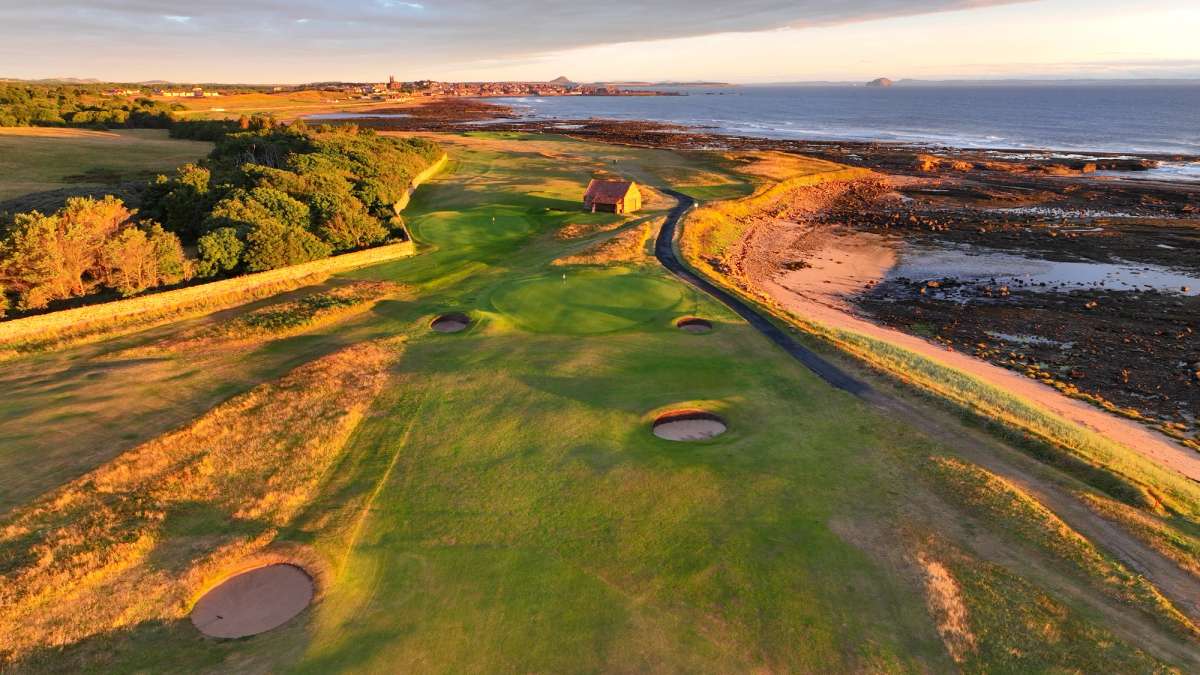
Scotland has golf courses for every standard of golfer. While its famous championship links attract visitors from around the world, some of the best places for beginners are shorter, less intimidating and considerably easier on the wallet. Top100 has compiled 10 courses that offer an enjoyable introduction to Scottish golf, taking into account their length, difficulty, green fees and overall atmosphere. Some are classic links, others are inland parkland courses, but all offer something that makes them worth considering for a golfer still finding their feet. 1. Gullane No.3 Why play it: Short, scenic East Lothian links Length: 5,134 yards (4,695m) - Par 67 Difficulty: ★★☆☆☆ Price: £70 Best for: First taste of links golf Gullane No.3 may sit in the shadow of its more famous neighbours, but it's an excellent introduction to East Lothian links golf. At just over 5,200 yards, it's short enough to be approachable for beginners, with only one par four exceeding 400 yards, while strategically placed bunkers and slick greens still provide plenty of challenge. The biggest reward comes between the fourth and 15th, where the course climbs Gullane Hill before opening up to spectacular views across the Firth of Forth. With Muirfield, North Berwick, Luffness New and Kilspindie all visible from the higher ground, it's a brilliant way to experience one of Scotland's great golfing regions without the price tag or pressure of its more famous neighbours. 2. Kilspindie Golf Club Why play it: Quirky seaside golf packed into a compact layout Length: 5,494 yards (5,024m) - Par 69 Difficulty: ★★☆☆☆ Price: £120 Best for: Fun, informal links golf Kilspindie is almost tailor-made for beginners looking to experience traditional Scottish links golf. Measuring just under 5,500 yards, the course places far more emphasis on accuracy than distance, with seven of its 13 par fours measuring less than 300 yards. Its compact layout beside Aberlady Bay also means you can enjoy a genuine seaside golfing experience without the intimidation of a long championship course. Founded in 1867, Kilspindie is steeped in history, while its secluded setting beside the nature reserve gives the course a wonderfully peaceful atmosphere. From the opening ‘Point’ to the 252-yard closing hole, ‘Home’, the layout is packed with quirky, old-fashioned holes that reward beginners who learn to plot their way around rather than simply reaching for the driver. 3. St Andrews Links - Strathtyrum Course Why play it: The easiest route into playing St Andrews Length: 5,628 yards (5,146m) - Par 69 Difficulty: ★★☆☆☆ Price: £60 Best for: First-time visitors wanting to play St Andrews The Strathtyrum is arguably one of the best options for beginners wanting to play at St Andrews. Opened in 1993 and designed by Donald Steel and David Thomas, the 5,628-yard layout is shorter and more forgiving than the Old Course, with generous fairways and relatively straightforward greens giving newer golfers room to enjoy themselves. Its fairways are framed by 15 bunkers, while cleverly positioned hazards and several water features provide enough challenge to keep experienced golfers interested. The Strathtyrum allows beginners to experience the atmosphere of St Andrews Links without the pressure associated with its more historic courses. 4. The Glen Golf Club Why play it: Spectacular coastal views and approachable links golf Length: 6,275 yards (5,738m) - Par 70 Difficulty: ★★☆☆☆ Price: £100 Best for: Scenic golf The Glen is a brilliant choice for beginners who want to experience Scottish links golf without being overwhelmed by length. Nine of its 12 par fours measure under 400 yards, while relatively gentle greens and generous opportunities from the tee make it possible to enjoy the course without needing a perfect game. The real highlight, however, is the scenery, with much of the course perched above the Firth of Forth and views towards Bass Rock, Fidra and Fife. The famous 13th, known as the ‘Sea Hole’, runs alongside the coastline, while the dramatic downhill 18th at ‘Jacob's Ladder’ provides a memorable finish. With the beaches and walking trails of North Berwick surrounding the course, The Glen has a relaxed, holiday atmosphere that makes it particularly appealing to newer golfers. 5. Hopeman Golf Club Why play it: Affordable clifftop links with spectacular views Length: 5,624 yards (5,143 m) - Par 68 Difficulty: ★★☆☆☆ Price: From £60 Best for: Affordable coastal golf Hopeman is a great reminder that Scottish links golf isn't all about length. The Moray Firth course rewards accuracy rather than power, with gorse lining its fairways and just one par five on the scorecard. For beginners, that makes it an inviting place to learn how to plot your way around a links rather than simply trying to overpower it. The highlight is the 12th, a 150-yard par three played from an elevated tee more than 100 feet above the green at Clashach Cove. With panoramic views across the Firth, it's the sort of hole that can make a beginner fall in love with Scottish golf. The course has been played since 1909 and remains a wonderfully traditional, unpretentious links experience. 6. Crieff Golf Club - The Ferntower Course Why play it: Friendly parkland golf in a spectacular setting Length: 6,493 yards (5,937m) - Par 71 Difficulty: ★★☆☆☆ Price: From £70 Best for: Relaxed inland golf For beginners who want to experience Scotland beyond the links, Crieff is an excellent alternative. Set among the rolling parkland of the Strathearn Valley, the course offers generous fairways and relatively forgiving rough, making it possible for newer golfers to enjoy their round without constantly searching for their ball. Crieff has plenty of golfing pedigree, too, with an original nine-hole layout designed by Old Tom Morris in 1891 before Robert Simpson and James Braid helped develop it into an 18-hole course. Add in its friendly welcome and excellent value, and Crieff offers a relaxed way for beginners to experience Scottish golf away from the country's famous links. 7. Prestwick St Nicholas Why play it: Traditional links golf without the championship price tag Length: 6,044 yards (5,526 m) - Par 69 Difficulty: ★★★☆☆ Price: £110 Best for: Traditional Scottish golf Prestwick St Nicholas is proof that a golf course doesn't need to be long to be a challenge. Described by Henry Cotton as a “miniature championship course”, its generous fairways make it approachable for newer golfers, but blind shots, strategically placed bunkers and tricky greens mean course management is essential. There's plenty of history here, too. The club's members originally played on the neighbouring Prestwick course, which hosted the first 12 Open Championships between 1860 and 1872. For beginners, it offers a chance to experience traditional Ayrshire links golf without having to take on one of the region's more intimidating championship layouts. 8. St Andrews Links - Eden Course Why play it: Authentic St Andrews links with a little more challenge Length: 6,140 yards (5,614m) - Par 70 Difficulty: ★★★☆☆ Price: £80 Best for: Beginners ready to step up If the Old Course feels too intimidating, or its £355 green fee is simply out of reach, the Eden offers a far more accessible way to play at St Andrews. Designed by Harry Colt in 1914, this par 70 layout provides a genuine links experience without the pressure or price tag of the Old Course. The Eden is strategic rather than brutally difficult, with generous fairways giving beginners room to find their feet. The challenge comes around the greens, where deep bunkers, humps and hollows demand a little more thought. With a two-tiered fifth green and the tricky 17th among its highlights, the Eden is an ideal next step for golfers who want to experience the Home of Golf while testing themselves. 9. Dunbar Golf Club Why play it: Classic links golf with a little more bite Length: 6,547 yards (5,987m) - Par 71 Difficulty: ★★★☆☆ Price: From £145 Best for: Beginners ready for a challenge Dunbar is a step up in difficulty from some of the shorter courses on this list, but it offers an excellent introduction to the more demanding side of Scottish links golf. The course hugs the North Sea coastline for much of its back nine, with spectacular views towards Bass Rock and the wind adding an extra layer of challenge. For beginners, it's a chance to discover why links golf requires more than simply hitting the ball straight and far. There's plenty of history to enjoy along the way, too. Golf has been played around Dunbar since the 17th century, while the course has benefited from the influence of Old Tom Morris, Ben Sayers and James Braid. 10. Brora Golf Club Why play it: Wild, natural links golf with a relaxed atmosphere Length: 6,211 yards (5,679m) - Par 70 Difficulty: ★★★☆☆ Price: From £180 Best for: An adventurous first links trip Brora offers beginners something that the famous championship courses often can't: the chance to experience a truly natural Scottish links without the pressure of a world-famous name. The 6,211-yard course isn't overly long, but its exposed coastal setting means the wind can quickly change the challenge. The opening nine runs remarkably close to the North Sea, with the second tee perched beside the beach and spectacular views stretching along the coastline. James Braid redesigned Brora in 1923, and relatively little has changed since. The 162-yard ninth, named the ‘Sea Hole’, is a particular highlight, while the closing par three provides a suitably challenging finish. Five-time Open Champion, the late Peter Thomson regularly played Brora and called it one of his favourite links courses in the world. Which Course is Best for You? With so many excellent options, the best Scottish golf course for a beginner depends on the type of experience you're looking for. Best for a first links experience: Gullane No.3 - Short enough to be approachable, but still delivers the classic East Lothian links experience. Best for experiencing St Andrews: St Andrews Strathtyrum - A more forgiving introduction to the Home of Golf than the Old Course. Best scenery: The Glen - Few courses on this list can match its views across North Berwick and the Firth of Forth. Best value: Hopeman - Affordable green fees and spectacular Moray Firth scenery make it an excellent option for golfers on a budget. Best traditional experience: Prestwick St Nicholas - A chance to experience traditional Ayrshire links golf without tackling one of the region's toughest championship courses. Best inland option: Crieff - A scenic alternative to links golf, with a more relaxed setting for golfers still finding their feet. Best for a challenge: Dunbar - Longer and more demanding than some of the other courses on this list, but a good choice for beginners looking to test themselves. Best for character: Kilspindie - A short, quirky and highly memorable links where no two holes quite feel the same. Green fees quoted are summer 2026 rates where available
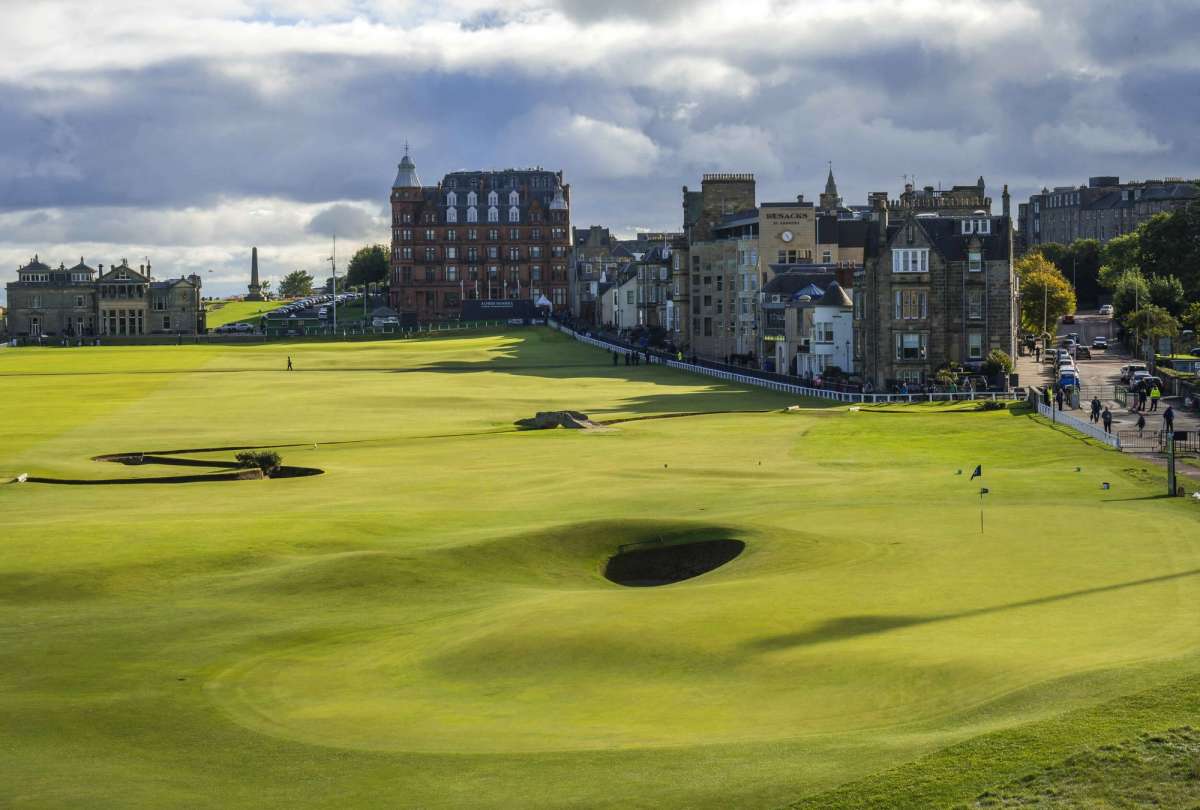
Scotland is home to some of the most famous golf courses in the world, but playing them during the peak season isn't as simple as picking a date and booking a tee time. In this guide, Top100 breaks down how far in advance you should book your Scottish golf trip, highlighting the courses you should target at 12–18 months, 9–12 months, six months and three months out. 12–18 Months Muirfield – Honourable Company of Edinburgh Golfers The second-ranked golf course in Scotland, Muirfield has hosted 16 Open Championships and remains one of the country's ultimate bucket-list destinations for avid golfers. It is also a prime example of why planning well in advance is essential when building a Scottish golf trip. Muirfield's visitor booking process is unusually structured. For 2027, the diary for independent golfers opened on March 18, 2026, and closed on March 27, with applications accepted only during that window. Visiting golfers could submit up to three preferred dates, with only one application permitted per group. Another important consideration for groups wanting to play Muirfield is that, during the peak months of May to September, the club does not accept bookings for singles, two-balls or three-balls. Smaller groups can instead join a waiting list in the hope that a fourball becomes available through a cancellation. If Muirfield is non-negotiable on your Scottish golf bucket list, it should be one of the first things your group books – even before flights and accommodation. Royal Dornoch Golf Club – Championship Course Regularly ranked among the finest golf courses in the world, Royal Dornoch's Championship Course is another Scottish bucket-list destination where the "book it when the diary opens" mentality is justified. The demand for tee times is enormous. When Royal Dornoch opened its 2027 tee sheet in May 2026, the club revealed that summer availability for 2026 was already extremely limited, with the remaining vacant fourball slots falling late in the afternoon. More than 13,000 rounds are allocated to visiting golfers each year, but the course's global reputation means those tee times are in huge demand. Booking applications are only accepted by email and processed in chronological order. The club itself advises golfers to look ahead when planning a trip to Dornoch, and with demand showing little sign of slowing, leaving it until six or three months before your trip is a gamble. If Royal Dornoch is a priority for your trip, it should be one of the first tee times you secure. St Andrews Links – Old Course No Scottish golf trip is complete without discussing the Old Course at St Andrews, but unlike Muirfield and Royal Dornoch, getting a tee time at the Home of Golf requires a slightly different approach. Your best chance of securing an advance reservation for the Old Course is by submitting an application through the St Andrews Links Trust annual advance reservation process, which typically opens at the beginning of September for the following year. At least two golfers are required in each group, with a maximum of eight. You don’t necessarily need to secure a confirmed Old Course tee time 12–18 months in advance, as golfers who miss out on an advance reservation can still enter the highly competitive 48-hour ballot or explore other last-minute availability. If you want to save yourself the stress of applying for a tee time at the Home of Golf, there are also a number of authorised providers – including golf tour operators and local accommodation providers – offering packages throughout the high season that include guaranteed Old Course tee times. 9–12 months Kingsbarns Golf Links Situated just six miles from St Andrews, Kingsbarns Golf Links is one of Scotland's most celebrated modern links. Designed by Kyle Phillips, the course makes the most of its spectacular coastal setting, with the North Sea visible from almost every hole. Kingsbarns' reputation has continued to grow since opening, with the course now co-hosting the annual Alfred Dunhill Links Championship alongside the Old Course at St Andrews and Carnoustie. Its popularity, however, means golfers planning to play during the peak summer months should think about their tee time well in advance. Advance booking is highly recommended by the club to guarantee your place. While Kingsbarns does offer a last-minute online booking service, tee times are only released a maximum of three days in advance and are available at the full rack rate. Nine to 12 months out is a sensible target for Kingsbarns. Its proximity to St Andrews also makes it particularly important to book early if you're hoping to combine the two in the same trip. Carnoustie Golf Links – Championship Course One of the most famous and challenging links courses in the world, Carnoustie's Championship Course is a key addition to any Scottish golf itinerary. Having hosted eight Open Championships, including Francesco Molinari's memorable victory in 2018, its reputation means tee times during the peak season are highly sought after. Unlike some of Scotland's most exclusive courses, Carnoustie offers visitors a number of ways to secure a tee time, with bookings available directly through the club. However, if you're planning to play during the busiest summer months, leaving your round until the final few weeks of your trip is a risk. For a peak-season trip, booking Carnoustie's Championship Course early is particularly important if you want a preferred morning tee time or are travelling as a larger group. Royal Troon Golf Club – Old A regular fixture on the Open Championship rota, Royal Troon's Old Course is another of Scotland's most sought-after links and a natural target for golfers planning a trip during the summer months. The course has hosted the Open nine times, most recently in 2024, and its reputation means popular tee times can be snapped up well in advance. Royal Troon offers more flexibility than some of Scotland's most difficult courses to access, with its visitor season running from mid-April to October. However, visitor tee times are limited to Mondays, Tuesdays and Thursdays, making it worth securing your round well ahead of a peak-season trip. The club also opens its diary well ahead of the playing season. For a peak-season trip, securing your preferred date early is the safest approach, particularly given the limited days available to visitors. Turnberry – Ailsa One of Scotland's most recognisable links, the Ailsa Course at Turnberry combines a rich Open Championship history with one of the most dramatic coastal settings in the country. Perched on the Ayrshire coast with views across to the Isle of Arran, the course has hosted four Open Championships and remains a bucket-list round for many visiting golfers. Turnberry offers visitor tee times throughout the season, but demand for the Ailsa is high during the summer, particularly for the most desirable morning times. Booking Turnberry’s Ailsa Course early gives you the best chance of securing your preferred date and tee time rather than relying on availability closer to your trip. 6 months Once you've secured the headline rounds on your itinerary, six months out is a good time to start filling in the rest of your trip. The courses in this category are still highly regarded and can be extremely popular during the summer, but generally offer more flexibility than the likes of Muirfield, Royal Dornoch or the Old Course at St Andrews. For a trip during the peak months, courses such as Gullane No. 1, Dumbarnie Links, Crail, Elie, Prestwick, Western Gailes, Nairn, North Berwick and Dunbar, as well as the New, Jubilee and Castle Courses at St Andrews, are well worth targeting. These courses can form the backbone of a fantastic itinerary, particularly if you're looking to experience a mix of famous championship layouts and traditional Scottish links. Six months out is also when location should start influencing your planning, with courses viewed as part of a wider itinerary. A trip based around St Andrews, for example, gives you access to Crail, Elie, Dumbarnie and the three St Andrews Links courses, while an East Lothian trip opens up Gullane, North Berwick and Dunbar. Further west, Prestwick and Western Gailes can be combined with Royal Troon and other Ayrshire links. At six months, you should still have a good selection of tee times available, but peak-season mornings and the most desirable days can begin to disappear. If there's a particular course in this category that is a must-play, don't assume you'll be able to pick it up at the last minute. Six months is a good balance between having plenty of choice and not needing to plan your entire Scottish golf adventure a year or more in advance. 3 Months Three months out is where you can start to take a more flexible approach to your Scottish golf itinerary. By this stage, the headline rounds should ideally be secured, but there are still plenty of excellent options for filling out your itinerary closer to your trip. If you haven't planned anything yet, don't panic – Scotland is full of authentic, characterful golf courses that don't require a year of advance planning. Courses such as Leven Links, Lundin Links, The Glen, Dunbar, Panmure, Montrose, Ladybank, Machrihanish, Musselburgh and Gailes offer plenty of variety, from traditional links with centuries of history to lesser-known hidden gems that could provide some of the most enjoyable rounds of the trip. This is also the point where flexibility becomes your biggest advantage. If you're happy to play in the afternoon, move between days or travel a little further from your base, you'll generally have more options. It can also be worth checking courses regularly for cancellations, particularly if there's a specific course you'd like to add to the itinerary. Don't mistake three months out for "leave everything until the last minute", though. Peak-season tee times at popular courses can still disappear, particularly for larger groups. If one of these courses is a must-play, book it once you've settled on your itinerary rather than assuming you'll find a tee time a few weeks before travelling. The good news is that you don't need to plan every round of a Scottish golf trip 18 months in advance. Identify the courses you simply can't miss and secure those first, before using the months that follow to build out the rest of your itinerary. With a little flexibility, even a trip planned just three months out can still feature some of Scotland's most authentic and enjoyable golf.

