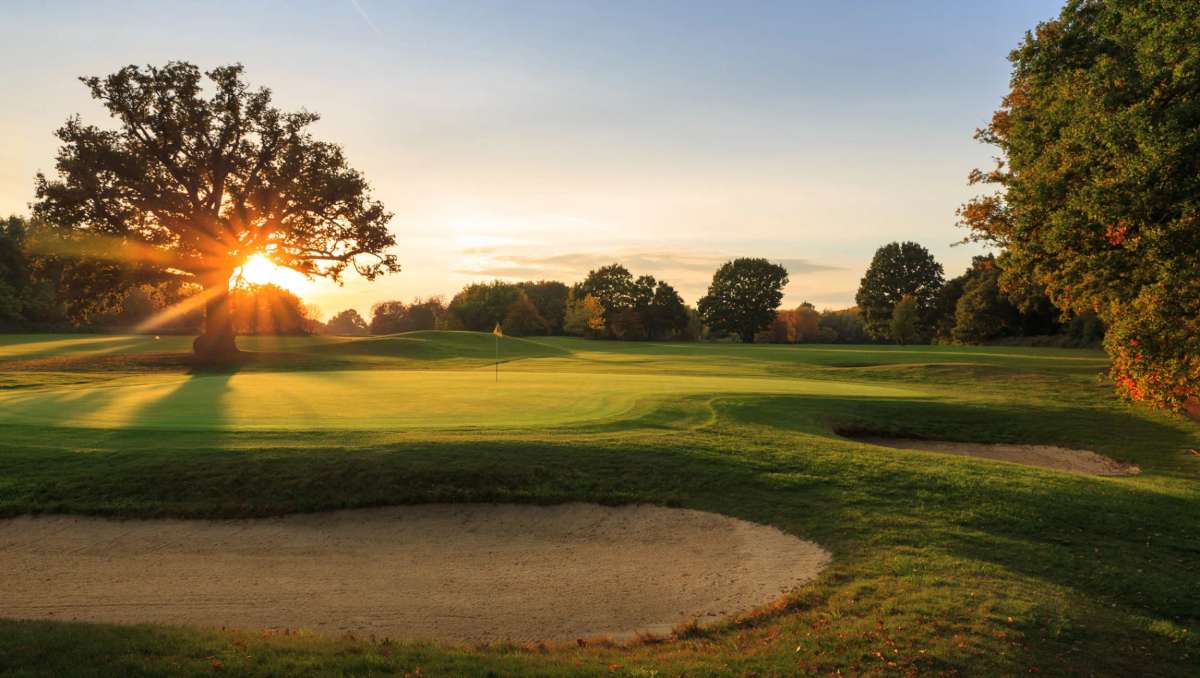
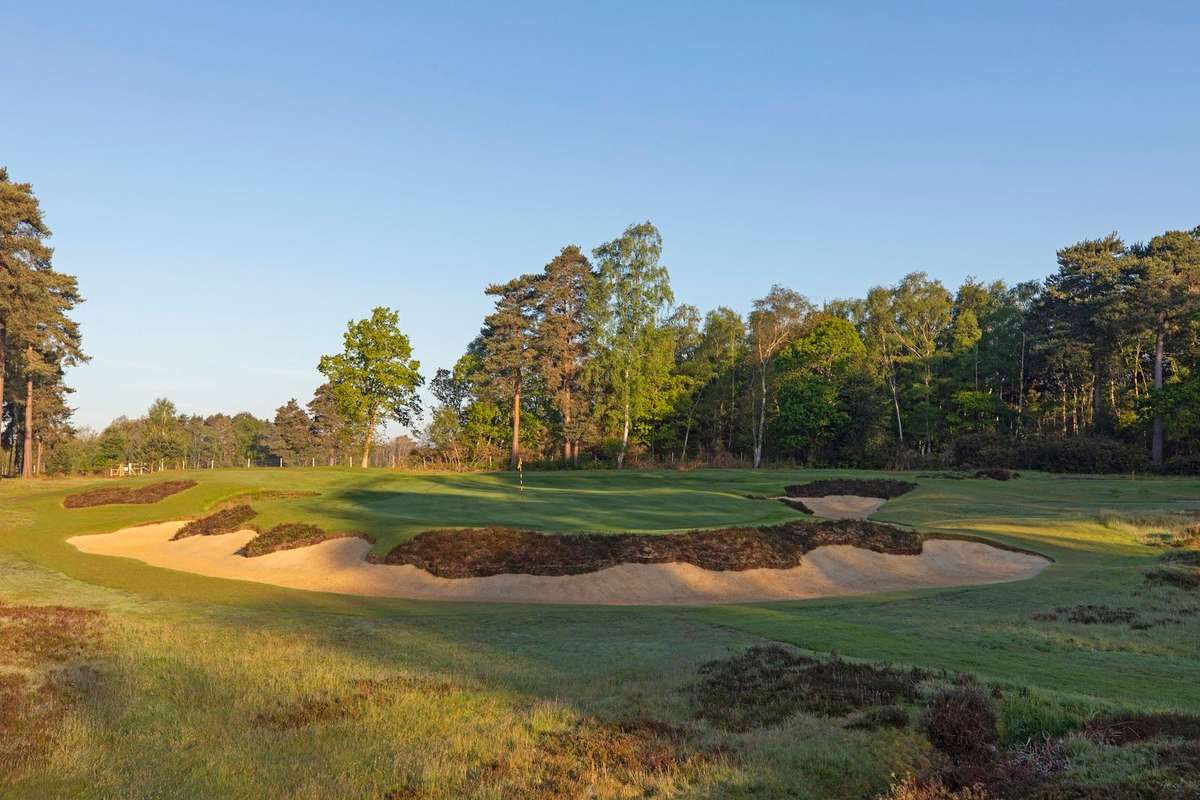
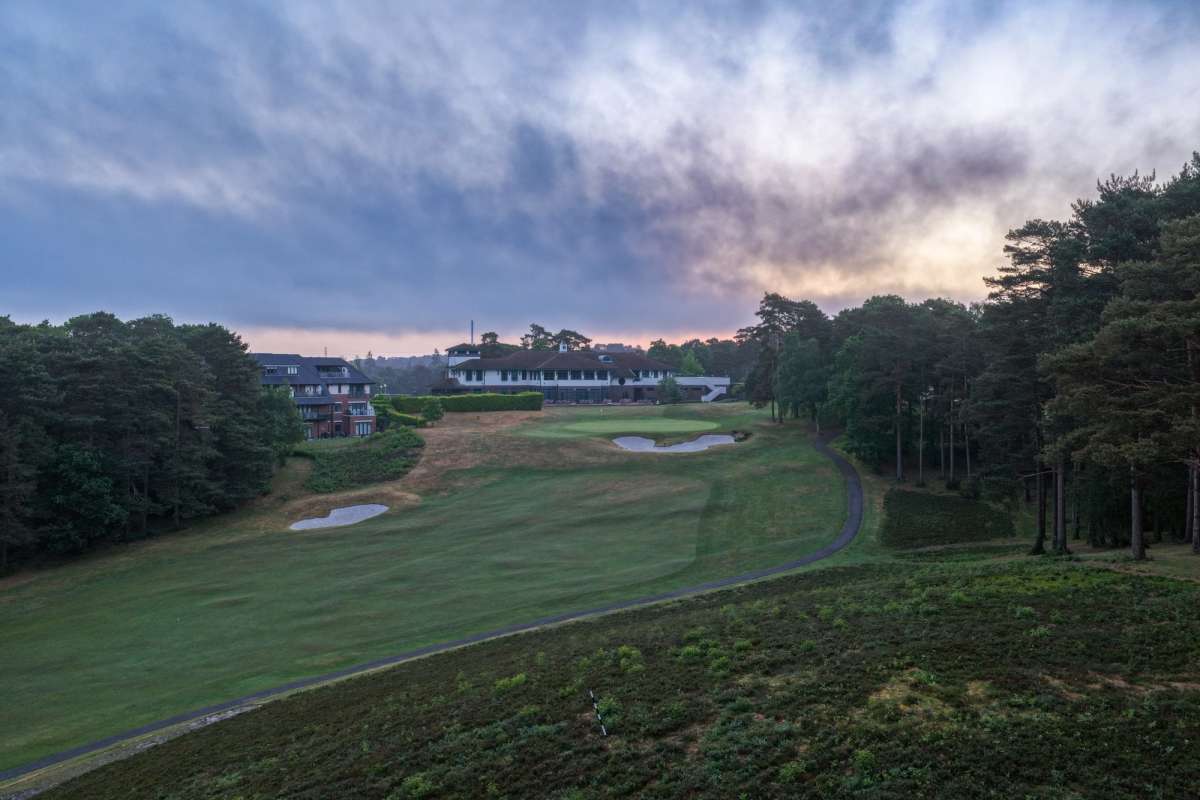
Camberley Heath Golf Club is a Harry Colt gem and many of the master architect’s original design features remain intact.
Overall rating

4.0
Camberley Heath Golf Club
Camberley Heath Golf Club is a Harry Colt gem and many of the master architect’s original design features remain intact.
The latest ranking of the Top 100 Golf Courses in the World serves as the ultimate global golf bucket list. Most members of our World Top 100 Panel are seasoned golfers, each playing 20-30 of these courses annually while travelling extensively over decades to form their opinions on others. We recognise that opinions vary—even among our panel members. Rankings are subjective, and there are undoubtedly 50 or more courses in the UK and USA alone that could easily fit onto this list. Links Golf Pilgrimages The rankings
California, United States
New Jersey, United States
Northern Ireland, United Kingdom
New York, United States
New York, United States
Camberley Heath Golf Club is a premier heathland golf course in Surrey, England, offering a quintessential English golfing experience within easy reach of London. Founded in 1913 and designed by the legendary architect Harry Colt, this 18-hole, par 71 layout stretches to 6,426 yards through 135 acres of glorious heathland flanked by towering pine trees. Known for its rich history, strategic design, and year-round playability, Camberley Heath provides a challenging yet enjoyable round for golfers of all abilities. It’s no surprise that this course is consistently ranked among the finest golf courses in Surrey, beloved by local members and visiting golf enthusiasts alike.
Course Highlights:
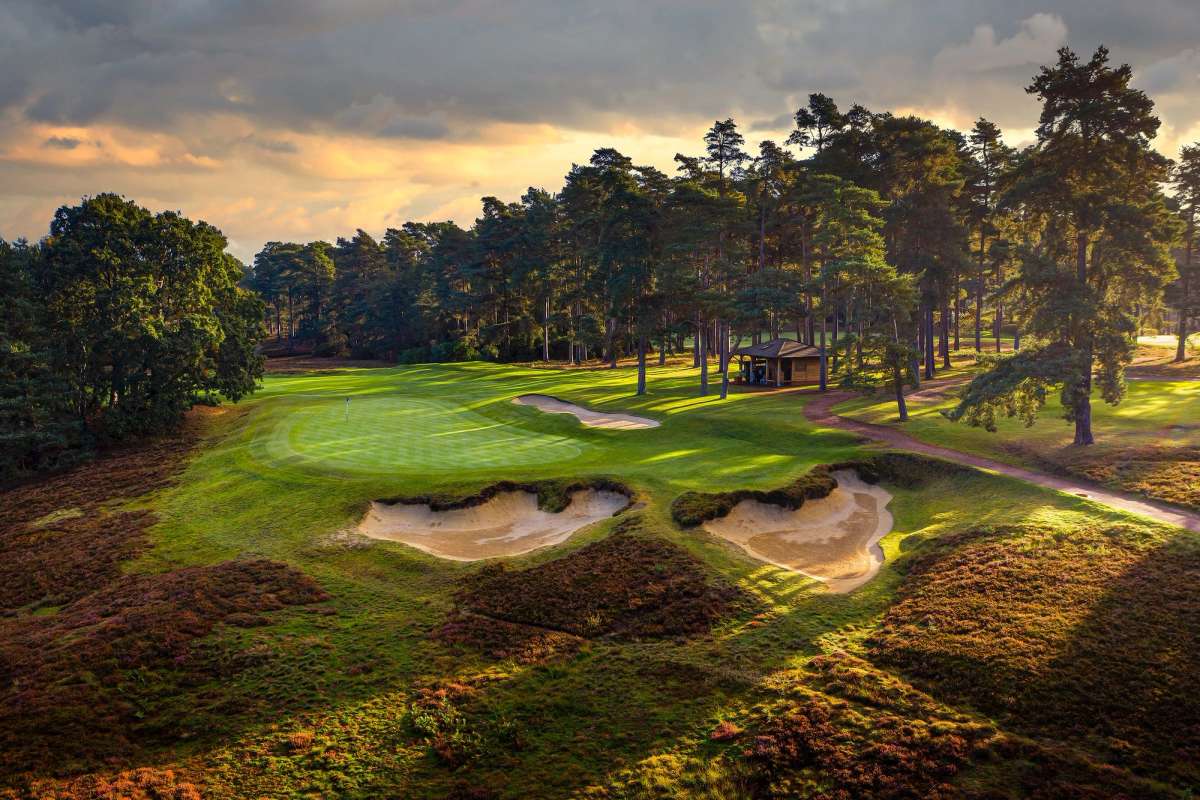
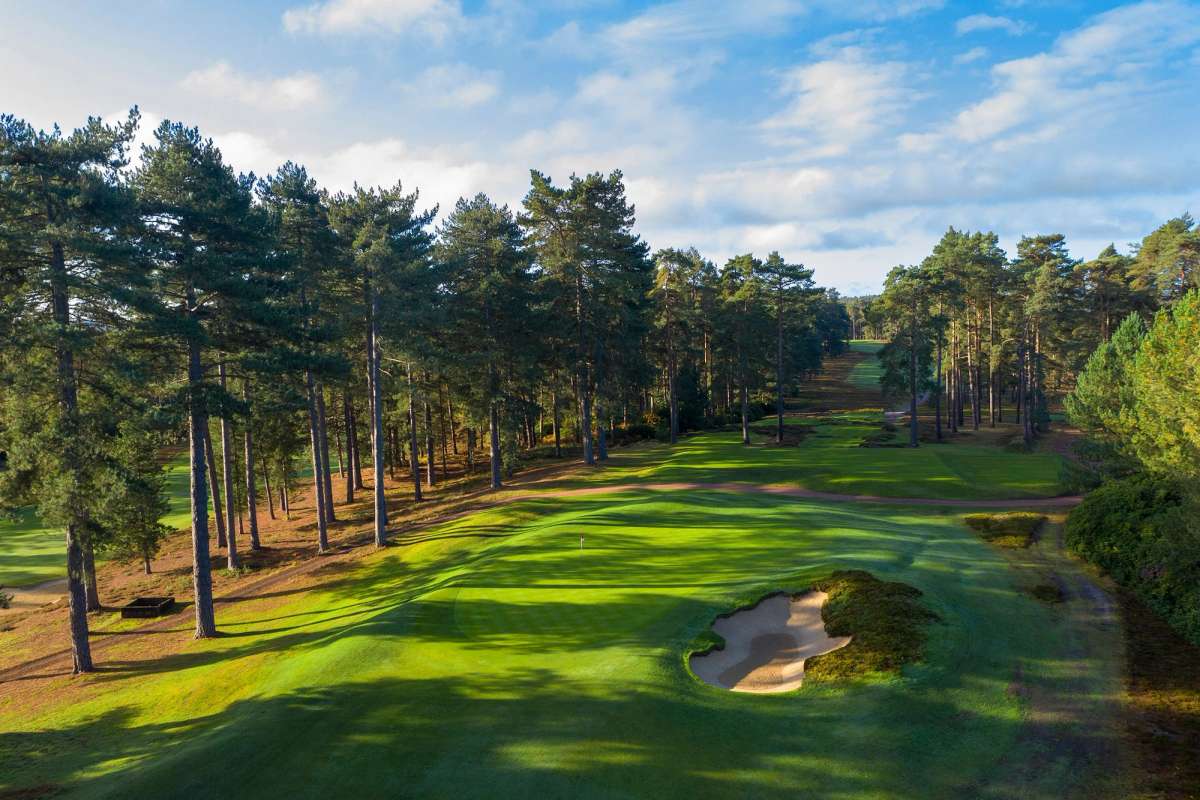
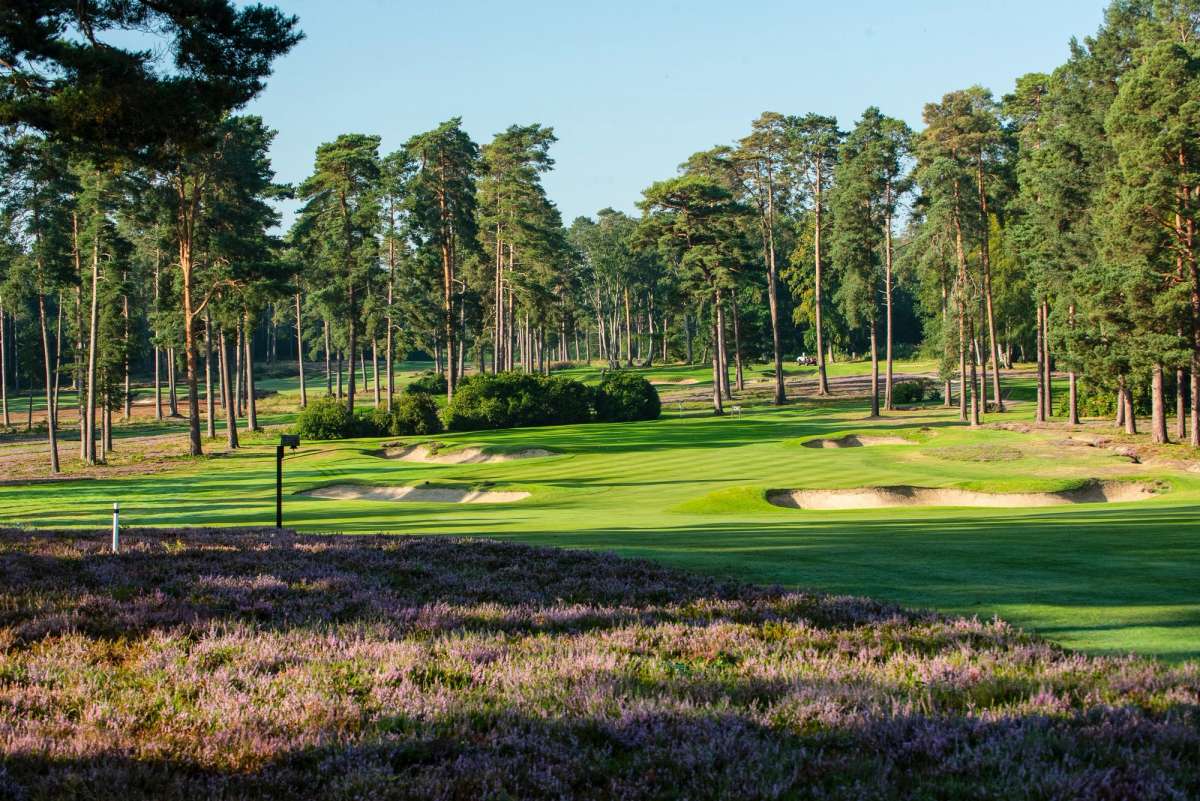
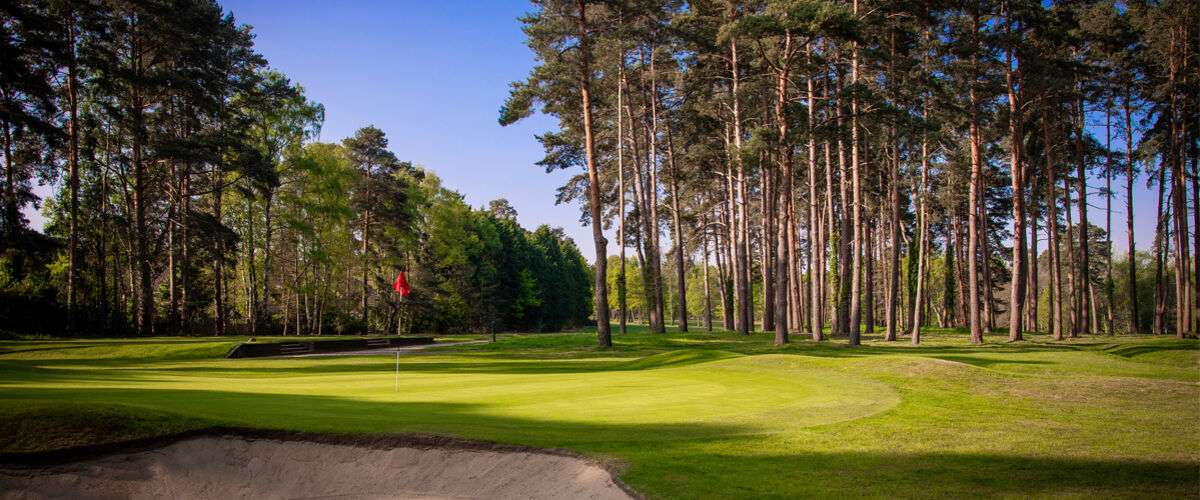
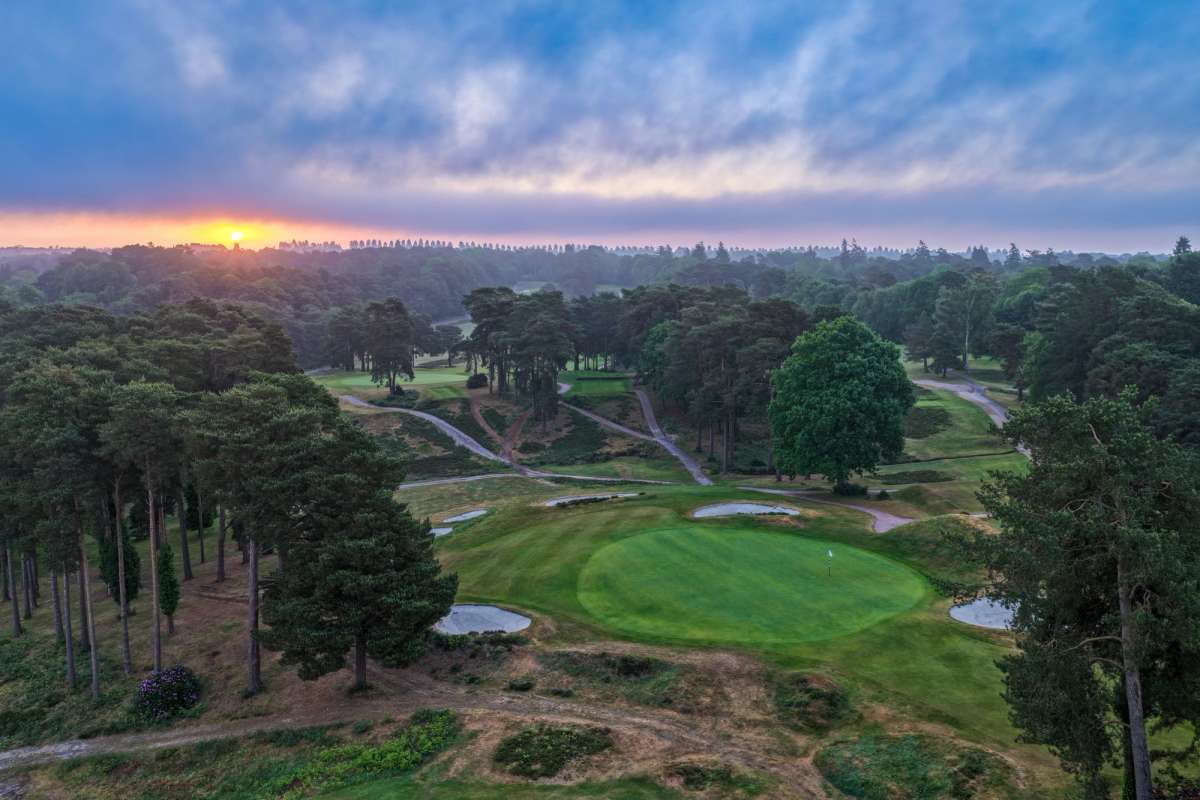
· Heathland Setting: Classic Surrey heathland terrain with sandy, free-draining soil and vibrant heather, framed by mature pines for a scenic and tranquil round.
· Historic Design: Designed by Harry Colt (opened in 1913) – many original design features remain intact, showcasing Colt’s ingenious bunkering and use of natural contours.
· Challenging Layout: 18 holes measuring 6,426 yards (par 71) with undulating fairways; a true test of accurate and thoughtful shot-making rather than a casual stroll.
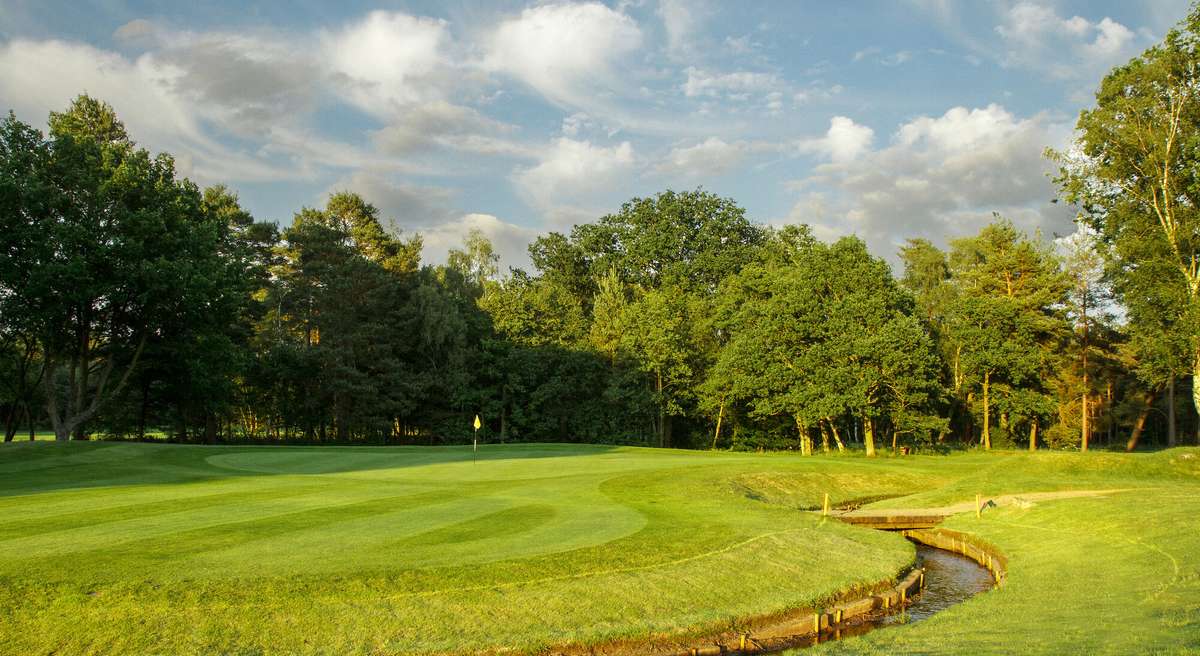
· Signature Holes: Excellent variety of holes, including four delightful short par 4s (holes 4, 6, 15, 16) that offer risk-reward decisions (the 16th even features a water hazard) and a set of memorable par 3s ranging from 162 to 235 yards.
· Year-Round Condition: Free-draining fairways and ongoing heathland conservation keep the course in pristine condition through all seasons, complemented by a recent bunker renovation for top-quality play.
Camberley Heath’s heritage is a point of pride, adding character to the golfing experience. Renowned golf writer Bernard Darwin noted as far back as 1913 that Camberley Heath was highlighting the course’s challenging nature and clever design from its very inception. The club was officially opened by , and its continued in the following decades. In 1929 a special exhibition match – “The Admirals vs. The Generals” – was arranged to celebrate the club’s affiliation with the nearby military colleges (the Staff College and the Royal Military Academy Sandhurst). This event famously featured the and the as participants, underlining the club’s prestige and historical significance.
Over the years, Camberley Heath also found its way into the records of notable golf architects. It’s listed in the catalogue of Simpson & Company Golf Architects, suggesting that architect Tom Simpson may have been involved with the course at some point – although the exact nature of his work here remains unclear. Such ties to legendary figures in golf architecture further cement the club’s storied past.
At its core, Camberley Heath is a Harry Colt masterpiece that has stood the test of time. Colt’s design capitalized on the naturally undulating heathland terrain, using the land’s contours and vegetation to craft a strategic golfing challenge. The course flows through heather-clad hills and valleys, with towering pines not only providing a beautiful backdrop but also shaping many drives and approaches. Golfers will find that many of Colt’s original design elements – from well-placed bunkers to clever routing – remain intact and relevant even by modern standards, demanding precision and strategy on every hole.
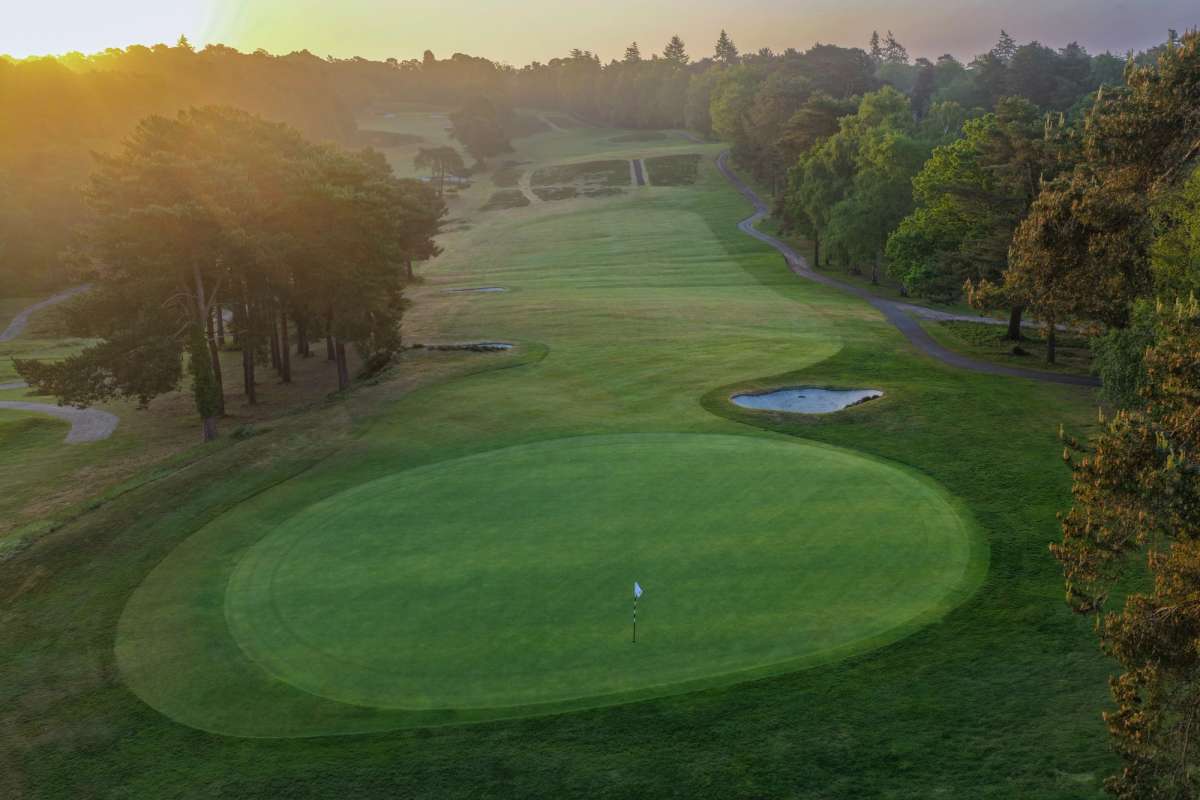
Measuring 6,426 yards from the tips (with a par of 71), the course may not be the longest by today’s championship standards, but it more than makes up for length with its intelligent layout. The fairways can be tight in spots and are often bordered by heather or trees, punishing wayward shots. Subtle elevation changes come into play on several holes, especially on the closing stretch, so golfers need to be prepared for more than just a flat walk – expect a bit of a hike and a test of club selection as lies and angles fluctuate. Overall, Camberley Heath’s design offers that classic Surrey heathland feel: firm, fast-running conditions, natural hazards, and a premium on accuracy over power. First-time visitors are often surprised by how demanding the course can be, reinforcing Darwin’s century-old observation that this is no simple stroll in the park, but rather a rewarding challenge for thoughtful golfers.
One of the greatest pleasures of playing Camberley Heath Golf Club is the variety of holes and the memorable challenges they present. The course boasts a fantastic set of par 3s that test your precision with distances ranging roughly from 160 to 235 yards. Each par three has its own character – from elevated tees requiring a confident shot over heather, to well-guarded greens that demand accurate iron play – ensuring that even the shortest holes can be scorecard wreckers if you’re not focused.
However, Camberley Heath’s most celebrated feature might be its quartet of short par-4 holes. Scattered through the front and back nines (at holes 4, 6, 15, and 16), these par 4s are delightfully tempting for risk-reward play. They may be shorter in yardage, but they are by no means easy. Cleverly placed bunkers and natural obstacles force you to think twice about pulling out the driver. For instance, the 4th and 6th holes entice longer hitters to go for the green or tight landing areas off the tee, but any miss could find sand or heather. Later, the 15th offers a similar dilemma, luring you with a chance at birdie if you can thread the needle. The 16th hole stands out in particular – it features a water hazard that guards the approach, uncommon for a heathland course, adding an extra layer of challenge and visual drama. These holes embody the spirit of Camberley Heath: they’re short, strategic, and immensely fun, rewarding those who plan their shots wisely and punishing the over-bold. They also provide great variety in the round, ensuring there’s never a dull moment from the first tee to the last green.
The closing stretch (holes 16, 17, 18) is notably undulating and demanding. As fatigue sets in, golfers must navigate the rolling terrain and finish strong – a true test of endurance and concentration. Finishing a round here, you’ll likely reflect on the diverse challenges the course presented, from long iron approaches to delicate pitch shots, all set in a beautifully maintained natural environment.
Camberley Heath Golf Club takes pride in its course conditioning and has invested significantly to ensure the course remains pristine throughout the year. Thanks to the sandy subsoil of its heathland setting, the fairways and greens drain exceptionally well – a key advantage in the often damp English climate. An ongoing program of heathland and forestry conservation helps preserve the character of the landscape: gorse and heather are carefully managed, and trees are maintained to both frame holes and promote healthy turf by allowing light and airflow. This commitment to conservation not only protects the local ecology but also guarantees that the course’s playability and classic heathland features endure for future generations.
To support immaculate conditioning, the club utilizes an advanced irrigation system fed by its own on-site borehole. Even in the height of summer or during dry spells, this system keeps the turf lush and the greens receptive, without compromising the firm, fast playing characteristics that heathland golf is known for. Golfers can expect consistent lies on the fairways and true rolls on the greens virtually all year round, making Camberley Heath an appealing destination for play in any season.
In recent years, the club has undertaken significant renovations to further enhance the course. A multi-year bunker renovation programme commenced in 2015 under the architectural guidance of Frank Pont, a specialist known for his sensitive restorations of classic courses. The bunker work was executed by George Waters, a renowned bunker shaper whose resume includes world-famous projects like Pinehurst No.2 and Pasatiempo in the United States. Together, Pont and Waters rejuvenated Camberley Heath’s bunkers to both improve playability and restore a vintage look in line with Colt’s original vision. The results are evident: crisp-edged, well-positioned bunkers that are as aesthetically pleasing as they are strategic. These upgrades have modernized the course’s infrastructure while maintaining its timeless feel, ensuring that Camberley Heath continues to challenge golfers in the 21st century just as it did over a hundred years ago.
Beyond the course itself, Camberley Heath excels as a destination for golf enthusiasts traveling in the London area. Situated in Camberley, on the western edge of Surrey, the club is conveniently accessible from London – typically under an hour’s drive from the city. This prime location makes it an ideal choice for golfers looking for high-quality rounds near London without the crowds of urban courses. Whether you’re a local player or an international golf tourist adding an English heathland course to your itinerary, the combination of location and quality is hard to beat.
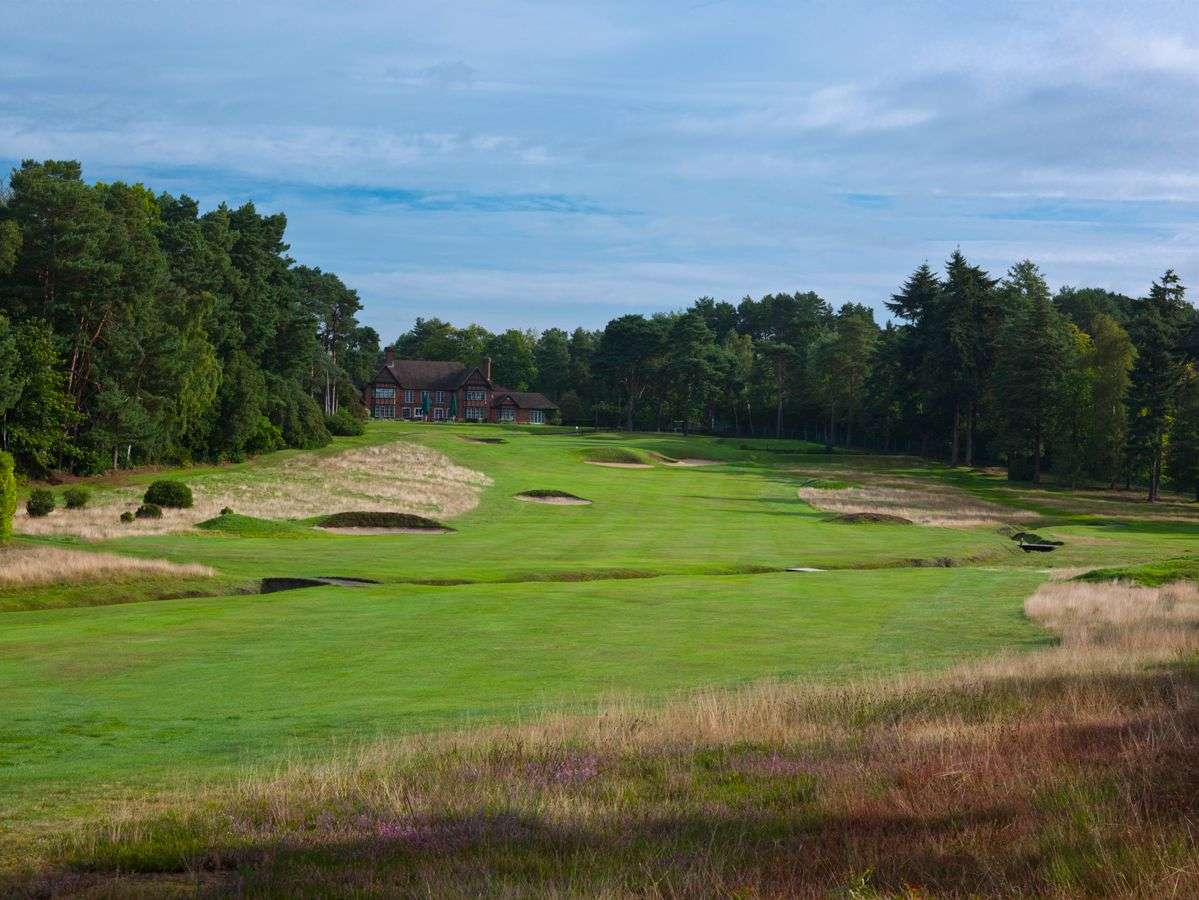
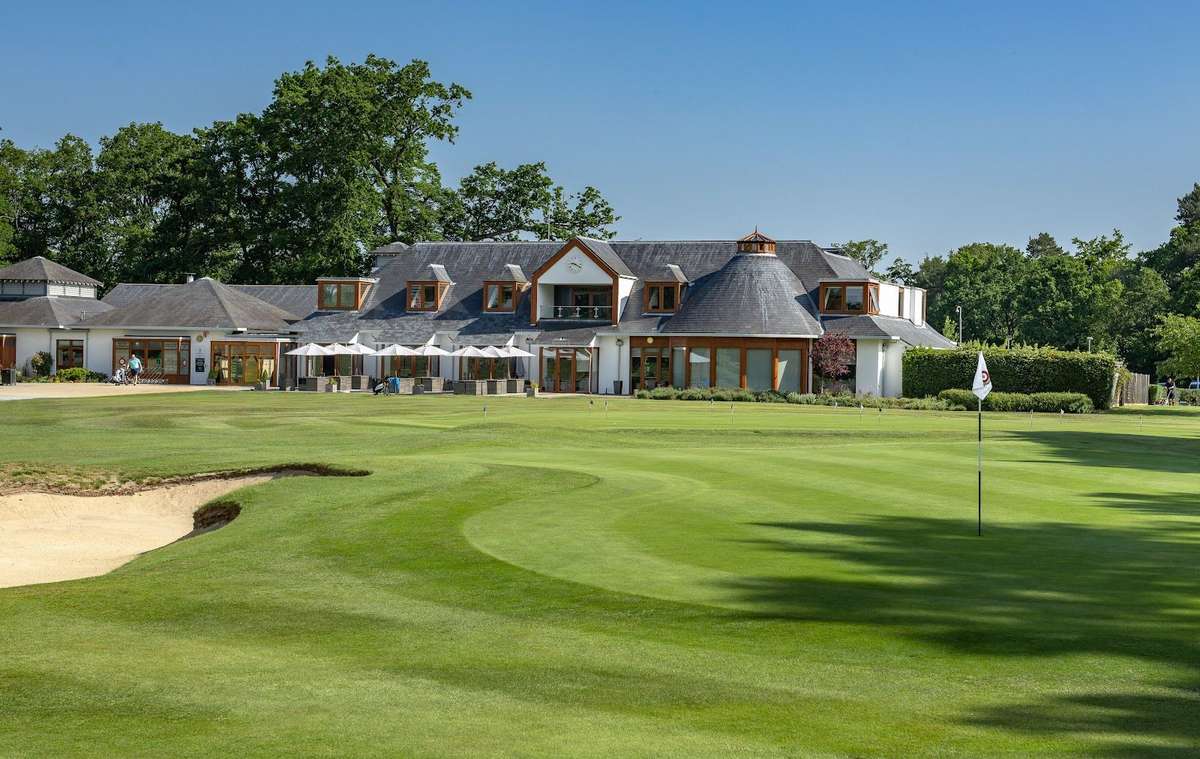
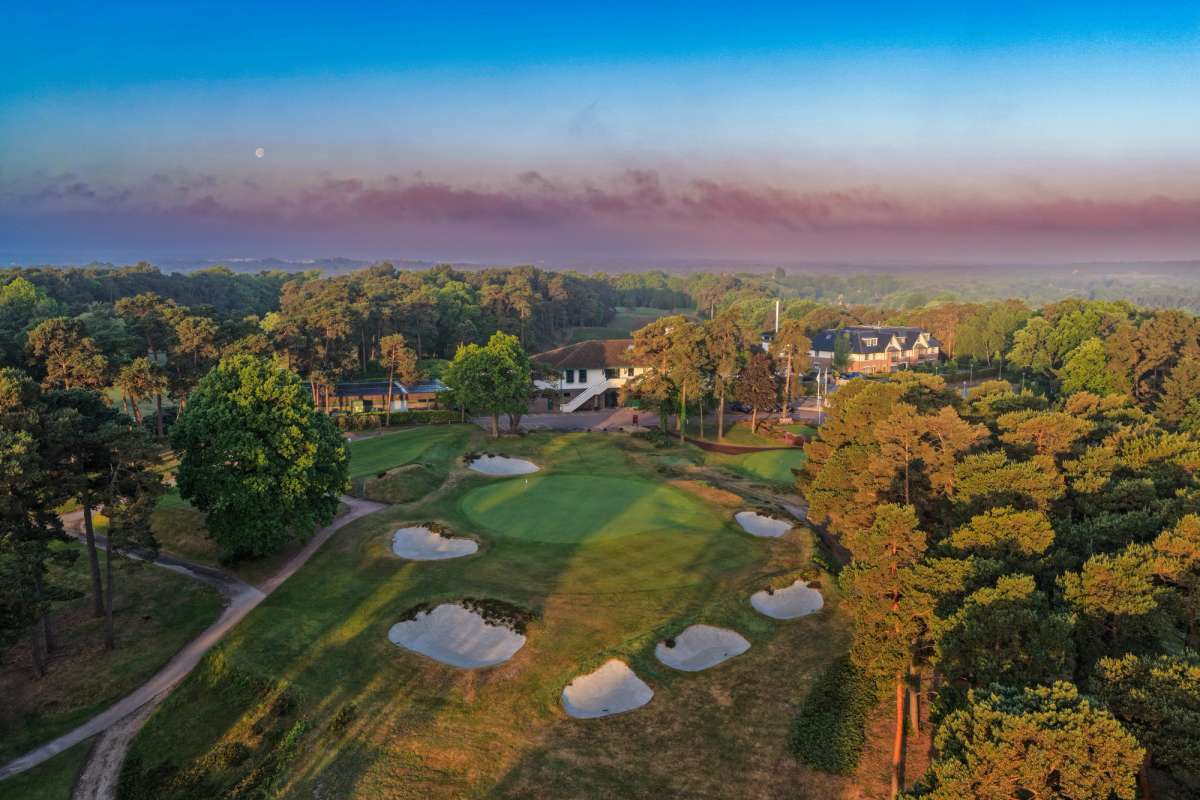
The club has a reputation for its warm hospitality and vibrant club atmosphere, which complements the golf course perfectly. The historic clubhouse provides an inviting spot to relax after 18 holes – you can almost feel the echoes of the past century’s worth of members and guests swapping stories of their rounds. Modern amenities and friendly staff ensure that even first-time visitors feel like valued members of the community. It’s a club that successfully balances tradition with a contemporary, inclusive vibe.
Crucially, Camberley Heath welcomes visitors and golf societies. In fact, it’s a favourite venue for golf societies, corporate golf days, and group outings thanks to its excellent facilities and the memorable challenge of the course. Society organizers will find that the club offers attractive packages and professional coordination, making it easy to host an event here. For the casual visitor, securing a tee time is straightforward, and you’ll often find a mix of members and non-members enjoying the course on any given day. This openness adds to the charm – you’re playing a top-quality course that is not just reserved for a private few, but rather shared with golfers from all over.
In summary, Camberley Heath Golf Club provides a great English golf experience on a classic heathland course. It combines historical charm, strategic design, natural beauty, and modern comforts to deliver one of the best rounds of golf in Surrey. Whether you’re seeking a new challenge not far from London, planning a society golf day, or touring the top golf courses in England, Camberley Heath deserves a spot on your list. It’s a course that leaves a lasting impression – one that beautifully showcases the enduring appeal of heathland golf in the UK.
Camberley Heath Golf Club, Camberley, Surrey, England Click any of the large images to return to the main Camberley Heath page All photographs courtesy of Camberley Heath Golf Club 1st fairway 2nd tee 2nd green 3rd tee 4th tee 7th tee 11th tee 16th 18th tee
30th July 2008 Venues for 2009 Senior Open Qualifiers The three venues that will host qualifying for The 2009 Senior Open Championship presented by MasterCard have been unveiled following the success of this year’s Championship at Royal Troon at the weekend. Camberley Heath Golf Club, Mill Ride Golf Club and The Berkshire Golf Club will all host qualifying next year, ahead of the 23rd edition of The Senior Open Championship presented by MasterCard at Sunningdale. Mill Ride Golf Club previously hosted the MDIS & Partners Festival of Golf on the European Seniors Tour in 1999 but it is the first time that Camberley Heath and The Berkshire Golf Club have been used by the Seniors Tour, although both have previously hosted Regional Qualifying for The Open Championship itself. Andy Stubbs, on behalf of The Senior Open Championship, said: “As the status of the Championship continues to grow along with the number of qualifiers, it is appropriate that we have three very significant golf courses for our qualifying players. “We are grateful for all of the assistance received so far and we look forward to working with the Members and the Officials of each club next year.” Sunningdale, established in 1900, will host the Championship on July 23-26, 2009 and has previously hosted events such as the Walker Cup, The Seve Trophy, the European Open and International Final Qualifying for The Open Championship. It is currently hosting the Ricoh Women’s British Open this week.
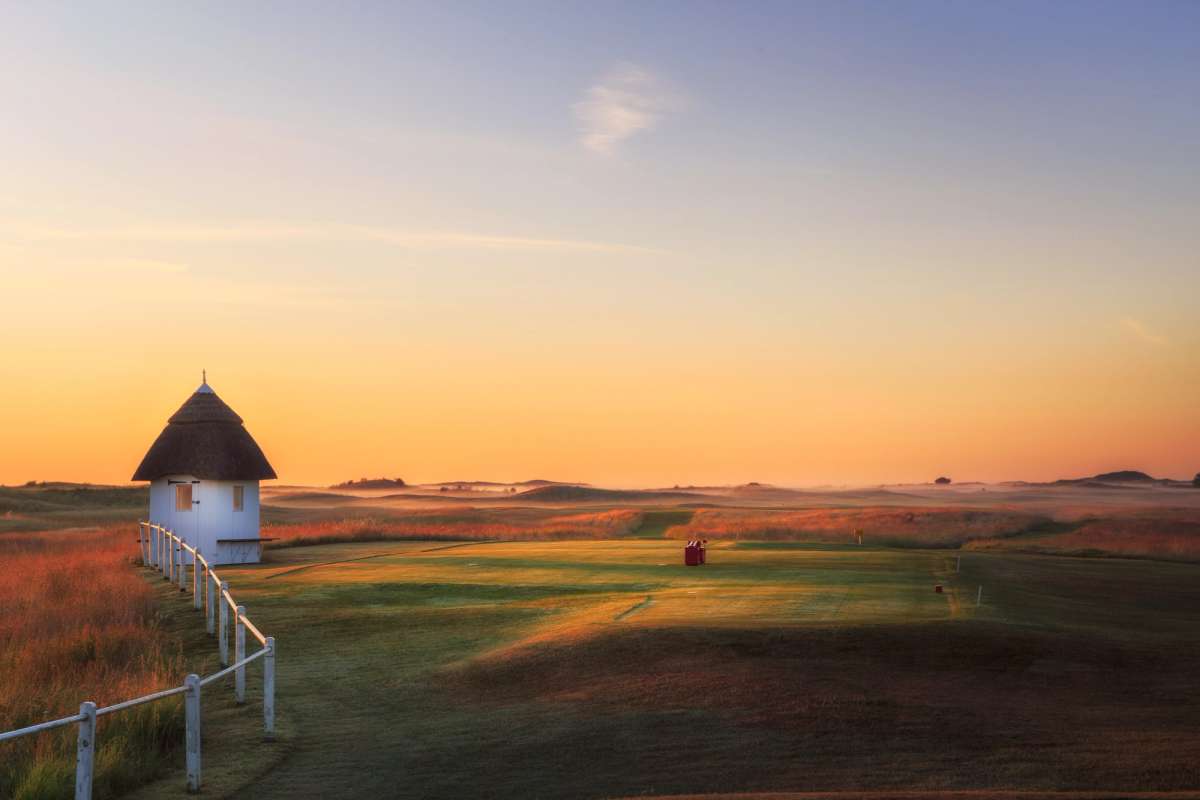
England is home to some of the best golf courses in the world, and its five highest-ranked layouts can be played without being a member. From a 15-time Open venue on the Kent coast to some of the finest heathland golf in Surrey and Berkshire, plus a spectacular links course in Cornwall, these are the five highest-ranked courses in England that welcome visiting golfers. Royal St. George’s Golf Club (Kent) World Ranking: 19th | England ranking: 1st | Green fee: £430 Royal St George’s offers the chance to play one of England’s most historic and challenging links courses. Founded in 1887, it was the first English course to host the Open and has staged the championship 15 times, including the most recent edition in 2021. Routed through towering dunes in a loose figure of eight, Royal St George’s has undulating fairways, uneven lies and plenty of elevation changes that can make even seemingly straightforward shots difficult. The fourth hole is particularly memorable, with a huge bunker carved into a towering dune guarding the fairway. Despite its reputation as a demanding championship test, the course is as enjoyable to explore as it is difficult to score on. Wildflowers and dune grasses line the fairways, while views stretch across Pegwell Bay towards the white cliffs beyond. Add in distinctive features such as the thatched shelters and St George’s flags, and there is plenty to keep you entertained between the inevitable moments of frustration. Sunningdale Golf Club - Old Course (Surrey) World Ranking: 22nd | England ranking: 2nd | Green fee: £485 The Old course at Sunningdale is widely regarded as one of the most beautiful inland courses in the British Isles. Opened in 1901 by Willie Park Jr, it was one of the first great courses to emerge from the Surrey and Berkshire sand-belt, with Harry Colt later reshaping the layout and giving it the intimate, tree-lined character it has today. Pine, birch, oak and heather frame the fairways, while the firm heathland turf makes Sunningdale a joy to walk and play. The course has hosted plenty of memorable golf, too, including Bobby Jones’ remarkable 66 in Open qualifying in 1926 and Nick Faldo’s 62 at the 1986 European Open. The 10th is a particular highlight, with its elevated tee offering a spectacular view before the halfway hut provides one of golf’s more welcome rewards. The 15th, a 226-yard par three, is another standout. For golfers visiting England, Sunningdale Old offers a classic heathland experience in one of the country's finest golfing regions. Sunningdale Golf Club - New Course (Surrey) World Ranking: 41st | England ranking: 3rd | Green fee: £485 The New course at Sunningdale provides a rather different experience to its famous older sibling. Opened in 1923 and designed by Harry Colt, it is more open and rugged than the Old, with elevated tees, heathery terrain and long carries placing a greater emphasis on driving. At 6,700 yards and par 70, the New is no pushover, with narrow fairways and plenty of undulation making it a particularly demanding test from the back tees. Even the professionals have struggled to make it look easy: Jack Nicklaus once held the course record with a 67 before Graeme Storm carded a remarkable 62 during Open qualifying in 2009. The course has also benefited from an ongoing tree-management programme, allowing more heather to return and restoring views across Chobham Common. The fifth, a picturesque par three played across the heath, is one of the highlights. The result is a course that rewards good driving without becoming a purely distance-based test, with the heathland setting providing plenty of visual interest along the way. St Enodoc Golf Club - Church Course (Cornwall) World Ranking: 49th | England ranking: 4th | Green fee: £190 St Enodoc is unlike almost any other links course in England. Overlooking the Camel Estuary in Rock, with views across to Padstow, the Church Course takes its name from the 13th-century church that sits beside the 10th green. Remarkably, the building was completely buried by sand in the 19th century before being excavated in 1863. Founded in 1891 and redesigned by James Braid in 1907, St Enodoc is defined by its towering dunes and constantly changing terrain, where no two holes feel quite the same. The sixth is the course's signature hole, demanding two blind shots over the towering 'Himalayas' dune to reach the hidden green. The 10th, played across a natural valley to a narrow fairway below, is another memorable challenge. If your ball strays towards the churchyard, you'll also find the grave of Poet Laureate John Betjeman, whose poem Seaside Golf was inspired by the course. The combination of huge dunes, unusual holes and views across the Camel Estuary makes St Enodoc a particularly distinctive addition to any English golf trip. Swinley Forest Golf Club (Berkshire) World Ranking: 52nd | England ranking: 5th Swinley Forest offers a quieter, more understated version of heathland golf on the Surrey and Berkshire sand-belt. Set among mature pines and heather, it has a wonderfully quiet atmosphere and an old-fashioned character that is increasingly difficult to find. The firm, fast-running fairways and purple heather in summer give it all the hallmarks of classic heathland golf. Designed by Harry Colt and opened in 1909, Swinley measures around 6,400 yards and plays to a par of 69. The short holes are particularly strong, with a varied collection of one-shotters that require careful club selection. Around the greens, false fronts, run-offs and subtle slopes provide plenty of opportunities for a good round to unravel. For much of its history, Swinley was an intensely private club where visitors were few and far between. It now welcomes green-fee golfers, although the club retains much of its distinctive character. The result is a course that feels removed from the modern world, with little of the glamour associated with some of its better-known neighbours. For golfers who enjoy traditional heathland golf, that simplicity is a large part of Swinley's appeal. Green fees quoted are summer 2027 rates where available.